Source Waterproof Lightweight Crossbody Bag for Travel, School, and Outdoor
Find a Waterproof Lightweight Crossbody Bag among 30 verified options suitable for travel, school, and outdoor activities. Compare features like capacity, material, and customization to select the right supplier for your needs.
Key considerations
Products List


Large Capacity Lightweight Fashion Nylon Outdoor Sports Waterproof Crossbody Bags
$2.20 - $2.49
MOQ: 500 Pieces


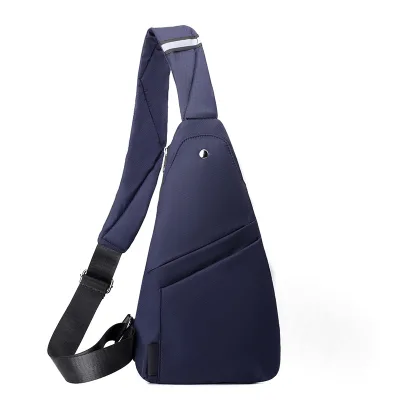
Water Resistant Crossbody Personal Pocket Bag Lightweight Chest Shoulder Bag
$3.51 - $5.68
MOQ: 500 pieces


Custom Logo Lightweight Large Capacity Shoulder Bag Waterproof Leisure Chest Bag
$8.24 - $8.28
MOQ: 500 Pieces


Sling Bags Water Resistant Chest Bag Crossbody Single Shoulder Cross-Body Bag
$2.80 - $3.10
MOQ: 500 Pieces


Durable Waterproof Hard-Wearing Polyester Lining Multi-Pocket Shoulder Bag
$10.50 - $13.50
MOQ: 500 Pieces

Crossbody Bag, Waterproof Nylon, Adjustable Shoulder Bag, Large Capacity
$6.00 - $6.50
MOQ: 500 Pieces
Comprehensive Sourcing Guide
Waterproof Lightweight Crossbody Bag Sourcing Guide
Sourcing waterproof lightweight crossbody bags requires a careful balance between material durability, functional design, and commercial viability. The market offers a diverse range of options, from tactical gear designed for law enforcement and survival training to casual bags suitable for daily commuting and student use. Buyers must navigate varying specifications, including capacity limits, compartment structures, and specialized features like MOLLE systems or anti-theft designs. Understanding these distinctions is critical for aligning product selection with specific end-user needs, whether for outdoor adventures, corporate branding, or retail distribution.
The procurement landscape is characterized by significant variability in origin, packaging, and customization capabilities. Suppliers from regions such as Jiangsu, Ningbo, and Fujian in China provide a wide array of models, each with distinct standard dimensions and material compositions. While some products emphasize simplicity and single-compartment utility, others offer complex organizational features and premium finishes like crocodile grain textures. This guide outlines the essential verification steps, technical considerations, and commercial terms necessary to secure high-quality inventory while mitigating supply chain risks.
Product Scope and Observed Listing Signals
The observed product range spans multiple use cases, including traveling, tactical training, shopping, and campus activities. Listings indicate that these bags are designed for unisex audiences and are suitable for all seasons, highlighting their versatility. Key attributes often include fully waterproof construction, which is a primary selling point for outdoor and daily use applications. Additionally, many models feature specialized elements such as MOLLE systems for modular attachment or anti-theft designs for security-conscious users, catering to both tactical and urban environments.
Material composition varies across the supply base, with nylon and polyester being the most commonly observed fabrics. These materials are selected for their balance of lightweight properties and resistance to wear and tear. Color options typically include mixed colors, green, and black, allowing for broad market appeal. Capacity ranges from under 20 liters to medium-sized bags, with specific models adhering to standard dimensions such as 18x10x9 cm or larger formats like 45x30x18 cm. Buyers should verify these dimensions against their target market’s storage requirements to ensure functional adequacy.
Technical Specifications to Verify
Technical verification begins with confirming the exact material composition and its impact on weight and durability. While nylon and polyester are prevalent, the specific denier count and weave pattern significantly influence the bag’s lifespan and water resistance. Buyers must request material test reports or supplier declarations to ensure the fabric meets the claimed waterproof standards. Additionally, the hardness of the bag structure, whether soft or semi-rigid, affects its shape retention and protection capabilities for contents like laptops or electronics.
Dimensional accuracy and compartmentalization are critical for functional assessment. Standard sizes such as 16x8x24 cm or 45x30x18 cm must be validated against the intended cargo, ensuring that items like tablets, wallets, or tools fit securely. The presence of single compartments versus multi-zone layouts impacts organizational efficiency. Furthermore, handle types, such as shoulder straps, must be evaluated for ergonomic comfort and load-bearing capacity. Buyers should also inspect the quality of zippers, stitching, and hardware, as these components are frequent points of failure in lightweight bags.
Compliance and Safety Documentation
Compliance requirements vary based on the target market and intended use, particularly for products marketed for tactical or law enforcement duties. Buyers must ensure that suppliers provide necessary documentation regarding chemical safety, such as restrictions on azo dyes or heavy metals, especially if the bags are intended for younger demographics or educational institutions. While specific certification statuses are not universally listed, verifying adherence to international standards for textile safety is essential to avoid regulatory hurdles in export markets.
Environmental and labor compliance is increasingly important for global procurement. Buyers should inquire about the supplier’s adherence to social responsibility standards, ensuring that manufacturing processes meet ethical labor practices. Although specific audit reports are not provided in the general listing data, requesting proof of compliance with recognized frameworks can mitigate reputational risks. Additionally, packaging materials should be evaluated for sustainability, with options like export cartons or OPP bags offering different environmental footprints that may align with corporate sustainability goals.
Cost Drivers and Commercial Terms
Cost structures are influenced by material selection, customization complexity, and order volume. The observed minimum order quantities (MOQ) range from 1 to 1000 pieces, with some suppliers requiring higher volumes for specific models. Customization options, including logo printing and OEM services, add to the base cost but enhance brand value. Buyers should analyze the trade-off between lower MOQs and higher per-unit prices versus bulk orders that offer economies of scale but require greater capital commitment.
Shipping and lead times are significant commercial factors. Suppliers offer various shipping methods, including air, sea, and express delivery, each with different cost and speed implications. Standard shipment times may range from 3 to 7 days for ready stock, while OEM or ODM orders can take approximately 15 days for production. Buyers must factor in these timelines when planning inventory replenishment, especially for seasonal products or promotional campaigns. Understanding the total landed cost, including freight and duties, is crucial for accurate margin calculation.
Supplier Qualification and Quality Control
Supplier qualification involves assessing manufacturing capabilities and quality assurance processes. Buyers should verify the supplier’s experience in producing crossbody bags, particularly those with specialized features like waterproofing or MOLLE systems. Requesting samples is a critical step to evaluate craftsmanship, material quality, and functional performance. Suppliers with established origins in Jiangsu, Ningbo, or Fujian often have mature supply chains, but due diligence is necessary to ensure consistent quality across batches.
Quality control protocols should be clearly defined before production begins. Buyers must specify acceptance criteria for defects, such as stitching errors, zipper malfunctions, or material inconsistencies. Implementing pre-shipment inspections can help identify issues before goods leave the factory, reducing the risk of receiving substandard inventory. Additionally, establishing a clear communication channel for addressing quality disputes is essential. Suppliers that offer OEM/ODM services should demonstrate flexibility and responsiveness to design modifications, ensuring the final product aligns with buyer specifications.
Long-Term Procurement Checks
Long-term procurement success depends on continuous supplier performance monitoring and market adaptation. Buyers should regularly review supplier delivery times, quality consistency, and responsiveness to issues. Establishing key performance indicators (KPIs) for these metrics allows for data-driven decisions regarding supplier retention or replacement. As market trends evolve, staying informed about new materials, designs, and consumer preferences is vital for maintaining product relevance.
Strategic relationship building with suppliers can lead to better pricing, priority production, and collaborative innovation. Regular communication and feedback loops help align supplier capabilities with buyer goals. Additionally, diversifying the supplier base can mitigate risks associated with single-source dependencies. Buyers should also monitor regulatory changes in target markets to ensure ongoing compliance. By maintaining a proactive approach to supplier management and market analysis, buyers can secure a reliable supply of high-quality waterproof lightweight crossbody bags.
FAQs
Can I customize the bag with my own logo?
Yes, OEM and logo printing services are available for this product. You can request custom branding on the bag, which supports both OEM and ODM requirements with a typical lead time of 15 days for production.
What is the minimum order quantity for this bag?
The minimum order quantity is 1000 pieces for this specific model. Buyers should note that while some listings show lower MOQs, the standard requirement for this item is set at 1000 units to proceed with manufacturing.
How large is the capacity of the waterproof bag?
The bag features a capacity ranging from under 20 liters to 20-35 liters depending on the specific model. It is designed as a medium to large crossbody bag suitable for daily use, travel, and outdoor adventures.
Which materials are used to make this crossbody bag?
The bags are constructed from durable Nylon and Polyester materials. These fabrics ensure the product is fully waterproof and suitable for various conditions including tactical training, law enforcement duties, and general outdoor activities.
Where are these bags manufactured and shipped from?
These bags originate from manufacturing locations in Jiangsu, Ningbo, and Fujian in China. Shipping options include air freight, sea freight, and express delivery, with a standard shipment time of 3 to 7 days after order confirmation.
What special features does the bag design include?
The design includes a MOLLE system and an anti-theft feature for enhanced security. It also offers a soft hardness level and comes in mixed colors or solid black, making it versatile for unisex use in school or campus settings.