Source Waterproof Metal Expansion Joint Cover for Bridges, Buildings, Railroads
Find a selection of 30 waterproof metal expansion joint covers designed for bridges, buildings, and railroads. Buyers can compare specifications like movement range, material grades, and certifications to identify the right solution for industrial and infrastructure projects.
Key considerations
Products List


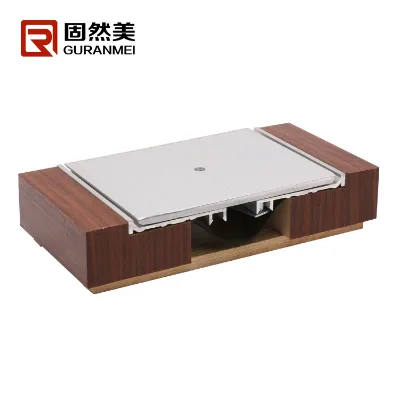
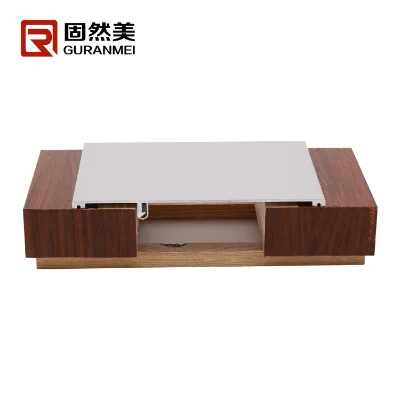
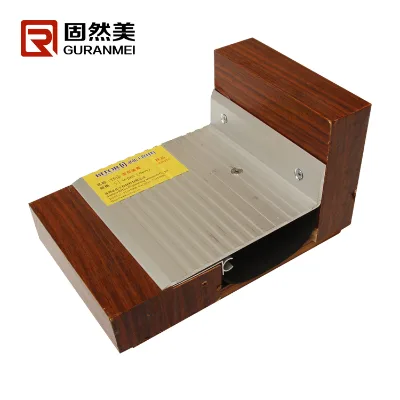

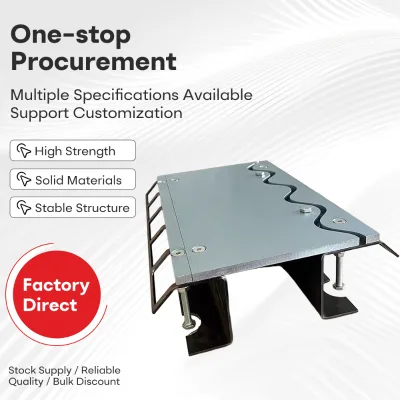
Comprehensive Sourcing Guide
Strategic Sourcing Guide for Waterproof Metal Expansion Joint Covers
Understanding Technical Specifications and Product Variants
When sourcing waterproof metal expansion joint covers, buyers must first navigate a complex landscape of technical specifications that define the product's functionality and durability. The core keyword implies a component designed to accommodate movement in building structures while maintaining a watertight seal. Based on available market data, these products are not monolithic; they exist in various configurations tailored to specific structural needs. A critical observation in the current supply pool is the diversity in "Kind" classifications, ranging from "Sleeve Compensator" to "Corrugated Compensator." This distinction is vital for procurement teams, as the corrugated design typically offers greater flexibility for axial movement, whereas sleeve types may be suited for different pressure or flow dynamics.
The physical dimensions of these covers are equally critical. The observed product standards indicate a wide range of nominal diameters, specifically spanning from DN32 to DN600 in certain categories, and DN15 to DN300 in others. This variance suggests that a single supplier may not stock the entire spectrum, requiring buyers to segment their search based on the specific pipe or structural diameter required for their project. Furthermore, the "Head Code" is predominantly observed as "Round," which aligns with standard piping applications, though the "Cross-Section Shape" for related sealing components can vary, with "Rectangle Ring" shapes appearing in the data for specific sealing or gasket applications.
Material composition is another primary differentiator. The supply chain currently features both "Carbon Steel" and "Aluminium" options. The choice between these materials often depends on the environmental conditions of the installation site. Carbon steel offers high tensile strength, making it suitable for heavy-duty industrial environments, while aluminium, particularly in the "6000 Series" or "6000series" grades, provides a balance of weight and corrosion resistance. The "Temper" of aluminium products, noted in the range of T3 to T8, indicates varying levels of hardness and workability, which buyers must verify against their structural load requirements. Additionally, the "Type" of expansion joint can be "Horizontal," "Axial," or categorized by installation location such as "Floor, Wall, Roof," necessitating a precise match between the product specification and the architectural design.
Compliance, Certification, and Material Standards
In the realm of B2B procurement for construction and industrial components, compliance is not merely a formality but a prerequisite for liability and safety. The market data reveals a robust array of certifications and standards that suppliers claim to meet, though buyers must treat these as observations to be verified rather than guaranteed attributes of every listed item. The most frequently cited certification bodies include "CE," "ISO," "JIS," "AISI," "ASTM," "BS," "GB," and "DIN." The presence of multiple standards, such as "AASHTO" for bridge applications and "ASTM" for general material specifications, indicates that the supply base caters to both general construction and specialized infrastructure projects.
When evaluating a supplier's documentation, buyers should look for specific alignment between the product's intended application and the cited standard. For instance, products designated for "Railroad Bridge," "Highway Bridge," or "Beam Bridge" usage often reference "AASHTO" or "ASTM" standards. Conversely, general building applications might rely on "ISO" or "JIS" certifications. The data also highlights a specific certification string of "CE,ISOJIS,ISOConnection:Flange," which suggests a combination of European conformity, international standards, and specific connection types. It is imperative for procurement officers to request the actual test reports or certificates of conformity for the specific batch being ordered, as the presence of a certification on a product listing does not automatically validate the specific unit's compliance.
Material standards are equally rigorous. The "Grade" of aluminium is specified as "6000 Series," a common designation for structural aluminium alloys known for their weldability and corrosion resistance. For steel components, the "Material" is listed as "Carbon Steel," but the specific grade (e.g., Q235, Q345) is not explicitly detailed in the general observations, requiring buyers to request this information to ensure it meets the structural integrity requirements of their project. The "Standard" field also lists "HG248," "HG272," "HG187," "HG271," "HG343," and "HG188," which appear to be specific model or industry standard codes. These codes likely correspond to specific manufacturing processes or performance criteria unique to the supplier's catalog, and they should be cross-referenced with the project's engineering drawings to ensure compatibility.
Cost Drivers and Pricing Dynamics
The pricing structure for waterproof metal expansion joint covers is influenced by a confluence of factors, including material costs, manufacturing complexity, and order volume. The observed price range in the market spans from $0.21 to $800 USD. This wide disparity is not indicative of inconsistent quality alone but reflects the vast differences in product scale, material grade, and customization levels. A unit priced at the lower end of the spectrum likely represents a standard, off-the-shelf component with minimal customization, possibly made from a standard grade of carbon steel or aluminium with a basic surface treatment. In contrast, items at the higher end may involve custom engineering, specialized alloys, complex surface treatments like "Anodizing" or "Galvanized" finishes, or large-scale units designed for high-movement applications.
Order Volume is a significant driver of unit cost. The Minimum Order Quantity (MOQ) observed in the market ranges from 1 to 1000 units. Suppliers offering an MOQ of 1 are typically catering to small repair projects or sample orders, which often carry a premium per-unit cost due to the lack of economies of scale. Conversely, suppliers with an MOQ of 1000 are likely targeting large-scale industrial contracts where the unit price is significantly reduced through bulk production. Buyers must carefully calculate the total cost of ownership, considering that a lower MOQ might result in a higher per-unit price that could outweigh the benefits of flexibility for large projects.
Customization is another key cost factor. The data indicates that "Customization" is "Available" and "OEM" (Original Equipment Manufacturer) services are offered ("Yes"). Custom orders, which may involve specific dimensions, unique surface treatments, or tailored packaging, inherently incur higher costs due to the setup time and specialized labor required. The "prod_packing" options, ranging from "Carton Box or Plywood Cases" to "Wooden Case" or "as Your Needed," also impact the final price. Custom packaging solutions, while essential for protecting sensitive components during long-distance shipping, add to the overall cost. Buyers should negotiate these variables explicitly, as the base price of the component is often just one part of the total landed cost.
Typical Applications and Usage Scenarios
Waterproof metal expansion joint covers serve a critical function across a diverse array of industries, from general building construction to heavy infrastructure. The observed "Application" fields highlight this versatility, listing "Building," "Metallurgy," "Vehicle," "Household Appliance," "Electronic Product," "Machinery," and "Industrial Component." This breadth suggests that the product is not limited to a single sector but is a fundamental component in any system requiring thermal expansion accommodation or vibration dampening.
In the construction sector, the "Usage" data points to specific structural elements such as "Railroad Bridge," "Highway Bridge," and "Beam Bridge." In these contexts, the expansion joint cover must withstand significant dynamic loads and environmental exposure. The "Movement" capacity is a crucial specification here, with observed ranges of "0~500mm" and "0-250mm." These figures indicate the maximum displacement the joint can accommodate without failure. For a highway bridge, a joint capable of 500mm movement might be required to handle thermal expansion in extreme climates, whereas a building facade might only require a 250mm range. The "Type" of movement, whether "Axial" or "Horizontal," must align with the expected direction of stress in the structure.
Beyond civil engineering, the "Activity" classification includes "Fixed Bearing," which is essential for controlling the direction of movement in structural systems. In industrial settings, such as "Metallurgy" or "Machinery," the covers must often resist chemical corrosion and high temperatures. The "Surface Treatment" options, including "Galvanized" and "Anodizing," are directly relevant here. Galvanization provides a robust zinc coating for steel, offering excellent corrosion resistance in harsh industrial environments, while anodizing enhances the surface hardness and corrosion resistance of aluminium components. The "Warranty" periods observed, ranging from "12 Months" to "24 Months," also reflect the confidence suppliers have in the product's longevity within these specific applications.
Supplier Evaluation and Operational Capabilities
Selecting the right supplier requires a rigorous evaluation of their operational capabilities, particularly regarding production flexibility and logistical support. The data indicates that suppliers offer "Customization" and "OEM" services, which are strong indicators of a supplier's ability to adapt to specific client needs. However, buyers should verify the extent of these capabilities. Does the supplier have the in-house tooling to produce custom models, or do they rely on third-party manufacturers? The "prod_model" codes, such as "REJ," "HG248," "HG272," "SFFS," and "FL," suggest a diverse product line, but the ability to produce non-standard models is a key differentiator.
Logistics and packaging are often overlooked but critical aspects of supplier evaluation. The "prod_packing" options vary significantly, from standard "Carton Box or Plywood Cases" to fully custom "as Your Needed" or "as Request" solutions. For international shipments, especially for heavy items like steel expansion joints, the choice of packaging can prevent damage and reduce shipping costs. A supplier offering "Wooden Case" packaging demonstrates an understanding of the need for robust protection, while those offering "Carton Box" solutions may be better suited for smaller, lighter components.
The "Location" of the supplier is another factor, with "China" identified as a primary origin. While this provides access to a vast manufacturing base, buyers must consider the implications of lead times and shipping logistics. Although specific lead times are not provided in the data, the variability in MOQ and customization suggests that production schedules can fluctuate. Buyers should establish clear communication channels regarding production timelines and ensure that the supplier has a proven track record of meeting delivery deadlines. The "Connection" type, specifically "Flange," is a standard interface that simplifies installation, but buyers must verify that the flange dimensions and standards (e.g., ANSI, DIN, JIS) match the existing infrastructure.
Quality Control and Long-Term Procurement Considerations
Ensuring long-term reliability requires a proactive approach to quality control and contract management. The "Warranty" periods observed, ranging from 12 to 24 months, serve as a baseline for expected product performance. However, a warranty is only as good as the supplier's ability to honor it. Buyers should include clauses in their procurement contracts that define the scope of warranty coverage, including what constitutes a defect versus normal wear and tear. For critical applications like bridges or metallurgical plants, a 24-month warranty may be the minimum acceptable standard, while 12 months might be insufficient for high-stakes infrastructure.
Quality control should extend beyond the initial inspection. Buyers should implement a system for regular audits or third-party inspections, particularly for large orders. The "Surface Treatment" processes, such as "Galvanized" and "Anodizing," are prone to variability if not strictly controlled. A buyer should request samples of the treated surface to verify the thickness and uniformity of the coating, as these factors directly influence the product's resistance to corrosion and its lifespan. Similarly, the "Material" composition, whether "Carbon Steel" or "Aluminium," must be verified through mill certificates to ensure it meets the specified "Grade" and "Temper" requirements.
Long-term procurement considerations also involve supply chain resilience. Relying on a single supplier for critical components like expansion joint covers can pose a risk if that supplier faces production disruptions. Buyers should consider diversifying their supplier base, ensuring that alternative sources are available for the same or similar specifications. The "Customization" aspect, while beneficial, can also create dependency if the supplier is the only one capable of producing a specific custom model. In such cases, buyers should invest in documenting the specifications thoroughly to facilitate future sourcing from other manufacturers if necessary.
Finally, the "Standard" and "Certification" compliance must be maintained throughout the product lifecycle. As regulations evolve, the standards cited in the initial procurement (e.g., "AASHTO," "ASTM," "ISO") may be updated. Buyers should establish a process for monitoring regulatory changes and ensuring that future orders continue to meet the latest requirements. This proactive approach not only mitigates legal and safety risks but also ensures that the infrastructure remains compliant and operational for its intended lifespan. By integrating these quality control measures and long-term strategies into the procurement process, buyers can secure a reliable supply of waterproof metal expansion joint covers that meet the rigorous demands of modern construction and industrial applications.
FAQs
What certifications are available for waterproof metal expansion joint covers?
Products commonly hold CE, ISO, JIS, AISI, ASTM, BS, GB, and DIN certifications. Buyers must verify specific batch compliance as listings show varied standards like AASHTO for bridges or general ISO for building applications.
Which materials are used to manufacture these expansion joint covers?
Manufacturers primarily use Carbon Steel and Aluminium grades like the 6000 Series. Carbon steel offers high strength for industrial use, while aluminium provides corrosion resistance and lighter weight for various structural applications.
Can buyers request customization for waterproof metal expansion joint covers?
Yes, customization and OEM services are available for these products. Buyers can specify unique dimensions, surface treatments like galvanizing or anodizing, and packaging requirements such as wooden cases or carton boxes to fit project needs.
What is the typical price range for waterproof metal expansion joint covers?
The observed market price range spans from 0.21 to 800 USD per unit. Costs vary significantly based on material grade, size specifications like DN32 to DN600, and the level of customization or surface treatment required.
How does the minimum order quantity affect sourcing these covers?
Minimum order quantities range from 1 to 1000 units depending on the supplier. Lower MOQs suit small repair projects but may carry higher unit costs, while bulk orders of 1000 units typically reduce the per-unit price.
What movement capacities do these expansion joint covers support?
Products support movement ranges from 0 to 250mm or 0 to 500mm depending on the model. Axial and horizontal types accommodate specific structural stresses in applications like highway bridges or building facades requiring precise displacement limits.