Source Waterproof Mineral Lip Balm for lips, sun protection, and repair
Explore 30 listings of Waterproof Mineral Lip Balm suitable for daily lip care, sun protection, and repair. Buyers can compare specifications, pricing, and customization options from verified suppliers.
Key considerations
Products List
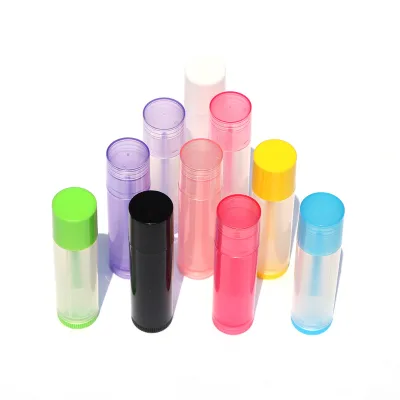
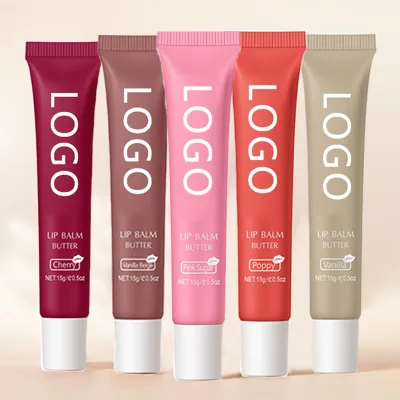


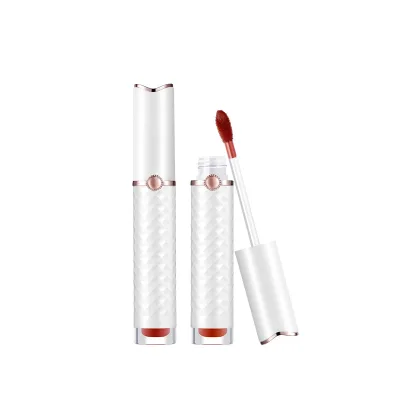


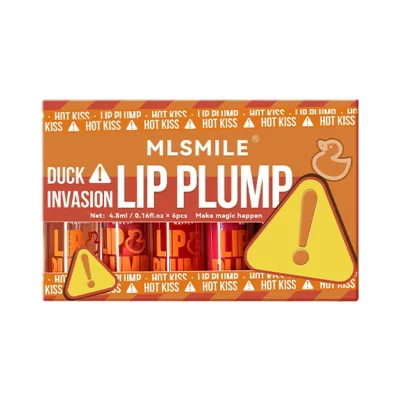
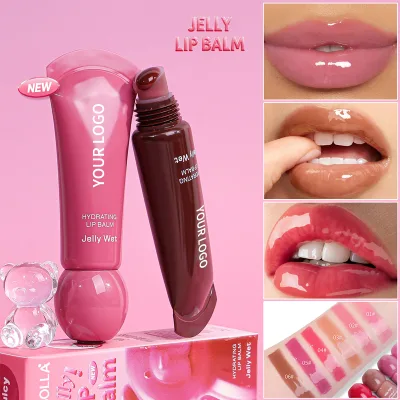
Comprehensive Sourcing Guide
Strategic Sourcing Guide for Waterproof Mineral Lip Balm Procurement
Navigating the global market for Waterproof Mineral Lip Balm requires a disciplined approach that balances functional performance with regulatory compliance and supply chain reliability. For procurement professionals, the core keyword "Waterproof Mineral Lip Balm" signals a specific intersection of ingredients and performance claims. The product category is defined by the use of mineral-based ingredients to provide hydration while maintaining structural integrity against water exposure. This guide synthesizes available product attributes and industry standards to provide a framework for evaluating potential suppliers and defining technical requirements without relying on unverified marketing claims.
Defining Technical Specifications and Formulation Attributes
The technical definition of a Waterproof Mineral Lip Balm hinges on the specific formulation of the base and the intended physical state of the product. Based on observed market data, the "mineral" attribute often refers to the inclusion of mineral-derived components, which are distinct from purely botanical or synthetic alternatives. Buyers must verify the exact ingredient list, as the term "mineral" can be interpreted differently across jurisdictions. In the observed product landscape, formulations vary significantly in their physical form. While the primary expectation for a lip balm is a solid stick, the market data indicates the existence of liquid and cream variants under similar categorization.
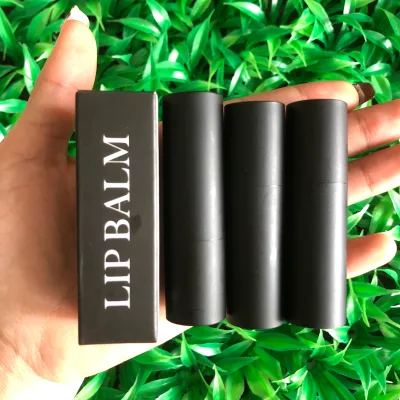
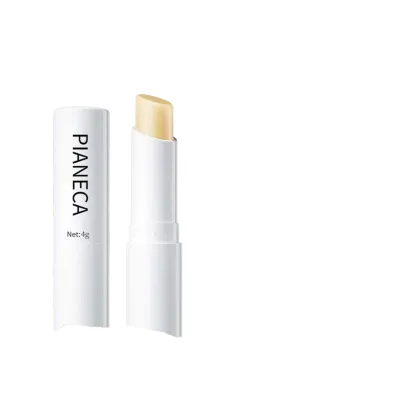
When evaluating technical specifications, the physical form is a critical differentiator. A standard "Stick" form, typically weighing around 4 grams, offers the most traditional application method and is often associated with the "plant extracts pure natural" characteristic. However, suppliers also list "Liquid" and "Cream" forms, which may require different packaging solutions and application techniques. The weight of the product is another variable; observed data shows net weights ranging from 4 grams to 20 grams. This variance directly impacts the unit price and the shipping logistics for bulk orders.
The "waterproof" claim is a functional requirement that must be validated through performance testing rather than assumed from the product title. In the observed data, "Waterproof" is listed as a primary feature, sometimes paired with "Sunscreen" capabilities. This suggests a formulation designed to resist moisture and potentially offer UV protection. However, the presence of "Sunscreen" as a feature does not automatically imply a specific SPF rating unless explicitly stated in the technical data sheet. Procurement teams should request specific test results regarding water resistance duration and film integrity to ensure the product meets the operational needs of the end-user.
Compliance, Certification, and Regulatory Verification
Regulatory compliance is the cornerstone of safe procurement in the cosmetics and personal care sector. While the product listings frequently mention "MSDS" (Material Safety Data Sheet) as a certification, this document serves as a safety guide for handling and transporting the chemical composition rather than a product approval certificate. Buyers must distinguish between the availability of an MSDS and the actual regulatory clearance required for the target market. For instance, the presence of an MSDS indicates that the supplier has documented the chemical hazards, but it does not guarantee that the product is approved for sale in the European Union, the United States, or other specific regions.
The "Organic Nature" and "Plant Extracts" attributes often trigger additional scrutiny regarding organic certification standards. A product labeled as "Organic Lip Balm" or "Organic Nature" may require verification against recognized standards such as USDA Organic, COSMOS, or Ecocert. The provided data does not confirm specific organic certification bodies, so buyers must treat the "Organic" claim as a marketing attribute that requires independent verification. Similarly, the "CE" certification mentioned in background notes is a low-confidence fact and should not be assumed to apply to the specific lip balm products without direct confirmation from the supplier.
Procurement teams should prioritize suppliers who can provide a full dossier of compliance documents, including the MSDS, but also expand their verification to include local regulatory requirements. For products originating from China, such as those listed with origins in Guangdong or Anhui, understanding the specific export regulations and the destination country's cosmetic regulations is essential. The "Mineral" ingredient classification may also require specific safety assessments depending on the particle size and purity, particularly if the product is marketed for sensitive skin or children.
Cost Drivers and Pricing Structure Analysis
Understanding the cost structure of Waterproof Mineral Lip Balm is vital for budgeting and margin analysis. The observed price range in the market spans from $0.03 to $4.02 per unit, a wide variance that reflects differences in formulation complexity, packaging, and order volume. The primary cost drivers include the raw material quality, specifically the source of the mineral ingredients and the purity of the plant extracts. Products claiming "pure natural" or "organic" status typically command a higher price point due to the cost of sourcing certified raw materials.
Packaging is another significant factor influencing the final cost. The observed single package sizes vary from 12x1.5x1.5 cm to 8x3x2 cm, and even 7.5x2x2 cm. These dimensional differences affect the volume of material required for the outer box and the efficiency of pallet loading. The "Single gross weight" is consistently noted around 0.05 kg, but variations in the net weight (4g vs. 20g) will alter the density and shipping costs. Buyers must calculate the landed cost, which includes the unit price, packaging, and freight, rather than focusing solely on the ex-works price.
Minimum Order Quantity (MOQ) is a critical constraint that impacts the unit economics. The observed MOQ ranges from 2 units to 20,000 units, with a specific listing noting an MOQ of 50 pieces. Lower MOQs are often associated with higher per-unit costs but offer flexibility for new product launches or testing. Conversely, high-volume orders can drive down the unit price significantly, but they require a larger upfront capital investment. The "Selling Units" are typically listed as "Single item," which simplifies the ordering process but requires careful aggregation for bulk shipping.
Supplier Evaluation and Manufacturing Capabilities
Evaluating suppliers for Waterproof Mineral Lip Balm requires a deep dive into their manufacturing capabilities and service models. The market data indicates a strong prevalence of OEM (Original Equipment Manufacturer) and ODM (Original Design Manufacturer) services. Many suppliers offer "Private Label Service" and "Customized Private Logo" options, allowing buyers to create unique brand identities. The "Logo" attribute is flexible, with options for "Silk Screen Printing" and "silicone printing," which suggests a range of customization techniques available to the buyer.
The "Place of Origin" is a key indicator of the supply chain's geography. Products are listed as originating from Guangdong and Anhui, both major manufacturing hubs in China. Guangdong is known for its extensive cosmetic manufacturing infrastructure, while Anhui represents a growing sector for natural and organic product production. Buyers should verify the specific factory location to assess the logistics lead time and the potential for site audits. The "Model Number" (e.g., X306, LB001, LB47) serves as a unique identifier for specific product formulations, allowing for precise communication with the supplier.
Service capabilities extend beyond manufacturing to include sample availability. The data confirms that samples are "Available" or "Avialable" (noting the typo in the source, but the intent is clear). This is a crucial step in the procurement process, allowing buyers to verify the "Waterproof" claim and the texture of the product before committing to a large order. The "Sample" attribute should be treated as a standard part of the supplier evaluation, ensuring that the product meets the buyer's quality expectations before mass production begins.
Quality Control and Performance Verification
Quality control in the lip balm industry must address both the physical stability of the product and the consistency of its performance claims. The "Waterproof" feature is a performance claim that requires rigorous testing. Buyers should not rely solely on the supplier's assertion but should request third-party test reports that demonstrate the product's resistance to water immersion or sweat. The "Sunscreen" feature, if claimed, should be backed by SPF testing results to ensure the product provides the advertised level of UV protection.
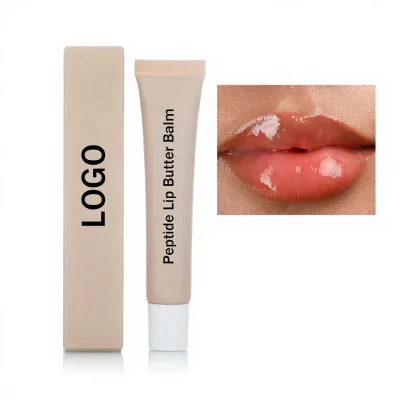
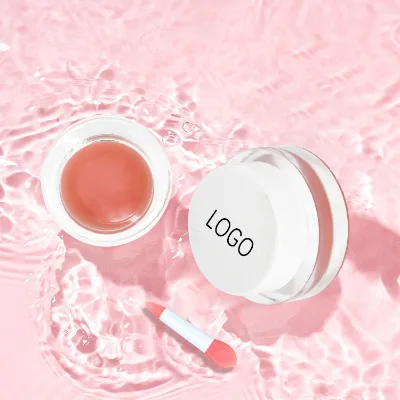
The "Form" of the product—whether Stick, Liquid, or Cream—impacts the quality control process. Stick formulations must be tested for melting points and structural integrity to ensure they do not deform in hot climates. Liquid and cream formulations require stability testing to prevent separation or changes in viscosity over time. The "Color" options, ranging from "one color" to a specific palette of ten colors (#1 through #10), add another layer of complexity to quality control. Buyers must ensure that the color consistency is maintained across batches, especially when customizing the product for a specific brand.
The "Net Weight" and "Gross Weight" are also critical quality metrics. Deviations from the specified weight can indicate filling errors or packaging inconsistencies. The observed data shows a net weight of 4g for stick products and 20g for others, with a consistent gross weight of 0.05 kg. Procurement teams should establish tolerance limits for these weights in their quality agreements to ensure that customers receive the expected product volume. The "Advantage" of "Long lasting" and "Waterproof" should be validated through consumer testing or laboratory simulations to confirm the product's durability.
Long-Term Procurement and Market Considerations
Sourcing Waterproof Mineral Lip Balm is not just a one-time transaction but a long-term partnership that requires strategic planning. The "Gender" attribute is listed as "Female," which suggests a target demographic, but the "Suit for: Any occasions" claim indicates a broader potential market. Buyers should consider the versatility of the product in different usage scenarios, from daily wear to outdoor activities where water resistance is critical. The "Flavor" attribute, such as "vanilla," adds a sensory dimension that can influence repeat purchases and brand loyalty.
The "Brand Name" is consistently listed as "OEM" or "OEM ODM," highlighting the private label nature of the market. This means that the supplier's reputation is less important than the buyer's ability to build their own brand identity. The "Service" of "OEM ODM Private Label Service" allows for significant customization, from the product formulation to the packaging design. Buyers should plan for a phased approach to procurement, starting with small sample orders and scaling up as the product gains market traction.
Finally, the "Place of Origin" and the associated logistics must be factored into the long-term strategy. Products from Guangdong and Anhui offer access to a robust supply chain, but buyers must monitor geopolitical and trade factors that could impact lead times and costs. The "Model Number" system allows for product line expansion, enabling buyers to introduce variations of the core Waterproof Mineral Lip Balm formula without disrupting the supply chain. By focusing on these long-term considerations, buyers can build a resilient and scalable sourcing strategy for Waterproof Mineral Lip Balm.
Comparative Analysis of Product Variants
To assist in decision-making, the following table summarizes the key differences observed in the product listings, focusing on form, weight, and packaging dimensions. This comparison helps buyers align their specific needs with the available product specifications.
| Feature | Variant A (Stick) | Variant B (Liquid/Cream) | Variant C (Standard) |
|---|---|---|---|
| Form | Stick | Liquid / Cream | Stick / Cream |
| Net Weight | 4 G | 20 G | Variable |
| Package Size | 12x1.5x1.5 cm | 8x3x2 cm | 7.5x2x2 cm |
| Gross Weight | 0.05 kg | 0.050 kg | 0.015 kg |
| Key Features | Waterproof, Plant Extracts | Waterproof, Sunscreen | Waterproof, Long Lasting |
| MOQ | 50 pcs | Variable | Variable |
| Origin | Guangdong, China | Anhui, China | Variable |
This table highlights the diversity within the "Waterproof Mineral Lip Balm" category. Buyers must carefully match these specifications to their brand requirements, ensuring that the physical form and weight align with their packaging and distribution strategies. The variation in package sizes and weights directly impacts the logistics and cost structure, making this comparison a vital tool for strategic sourcing.
FAQs
What certifications are available for Waterproof Mineral Lip Balm?
MSDS certification is available for these products. This document provides safety data for handling and transport but does not guarantee regulatory approval for specific markets like the EU or US.
Which forms of Waterproof Mineral Lip Balm are offered?
The product is available in stick, liquid, and cream forms. Stick variants typically weigh 4 grams, while other forms may reach 20 grams, requiring different packaging and application methods.
Can I customize the logo on the Waterproof Mineral Lip Balm?
Yes, customer logos are acceptable with options for silk screen or silicone printing. Suppliers offer OEM and ODM private label services to create unique brand identities for your products.
What is the minimum order quantity for Waterproof Mineral Lip Balm?
The minimum order quantity ranges from 2 to 20,000 pieces depending on the supplier. One specific listing requires 50 pieces, while others allow smaller trial orders for new buyers.
Where are the Waterproof Mineral Lip Balm products manufactured?
Products originate from manufacturing hubs in Guangdong and Anhui, China. These locations are known for cosmetic production, though specific factory audits are recommended to verify supply chain reliability.
How long does the Waterproof Mineral Lip Balm last?
The product is described as long-lasting and waterproof with potential sunscreen features. Buyers should request third-party test results to verify water resistance duration and film integrity claims.