Source Waterproof Mineral Eyeshadow Palette for daily, party, and stage looks
Compare 30 Waterproof Mineral Eyeshadow Palette options from verified Chinese manufacturers. Buyers can evaluate certifications like ISO and FDA, packaging types, and customization features for diverse skin tones and makeup finishes.
Key considerations
Products List


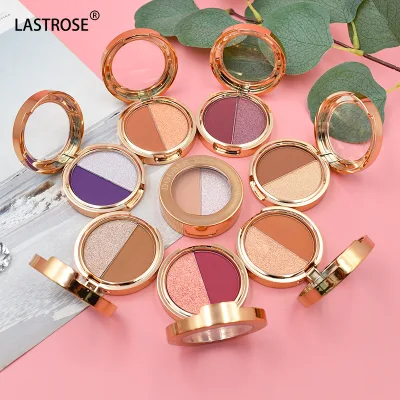

Make up Eye Shadow Makeup Professional Waterproof Eyeshadow Plastic Palette
$0.18 - $2.35
MOQ: 10000 Pieces


Eyeshadow Palette Packing 10 Pans Eyeshadow Compact Custom Private Label
$0.18 - $0.58
MOQ: 10000 Pieces




Comprehensive Sourcing Guide
Strategic Sourcing Guide for Waterproof Mineral Eyeshadow Palettes
Understanding Technical Specifications and Formulation
When sourcing a Waterproof Mineral Eyeshadow Palette, the primary objective is to verify that the product meets rigorous performance standards while adhering to the specific physical attributes observed in the market. The core product category is defined as "Eye Shadow" with a specific "Dry" form and "Powder" texture. A critical technical differentiator for this category is the "Mineral" main ingredient, which distinguishes these palettes from conventional synthetic formulations. Buyers must ensure that the "Main Ingredient" is explicitly listed as mineral-based to align with the "mineral ingredients" standard observed in high-quality listings.
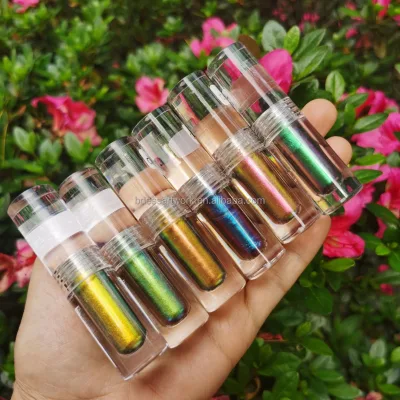
The functional performance of the palette is paramount. The product must possess "Waterproof" capabilities, a feature that is consistently highlighted in the product attributes as "Waterproof" and "high pigment." This dual requirement ensures that the makeup remains intact under various conditions while delivering intense color payoff. The visual finish of the eyeshadow is equally important, with observed finishes including "Shimmer," "Glitter," "Matte," and "Natural." Specifically, the "Product Name" often references "multichrome glitter Eyeshadow," indicating a specialized finish that shifts color based on lighting angles. The "Color" attribute is typically "Multi-Colored," offering a palette of options rather than a single shade.
Packaging specifications vary but generally adhere to a "Paper Box" or "Cardboard" structure. The standard net weight for individual colors is often cited as "net wt 1.5g/color," though some variations exist with a "net wt 8g" total or specific single-unit weights like "3.5g." The packaging material is consistently identified as "Cardboard" or a combination of "Cardboard/Plastic," ensuring durability during transit. The "Single package size" is a variable metric that buyers must confirm, as it is listed generically as "XX cm" in some contexts, requiring direct supplier verification for logistics planning.
Compliance and Certification Verification
In the B2B cosmetics sector, compliance is not merely a regulatory formality but a fundamental requirement for market access and consumer trust. When evaluating suppliers for waterproof mineral eyeshadow, buyers must rigorously audit the certification portfolio. The observed high-confidence facts indicate a strong presence of international standards, specifically "GMPC," "ISO," "MSDS," "FDA," and "GMP." A compliant supplier should be able to provide documentation for all these certifications, as they appear repeatedly across different product models.
The "MSDS" (Material Safety Data Sheet) is essential for understanding the chemical composition and handling requirements, particularly given the "Chemical" ingredient classification noted in some product descriptions. While the main ingredient is mineral, the presence of chemical additives for texture and binding is common. The "ISO" and "GMP" (Good Manufacturing Practice) certifications confirm that the manufacturing facility adheres to strict hygiene and quality control protocols. "GMPC" (Good Manufacturing Practice for Cosmetics) further validates the safety of the production environment.
Buyers should also verify the "prod_standard" which often cites "mineral ingredients" as a baseline quality metric. For export markets, the "FDA" certification is a critical indicator of compliance with United States Food and Drug Administration regulations, although specific registration numbers should be requested. The "place of origin" is consistently listed as "China," with specific mentions of "Henan, China" as a production hub. This geographical data is useful for supply chain mapping but does not inherently dictate quality; the certifications remain the primary indicator of compliance.
Cost Drivers and Pricing Dynamics
The pricing structure for waterproof mineral eyeshadow palettes is influenced by several variables, including customization, packaging, and order volume. The observed listed price range in the market spans from $0.15 to $30.00 USD. This wide disparity is not indicative of quality variance alone but reflects differences in unit specifications, such as the number of colors included, the weight of the product, and the level of customization.
A significant cost driver is the "Customization" option. Suppliers offering "Silk Screen Printing," "Transfer Sticker," "Labeling," "Digital Printing," "silicone printing," "Heat-Transfer Printing," and "Laser Printing" will command higher unit costs. These services allow brands to create unique packaging and branding, which is essential for private label operations. The "Logo/graphic design" capabilities are extensive, but each additional printing method adds to the production cost.
The "MOQ" (Minimum Order Quantity) is another critical factor affecting the per-unit price. The observed MOQ range is extensive, spanning from 1 to 12,000 units. Suppliers with lower MOQs, such as those accepting "Small Orders," may charge a premium per unit due to the overhead of handling smaller batches. Conversely, bulk orders approaching the 12,000-unit threshold typically benefit from economies of scale, resulting in lower per-unit costs. The "Advantage" of accepting small orders is a key selling point for startups, but buyers must weigh this against the higher unit price.
Typical Applications and Target Markets
The versatility of waterproof mineral eyeshadow palettes makes them suitable for a diverse range of applications and consumer demographics. The "Function" is broadly categorized as "Beautify Eyes Makeup," but the specific attributes suggest usage in both professional and everyday contexts. The "Suit for" attribute explicitly includes "Daliy Life," indicating that these products are designed for routine wear, not just special occasions.
The "skin tone" compatibility is a crucial consideration for global distribution. The product is formulated to suit a wide spectrum of complexions, including "Dark," "Deep," "MEDIUM DARK," "Fair," "Medium," and "Light." This inclusivity is a significant market advantage, allowing brands to target a global audience without needing to develop separate product lines for different demographics. The "Multi-Colored" nature of the palette further enhances its utility, providing a comprehensive range of shades for various eye makeup styles.
The "Scent" attribute is noted as "Fragrance Free," which is a significant benefit for consumers with sensitive skin or those who prefer unscented cosmetics. This feature aligns with the "Mineral" ingredient profile, which is often marketed as being gentler on the skin. The "Shelf Life" of 36 months and "Pao" (Period After Opening) of 12 months provide a clear timeline for inventory management and retail display, ensuring that products remain fresh and effective throughout their lifecycle.
Supplier Evaluation and Operational Capabilities
Evaluating a supplier requires a holistic view of their operational capabilities, beyond just product specifications. The "Delivery time" is a critical metric, with an observed range of 7-12 working days. This lead time should be factored into the supply chain planning to ensure timely inventory replenishment. Buyers must verify if this timeframe applies to both sample production and bulk manufacturing, as lead times can vary significantly between the two.
The "Service" level is another key differentiator. Suppliers offering "24 Hours Online Service" demonstrate a commitment to responsiveness and support, which is vital for resolving issues related to order tracking, quality disputes, or customization requests. The "Quality" attribute is described as "high quality," but this is a subjective claim that must be validated through sample testing and reference checks.
When assessing suppliers, buyers should look for consistency in the "prod_model" numbers, such as M-86, M-84, M-103, M-41, and M-23. These model numbers often correspond to specific product configurations, packaging sizes, or ingredient blends. A supplier with a diverse range of models indicates a robust production line capable of meeting varied client needs. Additionally, the "Packaging" details, such as "Paper Box/Inner Carton/Master Carton," suggest a structured approach to logistics that minimizes damage during shipping.
Quality Control and Long-Term Procurement Strategy
Implementing a robust quality control (QC) strategy is essential for maintaining brand integrity. Given the "Waterproof" and "high pigment" claims, buyers should request independent test results to verify these performance attributes. The "feature" of being waterproof and high pigment should be tested under simulated conditions to ensure the product performs as advertised. The "Single color/multi-color" configuration should also be verified to ensure that the color distribution and intensity are consistent across all units in a batch.
Long-term procurement considerations involve building a sustainable relationship with the supplier. The "Customization" capabilities should be evaluated for scalability. As the brand grows, the ability to maintain consistent quality while increasing order volumes is crucial. The "Advantage" of accepting small orders is beneficial for initial market entry, but the supplier must also demonstrate the capacity to handle larger volumes without compromising on the "GMPC," "ISO," or "GMP" standards.
Buyers should also consider the "Product Name" and "Keywords" such as "convenient," "high pigment," and "waterproof" in their marketing strategy. These attributes should be accurately reflected in the product listings to manage customer expectations. The "net wt" specifications must be precise to avoid regulatory issues in different markets. Finally, the "place of origin" being China is a common source for these products, but the specific certifications and quality control measures are what ultimately determine the success of the procurement partnership. By focusing on these evidence-based criteria, buyers can secure a reliable supply of high-quality waterproof mineral eyeshadow palettes.
FAQs
What certifications do waterproof mineral eyeshadow palettes typically hold?
These palettes commonly hold GMPC, ISO, MSDS, FDA, and GMP certifications. Buyers should verify that the supplier provides documentation for all listed standards to ensure compliance with international safety and manufacturing protocols.
How is the packaging structured for these mineral eyeshadow products?
Packaging typically uses cardboard or paper boxes, sometimes combined with plastic. Standard configurations include paper boxes, inner cartons, and master cartons to ensure durability during transit and storage.
Can suppliers customize the logo and graphic design on these palettes?
Yes, customization is available with options like silk screen printing, laser printing, and heat-transfer printing. Buyers can request specific branding methods to create unique packaging for their private label products.
What is the shelf life and period after opening for these products?
The shelf life is 36 months, while the period after opening is 12 months. This timeline helps buyers plan inventory management and ensures the product remains effective for consumers throughout its lifecycle.
Which skin tones are suitable for these multi-colored mineral eyeshadows?
These products are formulated to suit dark, deep, medium dark, fair, medium, and light skin tones. The inclusive color range allows brands to target a diverse global audience without needing separate product lines.
What is the typical delivery time for orders of these eyeshadow palettes?
The delivery time ranges from 7 to 12 working days. Buyers should factor this lead time into their supply chain planning to ensure timely inventory replenishment for their retail operations.