Source Waterproof Moisturizing Lipstick for lips, face, and daily makeup
Explore 30 options for Waterproof Moisturizing Lipstick suitable for lips, cheeks, and face. Buyers can compare customization, certifications, and packaging to find the right supplier for private label needs.
Key considerations
Products List

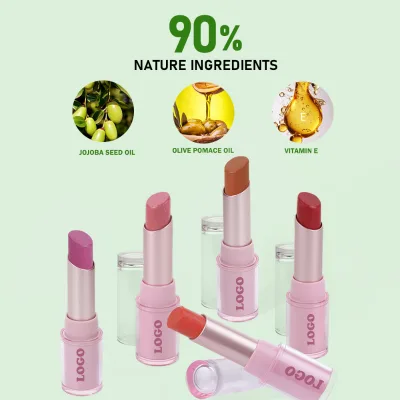
Hot Sale Lipstick Lasting Moisturizing Waterproof Moisturizing Fashion Charm Lipstick
$0.80 - $0.82
MOQ: 50 Pieces


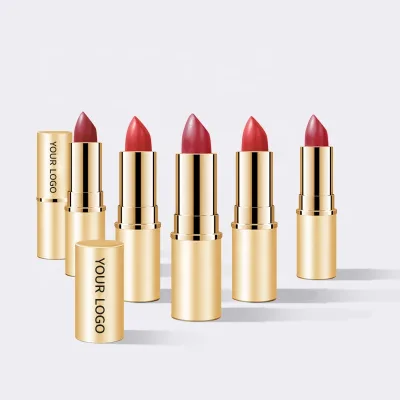
Manufacturer Waterproof Longlasting Matte Moisture Smooth Color Beauty Lipstick
$1.50 - $3.00
MOQ: 12000 Pieces

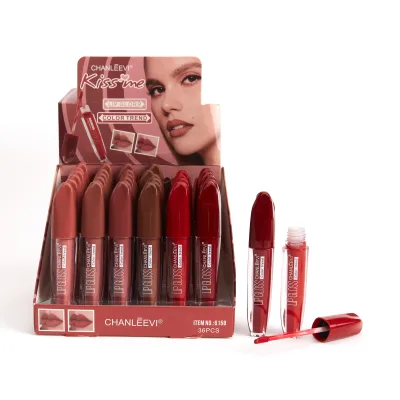
Professional OEM Private Brand Matte Moisturizing and Smooth Color Lipstick
$1.50 - $3.00
MOQ: 12000 Pieces




Comprehensive Sourcing Guide
Strategic Sourcing Guide for Waterproof Moisturizing Lipstick Procurement
Technical Specifications and Product Formulation Analysis
When sourcing Waterproof Moisturizing Lipstick, the buyer must first navigate a complex landscape of product forms and ingredient profiles. The market data indicates a divergence in physical states, with products appearing in both stick and liquid forms. This distinction is critical for formulation stability and application method. Stick forms are traditionally associated with solid wax bases, while liquid variants often rely on polymer networks to achieve the waterproof claim without the need for a traditional stick applicator. The observed product attributes highlight a specific focus on moisturizing properties, often derived from chemical or mineral-based ingredients. Buyers should verify whether the "Chemical" or "Mineral" designation refers to the primary active moisturizing agents or the base matrix, as this impacts the texture and longevity on the lips.
The weight specifications provide a clear indicator of product volume and density. Standardized weights observed in the supply chain include 30g, 9g, 3.8g, and 2.5g. The 3.8g specification is frequently linked to models designed for daily makeup use, suggesting a standard consumer size. Conversely, the 2.5g and 30g variants may indicate travel-sized products or bulk industrial formulations, respectively. The packaging material is predominantly plastic, which is essential for maintaining the structural integrity of the lipstick stick or the pump mechanism for liquid glosses. The single package size of 6x6x4.5 cm is a common dimension for retail-ready units, influencing logistics planning and shelf-space allocation.
| Attribute Category | Observed Variations | Procurement Implication |
|---|---|---|
| Form | Stick, Liquid, Balm | Determines applicator type and dispensing mechanism. |
| Weight | 2.5g, 3.8g, 9g, 30g | Affects unit price calculation and shipping volume. |
| Packaging | Plastic, Carton, Box, Color Box | Impacts protection levels and retail presentation. |
| Color | Multi-Colored, Specific Shades (e.g., 22#, 21#) | Requires verification of color consistency across batches. |
| Shelf Life | 12 Months, 36 Months, 3 Years | Dictates inventory turnover rates and storage conditions. |
Compliance, Certification, and Regulatory Standards
In the cosmetics sector, particularly for products claiming waterproof and moisturizing benefits, regulatory compliance is non-negotiable. The available data confirms the presence of several key certifications, including ISO, GMPC, GMP, and MSDS. The ISO certification suggests adherence to international management system standards, which is vital for supply chain consistency. GMPC (Good Manufacturing Practice for Cosmetics) and GMP (Good Manufacturing Practice) are critical indicators that the manufacturing facility follows strict hygiene and quality control protocols. These certifications are particularly important for products intended for use on sensitive areas like the lips.
The MSDS (Material Safety Data Sheet) is a mandatory document that outlines the hazards associated with the chemical ingredients. For a product labeled as "Chemical" based, the MSDS must be reviewed to ensure that all components are compliant with the destination market's regulations. The data also lists specific product standards such as "30g" and "9g," which serve as internal quality benchmarks for weight consistency. Buyers must verify that the supplier's production line is certified to maintain these specific weight tolerances. Furthermore, the presence of a "3 Year" or "36 Month" shelf life claim requires robust stability testing data to validate that the waterproof and moisturizing properties do not degrade over time.
Cost Drivers and Economic Factors
The pricing structure for Waterproof Moisturizing Lipstick is influenced by a combination of customization, volume, and formulation complexity. The observed price range spans from $0.32 to $8.66 USD, a significant variance that reflects differences in ingredient quality, packaging sophistication, and order volume. The lower end of the spectrum likely corresponds to basic formulations with standard packaging, while the higher end may include premium mineral ingredients, custom color matching, or specialized waterproof technology.
The Minimum Order Quantity (MOQ) is a primary driver of unit cost. The data reveals an MOQ range from 50 pieces to 12,000 pieces. Suppliers offering an MOQ of 50 pieces often cater to startups or brands testing the market, but this typically comes with a higher per-unit cost. Conversely, orders approaching the 12,000-piece threshold usually unlock significant economies of scale, bringing the unit price closer to the lower observed range. The "Private Logo" and "Custom Logo" capabilities are value-added services that can increase costs. While some suppliers offer private labeling with small orders, the cost implication must be weighed against the brand's marketing budget. The "Condition: 100% new" attribute ensures that buyers are not purchasing refurbished or expired stock, which is a baseline expectation but worth confirming in the contract.
Typical Applications and Market Positioning
Waterproof moisturizing lipsticks are designed for specific use cases that demand durability and comfort. The primary application is for lips, with secondary suitability for cheek and face makeup in some multi-use formulations. The "Daily Makeup" and "Common Life Makeup" tags indicate that these products are positioned for everyday wear rather than high-fashion or theatrical applications. The "Rich & Dazzling High-Shine Sparkling" description suggests a subset of products that prioritize aesthetic finish alongside functional waterproofing.
The "Travel Size" specification highlights a niche market for portable cosmetics. Products weighing 2.5g or 3.8g are ideal for inclusion in travel kits or as promotional items. The "Non-Disposable" attribute is crucial; it implies that the packaging is designed for reuse or that the product itself is a durable good, distinguishing it from single-use sample products. The "Silk Screen Printing" method for logos indicates a specific branding technique that affects the final look of the packaging. Buyers targeting the "Private Logo with small order" segment should note that this service is explicitly available, allowing for brand differentiation even at lower volumes.
Supplier Evaluation and Verification Protocols
Evaluating a supplier for Waterproof Moisturizing Lipstick requires a rigorous check of their operational capabilities and documentation. The origin of the products is consistently listed as China, with a specific focus on Guangdong, a major hub for cosmetics manufacturing. This geographic concentration suggests a mature supply chain but also necessitates careful vetting to ensure quality consistency. The "OEM" and "ODM Private Label Service" capabilities indicate that suppliers are equipped to manufacture products under the buyer's brand or develop custom formulations.
When assessing a potential partner, the buyer should request evidence of the claimed certifications (ISO, GMPC, GMP, MSDS). It is not sufficient to rely on a supplier's verbal assurance; physical copies of the certificates should be reviewed for validity and expiration dates. The "Advantage: Private Logo with small order" claim should be tested with a sample order to verify the quality of the printing and the accuracy of the logo placement. Additionally, the "Customization: Available" and "Customized: Non-Customized" attributes present a contradiction that must be clarified. The buyer must explicitly define the scope of customization required, such as color, scent, or packaging design, to avoid miscommunication.
Quality Control and Performance Verification
Quality control for waterproof lipsticks extends beyond visual inspection to include performance testing. The "Waterproof" attribute is a functional claim that must be validated. Buyers should request test results demonstrating the product's resistance to water, sweat, and friction. The "Shelf Life" of 12 to 36 months requires stability testing under various temperature and humidity conditions to ensure the product does not separate, discolor, or lose its moisturizing properties.
The "Net Weight" of 2.5g or 3.8g must be verified against the "Single Gross Weight" of 0.2 kg to ensure accurate shipping calculations and compliance with labeling laws. The "Color" attributes, ranging from specific shade numbers like 22# and 21# to general "Multi-Colored" descriptions, require batch-to-batch consistency checks. The "Single package size" of 6x6x4.5 cm is a critical dimension for palletization and container loading efficiency. Any deviation from these specifications can lead to increased shipping costs or retail shelving issues.
Long-Term Procurement Considerations
Sourcing Waterproof Moisturizing Lipstick is a long-term strategic decision that involves balancing cost, quality, and supply chain resilience. The "Service: OEM ODM Private Label Service" suggests that suppliers are capable of evolving with the buyer's brand needs. However, the buyer must consider the lead times associated with customization. While the data does not specify exact lead times, the complexity of private labeling and the need for certification verification imply a longer production cycle compared to off-the-shelf products.
The "Disposable: Non-Disposable" nature of the product means that the packaging is a long-term asset. Buyers should evaluate the durability of the plastic packaging to ensure it withstands repeated use without cracking or leaking. The "Advantage: Private Logo" feature is a competitive differentiator that can be leveraged for brand loyalty. As the market evolves, the ability to adapt the product formulation, such as switching from chemical to mineral ingredients, will be a key factor in maintaining product relevance. Finally, the "Condition: 100% new" assurance must be upheld throughout the contract period to protect the brand's reputation for quality and freshness.
FAQs
What certifications do Waterproof Moisturizing Lipstick suppliers typically hold?
Suppliers typically hold ISO, GMPC, GMP, and MSDS certifications. These credentials verify adherence to international management standards and strict hygiene protocols required for cosmetic manufacturing, ensuring product safety and quality consistency for buyers.
Which product forms are available for Waterproof Moisturizing Lipstick?
Available forms include stick, liquid, and balm variants. The physical state determines the applicator type and dispensing mechanism, with stick forms using wax bases and liquid variants relying on polymer networks to achieve waterproof claims.
How does the minimum order quantity affect the unit price?
The minimum order quantity ranges from 50 to 12,000 pieces, directly influencing the unit cost. Lower MOQs like 50 pieces cater to startups but carry higher per-unit costs, while larger orders unlock significant economies of scale.
Can buyers request private logo customization for small orders?
Yes, private logo customization is available for small orders. Suppliers offer OEM and ODM services with silk screen printing, allowing brands to differentiate their products even when ordering quantities as low as 50 pieces.
What are the standard weight specifications for these lipsticks?
Standard weights observed include 2.5g, 3.8g, 9g, and 30g. The 3.8g size is common for daily makeup, while 2.5g and 30g variants often indicate travel sizes or bulk industrial formulations depending on the specific product model.
Where are these waterproof moisturizing lipsticks primarily manufactured?
Products are primarily manufactured in Guangdong, China. This region is a major hub for cosmetics manufacturing, offering a mature supply chain but requiring careful vetting to ensure consistent quality across different production batches.