Source Waterproof PE Car Plastic Cover for garage, workshop, and outdoor use
Find 30 listings for a Waterproof PE Car Plastic Cover designed for temporary protection in garages, workshops, and outdoor settings. Buyers can compare specifications, materials, and customization options from verified Chinese suppliers.
Key considerations
Products List
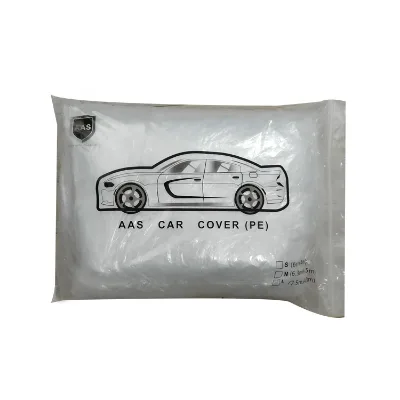


Outdoor Car Body Covers Universal Size Waterproof Dustproof Cover for Car
$9.80 - $13.50
MOQ: 500 Pieces

UV Protection Car Body Cover Protection Covers Universal Dustproof Waterproof
$7.60 - $10.60
MOQ: 500 Pieces


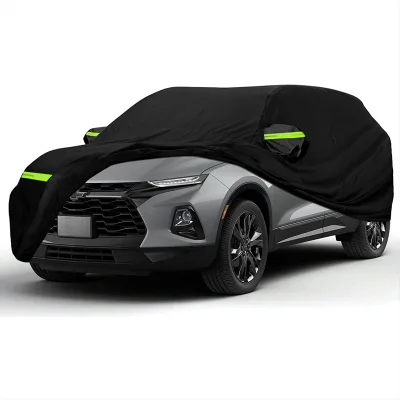
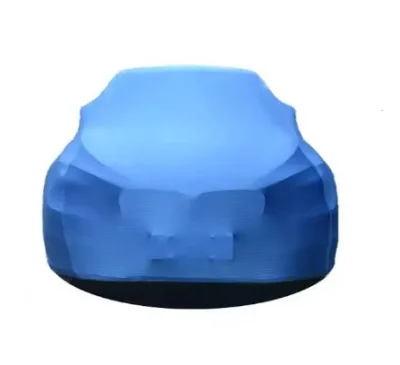


Heavy Duty 100% Water Proof and Dustproof Weather Protection Car Cover
$22.68 - $35.00
MOQ: 100 Pieces

All Weather Protection Elastic Car Cover Water-Proof UV-Proof Auto Cover
$65.00 - $70.00
MOQ: 100 Pieces

Breathable Poly Cotton Universal Fit Water-Proof Car Cover Outdoor Auto Cover
$41.00 - $43.00
MOQ: 100 Pieces


Car Cover Outdoor Cotton Hail Suppression Car Cover Waterproof Protective
$11.00 - $13.00
MOQ: 100 Pieces

Comprehensive Sourcing Guide
Strategic Sourcing Guide for Waterproof PE Car Plastic Covers
Understanding Material Composition and Functional Attributes
When sourcing a Waterproof PE Car Plastic Cover, the primary focus must be on the specific polymer composition and the resulting physical properties. The supplied product data indicates a distinct variation in material usage across different listings, with Polyethylene (PE) being a primary candidate for specific models. For instance, one observed product specification explicitly lists the material as PE, paired with a glossy finish and a weight of 300g per piece. This suggests that PE is a viable material for lightweight, temporary protection solutions. However, buyers must be vigilant, as other entries in the same category list materials such as Non-woven Fabric, Nylon, PVC & Non-Woven Fabric, PEVA & PP Cotton, and Polyester.
The core keyword "Waterproof PE Car Plastic Cover" implies a specific need for polyethylene-based protection. In the context of the provided facts, the PE material is associated with a function of being both dustproof and waterproof. This dual functionality is critical for garage or workshop environments where vehicles require protection from particulate matter and moisture. The observed size for a PE-based unit is listed as 4.5m*6.3m with a thickness of 15um, indicating a thin-film application suitable for temporary coverage rather than heavy-duty industrial shielding.
Buyers should note that while the keyword specifies PE, the market often presents mixed-material solutions. A product labeled with "PEVA & PP Cotton" or "PVC & Non-Woven Fabric" may offer enhanced durability or insulation properties compared to pure PE. The decision to source a pure PE cover versus a composite material depends on the specific environmental stressors the vehicle will face. Pure PE offers a cost-effective, transparent solution (as noted by the "clear" color attribute), whereas composite materials like those with PP cotton may provide better abrasion resistance or thermal insulation.
Technical Specifications and Dimensional Requirements
Technical specifications for waterproof car covers vary significantly based on the intended application and the manufacturer's design philosophy. The provided data reveals a wide range of dimensional and structural attributes. A key observation is the model number AAS101, which corresponds to a PE material with a single package size of 15x15x10 cm. This compact packaging suggests a foldable, portable design, likely intended for individual vehicle use in personal garages or small workshops.
In contrast, other models such as 201015IU and the HK-6060 series present different specifications. The 201015IU model is associated with a weight of 250g per square meter and a grey color, indicating a potentially more robust or opaque material composition compared to the clear PE option. The HK-6060 model utilizes a standard of "PVC+PP cotton," which implies a layered construction designed for superior protection against scratches and UV radiation.
The size attribute is another critical technical factor. One entry specifies a size of 4.5m*6.3m, which is a large dimension suitable for covering entire vehicles or small fleets. However, other listings refer to "Universal" sizing, which requires the buyer to verify the actual dimensions against their specific vehicle models. The "Suitable For" attribute notes a 95% universal fit, but this is a generalization that should be treated with caution. Buyers must confirm the exact length, width, and height coverage to ensure the cover fits the vehicle's profile without being too loose or too tight, which could lead to wind damage or inadequate coverage.
Furthermore, the thickness of the material is a crucial specification. The 15um thickness mentioned for the PE model is relatively thin, suitable for dust and water protection but potentially vulnerable to tearing if subjected to sharp objects or heavy wind. For applications requiring higher durability, buyers should investigate models with thicker gauges or composite layers, such as those incorporating PP cotton or non-woven fabrics.
Compliance, Certification, and Quality Standards
Compliance and certification are essential elements when procuring industrial or automotive accessories, particularly those used in professional settings. The supplied facts indicate that some suppliers hold ISO and CE certifications. For example, the ANMA brand product is listed with ISO and CE certifications, while another entry mentions ISO certification alone. These certifications suggest that the manufacturer adheres to specific international quality management systems and safety standards.
However, it is important to distinguish between the certifications held by specific models and the general category. Not every product listed in the search results carries these certifications. Buyers must verify the certification status of the specific model they intend to purchase. The presence of ISO certification generally indicates a commitment to consistent quality control processes, while CE marking suggests compliance with European health, safety, and environmental protection standards.
In addition to formal certifications, the "Export Standard" is mentioned as a product standard for certain models. This implies that the packaging and product quality meet the requirements for international shipping, which often involves stricter durability and presentation standards. Buyers should request documentation to confirm that the specific batch of covers meets these export standards, especially if the procurement is for a fleet or a commercial entity.
The "Customized service" attribute, which allows for size and package customization, also touches on compliance. Customization often requires the supplier to adjust their production lines, which can impact quality consistency. Buyers should ensure that the customized options do not compromise the material integrity or the waterproof properties of the cover. Additionally, the "Product Logo" customization option suggests that branding is available, which is useful for corporate fleets, but this should not come at the expense of the cover's functional performance.
Cost Drivers and Procurement Economics
The economics of sourcing waterproof PE car covers are influenced by several factors, including material costs, customization requirements, and order volume. The observed price range in the market is 0.07 to 70 USD, a vast disparity that reflects differences in material quality, size, and brand positioning. The lower end of the spectrum likely corresponds to basic PE covers with minimal features, while the higher end may include premium materials, larger sizes, or specialized certifications.
Minimum Order Quantity (MOQ) is another significant cost driver. The observed MOQ range spans from 10 to 20,000 pieces. For small businesses or individual buyers, an MOQ of 10 pieces is accessible, as indicated by the "Small Orders: Accepted" attribute. However, larger organizations may need to negotiate for bulk pricing, which could involve higher MOQs. The "Sample" attribute notes that standard sizes are available with a free charge, which is a valuable tool for buyers to evaluate quality before committing to a large order.
Packaging costs also play a role in the overall price. The data shows that products are packed in various ways, such as "50pcs/carton," "PVC Bag+Color Card," or "Cartons." The choice of packaging affects the unit cost and the logistics of shipping. Bulk packaging in cartons is generally more cost-effective for large orders, while individual packaging with color cards may be necessary for retail distribution or specific branding needs.
Buyers should also consider the "Customized service" costs. While size and package customization are available, these services often incur additional fees. The decision to customize should be weighed against the potential increase in unit cost and the lead time required for production adjustments.
Typical Applications and Usage Scenarios
The versatility of waterproof PE car covers makes them suitable for a wide range of applications. The primary usage is defined as "temporary protection for cars," with specific applications listed as "garage, workshop, etc." This indicates that the covers are designed for short-term storage or protection in controlled environments where the vehicle is not in active use.
The "dustproof" and "waterproof" functions are particularly relevant for vehicles stored in open-air workshops or garages with limited climate control. In these environments, covers protect against rain, snow, dust, and debris. The "UV Protection" function, noted in several product entries, adds value for vehicles stored outdoors or in areas with significant sunlight exposure, helping to prevent paint fading and interior degradation.
The "Universal" fit attribute suggests that these covers are designed to accommodate a broad spectrum of vehicle types, from compact cars to larger SUVs. However, the "95% Universal Car" claim implies that there may be exceptions, particularly for vehicles with unusual shapes or sizes. Buyers should verify the fit for specific vehicle models before purchasing in bulk.
In addition to personal use, these covers are suitable for commercial applications such as car dealerships, rental agencies, and fleet management. The ability to customize the product logo allows businesses to brand their vehicles or storage areas, enhancing corporate identity. The "Glossy" finish of some PE models may also be aesthetically pleasing, making them suitable for display vehicles in showrooms.
Supplier Evaluation and Quality Control Protocols
Evaluating suppliers for waterproof PE car covers requires a systematic approach to ensure quality and reliability. The supplied facts highlight several key attributes that buyers should use as evaluation criteria. First, the "Place of Origin" is listed as Hebei, China, and Ningbo, China. While these regions are known for manufacturing, buyers should verify the specific factory capabilities and reputation of the supplier.
Quality control should focus on the material integrity and functional performance. Buyers should request samples to test the waterproofing capabilities, UV resistance, and durability of the cover. The "Weight" and "Single gross weight" attributes provide a baseline for quality assessment; significant deviations from the stated weight may indicate material inconsistencies.
The "Certification" status is another critical factor. Suppliers with ISO and CE certifications are generally more reliable, as they have demonstrated adherence to international standards. However, buyers should verify the validity of these certifications and ensure they apply to the specific product being purchased.
Communication and service are also important. The "Customized service" and "Sample" attributes indicate that suppliers are willing to accommodate specific needs. Buyers should assess the responsiveness of the supplier and their ability to provide detailed technical information. The "Small Orders: Accepted" attribute suggests flexibility, which is beneficial for buyers who are testing the market or have variable demand.
Long-Term Procurement Considerations and Sustainability
Long-term procurement of waterproof PE car covers involves considerations beyond the initial purchase price. Buyers should evaluate the lifecycle of the product, including its durability and disposal. PE materials are generally recyclable, but the specific formulation and the presence of additives like PP cotton or PVC may affect recyclability. Buyers should inquire about the environmental impact of the materials and the supplier's sustainability practices.
The "Customized service" option allows for long-term branding and consistency. By customizing the size and package, buyers can ensure that their fleet or inventory is standardized, which simplifies storage and distribution. However, customization should be balanced against the potential for increased lead times and costs.
Supply chain stability is another long-term consideration. The "Lead time" is not explicitly provided in the facts, but buyers should request this information to plan their inventory effectively. Suppliers with a history of consistent production and reliable shipping are preferable for long-term contracts.
Finally, buyers should consider the potential for product evolution. As technology advances, new materials and coatings may offer improved performance. Staying informed about industry trends and maintaining a relationship with suppliers who invest in R&D can help buyers access the latest innovations in car cover technology. By focusing on these long-term factors, buyers can ensure a sustainable and cost-effective procurement strategy for waterproof PE car covers.
FAQs
What materials are used for waterproof PE car plastic covers?
The primary material is Polyethylene (PE), though some listings use Non-woven Fabric, Nylon, or PVC blends. Buyers must verify the specific material for each model as options vary from pure PE to composite fabrics like PVC with PP cotton for enhanced durability.
Can I customize the size and package for these covers?
Yes, size and package customization are available for many models. This service allows buyers to tailor dimensions to specific vehicle profiles or branding needs, though it may impact unit costs and production lead times compared to standard sizes.
What certifications do these car cover manufacturers hold?
Some suppliers hold ISO and CE certifications, while others list only ISO. These certifications indicate adherence to international quality management and safety standards, but buyers should verify the specific certification status for the exact model they intend to purchase.
How does the MOQ vary for these plastic car covers?
The Minimum Order Quantity ranges from 10 pieces to 20,000 pieces depending on the supplier and model. Small orders are accepted for testing, while bulk procurement typically involves higher volume thresholds to secure better pricing and logistics efficiency.
Where are these waterproof car covers manufactured?
Products originate from locations such as Hebei and Ningbo in China. Buyers should confirm the specific place of origin for their selected supplier, as regional manufacturing capabilities and logistics costs can vary significantly between these Chinese production hubs.
What are the typical dimensions for a universal fit cover?
Sizes vary, with one specific PE model listed at 4.5m by 6.3m with a 15um thickness. Other models use a universal fit designation, so buyers must confirm exact dimensions against their vehicle profile to ensure adequate coverage without wind damage.