Source Front Bumper with Apron for Trucks, Cars, and Repairs
Find and compare 30 Front Bumper with Apron options for truck and car applications. These new replacement parts are available in black, silver, and white, with customizable sizes and OEM support for efficient vehicle repair and maintenance.
Key considerations
Products List
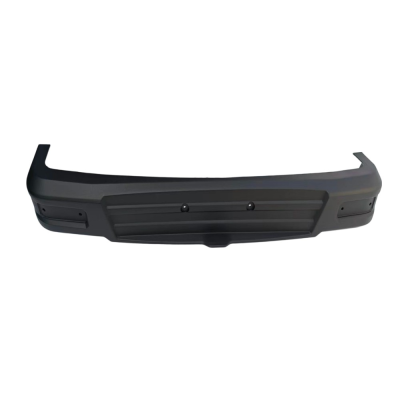
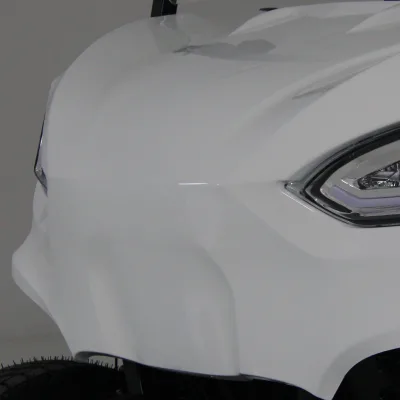
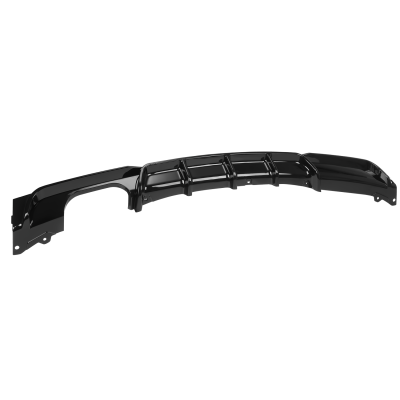
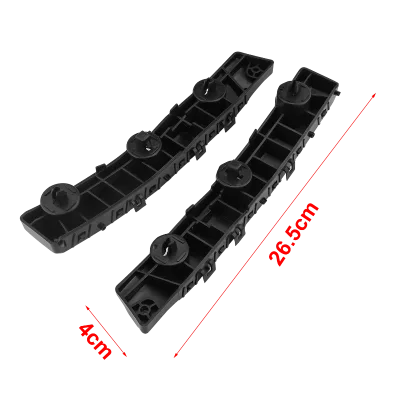


High-Quality & Durable Front Bumper Made in China with Competitive Price
$100.00 - $399.00
MOQ: 1 Pieces


Truck Bumper- Heavy Duty Steel Front Bumper with Hoop and D-Ring Mount
$205.00 - $425.00
MOQ: 1 Pieces


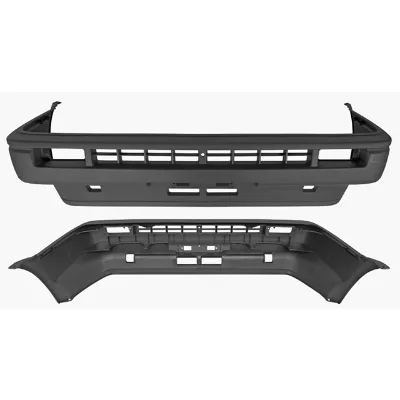


Comprehensive Sourcing Guide
Front Bumper with Apron Sourcing Guide
Sourcing a Front Bumper with Apron requires a clear understanding of the specific vehicle application and the structural role the component plays in both aesthetics and safety. The product landscape includes variations designed for trucks and passenger cars, where the apron serves as a critical lower fascia element that protects the undercarriage and improves aerodynamic flow. Buyers must distinguish between components intended for original equipment replacement versus those designed for aftermarket customization, as the fitment tolerances and material requirements differ significantly between these use cases.
The procurement process begins by identifying the exact model number and dimensional specifications required for the target vehicle, as the market offers a wide range of sizes and shapes. Observed listings indicate that components are available in specific configurations such as 1090mm in length, with widths and heights tailored to fit specific bumper assemblies. It is essential to verify whether the supplier provides the apron as a standalone unit or as part of a complete bumper assembly, ensuring that the "front bumper" designation aligns with the actual physical product being ordered to avoid fitment issues upon delivery.
Product Scope and Observed Listing Signals
The market for front bumpers with aprons presents a diverse range of product attributes, including materials that span from durable steel to lightweight plastic, each offering distinct advantages for different vehicle classes. Listings frequently highlight the condition as "New" and the purpose as "for replace/repair," indicating that the primary use case is restoring a vehicle to its original state or upgrading its appearance. Buyers should note that color options often include standard finishes like black and silver, though some suppliers offer customization to match specific vehicle paint codes or aftermarket styling preferences.
Commercial signals in the marketplace reveal significant variability in packaging and shipping parameters, which directly impacts logistics planning and cost estimation. Some suppliers list single gross weights as low as 0.004 kg for small accessories, while others handle heavy-duty components with weights up to 1.700 kg and package dimensions reaching 139x28x11 cm. The minimum order quantity (MOQ) can range from a single unit for sample acquisition to 1000 units for bulk production, requiring buyers to clarify their volume needs early in the negotiation to secure appropriate pricing tiers and shipping terms.
Technical Specifications to Verify
Verifying the physical dimensions and model compatibility is the most critical technical step before placing an order, as even minor deviations can render a bumper unusable. Buyers must cross-reference the supplier's provided model numbers, such as HS073 or TNN-057, against their vehicle's specific chassis requirements to ensure proper alignment. The standard dimensions observed in the market, such as a length of 1090mm with a width of 250mm and height of 155mm, serve as a baseline, but customization is often available to meet unique fitment needs, necessitating a detailed review of the technical drawings provided by the manufacturer.
Material composition and structural integrity are equally vital, as the apron must withstand road debris and environmental exposure without cracking or deforming. The product data indicates the availability of both steel and plastic materials, with steel often preferred for heavy-duty truck applications and plastic for passenger cars where weight reduction is a priority. Buyers should request detailed material specifications to confirm the grade of steel or the type of polymer used, ensuring that the component meets the durability standards required for the intended operating environment and that the finish is resistant to corrosion and UV degradation.
Compliance and Safety Documentation
Ensuring that the Front Bumper with Apron meets relevant safety and regulatory standards is a non-negotiable aspect of B2B procurement, particularly for components that affect vehicle safety systems. The market data confirms the presence of CE and ISO certifications among suppliers, which serve as indicators that the manufacturing processes adhere to specific quality and safety management protocols. Buyers should explicitly request copies of these certificates to verify that the supplier's quality management system is current and that the products have undergone the necessary testing procedures to meet international safety requirements.
Beyond general certifications, specific documentation regarding the product's compliance with local vehicle regulations is essential for market entry and legal operation. While some listings mention "1:10" standards or customizable specifications, buyers must confirm that the final product aligns with the specific regulatory framework of the destination country, including crashworthiness and pedestrian safety standards. It is advisable to require a declaration of conformity from the supplier that explicitly states the product's compliance with the applicable standards for the target market, ensuring that the imported bumpers do not face legal barriers or safety recalls.
Cost Drivers and Commercial Terms
The final cost of a Front Bumper with Apron is influenced by a complex interplay of material costs, manufacturing complexity, and order volume, with prices observed in the market ranging from nominal amounts to several hundred dollars per unit. The choice of material, such as steel versus plastic, significantly impacts the base price, while the level of customization required for color, finish, or specific dimensions can add substantial premiums. Buyers should analyze the total landed cost, including shipping and duties, rather than focusing solely on the unit price, as the heavy nature of some bumper assemblies can make freight charges a significant portion of the overall expenditure.
Commercial terms and payment structures play a pivotal role in managing cash flow and mitigating financial risk during the procurement process. The market supports various payment methods, including T/T, Western Union, and PayPal, with suppliers often requiring a deposit before production begins. It is crucial to negotiate clear terms regarding the supply ability, which can vary from 20,000 pieces per week to lower volumes depending on the supplier's capacity, and to establish a defined lead time that accounts for production, quality control, and shipping. Additionally, buyers should clarify the warranty period, which is typically listed as one year, and understand the specific conditions under which warranty claims are processed.
Supplier Qualification and Quality Control
Selecting a qualified supplier requires a rigorous assessment of their manufacturing capabilities, location, and track record in producing automotive body parts. The supply base is predominantly located in China, with specific regions like Shandong emerging as hubs for automotive component manufacturing, offering a concentration of specialized factories. Buyers should verify the supplier's production capacity and their ability to handle OEM orders, as many suppliers explicitly state that they accept OEM requests and support customization, which is essential for maintaining brand consistency and meeting specific vehicle requirements.
Quality control measures must be integrated into the procurement process to ensure that every delivered unit meets the specified standards and performance expectations. Buyers should inquire about the supplier's internal quality assurance protocols, including inspection procedures for dimensions, material integrity, and surface finish, to prevent defects from reaching the final assembly line. It is also important to confirm the packaging standards, as some suppliers use corrugated boxes while others utilize carton and PP film, ensuring that the protective measures are sufficient to prevent damage during transit, especially for large and fragile components like bumpers.
Long-Term Procurement Checks
Establishing a long-term partnership with a supplier involves regular performance reviews and continuous monitoring of product quality and delivery reliability. Buyers should implement a system for tracking defect rates and return reasons to identify any systemic issues in the manufacturing process that may require corrective action. Maintaining open communication channels with the supplier allows for early detection of potential supply chain disruptions or changes in material availability, ensuring that production schedules remain on track and that inventory levels are optimized to meet demand fluctuations.
Future-proofing the procurement strategy requires staying informed about industry trends and technological advancements in bumper design and manufacturing. As vehicle designs evolve, the specifications for front bumpers with aprons may change, necessitating a flexible approach to sourcing that allows for rapid adaptation to new model requirements. Buyers should regularly review their supplier's portfolio to ensure they can support future product launches and maintain a competitive edge by sourcing components that offer the latest in durability, aesthetics, and safety performance.
FAQs
What is the warranty period for the Front Bumper with Apron?
The product comes with a 1-year warranty period. This coverage applies to the new condition items listed, ensuring reliability for replacement or repair purposes on trucks and cars.
Can I request customization for the Front Bumper with Apron?
Yes, customization is available for this product. Buyers can request specific sizes or modifications, and OEM services are acceptable to meet unique design requirements for automotive applications.
Which certifications do the Front Bumper with Apron products hold?
The products hold CE and ISO certifications. These standards ensure the materials and manufacturing processes meet international safety and quality requirements for automotive parts like bumpers.
How is the Front Bumper with Apron packaged for shipping?
Packaging options include corrugated boxes, cartons with PP film, or original packing. The specific packaging depends on the model, such as the 1090mm length variant or smaller electronic accessories.
What is the minimum order quantity for the Front Bumper with Apron?
The minimum order quantity starts at 1 piece. This low MOQ allows buyers to order samples or small batches, with contact required for specific sample pricing and availability.
Where are the Front Bumper with Apron products manufactured?
The products are manufactured in China, specifically originating from Shandong. This location supports the supply chain for various automotive parts including steel and plastic bumper components.
What materials are used for the Front Bumper with Apron?
Materials include steel and plastic depending on the specific model. These durable materials are selected to ensure the bumper withstands impact while maintaining the required structural integrity for vehicles.