Source Waterproof Pillow Leather Tote Bag for Travel, Work, and Daily Use
Explore 30 listings for a Waterproof Pillow Leather Tote Bag designed for travel, work, and daily carry. Buyers can compare materials like genuine leather and PU, check waterproof ratings, and evaluate packing options to find the right supplier.
Key considerations
Products List


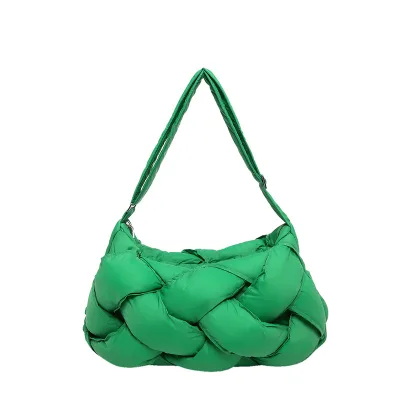
Hot Sales Large Capacity Tote Bag Waterproof Single Shoulder Crossbody Bag
$3.00 - $3.13
MOQ: 100 Pieces


Comprehensive Sourcing Guide
Strategic Sourcing Guide for Waterproof Leather Tote Bags
Understanding Product Attributes and Material Variations
When sourcing a product described as a Waterproof Pillow Leather Tote Bag, buyers must first navigate the inherent contradictions and specific variations present in the current market supply. The core keyword suggests a specific aesthetic and functional profile, yet the actual product landscape reveals a diverse range of interpretations. The term "pillow" often implies a soft, plush, or padded structure, which aligns with observed product attributes where hardness is listed as "Soft" or "Partial Hard." However, the material composition varies significantly across listings. Some products are explicitly defined as "Leather" or "Genuine Leather," while others utilize "PU" (Polyurethane) or "Polyester" as the primary material. This distinction is critical because "waterproof" claims behave differently depending on the substrate.
The market data indicates that while some items are marketed with a "Waterproof" attribute, others are explicitly labeled "Non-Waterproof." This discrepancy requires rigorous verification before procurement. A bag described as "Leather" with a "Waterproof" function likely utilizes a specific coating or treatment, whereas a "Polyester" bag may rely on the inherent water-resistant properties of the synthetic weave. Furthermore, the "Candy Color" and "Cartoon" design elements suggest a target demographic that values aesthetics alongside utility, often seen in products with "High Fashion" branding. Buyers must understand that a single search term aggregates items ranging from genuine leather luxury goods to functional polyester tool bags. The "Horizontal Square" design and "Big Capacity" specifications are common threads, but the "Gross Weight" varies from 1-1.5 kg for lighter models to heavier configurations, influencing shipping costs and handling requirements.
Technical Specifications and Dimensional Standards
Technical due diligence is paramount when evaluating tote bags, as dimensions and structural standards directly impact logistics and usability. The supplied product data reveals a wide variance in standard sizes, ranging from compact dimensions like 28x13x20 cm to larger configurations such as 35x30x18 cm and 60x28 cm. These measurements are not merely descriptive; they dictate the internal volume and the type of items the bag can accommodate. For instance, a "Big Capacity" bag with a "Bearing Capacity" of over 10 kg is suitable for carrying heavy tools or electronics, whereas a smaller "Cartoon" style bag may be intended for personal accessories.
The structural integrity of the bag is often defined by its "Hardness" and "Type." Products labeled as "Soft" or "Partial Hard" offer flexibility, which is beneficial for packing irregular items, while "Hard" variants provide better protection for contents. The "Standard" dimensions provided in the data, such as 35x30x8 cm or 38x28 cm, serve as benchmarks for custom manufacturing but may not represent the final product size unless specified. Buyers should verify if the "Standard" refers to the product's external dimensions or the packaging size, as "Carton" and "Box" packing methods can add significant bulk to the shipment. Additionally, the "Material of Lining," noted as "Polyester-Cotton" in some instances, affects the internal durability and moisture resistance. A lining that absorbs moisture could compromise the "Waterproof" claim of the outer shell, making this a critical specification to confirm with the supplier.
Compliance, Certification, and Functional Verification
In the B2B sector, compliance and functional verification are non-negotiable, especially when marketing claims like "Waterproof" and "Shockproof" are involved. The provided data includes a reference to ISO 9001, but this is categorized as low-confidence background information. Consequently, buyers cannot assume that any listed product automatically meets ISO 9001 standards. Instead, procurement teams must treat this as a verification point. The presence of "High Quality" or "1:1 high Quality" labels in product descriptions is a marketing assertion rather than a certified guarantee.
Functional attributes such as "Waterproof," "Shockproof," and "Bearing Capacity" require empirical validation. A product claiming to be "Waterproof" must be tested against specific water resistance standards, which are not explicitly detailed in the general product data. Similarly, the "Shockproof" attribute, often associated with tool bags designed for "USB Tools" or "Car Repair Tools," implies a need for internal cushioning or reinforced stitching. Buyers should request specific test reports or conduct their own sampling to verify that the bag can withstand the claimed "Bearing Capacity" of over 10 kg without structural failure. The "Customization" availability noted in the data suggests that suppliers may offer tailored solutions, but this also introduces variability in quality control. Ensuring that a customized "Waterproof" bag meets the same functional standards as a standard model requires clear contractual specifications and agreed-upon testing protocols.
Cost Drivers and Pricing Dynamics
The pricing structure for waterproof leather tote bags is influenced by a complex interplay of material costs, customization levels, and order volume. The observed price range in the market spans from $0.05 to $99.90, a vast disparity that reflects the difference between mass-produced synthetic items and premium genuine leather goods. The "Material" is a primary cost driver; "Genuine Leather" commands a significantly higher price point than "PU" or "Polyester" alternatives. Additionally, the "Fashion Element" and "Design" complexity, such as "Cartoon" styles or "Candy Color" finishes, can increase production costs due to the need for specialized dyes or printing techniques.
Order volume plays a crucial role in unit pricing. The Minimum Order Quantity (MOQ) ranges from 1 piece to 5000 units. Suppliers offering an MOQ of 1 piece, often labeled as "Customized" or "High Fashion," typically charge a premium for small-batch flexibility. Conversely, bulk orders of 5000 units may benefit from economies of scale, though the unit price must still be weighed against the material quality. The "Packing" method also impacts costs; "Carton" and "Express Box" packaging require different materials and labor, influencing the final landed cost. Furthermore, the "Express" shipping options like FedEx or UPS mentioned in the data indicate that logistics costs can vary significantly based on the chosen delivery method. Buyers must balance the initial unit cost against the total cost of ownership, including shipping, customs, and potential returns due to quality issues.
Supplier Evaluation and Operational Capabilities
Selecting the right supplier requires a deep dive into their operational capabilities and reliability. The data indicates that products originate from "China," a major manufacturing hub, but the specific location and facility standards are not provided. Buyers should verify the supplier's production capacity, especially when dealing with "Customized" orders. The availability of "Customization" suggests that the supplier has the flexibility to adapt designs, but this capability must be matched with a robust quality assurance process.
Key evaluation criteria include the supplier's history with "High Quality" claims and their ability to meet specific "Standard" dimensions. The presence of multiple product models, such as "2605162029" and "H2646," indicates a diverse portfolio, but buyers should ensure the supplier specializes in the specific type of bag they need. The "Brand" attribute, noted as "Yes" in some listings, suggests that some suppliers may offer private labeling services, which is valuable for B2B buyers looking to establish their own brand identity. However, the "MOQ" of 1 piece for branded items may not be scalable for large orders. Buyers should also assess the supplier's logistics network, particularly their experience with "Express" shipping and their ability to handle "Carton" or "Box" packing efficiently. A supplier's ability to provide consistent "Color" options and maintain "High Quality" standards across large batches is essential for long-term partnerships.
Quality Control and Long-Term Procurement Strategy
Establishing a robust quality control (QC) framework is essential for mitigating risks associated with the "Waterproof" and "Leather" attributes. Given the variance in "Hardness" and "Material," a standardized QC checklist is necessary. This checklist should include visual inspections for stitching quality, material consistency, and color accuracy, as well as functional tests for water resistance and load-bearing capacity. The "Gross Weight" of 1-1.5 kg should be verified to ensure it aligns with the product specifications, as deviations may indicate material shortages or structural weaknesses.
For long-term procurement, buyers should focus on building relationships with suppliers who demonstrate transparency and consistency. The "Customized" nature of many products means that specifications can drift over time if not strictly monitored. Establishing a clear agreement on "Standard" dimensions, "Material" composition, and "Packing" requirements is vital. Buyers should also consider the "Lead Time" implications of customization; while not explicitly stated in the data, complex designs like "Cartoon" styles may require longer production cycles. Regular audits and sample testing should be part of the procurement strategy to ensure that the "High Quality" promise is consistently delivered. Finally, maintaining a diversified supplier base can help mitigate supply chain disruptions, ensuring a steady flow of waterproof leather tote bags that meet the evolving needs of the market.
FAQs
Can I find waterproof pillow leather tote bags with genuine leather material?
Yes, genuine leather options exist alongside PU and polyester variants in the current supply. Buyers must verify material claims as some listings specify leather while others use synthetic materials, and waterproof status varies between products.
What is the minimum order quantity for these tote bags?
The minimum order quantity ranges from 1 piece to 5000 units depending on the supplier and customization level. Small batch orders starting at one piece often carry a premium, while bulk orders may offer better unit pricing.
Which dimensions are standard for big capacity waterproof tote bags?
Standard dimensions vary significantly, with common sizes including 28x13x20 cm, 35x30x18 cm, and 38x28 cm. Buyers should confirm whether the listed standard refers to the product size or packaging dimensions before placing an order.
How can I verify the waterproof and shockproof claims of these bags?
Functional claims like waterproof and shockproof require empirical validation as market data shows mixed attributes. Buyers should request specific test reports or conduct sampling to ensure the bag meets the claimed bearing capacity and water resistance standards.
What customization options are available for these leather tote bags?
Customization is available for design, color, and specifications, allowing for tailored solutions like cartoon styles or candy colors. However, customized orders introduce variability in quality control, so clear contractual specifications are essential for consistent delivery.
What is the typical gross weight for these hand-held tote bags?
The observed gross weight for many models falls between 1 and 1.5 kg, though heavier configurations exist. This weight range influences shipping costs and handling requirements, so verify the specific weight against the product specification before procurement.
Can I source these bags with specific packaging like cartons or boxes?
Yes, packaging options include cartons, boxes, and express boxes depending on the supplier and product type. Buyers must distinguish between product dimensions and packaging dimensions, as the packing method adds bulk to the total shipment volume.