Source Waterproof Plastic Lobster Clasp for Jewelry, Crafts, and Lanyards
Compare 30 listings for Waterproof Plastic Lobster Clasp options suitable for jewelry, crafts, and lanyards. Buyers can review specifications, customization availability, and pricing details from verified suppliers in China.
Key considerations
Products List


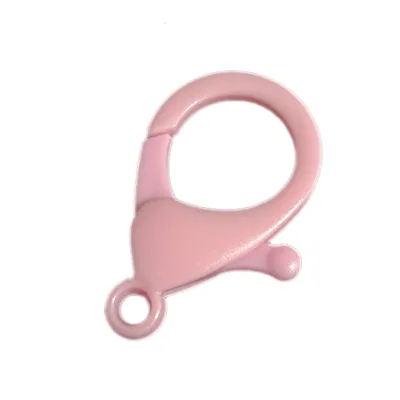
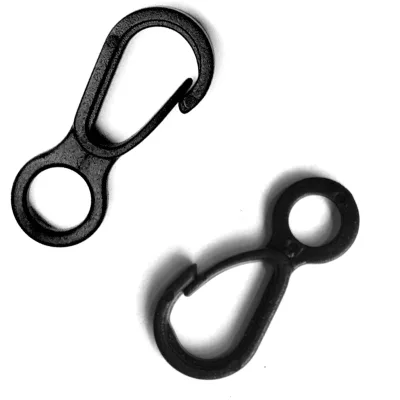
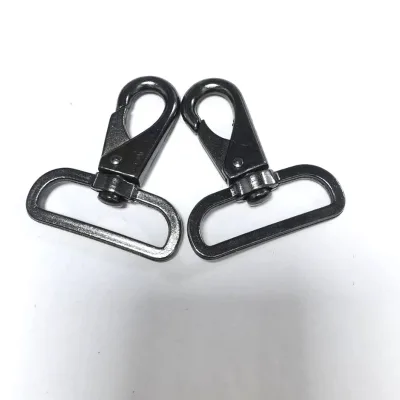
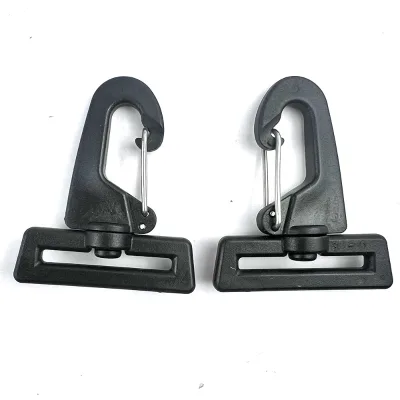


Comprehensive Sourcing Guide
Strategic Sourcing Guide for Waterproof Plastic Lobster Clasps
Navigating the global market for waterproof plastic lobster clasps requires a disciplined approach that separates marketing assertions from verifiable product attributes. In the B2B procurement landscape, the term "Waterproof Plastic Lobster Clasp" often encompasses a diverse range of components used in jewelry, outdoor gear, and promotional items. Buyers must understand that while the core function remains consistent—securing chains, lanyards, or straps—the material composition, manufacturing process, and compliance standards vary significantly between suppliers. This guide provides a structured framework for evaluating potential suppliers and products based on observed market data and technical realities, ensuring that procurement decisions are grounded in evidence rather than assumption.
Technical Specifications and Material Composition
The foundational element of any sourcing strategy is a precise definition of technical specifications. In the current market, the term "plastic" in the context of lobster clasps can be misleading if not qualified by specific polymer types. While many listings suggest a plastic construction, detailed product attributes reveal that high-performance clasps often utilize stainless steel cores with specialized coatings to achieve water resistance, or entirely synthetic polymers designed for specific environmental conditions.
Buyers must verify the raw material composition against their specific application needs. For instance, products labeled with a "Metal" material attribute often feature a stainless steel core, which provides the necessary tensile strength for a lobster clasp mechanism. In contrast, items explicitly listed with "Plastic" as the material are typically designed for lighter loads or specific aesthetic requirements. The surface treatment is equally critical; observed data indicates that coatings such as silver, black, and gold are common, but the underlying process—whether die casting, knotting, or molding—determines the final durability.
Dimensions also play a pivotal role in selection. Market observations show a wide variance in size, ranging from 9mm to 32mm in diameter, with specific models offering measurements like 10mm, 12mm, 15mm, and 19mm. The shape of the clasp, whether round or irregular, impacts its compatibility with different chain links and attachment points. Furthermore, the "waterproof" claim must be scrutinized against the sealing mechanism. While some products rely on the inherent properties of the material, others may require specific plating, such as nickel-free and lead-free treatments, to prevent corrosion in wet environments. Procurement teams should request detailed dimensional drawings and material safety data sheets (MSDS) to confirm that the clasp meets the specific load-bearing and environmental requirements of the end product.
Compliance, Certification, and Environmental Standards
In the modern supply chain, compliance is not merely a regulatory hurdle but a critical differentiator for brand reputation. When sourcing waterproof plastic lobster clasps, buyers must verify that suppliers adhere to international safety and environmental standards. Observed product data frequently references certifications such as ROHS, REACH, and ISO9001. These certifications indicate that the manufacturer has implemented quality management systems and ensures that the product does not contain restricted hazardous substances.
ROHS compliance is particularly relevant for electronic accessories or items that may come into contact with sensitive components, ensuring the absence of lead, mercury, and other toxic materials. REACH certification addresses the registration, evaluation, authorization, and restriction of chemicals, which is vital for products entering the European market. ISO9001 certification confirms that the supplier maintains a consistent quality management system, reducing the risk of batch-to-batch variability.
However, buyers must be cautious not to assume that every listed product automatically possesses these certifications. The presence of a certification claim in a product listing should be treated as an observation requiring verification. Procurement teams should request valid, up-to-date certification documents directly from the supplier before placing an order. Additionally, the "ECO friendly" attribute observed in some listings suggests a focus on sustainable manufacturing practices, but this should be validated through the supplier's environmental policy documentation. Ensuring that the clasps are nickel-free and lead-free is a baseline requirement for many applications, especially those involving skin contact or children's products.
Cost Drivers and Pricing Dynamics
Understanding the cost structure of waterproof plastic lobster clasps is essential for budgeting and negotiation. The observed price range in the market spans from $0.02 to $3.99 per unit, a variance that reflects differences in material quality, manufacturing complexity, and order volume. Several key factors drive these costs.
First, the raw material is a primary cost driver. Stainless steel components, particularly those requiring die casting and multiple coating layers (silver, black, gold), generally command a higher price point than simple plastic injection-molded parts. The complexity of the surface treatment, such as polished finishes or specific plating requirements, also adds to the production cost. Second, the manufacturing process influences pricing. Processes like die casting and knotting require specialized machinery and skilled labor, which can increase the unit cost compared to simpler molding techniques.
Order volume is another significant determinant. The Minimum Order Quantity (MOQ) observed in the market ranges from 1 piece to 100,000 pieces. Suppliers often offer tiered pricing structures where the unit cost decreases as the order volume increases. For small-batch orders, the MOQ might be as low as 1 piece or 500 pieces, but the per-unit price will be higher. Conversely, large-volume orders can leverage economies of scale to reduce costs. Buyers should also consider the packaging requirements; "Strong Carton" or "Carton Packing" adds to the overall cost, especially if custom branding or specialized packaging is requested.
Typical Applications and Use Cases
The versatility of waterproof lobster clasps makes them suitable for a wide array of applications. Based on observed product attributes, these components are commonly used in jewelry, including bracelets, necklaces, and chains. The "Clasp" type and "Round" or "Irregular" shapes are specifically designed to secure delicate jewelry items while maintaining an aesthetic appeal.
Beyond jewelry, these clasps are frequently utilized in promotional gifts, keychains, and lanyards. The "Promotion Gifts, Keys, Craft, Lanyard, Office, Outdoor" attributes highlight their adaptability to various industries. In the outdoor sector, the waterproof nature of the clasp is crucial for securing gear such as backpacks, tents, and fishing equipment. The "Trap" and "Bait Box for Every Trap" attributes suggest specialized use in fishing or trapping applications, where durability and resistance to water and corrosion are paramount.
The "Plastic Crayfish Trap" application indicates that some clasps are designed for specific industrial or agricultural uses, requiring robust construction to withstand harsh environments. Buyers should align their product selection with the specific demands of their end-use case. For example, a clasp intended for a high-end necklace may prioritize aesthetic finish and smooth operation, while a clasp for outdoor gear must prioritize tensile strength and corrosion resistance.
Supplier Evaluation and Service Capabilities
Selecting the right supplier is as important as selecting the right product. When evaluating potential partners, buyers should look for suppliers that offer OEM (Original Equipment Manufacturer) and ODM (Original Design Manufacturer) services. The availability of these services indicates that the supplier has the flexibility to customize products according to specific design requirements, which is essential for brand differentiation.
The "Service" attribute explicitly mentioning OEM/ODM suggests that suppliers are capable of handling custom orders, including modifications to size, shape, color, and packaging. Buyers should verify the supplier's capacity to handle custom requests by reviewing their portfolio of past projects. Additionally, the "Place of Origin" is a critical factor; observed data indicates that many suppliers are located in Guangdong and Fujian, China, regions known for their manufacturing capabilities. However, buyers should not rely solely on location but should assess the supplier's logistics capabilities, including lead times and shipping reliability.
Lead times observed in the market range from 2 to 4 days, which is relatively short for manufacturing processes. However, buyers should confirm these timelines with the supplier, as they can vary based on order volume and production schedule. The ability to provide samples before mass production is another key evaluation criterion. A reputable supplier should be willing to provide samples to verify quality and functionality before committing to a large order.
Quality Control and Long-Term Procurement Considerations
Maintaining consistent quality is a continuous challenge in global sourcing. To mitigate risks, buyers should implement a robust quality control (QC) process. This includes pre-production sample approval, in-process inspections, and final random inspections. The "Quality: ECO friendly" attribute suggests that some suppliers prioritize sustainable materials, but this should be verified through third-party testing.
For long-term procurement, buyers should consider the scalability of their supply chain. Suppliers with a high production capacity, indicated by MOQs up to 100,000 pieces, are better suited for large-scale operations. However, buyers must balance volume with flexibility. A supplier that can handle both small and large orders provides greater agility in responding to market fluctuations.
Packaging is another aspect of long-term procurement. The "Strong Carton" and "Carton Packing" attributes indicate that suppliers use protective packaging to prevent damage during transit. Buyers should ensure that the packaging meets their specific requirements, including branding and labeling. Finally, maintaining a strong relationship with the supplier is crucial for long-term success. Open communication, clear expectations, and mutual trust can lead to better pricing, priority production, and faster resolution of any issues that arise.
Comparative Analysis of Product Attributes
To facilitate decision-making, the following table summarizes key product attributes observed in the market, highlighting the variations that buyers must consider.
| Attribute Category | Observed Variance | Key Considerations for Buyers |
|---|---|---|
| Material | Metal (Stainless Steel), Plastic | Verify tensile strength and corrosion resistance based on application. |
| Coating | Silver, Black, Gold, Nickel-Free, Lead-Free | Ensure plating meets environmental and safety standards (ROHS/REACH). |
| Dimensions | 9mm to 32mm (e.g., 9, 10, 12, 15, 19, 21, 32mm) | Match clasp size to chain or strap diameter for optimal fit. |
| Shape | Round, Irregular | Select shape based on aesthetic requirements and mechanical compatibility. |
| MOQ | 1pc to 100,000pcs | Negotiate pricing tiers based on order volume and production capacity. |
| Lead Time | 2-4 Days | Confirm actual lead times with supplier to manage inventory levels. |
| Certification | ROHS, REACH, ISO9001 | Request valid certificates to ensure compliance with international standards. |
| Origin | Guangdong, Fujian, China | Verify logistics capabilities and shipping reliability from the region. |
By carefully analyzing these attributes and adhering to the principles outlined in this guide, buyers can navigate the complex landscape of waterproof plastic lobster clasps with confidence. The key to successful procurement lies in rigorous verification of claims, clear communication of requirements, and a strategic approach to supplier selection.
FAQs
What materials are used for waterproof lobster clasps?
Products are available in both metal and plastic materials. Stainless steel cores with die casting and silver, black, or gold coatings are common, while plastic options exist for lighter loads and specific aesthetic requirements.
Can I get custom sizes for these clasps?
Customization is available for various dimensions ranging from 9mm to 32mm. Buyers can request specific measurements like 10mm, 12mm, or 19mm depending on the application needs for jewelry or outdoor gear.
Which certifications do these products typically hold?
Many products carry ROHS, REACH, and ISO9001 certifications to ensure safety and quality. These standards confirm the absence of hazardous substances and validate the manufacturer's quality management systems for international compliance.
How fast can suppliers deliver these items?
Lead times are typically short, ranging from 2 to 4 days for production. This rapid turnaround supports urgent procurement needs, though actual delivery depends on order volume and specific supplier schedules.
What is the minimum order quantity for these clasps?
Minimum order quantities vary significantly from 1 piece to 100,000 pieces depending on the supplier. Some vendors accept small orders starting at 1 piece, while others require a minimum of 500 pieces for standard runs.
Where are these products manufactured?
Products originate primarily from Guangdong and Fujian regions in China. These locations are known for their manufacturing capabilities in producing clasps with various coatings and specifications for global export.