Source waterproof plastic zipper bags for shoes, clothing, and gifts
Find 30 options for waterproof plastic zipper bags suitable for shoes, clothing, and gift packaging. Buyers can compare features like transparency, closure types, and customization to select the right bags for stationery, medical, or cosmetic needs.
Key considerations
Products List


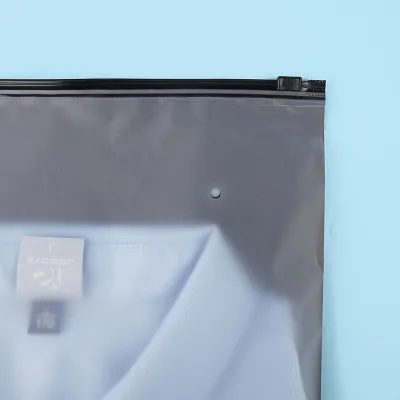
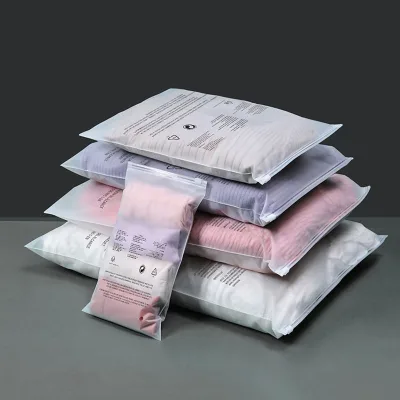
Plastic-Bag-Zipper-Clothes Biodegradable Bags for Clothes Transparent Bags for Clothes
$0.02 - $0.10
MOQ: 100 Pieces






Comprehensive Sourcing Guide
Strategic Sourcing Guide for Waterproof Plastic Zipper Bags
Understanding Technical Specifications and Material Composition
When sourcing waterproof plastic zipper bags specifically designed for shoes and clothing, the primary technical focus must be on the interplay between material composition, closure mechanisms, and functional performance. The supply market offers a diverse range of options, but the core requirement for footwear and apparel packaging is a robust barrier against moisture, dust, and physical damage. Based on current market data, the most prevalent material for these applications is Polypropylene (PP) or High-Pressure Polyethylene (PE). These materials are selected for their ability to provide a high degree of transparency while maintaining structural integrity.
The closure mechanism is a critical differentiator. The standard for high-quality shoe and clothing packaging is the Zipper closure, which offers a reusable sealing method superior to simple heat sealing. This feature allows retailers and consumers to access the contents multiple times without compromising the seal. The bags are often manufactured as composite packaging, combining different layers to enhance specific properties such as anti-static resistance and shock resistance. This is particularly vital for clothing items that may be sensitive to static electricity or for shoes that require protection during transit.
Transparency levels vary significantly across suppliers. Some products are designed to be fully transparent to allow for immediate visual inspection of the product inside, which is a key requirement for retail display. Others may be non-transparent, offering a more premium or opaque aesthetic that protects the contents from light exposure. The shape of the bag also plays a role in functionality; options include three-sided sealed bags, stand-up bags, and specialized shapes that accommodate the irregular contours of footwear. Buyers must verify that the specific model selected matches the dimensions of the product, as standard sizes range from 14x20cm up to 30x40cm, though custom dimensions are frequently available.
Compliance, Certification, and Safety Standards
Navigating the regulatory landscape is essential for B2B procurement, especially when the end product involves food, medical, or general consumer goods. The safety profile of the plastic bag is a primary concern. Sourcing guides indicate that high-quality manufacturers prioritize non-toxic and harmless materials. Furthermore, there is a growing market demand for bio-based materials and microplastic-free products, reflecting a shift toward environmental responsibility. Buyers should explicitly verify if the supplier offers bio-based options or if the product is certified as microplastic-free, as these attributes are not universal across all standard plastic bags.
Certification status serves as a proxy for manufacturing quality and regulatory compliance. In the current market, several key certifications are observed among reputable suppliers. The QS Certificate is a common indicator of quality safety in specific regions. Additionally, international management system certifications such as ISO9001:2008 for quality management and ISO14001:2004 for environmental management are frequently cited. These standards suggest that the supplier has established processes for consistent quality control and environmental stewardship.
Other critical certifications to look for include SGS, RoHS, and CE. These marks often relate to the chemical composition of the plastic, ensuring that harmful substances like heavy metals or specific phthalates are within acceptable limits. For products intended for export to the European Union or North America, verifying RoHS compliance is particularly important. It is crucial to note that while some suppliers may claim these standards, the buyer must request valid, up-to-date documentation for each specific product batch. The "Customized" standard mentioned in market data implies that some manufacturers can tailor their certification processes to meet specific client requirements, but this should be confirmed during the initial inquiry phase.
Cost Drivers and Pricing Dynamics
The pricing structure for waterproof plastic zipper bags is influenced by a complex matrix of variables, including material costs, customization levels, and order volume. The observed price range in the market is notably low, with some listings indicating prices between $0 and $0.49 USD. However, this figure should be interpreted with caution as it often represents the unit cost for bulk orders of standard sizes and does not account for tooling fees, design costs, or shipping.
The most significant cost driver is the level of customization. While standard bags are produced at a lower cost, the ability to print custom designs up to 10 colors adds a layer of complexity and expense. The printing process, whether it is flexographic or rotogravure, requires specific setup costs that are amortized over the order quantity. Consequently, the Minimum Order Quantity (MOQ) is a critical factor in determining the final unit price. The market data shows an MOQ range spanning from 1 unit to 2,000,000 units. For a buyer seeking custom branding, the MOQ will likely be higher, potentially in the thousands, to justify the setup costs.
Material selection also impacts cost. PE and PP bags are generally cost-effective, but the addition of features like anti-static properties or bio-based composition can increase the base price. The packaging method, such as boxed or carton box outer packing, adds to the overall cost but is necessary for protecting the bags during international shipping. Buyers should be aware that the "Business Type" of the supplier, whether they are a direct manufacturer or a trading company, can influence the final price. Direct manufacturers often offer more competitive pricing on large volumes, while trading companies may provide more flexibility for smaller orders.
Typical Applications and Functional Requirements
Waterproof plastic zipper bags serve a wide array of applications beyond simple storage. The market data highlights their use in stationery, medical, gift, food, cosmetic, and clothing packaging. For the specific niche of shoes and clothing, the functional requirements are distinct. The bags must provide a moisture-proof barrier to prevent mold and mildew, which is a common issue in the textile and footwear industries. The "Waterproof Performance" attribute is a standard claim, but buyers should verify the specific testing methods used to validate this claim.
The "Shock Resistance" feature is particularly relevant for shipping shoes, which are heavy and have rigid structures that can damage other items in a shipment. The bags act as a protective cushion, preventing scuffs and scratches. Additionally, the "Disposable" nature of some bags makes them suitable for single-use retail packaging, while "Recyclable" options cater to brands with sustainability goals. The "Antistatic" property is another key feature for clothing, preventing dust attraction and ensuring the fabric remains pristine.
The versatility of the bag style allows for different retail experiences. Stand-up bags with zippers offer a premium unboxing experience, while three-sided sealed bags are often used for efficient warehouse storage. The "Bag Variety" can be customized to fit specific product shapes, ensuring a snug fit that minimizes air and movement. For medical packaging applications, the non-toxic and harmless nature of the material is paramount, ensuring that the packaging does not contaminate sterile products.
Supplier Evaluation and Business Model Assessment
Selecting the right supplier requires a thorough evaluation of their business model and operational capabilities. The market data indicates that many suppliers operate as manufacturers, which typically implies greater control over the production process and quality. However, buyers should verify the specific location of the manufacturing facility. While many products originate from China, specific regions like Dongguan, Guangdong, and Shenzhen are noted as key manufacturing hubs. These locations often have established supply chains for plastic raw materials and printing services.
When evaluating a supplier, the "Customization" capability is a vital metric. Can the supplier handle custom designs up to 10 colors? Do they offer custom sizes and shapes? The ability to provide "Your Bag" as a variety suggests a high degree of flexibility. Buyers should also assess the supplier's response to specific standards. If a buyer requires a specific certification like ISO14001:2004, the supplier must be able to provide proof of this status. The "Standard" attribute in the data is listed as "Customized" in some cases, indicating that the supplier may not adhere to a rigid set of industry standards but can adapt to client needs.
It is also important to consider the "Product Packing" method. Whether the bags are packed in boxes or carton boxes affects the logistics and storage requirements. A supplier that offers robust outer packing demonstrates an understanding of the shipping process. Finally, the "Feature" set, including recyclability and shock resistance, should align with the buyer's brand values. A supplier that emphasizes eco-friendly attributes like bio-based materials and microplastic-free production may be a better fit for a sustainability-focused brand.
Quality Control and Long-Term Procurement Strategy
Establishing a robust quality control (QC) protocol is essential for maintaining product integrity over the long term. Buyers should implement a multi-stage QC process that includes raw material inspection, in-process checks, and final product testing. Given the variability in materials like PE and PP, verifying the consistency of the raw materials is the first step. The "Making Process" of composite packaging bags requires precise control to ensure the layers bond correctly, which directly impacts the waterproof and moisture-proof performance.
For long-term procurement, building a relationship with a reliable manufacturer is more beneficial than frequent supplier switching. A manufacturer with a track record of producing models like "Zip Lock Bag-002" or "MS-AB0818" has the technical expertise to maintain consistency. Buyers should request samples that match the exact specifications of the final order, including the specific zipper mechanism and printing quality. Testing the samples for seal strength, zipper durability, and transparency is crucial before committing to a large order.
The "Lead Time" and "MOQ" are also critical factors in long-term planning. While the observed MOQ range is broad, buyers should negotiate terms that allow for flexible ordering as demand fluctuates. Understanding the production capacity of the supplier helps in forecasting inventory needs. Additionally, buyers should consider the environmental impact of their procurement. Opting for recyclable and bio-based options not only aligns with global sustainability trends but also future-proofs the supply chain against potential regulatory changes regarding plastic usage.
In conclusion, sourcing Waterproof Plastic Zipper Bags for Shoes and Clothing requires a balanced approach that considers technical specifications, regulatory compliance, cost efficiency, and supplier reliability. By focusing on the specific attributes of transparency, waterproof performance, and customization, buyers can secure a supply chain that meets both functional and branding requirements. The key is to verify all claims against the supplied facts and to maintain a rigorous quality control process to ensure that every batch meets the high standards expected in the B2B market.
FAQs
What materials are used for waterproof plastic zipper bags?
These bags are typically made from Polypropylene or High-Pressure Polyethylene. Some options are bio-based and microplastic-free, ensuring safety for food and medical applications while maintaining structural integrity.
Which certifications do these manufacturers usually hold?
Common certifications include QS, ISO9001:2008, ISO14001:2004, SGS, RoHS, and CE. Buyers should verify specific batch documentation to ensure compliance with international safety and environmental standards.
Can these bags be customized with specific designs?
Yes, custom designs up to 10 colors are available for printing. Suppliers often offer customized dimensions and styles like stand-up or three-sided sealed bags to fit specific product needs.
What is the typical price range for bulk orders?
Listed prices range from zero to 0.49 USD per unit for standard bulk orders. This cost varies significantly based on material selection, customization levels, and the specific minimum order quantity required.
How do these bags protect shoes and clothing during shipping?
They provide waterproof, moisture-proof, and dust-proof barriers with shock resistance. Features like anti-static properties prevent dust attraction, while the durable composite structure protects contents from physical damage.
Where are these bags typically manufactured?
Manufacturing origins include China, with specific hubs in Dongguan, Guangdong, and Shenzhen. Buyers can select suppliers based on these locations to optimize logistics and verify production capabilities.