Source Waterproof Printed Ski Jumpsuit for Hiking, Camping, and Skiing
Explore 30 verified listings for a Waterproof Printed Ski Jumpsuit designed for outdoor adventures. Buyers can compare features like windproofing, fabric technology, and customization options from suppliers in Fujian, China.
Key considerations
Products List
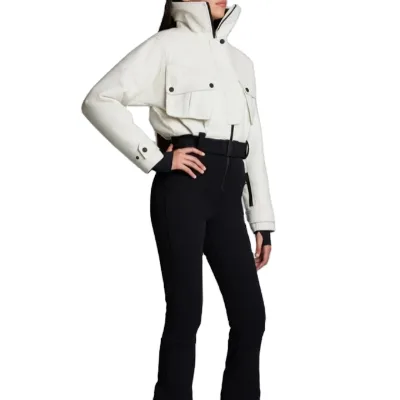
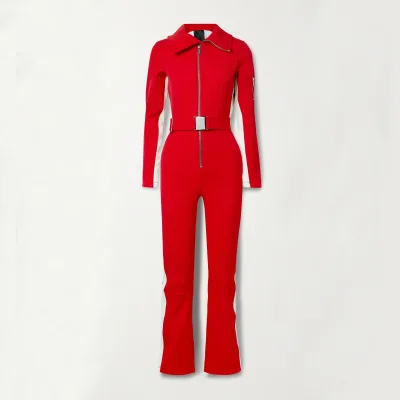
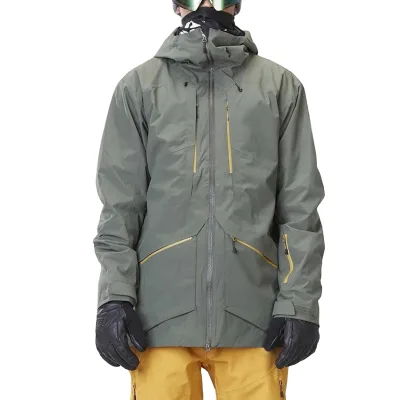

Professional Waterproof Jumpsuit for Skiing and Snow Sports Kids Jumpsuit
$24.50 - $30.96
MOQ: 500 Pieces


One Piece Ski Suits Waterproof Windproof Snowsuit Insulated Jumpsuit for Snow Sports
$45.00 - $54.00
MOQ: 500 Pieces


Women One Piece Ski Suits Waterproof Warm Snow Insulated Jumpsuit Snowsuit
$45.00 - $55.00
MOQ: 500 Pieces

Water-Resistant Women Ski Jumpsuit with Reflective Strips for Safety Jumpsuit
$45.00 - $56.40
MOQ: 500 Pieces


Heavy-Duty Outdoor Waterproof Ski Jumpsuit for Men and Women Winter Sports
$19.66 - $22.49
MOQ: 500 Pieces


Affordable Warm Ski Overall for Snow Enthusiasts and Winter Lovers Jumpsuit
$19.66 - $22.49
MOQ: 500 Pieces

Premium Waterproof Wear-Resisting Outdoor Removable Hood Ski Jumpsuit Coverall
$24.49 - $27.29
MOQ: 500 Pieces


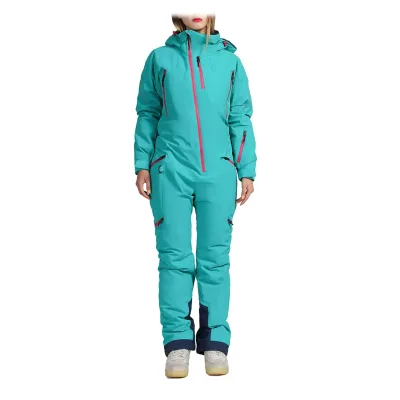


High Quality Men Women Waterproof Breathable Unisex Hiking Ski Bib Pants
$49.90 - $53.90
MOQ: 10 Pieces
Comprehensive Sourcing Guide
Strategic Sourcing Guide for Waterproof Printed Ski Jumpsuits
Understanding Technical Specifications and Material Composition
When sourcing a Waterproof Printed Ski Jumpsuit, the primary focus must be on the intersection of material technology, construction methods, and functional performance. The product landscape for this category is defined by specific fabric compositions that balance flexibility with protection. Based on available market data, the shell material is predominantly composed of polyester or a polyester/spandex blend. This combination is critical as it provides the necessary structural integrity for winter sports while allowing for the stretch required in high-movement activities like skiing and hiking. The fabric type is frequently identified as "Soft Shell," which offers a middle ground between the heavy insulation of traditional parkas and the rigid protection of hard shells.
A crucial technical attribute to verify is the material technology layer. High-performance units often incorporate specific treatments such as MICROFLEECE for internal warmth, StretchA for mobility, and a waterproof rating of 10,000mm. This numerical rating indicates the fabric's ability to withstand water pressure before leaking, a standard benchmark for winter outerwear. However, buyers must distinguish between the general claim of "Waterproof" and the specific millimeter rating provided by the manufacturer. The thickness of the garment is another variable; some listings specify "Thick" for extreme cold, while others denote "Standard" thickness, which may be more suitable for milder winter conditions or high-intensity activities where overheating is a risk.
The construction of the jumpsuit also dictates its durability and weather resistance. The presence of seamless fusing is a significant technical indicator. This manufacturing technique involves bonding layers of fabric without stitching, which eliminates needle holes that could compromise the waterproof barrier. Additionally, the closure type is almost universally a zipper, but the quality of the zipper and the presence of storm flaps are essential details to confirm. The collar style, often observed as a stand collar or O-neck, plays a role in wind protection and comfort around the neck. Furthermore, the inclusion of a detachable and adjustable hood is a standard feature for ski-specific apparel, allowing the wearer to adapt to changing weather conditions without compromising the fit of the main garment.
Compliance, Certification, and Safety Standards
In the B2B procurement of winter sports apparel, compliance and certification are non-negotiable elements that protect both the buyer and the end consumer. While the supplied data mentions "High Quality" as a general attribute, it does not explicitly confirm specific third-party certifications for every listed product. Buyers must therefore treat certification status as a verification point rather than an assumption. The background context references Oeko-Tex, a standard often associated with textile safety, but this should not be assumed to apply to all inventory without direct confirmation from the supplier.
When evaluating a supplier for a Waterproof Printed Ski Jumpsuit, the procurement team must request explicit documentation regarding chemical compliance. This includes verifying that the dyes and finishes used in the printing process meet international safety standards for harmful substances. Since the product involves "Customized Colors" and "Customized Logo Printing," the inks and pigments used must be non-toxic and compliant with regulations in the target market, such as REACH in Europe or CPSIA in the United States. The absence of a specific certification label in a product listing does not necessarily indicate non-compliance, but it does necessitate a rigorous request for test reports.
Buyers should also scrutinize the supply chain for ethical manufacturing practices. The "Oem Service" attribute indicates that the supplier is capable of producing goods under the buyer's brand, which implies a need for transparency regarding labor standards. While specific social compliance certifications like SA8000 are not listed in the provided facts, they are industry norms for reputable manufacturers. The verification process should include asking for audit reports or proof of adherence to local labor laws in the place of origin, which is frequently cited as Fujian, China. Ensuring that the manufacturing facility adheres to environmental regulations regarding wastewater treatment from dyeing processes is also a critical component of the compliance checklist.
Cost Drivers and Pricing Dynamics
The pricing structure for waterproof printed ski jumpsuits is influenced by a complex array of factors, including material costs, customization levels, and order volume. The observed price range in the market spans from approximately $8.60 to $120.00 USD. This wide disparity is not merely a reflection of brand value but is heavily driven by the technical specifications of the product. A unit priced at the lower end of the spectrum likely utilizes standard polyester with basic waterproofing and minimal technical features. In contrast, a unit at the higher end likely incorporates advanced material technologies such as the 10,000mm waterproof rating, MICROFLEECE lining, and seamless fusing construction.
The Minimum Order Quantity (MOQ) is a significant cost driver in this category. The observed MOQ range varies from 2 to 1,000 pieces, with a common threshold of 100 pieces for customized orders. Suppliers often structure their pricing tiers based on these volumes. Orders falling below the standard MOQ of 100 pieces may incur higher per-unit costs due to the setup costs for printing and cutting. Conversely, orders exceeding 1,000 pieces may benefit from economies of scale, though the specific discount structure must be negotiated directly. The "Customized Colors" and "Customized Logo Printing" options introduce additional variable costs. Digital printing methods, while flexible, may have different cost implications compared to other techniques depending on the complexity of the design and the number of colors involved.
Lead times also impact the overall cost of procurement. The data indicates that some suppliers do not support 7-day sample order lead times, suggesting that the production cycle for customized ski jumpsuits may be longer. Extended lead times can affect inventory planning and may require the buyer to order further in advance, potentially tying up capital for longer periods. Additionally, the single package size and weight, which range from 60x40x10 cm to 65x65x7 cm with weights around 1.27 kg, influence shipping costs. Bulkier or heavier packages increase freight expenses, which can be a hidden cost in the total landed price. Buyers must calculate the total cost of ownership, including freight, duties, and storage, rather than focusing solely on the unit price.
Typical Applications and Performance Requirements
The functional versatility of the Waterproof Printed Ski Jumpsuit defines its market application. The primary use case is clearly identified as "Outdoor Hiking Camping Skiing," with a specific designation as a "Ski Suit" or "Skiing" apparel. The "Winter" season attribute confirms that these garments are engineered for cold-weather environments. However, the "Soft Shell" fabric type suggests that these jumpsuits are also suitable for transitional weather or high-intensity activities where breathability is as important as waterproofing. The "Breathable" feature is a critical performance metric for athletes who generate significant body heat during movement.
The design features of the jumpsuit are tailored to meet the demands of these activities. The inclusion of "Pockets" as a decoration and functional element is essential for carrying small items like gloves, keys, or lift tickets. The "Detachable Adjustable Hood" provides protection against wind and snow, a necessity for skiing in variable conditions. The "Windproof" and "Waterproof" features are not just marketing terms but functional requirements that ensure the wearer remains dry and warm. The "Plus Size" availability and a wide range of sizes from XS to 7XL indicate that the product is designed to accommodate a diverse demographic, ensuring that the fit is appropriate for various body types without compromising performance.
The "Fit" attribute, described as "Fits true to size," is a vital consideration for buyers. Ski jumpsuits must allow for layering underneath while maintaining a streamlined profile to reduce drag. The "Regular" clothing length suggests a standard cut that covers the torso adequately without being overly restrictive. The "Sportswear Type" classification as a "Ski Suit" implies that the garment is designed for coordinated movement, often featuring articulated seams or stretch panels to facilitate the deep squats and lunges typical of skiing. The "Outdoor" occasion further broadens the application to include mountaineering and winter trekking, where durability and weather resistance are paramount.
Supplier Evaluation and Selection Criteria
Selecting the right supplier for a Waterproof Printed Ski Jumpsuit requires a rigorous evaluation process that goes beyond the initial product listing. The "Brand Name" field in the data shows variations such as "YJL" and "Yingjieli," indicating that many suppliers operate as OEM manufacturers rather than consumer-facing brands. This is a positive sign for buyers seeking private label opportunities, as it suggests the supplier is experienced in producing goods for other companies. The "Supply Type" being "Oem Service" confirms this capability, but buyers must verify the supplier's capacity to handle their specific volume and customization requirements.
Geographic location is another critical factor. The "Place of Origin" is frequently listed as "Fujian, China," a region known for its textile manufacturing capabilities. However, buyers should not rely solely on the region's reputation. Instead, they should conduct due diligence on the specific factory's infrastructure, production capacity, and quality control systems. The "Single package size" and "Single gross weight" provide insights into the supplier's packaging efficiency, which can affect shipping costs and storage requirements. A supplier that optimizes packaging to reduce volume and weight demonstrates a commitment to logistics efficiency.
The "Quality" attribute is listed as "High Quality," but this is a subjective claim. Buyers must validate this claim through sample testing and factory audits. The presence of "Digital Print" technology suggests that the supplier has the capability for detailed and vibrant customization, which is essential for branded ski jumpsuits. However, the durability of the print after repeated washing and exposure to harsh winter conditions must be verified. Buyers should also assess the supplier's responsiveness and communication, as these factors are crucial for managing the complexities of international trade. The ability to provide detailed technical data sheets and compliance documentation is a strong indicator of a professional and reliable supplier.
Quality Control and Long-Term Procurement Considerations
Establishing a robust quality control (QC) framework is essential for maintaining the integrity of the Waterproof Printed Ski Jumpsuit supply chain. Given the technical nature of the product, QC should focus on verifying the waterproof rating, the integrity of the seamless fusing, and the durability of the zipper closures. Buyers should implement a sampling plan that includes physical testing of the fabric for water resistance and breathability. The "10,000mm" waterproof rating, if claimed, must be validated through standardized testing methods such as the hydrostatic head test. Similarly, the "Windproof" and "Breathable" claims should be supported by test reports from accredited laboratories.
Long-term procurement considerations involve building a sustainable relationship with the supplier. The "Customized Logo Printing" and "Customized Colors" options allow for brand differentiation, but consistency in color matching and print quality over multiple production runs is vital. Buyers should establish clear quality standards and acceptance criteria in their contracts to ensure that every batch meets the required specifications. The "Season: Winter" attribute implies that production cycles may be seasonal, requiring buyers to plan orders well in advance to avoid stockouts during peak demand periods.
Inventory management is another long-term consideration. The wide size range, from XS to 7XL, and the variety of colors, including Brown, Light Blue, Dark Blue, Black, Red, Yellow, Purple, Silver, and White, require careful demand forecasting. Overstocking specific sizes or colors can lead to financial losses, while understocking can result in missed sales opportunities. Buyers should analyze historical sales data to optimize their inventory mix. Additionally, the "Single package size" and weight data should be used to calculate optimal shipping strategies, ensuring that the supply chain remains cost-effective and efficient. By focusing on these long-term factors, buyers can secure a reliable supply of high-performance waterproof printed ski jumpsuits that meet the demands of the winter sports market.
FAQs
What material technology is used in these waterproof printed ski jumpsuits?
These jumpsuits utilize MICROFLEECE, StretchA, and a waterproof rating of 10,000mm for performance. The shell is made of polyester or polyester spandex, ensuring breathability and windproof protection for winter sports.
Which sizes are available for the Waterproof Printed Ski Jumpsuit?
Available sizes range from XS to 7XL, including options like One Size and Other. The fit is designed to be true to size, accommodating various body types while allowing for layering underneath during outdoor activities.
Can buyers request customized colors and logos for these jumpsuits?
Yes, customized colors and logo printing are accepted services for these products. Buyers can specify their preferred color from the available palette and use digital print methods for branding on the garment.
How thick are the waterproof printed ski jumpsuits for winter use?
Thickness varies between Thick and Standard depending on the specific model. Thick versions are suitable for extreme cold, while standard thickness offers better mobility for high-intensity activities like skiing or hiking.
What is the minimum order quantity for custom waterproof printed ski jumpsuits?
The standard minimum order quantity is 100 pieces for customized orders. Some suppliers may accept orders as low as 2 pieces, but bulk pricing and customization options typically require meeting the 100-piece threshold.
Where are the manufacturers of these waterproof printed ski jumpsuits located?
Manufacturers are primarily located in Fujian, China, a known hub for textile production. This location supports the supply chain for polyester-based garments with specific technical features like seamless fusing and waterproof coatings.
Do these waterproof printed ski jumpsuits feature a detachable hood?
Yes, many models include a detachable and adjustable hood for weather protection. This feature allows wearers to adapt to changing conditions during outdoor hiking, camping, or skiing without compromising the fit of the jacket.