Source Eco-Friendly Cotton Straight Baby Trousers for daily wear
Compare 30 listings of Eco-Friendly Cotton Straight Baby Trousers from verified suppliers. Buyers can review specifications like material, size, and features to find suitable options for infants and toddlers; compare the available evidence and request quotations based on your requirements.
Key considerations
Products List
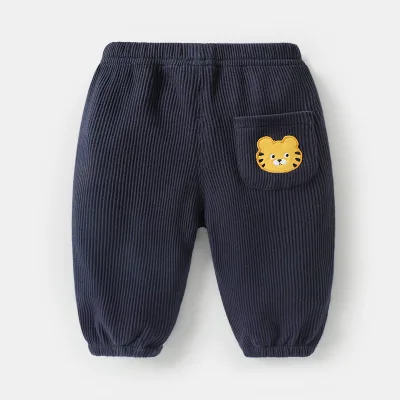
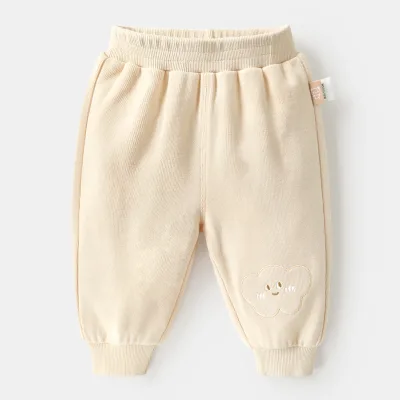
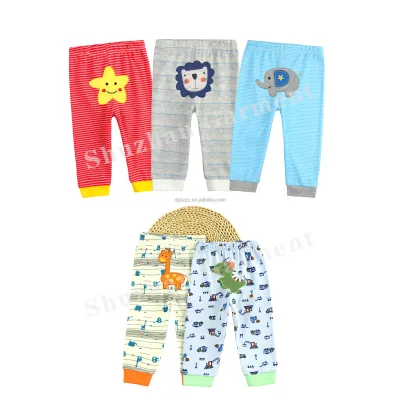
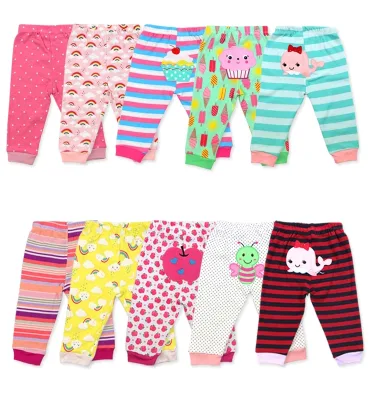


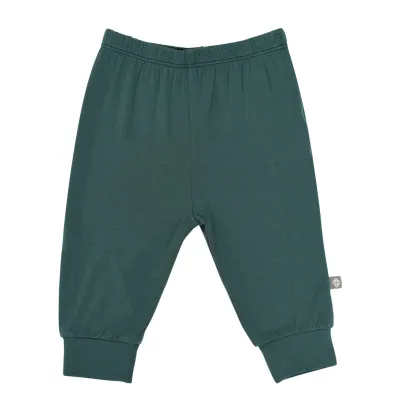
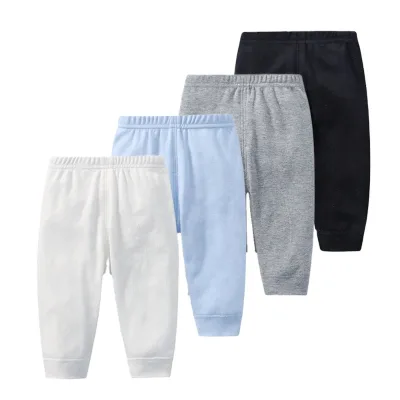
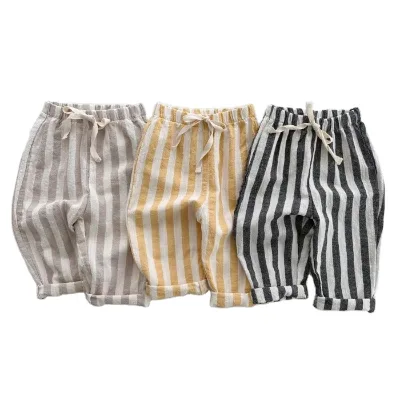
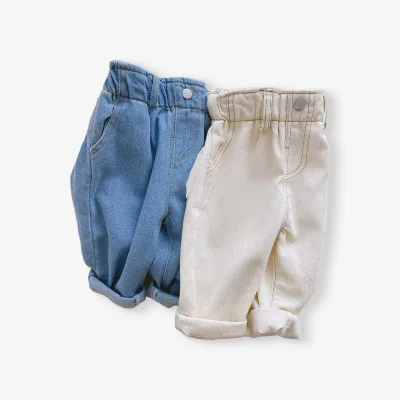
Eco-Friendly Spring Autumn Fashion Bamboo Fiber Baby Pants Toddlers Casual Trousers
$3.51 - $6.22
MOQ: 50 Pieces

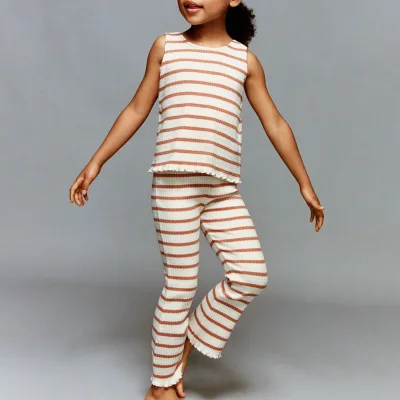
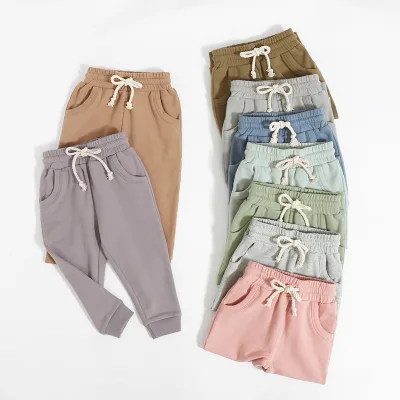
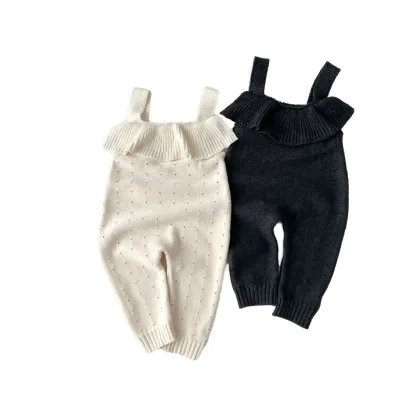

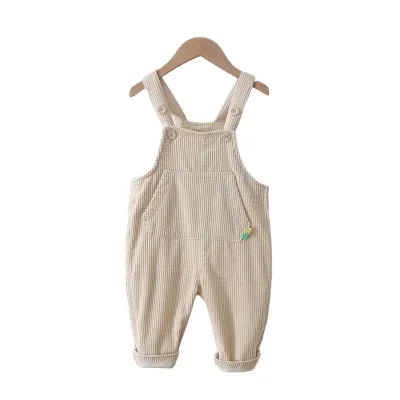


Comprehensive Sourcing Guide
Eco-Friendly Cotton Straight Baby Trousers Sourcing Guide
Sourcing eco-friendly cotton straight baby trousers requires a disciplined approach to material verification and supply chain transparency. Buyers must prioritize suppliers who can demonstrate traceable cotton origins, ensuring the fabric meets strict environmental and safety standards for infant wear. The term "eco-friendly" often implies organic certification or sustainable farming practices, so procurement teams should request documentation that validates these claims rather than relying on marketing language alone.
The straight-leg design offers practical benefits for toddler mobility and ease of dressing, making it a popular choice for parents seeking functional yet stylish clothing. When evaluating potential suppliers, focus on those with established quality control processes for fabric consistency and stitching durability. Understanding the specific cotton blend and weave structure is essential, as these factors directly influence the garment’s breathability, softness, and long-term wear resistance for active infants.
Product Scope and Observed Listing Signals
Market listings for this category frequently highlight key attributes such as material composition, age group suitability, and supply availability. Observed data indicates a strong presence of in-stock items with low minimum order quantities, facilitating easier entry for small to medium-sized buyers. Suppliers often specify cotton as the primary material, emphasizing its natural breathability and comfort for sensitive skin, which aligns with the core demand for eco-friendly products.
Listing signals also reveal variations in design elements, including solid patterns, animal prints, and plain dyed finishes. Buyers should note that while many products claim eco-friendly status, the actual certifications may vary. It is crucial to verify whether the "eco-friendly" label refers to organic cotton, recycled materials, or sustainable manufacturing processes. Understanding these nuances helps in filtering suppliers who genuinely adhere to environmental standards versus those using vague terminology.
Technical Specifications to Verify
Technical verification begins with confirming the fabric type and weight, as these determine the garment’s suitability for different seasons. Buyers should request detailed specifications regarding cotton content, ensuring it is 100% cotton or a specified blend that maintains breathability. The straight-leg cut must be evaluated for fit accuracy across various age ranges, typically from newborn to toddler sizes, to ensure comfort and ease of movement.
Additional technical aspects include the construction quality, such as seam strength and hem durability, which are critical for garments subjected to frequent washing and active wear. Suppliers should provide information on dyeing processes, ensuring they use non-toxic, eco-friendly dyes that meet safety standards for infant clothing. Verifying these technical details helps prevent issues related to shrinkage, color fading, or fabric degradation after repeated use.
Compliance and Safety Documentation
Compliance with international safety standards is non-negotiable for baby clothing, particularly when claiming eco-friendly attributes. Buyers must ensure suppliers provide relevant certifications, such as OEKO-TEX Standard 100, which verifies the absence of harmful substances in the fabric. This certification is a key indicator of product safety and environmental responsibility, offering assurance that the trousers are safe for direct skin contact with infants.
Additionally, suppliers should comply with regional regulations regarding textile safety, such as flammability standards and labeling requirements. Documentation should include test reports from accredited laboratories, confirming that the product meets all legal and safety benchmarks. Buyers should also inquire about the supplier’s commitment to sustainable practices, such as water conservation and waste reduction, to align with broader corporate social responsibility goals.
Cost Drivers and Commercial Terms
Cost structures for eco-friendly cotton trousers are influenced by material sourcing, certification fees, and manufacturing complexity. Organic cotton typically commands a higher price due to sustainable farming practices and limited supply, which buyers should anticipate in their budgeting. Suppliers may offer tiered pricing based on order volume, with lower minimum order quantities suitable for initial trials and larger orders for cost efficiency.
Commercial terms often include flexible payment options and clear lead time expectations. Buyers should negotiate terms that protect their interests, such as quality guarantees and return policies for defective items. Understanding the total cost of ownership, including shipping and customs duties, is essential for accurate financial planning. Suppliers with established logistics networks can offer more predictable delivery schedules, reducing the risk of supply chain disruptions.
Supplier Qualification and Quality Control
Supplier qualification involves a thorough assessment of their production capabilities, quality management systems, and ethical labor practices. Buyers should request factory audits or third-party verification reports to ensure compliance with social and environmental standards. Suppliers with a proven track record in producing baby clothing are preferable, as they are likely to have robust quality control processes in place.
Quality control measures should include pre-production sample approvals, in-line inspections, and final random inspections before shipment. Buyers should establish clear quality criteria and communicate them effectively to suppliers to minimize defects. Regular communication and collaboration with suppliers can help identify and resolve issues early, ensuring consistent product quality and timely delivery.
Long-Term Procurement Checks
Long-term procurement success depends on continuous monitoring of supplier performance and market trends. Buyers should regularly review supplier metrics, such as on-time delivery rates, defect rates, and responsiveness to issues. Establishing a scorecard system can help track performance over time and identify areas for improvement or potential risks.
Staying informed about changes in regulations, consumer preferences, and sustainability standards is crucial for maintaining a competitive edge. Buyers should engage in ongoing dialogue with suppliers to explore new eco-friendly materials and innovative manufacturing techniques. Building strong, collaborative relationships with suppliers can lead to better pricing, priority access to new products, and enhanced support during peak seasons.
FAQs
What materials are used for these baby trousers?
The trousers are made from 100% cotton fabric, ensuring softness and comfort for infants. The material is plain dyed and knitted, offering breathability and eco-friendly properties. This natural fabric helps regulate temperature, making it suitable for spring and autumn seasons while maintaining durability for daily wear.
What sizes are available for these pants?
Sizes range from 73cm to 120cm, covering infants and toddlers. Specific age options include 3M, 6M, 9M, 12M, and 24M. The full-length design accommodates growing children, with reference month sizing to help parents select the appropriate fit for their child's development stage and comfort needs.
Can I customize the logo on these trousers?
Yes, customized logos are accepted for these baby pants. The supplier supports OEM and ODM services, allowing for brand-specific designs. This customization option is ideal for retailers looking to create unique product lines, ensuring your brand identity is prominently displayed on high-quality cotton trousers for infants.
What is the minimum order quantity for these items?
The minimum order quantity varies, with some listings starting at 5 pieces and others at 10 pieces. This flexibility allows buyers to test market demand with small batches. In-stock items are available, supporting quick turnaround times for orders that meet these low MOQ thresholds for immediate shipment.
Where are these baby trousers manufactured?
These trousers are manufactured in Guangdong, China. The production facility supports both in-stock items and custom orders. Sourcing from this region ensures access to established textile supply chains, facilitating efficient production of cotton baby wear with features like anti-pilling and quick-dry capabilities for global distribution.
What features do these cotton trousers offer?
These trousers feature breathable, eco-friendly, and anti-pilling properties. The cotton fabric is designed for quick drying and moisture absorption, ensuring comfort for sensitive skin. The plain dyed or embroidered styles provide a lovely aesthetic, suitable for unisex wear across various seasons, combining practicality with gentle care for infants.