Source Quick Dry Kids Modeling Shorts for Beach, Play, and Sports
Explore 30 options for Quick Dry Kids Modeling Shorts designed for summer leisure and swimming pool activities. Compare polyester and cotton blends in loose, straight-leg styles with custom colors and printing features for unisex children's wear; compare the available evidence and request quotations based on your requirements.
Key considerations
Products List


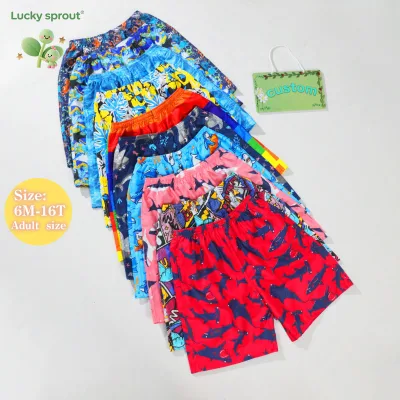


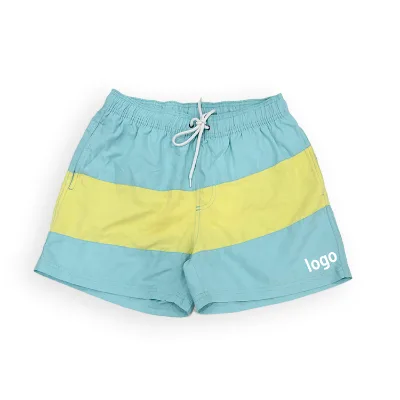


Boys' Button Front Placket Belt Casual Shorts Kids' Fashion Leisure Shorts
$3.00 - $3.50
MOQ: 1000 pieces


Comprehensive Sourcing Guide
Quick Dry Kids Modeling Shorts Sourcing Guide
Buyers must first distinguish between general leisure wear and specialized modeling apparel, as the observed product data reveals a mix of styles ranging from loose-fitting summer shorts to specific functional designs like hiphuggers and pull-in pants. The available inventory includes items with straight trouser legs and varying thicknesses, suggesting that procurement strategies should account for diverse silhouette requirements rather than assuming a single uniform cut. Understanding these variations is critical before engaging suppliers, as the distinction between a standard solid-patterned short and a patterned, seamless design directly impacts the target demographic and intended use case.
Procurement teams should also evaluate the seasonal and functional attributes listed, such as the "Summer" designation and "Swimming Pool" occasion, to ensure the selected inventory aligns with the specific climate and activity needs of the end consumer. While some listings highlight features like anti-bacterial properties and cozy day comfort, others emphasize a "Light" texture and "Elastic" touch, indicating that material performance varies significantly across the catalog. Buyers need to verify which specific attributes are essential for their brand positioning, as the presence of customization options for color and pattern allows for tailored solutions but requires clear communication of these specific performance needs.
Product Scope and Observed Listing Signals
The observed market signals indicate a broad spectrum of product models, including specific identifiers like CC26, CC27, and various JS-series codes, which suggests a fragmented supply base with distinct production lines for different styles. Buyers should note that while some items are explicitly categorized for children and marked as unisex, others feature specific functional claims such as "Mention Hip" or "Sports," requiring careful filtering to match the exact modeling or athletic requirements of the project. The presence of both "Solid" and "Patterned" options alongside "Accept Custom" color requests highlights the flexibility available, but also necessitates a rigorous review of sample consistency to ensure the final product matches the visual intent.
Commercial signals further reveal that packaging varies from individual plastic bags to OPP bags and cartons, which can influence logistics costs and presentation quality for retail partners. The supply ability of 5000 sets per week and an available quantity of 10000 sets suggests that suppliers have the capacity for moderate-scale orders, yet the minimum order quantities observed range widely from 1 to 1000 units. This variance implies that buyers must negotiate terms that balance volume discounts with the flexibility to test new designs, particularly given the "Good Quality" and "Nice Designs" claims that may not be uniformly applied across all listed models without direct verification.
Technical Specifications to Verify
Technical verification must begin with material composition, as the data shows a split between Polyester and Cotton/Spandex blends, each offering different performance characteristics for quick-dry applications. Buyers should specifically request fabric test reports to confirm the actual quick-dry capability, as the "Light" texture and "Knitted" fabric type mentioned in some listings do not automatically guarantee rapid moisture wicking without independent validation. The "Normal" thickness and "Regular" size type provide a baseline, but the presence of specific size ranges like XS-2XL and XXL-S indicates that grading rules may differ between suppliers, requiring precise size charts to avoid fit inconsistencies in the final shipment.
Dimensional and structural specifications also require close scrutiny, particularly regarding the "Straight" trouser leg and "Loose" model styles which may not suit all modeling or athletic contexts. The listed standards, such as the 0.2kg weight specification and size standards like S M L XL, serve as reference points but should not be assumed to apply universally without confirmation. Buyers must verify the actual weight and dimensions of the specific models they intend to source, as the variation in model codes like YY01 and ZZ04 suggests distinct construction methods that could affect durability, drape, and the overall aesthetic required for high-quality kids' modeling shorts.
Compliance and Safety Documentation
Safety compliance for children's apparel is paramount, and buyers must ensure that all suppliers provide documentation verifying adherence to relevant textile safety standards for the target markets. While the provided facts do not list specific certification numbers, the "Good Quality" claims imply a baseline of safety that must be substantiated through third-party testing for harmful substances, flammability, and mechanical safety, especially given the "Seamless" and "Sexy" features noted in some listings which may attract regulatory scrutiny. Procurement teams should explicitly request test reports for formaldehyde, pH levels, and color fastness to ensure the products meet the strict safety requirements for children's clothing in their destination countries.
Documentation regarding the origin and manufacturing process is equally critical, as the products are listed as originating from China, a region with varying levels of regulatory oversight depending on the specific factory. Buyers should verify that the supplier can provide a chain of custody for the materials used, particularly for the Cotton/Spandex and Polyester blends, to ensure no prohibited substances were introduced during the dyeing or finishing processes. The "Anti-bacterial" function mentioned in some product attributes requires specific efficacy testing data to validate the claim, as marketing such features without proof can lead to compliance violations and reputational damage in the B2B marketplace.
Cost Drivers and Commercial Terms
Cost structures for these shorts are influenced by the complexity of the customization options, such as the ability to accept custom colors and patterns, which often incurs additional setup fees and minimum order thresholds. The observed price range of 0.5 to 20 USD reflects significant variation based on material quality, design intricacy, and the specific model selected, meaning buyers must clarify whether the quoted price includes all customization costs or if these are charged separately. The "Cheaper Price" attribute suggests competitive pricing, but this should be balanced against the "Good Quality" claims to ensure that cost reductions do not compromise the durability or safety of the final product.
Commercial terms regarding packaging and logistics also play a significant role in the total landed cost, as the data shows options ranging from single-piece plastic bags to bulk cartons. Buyers should negotiate packaging specifications that align with their retail requirements, as the "1set/OPP Bag" and "1 Lot/OPP Bag" details indicate flexible packaging solutions that can be tailored to reduce waste or improve presentation. Additionally, the supply ability of 5000 sets per week allows for staggered ordering, but buyers must confirm lead times and production schedules to ensure that the "Mini Order" flexibility does not result in delays that could disrupt their inventory planning or seasonal launch timelines.
Supplier Qualification and Quality Control
Supplier qualification should focus on verifying the consistency of their production capabilities across the diverse range of models listed, from the CC series to the JS series, to ensure they can maintain quality standards across different styles. Buyers must assess the supplier's internal quality control processes, particularly for features like "Seamless" construction and "Elastic" touch, which are prone to defects if not manufactured with precision. The presence of multiple model codes suggests a large inventory, but buyers should request samples from different production batches to verify that the "Normal" thickness and "Light" texture remain consistent throughout the order.
Quality control protocols must also address the specific functional claims, such as the "Anti-bacterial" property and the "Swimming Pool" suitability, which require rigorous testing to validate. Buyers should implement a pre-shipment inspection plan that checks for color consistency, especially given the "Accept Custom" color option, and verifies that the "Patterned" and "Solid" designs are printed accurately without bleeding or fading. The "Good Quality" and "Nice Designs" attributes are subjective and must be translated into objective acceptance criteria, such as stitch density, fabric weight tolerance, and packaging integrity, to ensure the final product meets the buyer's expectations before shipment.
Long-Term Procurement Checks
Establishing a long-term partnership requires regular audits of the supplier's ability to maintain the "Good Quality" and "Nice Designs" standards over time, as initial samples may not reflect the consistency of mass production. Buyers should schedule periodic reviews of the supplier's production capacity and quality control records to ensure that the supply ability of 5000 sets per week can be sustained without compromising on the specific technical specifications like the "Cotton/Spandex" blend or "Polyester" composition. This ongoing monitoring helps prevent drift in product quality and ensures that the supplier remains responsive to changes in market demands or regulatory requirements.
Continuous improvement initiatives should also be discussed, focusing on how the supplier can enhance the "Comfortable" feeling and "Elastic" touch of the shorts while maintaining cost efficiency. Buyers should encourage the supplier to innovate on the "Seamless" and "Anti-bacterial" features, as these are key differentiators in the children's apparel market. By maintaining open communication and setting clear performance benchmarks, buyers can ensure that the long-term procurement relationship delivers consistent value, aligning with the "Summer" and "All" season versatility observed in the product listings while adapting to future trends in kids' modeling and athletic wear.
FAQs
What customization options are available for these shorts?
Customization is available for these Quick Dry Kids Modeling Shorts, allowing buyers to specify unique requirements. The product supports custom colors and patterns, including solid and patterned designs. This flexibility helps brands tailor the apparel to their specific market needs while maintaining the core summer and leisure style attributes.
Which materials are used to make these children's shorts?
These shorts are primarily made from polyester, with some variants using a cotton and spandex blend. The fabric is knitted and offers a light texture with elastic touch for comfort. This material selection ensures the shorts are suitable for summer wear and active occasions like swimming pool activities.
Can buyers order these shorts in specific sizes?
Yes, buyers can order these shorts in sizes ranging from XS to 2XL. The size type is regular, and some models also list standard sizes like S, M, L, XL, and XXL. This range accommodates various age groups, specifically targeting children, ensuring a proper fit for different body types.
How are these shorts packaged for shipment?
Packaging options include one piece per plastic bag, OPP bags, or cartons depending on the specific model. Some listings specify one set per OPP bag with one lot per OPP bag. This varied packaging approach ensures the products are protected during transit while meeting different buyer logistical preferences.
What is the minimum order quantity for these shorts?
The minimum order quantity ranges from 1 to 1000 units depending on the supplier and specific product model. Some listings indicate a minimum order of good quality sets, while others specify quantities like 10000 sets available. Buyers should verify the exact MOQ with the supplier to align with their procurement needs.
Where are these shorts manufactured?
These shorts are manufactured in China, as indicated by the product origin. The supply ability is listed as 5000 sets per week for certain models. This location allows for efficient production and shipping, supporting the global demand for Quick Dry Kids Modeling Shorts with features like anti-bacterial properties.
What features do these shorts offer for children?
These shorts feature printing, seamless designs, and a cozy day feel suitable for sports. They offer anti-bacterial properties and are designed for hip huggers or pull-in pants styles. The straight trouser leg and loose model ensure comfort and ease of movement for children during summer activities.