Source Comfortable Cotton Kids Pajamas for Home, Sleep, and Play
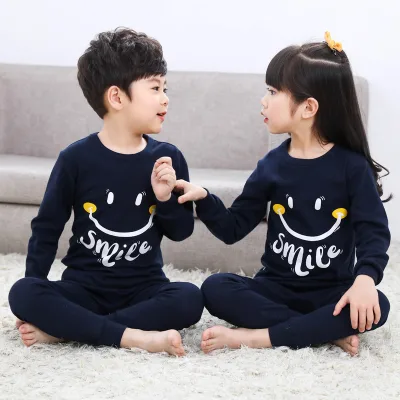
Explore 30 options for Comfortable Cotton Kids Pajamas featuring short and long sleeves, various colors, and cartoon prints. Compare styles like flannel and knitted sets with envelope necks, available in unisex designs for spring, autumn, and winter seasons; compare the available evidence and request quotations based on your requirements.
Key considerations
Products List




Comprehensive Sourcing Guide
Comfortable Cotton Kids Pajamas Sourcing Guide
Sourcing Comfortable Cotton Kids Pajamas requires a careful balance of material integrity, design functionality, and commercial viability. The market offers a diverse range of options, from short-sleeve summer sets to long-sleeve winter flannel variants, all centered around the core promise of softness and breathability. Buyers must navigate a landscape where "100% cotton" is a common claim, yet the weave, thickness, and finishing processes significantly impact the final comfort and durability of the garment. Understanding these nuances is essential for selecting products that meet both child safety standards and parental expectations for quality.
This guide provides a structured approach to evaluating suppliers and products based on observed market signals and technical requirements. It focuses on verifying material composition, assessing construction techniques, and understanding the commercial terms that affect profitability and supply chain reliability. By adhering to these evidence-based criteria, procurement professionals can mitigate risks associated with inconsistent quality, hidden costs, and compliance failures, ensuring a successful sourcing strategy for children's sleepwear.
Product Scope and Observed Listing Signals
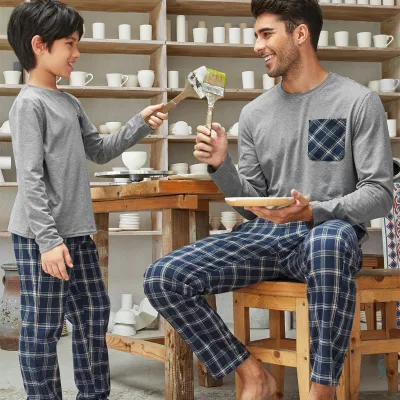
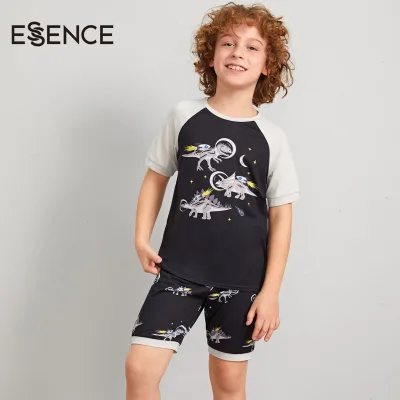
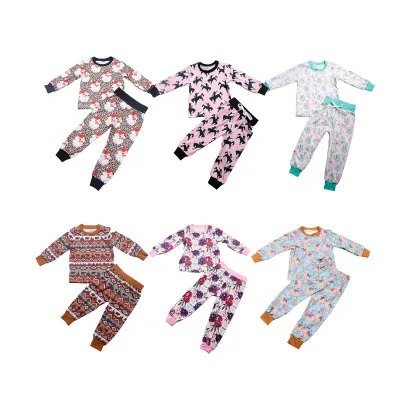
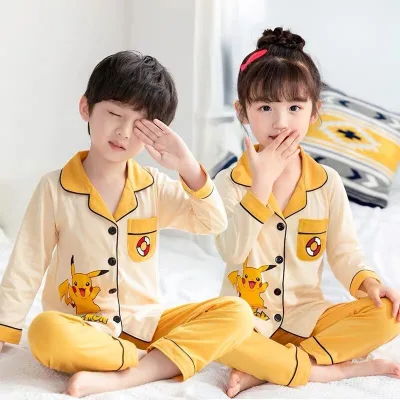
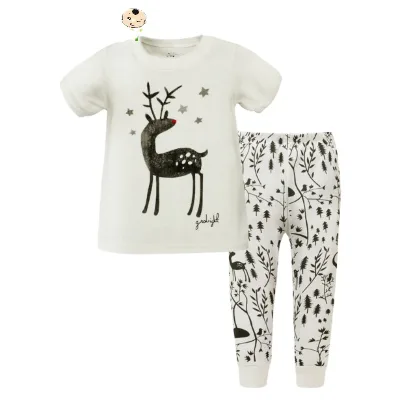
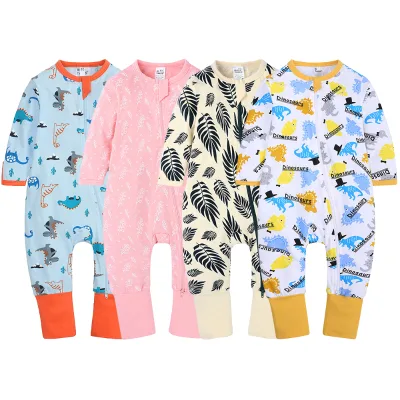
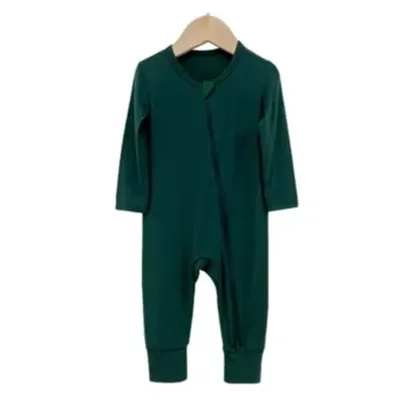
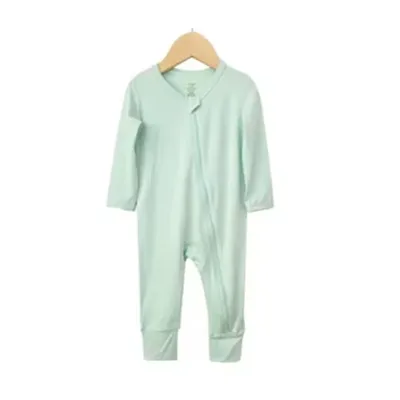
The current market landscape for children's sleepwear is characterized by a wide variety of styles, colors, and seasonal adaptations. Observed listings indicate a strong presence of unisex designs featuring cartoon characters, catering to broad demographic appeal. Common color palettes include white, purple, pink, orange, gray, brown, blue, and black, with some suppliers offering fully customizable color options to align with brand identities. The product range spans multiple seasons, with specific items designed for summer, spring/autumn, and winter use, allowing buyers to stock inventory year-round or target specific seasonal demand spikes.
Technical attributes vary significantly across listings, reflecting different manufacturing capabilities and target price points. Key observations include the use of both knitted and printed techniques, with envelope necks and short or long sleeve styles being prevalent. Some products are identified as flannel, suggesting a focus on warmth for colder months, while others emphasize lightweight comfort for warmer climates. The presence of buttons and specific model numbers like D26027, S308, P280, and P206 indicates a standardized yet diverse product catalog, enabling buyers to mix and match styles based on their specific retail needs and customer preferences.
Technical Specifications to Verify
Material composition is the primary determinant of comfort and safety in children's sleepwear, making verification of fabric content critical. While many listings claim "100% cotton," buyers must confirm whether the fabric is woven or knitted, as this affects stretch, durability, and feel. Specific attributes such as "anti-wrinkle," "breathable," and "anti-shrink" features should be validated through supplier documentation or sample testing, as these claims directly impact the garment's longevity and ease of care. Additionally, the distinction between standard cotton and flannel variants is crucial for seasonal appropriateness, with flannel offering superior warmth for winter use.
Construction details and sizing consistency are equally important for reducing return rates and ensuring customer satisfaction. Buyers should verify the presence of specific design elements like envelope necks, which facilitate easy dressing for younger children, and button placements that must be secure to prevent choking hazards. Size ranges, including options like 2XL, should be cross-referenced with standard children's sizing charts to ensure accurate fit. Furthermore, packaging details, such as individual OPP bag packaging, should be assessed for their impact on product presentation and protection during transit, ensuring the item arrives in pristine condition.
Compliance and Safety Documentation
Safety compliance is non-negotiable in the children's apparel sector, requiring rigorous verification of all relevant standards and certifications. Buyers must ensure that suppliers provide documentation confirming adherence to flammability standards, chemical safety regulations, and physical safety requirements for small parts. While some listings mention certifications like GOTS, buyers should independently verify the validity and scope of these certifications, as they do not automatically guarantee compliance with all local market regulations. It is essential to request test reports from accredited laboratories to confirm that the cotton fabric and dyes meet strict limits for harmful substances.
Beyond material safety, the physical construction of the pajamas must be evaluated for potential hazards. Buttons, zippers, and other fastenings must be securely attached and meet specific strength and size requirements to prevent detachment and ingestion risks. Buyers should also assess the quality of seams and stitching to ensure durability and prevent tearing, which could expose inner layers or create loose threads. Clear labeling, including fiber content, care instructions, and manufacturer details, is mandatory in most jurisdictions and serves as a final check for regulatory compliance and consumer transparency.
Cost Drivers and Commercial Terms
Understanding the cost structure of children's pajamas is vital for maintaining healthy profit margins and competitive pricing. Key cost drivers include the type of cotton used, the complexity of the printing or knitting techniques, and the volume of production. Listings indicate a price range of $0.5 to $20 USD, reflecting the vast disparity between basic and premium products. Buyers should analyze the relationship between price and attributes such as material thickness, design intricacy, and packaging quality to identify the best value propositions for their target market segments.
Commercial terms, including minimum order quantities (MOQs) and lead times, significantly impact inventory management and cash flow. Observed MOQs range from 1 to 1000 sets, with some suppliers offering low MOQs to accommodate smaller buyers or trial orders. Lead times vary, with sample orders potentially taking seven days and bulk production requiring up to ten days or more. Buyers should negotiate clear terms regarding production schedules, payment methods, and shipping responsibilities to avoid delays and unexpected costs. Additionally, supply ability, such as 5000 sets per week, should be considered when planning large-scale orders to ensure timely delivery.
Supplier Qualification and Quality Control
Evaluating supplier reliability is a critical step in mitigating sourcing risks and ensuring consistent product quality. Buyers should assess suppliers based on their production capacity, quality control processes, and responsiveness to communication. Listings indicate that some suppliers offer in-stock items, which can reduce lead times and provide flexibility for urgent orders. However, buyers must verify the supplier's ability to maintain quality standards across large production runs, as inconsistencies can lead to high return rates and damage brand reputation.
Quality control measures should be implemented at multiple stages of the production process, from raw material inspection to final product packaging. Buyers should request detailed quality assurance protocols from suppliers, including criteria for fabric testing, stitching inspection, and packaging verification. Regular audits or third-party inspections can provide additional assurance of compliance and quality. Furthermore, establishing a clear communication channel for addressing defects or discrepancies is essential for maintaining a productive supplier relationship and ensuring continuous improvement in product quality.
Long-Term Procurement Checks
Sustaining a successful sourcing strategy for children's pajamas requires ongoing monitoring and adaptation to market changes. Buyers should regularly review supplier performance metrics, including on-time delivery rates, product quality consistency, and responsiveness to issues. Continuous feedback loops with customers can provide valuable insights into product preferences and potential areas for improvement, allowing buyers to adjust their product offerings accordingly. Staying informed about evolving safety regulations and consumer trends is also essential for maintaining compliance and relevance in the market.
Building long-term relationships with reliable suppliers can lead to better pricing, priority production slots, and collaborative innovation. Buyers should invest in understanding their suppliers' capabilities and constraints, fostering a partnership approach rather than a purely transactional one. Regularly updating product specifications and requirements based on new insights ensures that the sourcing strategy remains aligned with business goals. By maintaining a proactive and disciplined approach to procurement, buyers can secure a steady supply of high-quality, Comfortable Cotton Kids Pajamas that meet the needs of their customers and support long-term business growth.
FAQs
What materials are used for these pajamas?
The pajamas are made from 100% cotton or standard cotton blends. This material ensures breathability and comfort for children during daily use. Some variations feature flannel fabric for added warmth in colder seasons while maintaining a soft touch against the skin.
Which seasons are these pajamas suitable for?
These pajamas are designed for summer, spring, autumn, and winter use. The product list indicates options for all four seasons, including short sleeve styles for warm weather and long sleeve knitted styles for cooler temperatures. This versatility allows for year-round comfort.
Can buyers request custom colors for orders?
Yes, customization is available for color selection including white, purple, pink, orange, gray, brown, blue, and black. Buyers can also request customizable color options to match specific brand requirements. This flexibility supports unique design needs for various retail markets.
What is the minimum order quantity for these items?
The minimum order quantity ranges from 1 to 1000 sets depending on the specific supplier and product model. Some listings specify a minimum of 10 sets for single items, while others allow orders starting from just one unit. This range accommodates both small and large buyers.
How long does it take to receive sample orders?
Sample orders can be supported with a lead time of 7 days for production. Standard delivery times for bulk orders are typically around 10 days. This quick turnaround helps buyers evaluate product quality and designs before committing to larger purchase volumes.
Are these pajamas available in stock immediately?
Yes, the supply type is listed as in-stock items with an available quantity of 10,000 sets. The supply ability allows for 5,000 sets per week. This ensures that buyers can source products quickly without waiting for long manufacturing cycles.
What features do these pajamas offer for comfort?
The pajamas feature anti-wrinkle, breathable, and anti-shrink properties for long-lasting comfort. They are designed to be warm, comfortable, and suitable for home use. The knitted or printed techniques add to the soft texture and durability required for children's sleepwear.