Source Bee Woolen Knitted Hats for Winter, Autumn, and Outdoor Use
Source 30 Bee Woolen Knitted Hats for winter, autumn, and outdoor use. Compare options featuring 100% wool, embroidered patterns, and customizable designs from China. Find soft, warm, and breathable caps suitable for adults and children; compare the available evidence and request quotations based on your requirements.
Key considerations
Products List


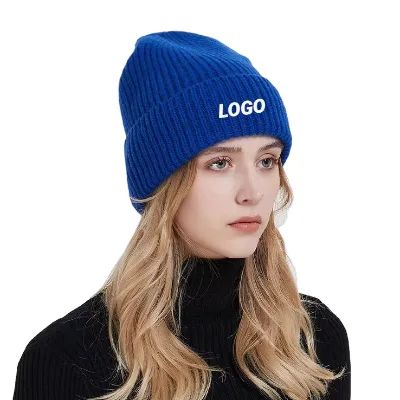
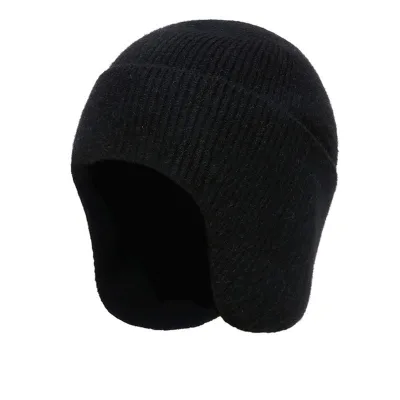


High Quality Outdoor Winter Warm Wool Knit Cap Beanie Warm Cap Knitted Hat
$0.95 - $2.86
MOQ: 100 Pieces


Comprehensive Sourcing Guide
Bee Woolen Knitted Hats Sourcing Guide
Buyers evaluating Bee Woolen Knitted Hats must first distinguish between specific product attributes observed in current listings, such as the 100% wool composition found in certain winter models versus multi-blend knitted options. The market presents a mix of styles ranging from cuffed beanies with embroidered logos to plain dyed caps with or without brims, requiring precise definition of the target item before engaging suppliers.
Procurement teams should verify whether the desired hat features specific seasonal adaptations like ear warmers or windproof capabilities, as these attributes vary significantly between the observed product models. Understanding the distinction between flat embroidery processes and eco-friendly dyeing techniques is essential for aligning product selection with brand identity and functional requirements for adult or youth markets.
Product Scope and Observed Listing Signals
Current market listings indicate a price range between 0.5 and 45 USD, reflecting the diversity in materials from pure wool to multi-blend fabrics and varying levels of customization complexity. Buyers must recognize that the minimum order quantity spans from single units to 1500 pieces, necessitating a clear strategy for initial sampling versus bulk production runs to manage cash flow effectively.
The observed product scope includes distinct variations in crown construction, with some models featuring a crown and others designed without a brim, alongside specific pattern themes like numbers or plants. Sourcing strategies should account for the availability of original or customized packaging, as well as the presence of special features such as moisture-wicking or antimicrobial properties that may justify premium pricing tiers.
Technical Specifications to Verify
Technical verification must begin with confirming the fabric type, specifically distinguishing between knitted ribbed structures and other weaves, while checking the gauge specifications which range from 3G to 18G depending on the desired density. Buyers should explicitly validate the weight of the finished product, as observed listings show specific weights like 92g for medium-thickness items, ensuring the final goods meet the intended warmth and drape requirements.
It is critical to confirm the dyeing process, particularly whether eco-friendly methods are employed, and to verify the care instructions which typically recommend hand washing or gentle machine washing to preserve the wool integrity. Procurement teams must also check the thickness classification and softness claims, ensuring the product meets the skin-friendly and comfortable standards expected for winter headwear applications.
Compliance and Safety Documentation
While specific certification documents are not universally listed in the provided data, buyers must request evidence of compliance with relevant textile safety standards for the target export markets. The presence of antimicrobial and breathable features suggests a need for verification of chemical usage, particularly regarding the eco-friendly dyeing processes mentioned in some product descriptions to ensure no harmful residues remain.
Documentation should also cover the origin of materials, with observed listings indicating production in Fujian, China, which requires verification of supply chain transparency. Buyers should ensure that any claims regarding skin-friendliness or comfort are backed by material safety data sheets, especially when the product is intended for children or sensitive skin demographics.
Cost Drivers and Commercial Terms
Cost structures are heavily influenced by the choice between 100% wool and multi-blend fabrics, as well as the complexity of customization options like OEM/ODM support, color changes, and label printing. The observed lead time for samples ranges from 3 to 7 days, but bulk production timelines will vary based on the order volume and the specific customization requirements agreed upon with the supplier.
Commercial terms must address the MOQ flexibility, which can range from 1 to 1500 units, allowing buyers to negotiate based on their inventory needs. Pricing models should account for the packing method, whether standard individual OPP bags or custom gift boxes, as these packaging choices significantly impact the final landed cost per unit.
Supplier Qualification and Quality Control
Suppliers offering OEM/ODM support and design assistance should be vetted for their ability to maintain consistent quality across different production batches, particularly when customizing colors or patterns. Buyers should assess the supplier's capacity to handle the full range of observed specifications, from the 1004 model to the FAMZAH series, ensuring they can deliver the specific gauge and thickness required.
Quality control protocols must include checks for the special features listed, such as wrinkle-free properties and foldability, which are critical for winter accessories. It is advisable to implement a pre-shipment inspection that verifies the stitching quality of embroidered logos and the integrity of the ribbed knit structure to prevent defects in the final product.
Long-Term Procurement Checks
Establishing a long-term partnership requires regular audits of the supplier's ability to maintain the observed product standards, such as the specific color options and pattern themes like checked or plain dyed designs. Buyers should monitor the consistency of the softness and warmth claims over time, ensuring that material sourcing does not compromise the comfort and durability of the hats.
Continuous communication regarding design support and assisting in design capabilities is vital for adapting to seasonal trends and maintaining product relevance. Procurement teams should track the reliability of the lead times and the flexibility of the packaging options to ensure that the supply chain remains responsive to market demands and inventory fluctuations.
FAQs
What materials are used for Bee Woolen Knitted Hats?
The hats are crafted from 100% wool, ensuring a soft and warm texture suitable for winter and autumn seasons. This material choice provides excellent breathability and moisture-wicking properties, making the caps comfortable for adult wearers. The fabric is designed to be lightweight and foldable, offering practical storage options while maintaining durability and skin-friendly comfort for daily use.
Can I customize the design of these woolen hats?
Yes, customization is available for OEM and ODM projects, including color, label, and packaging adjustments. Buyers can request specific embroidery patterns, such as numbers or plants, using flat embroidery technology. The supplier supports assisting in design and offers standard or customized packaging solutions, allowing brands to tailor the final product to their specific market requirements and aesthetic preferences.
What are the lead times for samples and production?
Sample lead times typically range from 3 to 7 days, allowing for quick evaluation of quality and design. Production timelines depend on order volume and customization complexity, with MOQs ranging from 1 to 1500 units. Buyers should confirm specific schedules with suppliers, as factors like packaging customization and material sourcing may influence the final delivery date for bulk orders.
Which special features do these knitted hats offer?
These hats feature windproof, washable, and ear-warming properties, making them ideal for cold weather. Additional attributes include being wrinkle-free, antimicrobial, and adjustable for a secure fit. The designs are available in checked or plain dyed styles, with options for brimmed or brimless crowns, ensuring versatility for unisex adult wearers seeking both functionality and style in their winter accessories.
What care instructions should be followed for woolen hats?
Care instructions recommend hand washing or gentle machine washing to preserve the hat's shape and material integrity. Avoid harsh detergents or high heat to maintain the softness and warmth of the 100% wool fabric. Proper care ensures the longevity of the embroidered patterns and special features like moisture-wicking and breathability, keeping the hats comfortable and durable through repeated seasonal use.