Source Waterproof Shockproof Camera Sling Bag for Travel, Sports, and Daily Use
Find and compare 30 Waterproof Shockproof Camera Sling Bag options from verified manufacturers. These versatile bags feature adjustable straps, durable canvas or nylon construction, and reliable zipper closures, making them ideal for protecting digital cameras during outdoor adventures, travel, and everyday carry.
Key considerations
Products List


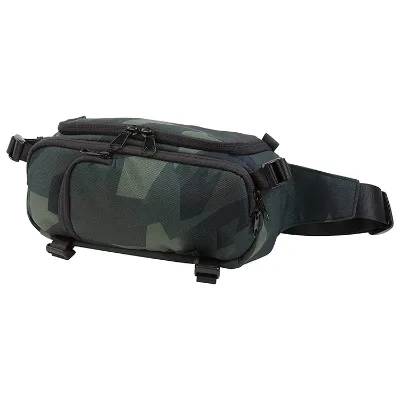
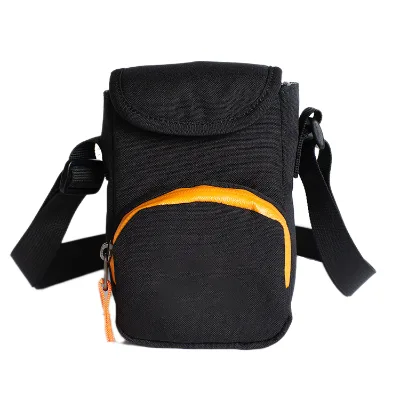
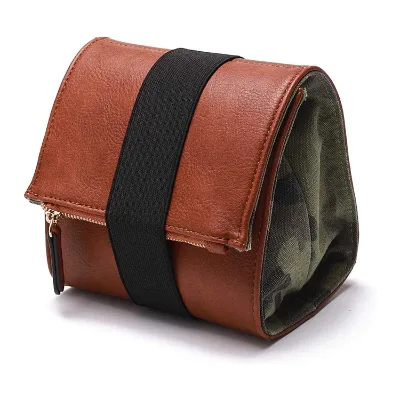



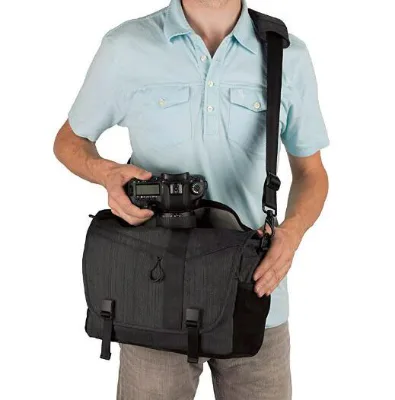
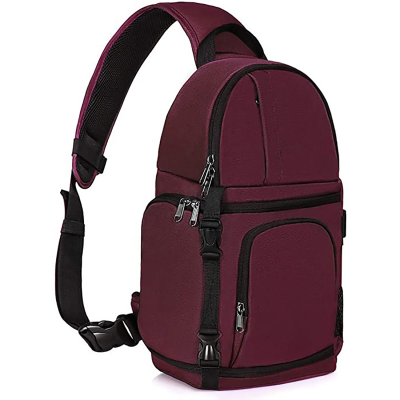
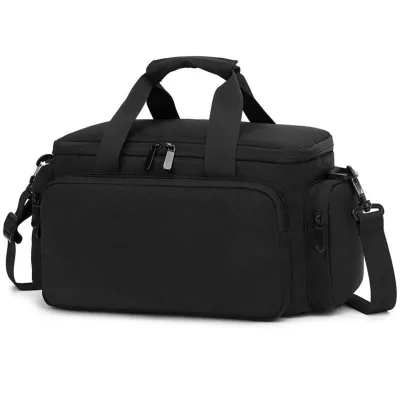
Comprehensive Sourcing Guide
Waterproof Shockproof Camera Sling Bag Sourcing Guide
Sourcing a waterproof and shockproof camera sling bag requires a careful balance between protective performance and ergonomic design. These bags are engineered to safeguard sensitive imaging equipment from environmental hazards such as rain, dust, and accidental impacts while allowing photographers to move freely. The market offers a variety of options ranging from simple single-shoulder designs to more complex backpack-style carriers, each with distinct material compositions and structural features. Buyers must navigate a landscape where terms like "waterproof" and "shockproof" are often used loosely, necessitating a rigorous verification process to ensure the product meets the specific demands of professional or semi-professional photography workflows.
The procurement process involves evaluating multiple product attributes, including customization options, material durability, and internal organization. Current market observations indicate a wide range of models, with prices varying significantly based on features and order quantities. Buyers should focus on verifying the actual construction quality, such as the presence of adjustable straps, specific closure types, and the integrity of the waterproofing seals. Understanding the distinction between moderate water resistance and fully waterproof capabilities is crucial, as is assessing the shock-absorbing properties of the internal padding. This guide provides a structured approach to evaluating these factors, ensuring that procurement decisions are based on verified specifications rather than marketing claims.
Product Scope and Observed Listing Signals
The current market for camera sling bags exhibits a diverse range of styles and functionalities, catering to various user needs from casual leisure to professional outdoor use. Observed listings highlight products with specific attributes such as single-shoulder designs, multilevel adjustable straps, and unisex gender classifications. Materials commonly cited include canvas, polyester, and nylon, each offering different trade-offs in terms of weight, durability, and water resistance. For instance, some models are described as having a canvas exterior with polyester interiors, while others emphasize nylon construction for enhanced weather protection. The style ranges from leisure-oriented simplicity to more functional designs featuring contrast colors and stitching details, indicating a broad spectrum of aesthetic and practical considerations.
Price and minimum order quantity (MOQ) signals suggest a flexible supply chain capable of accommodating both small-scale trials and larger commercial orders. The observed price range spans from approximately $1.80 to $26.99 USD, reflecting variations in material quality, brand positioning, and production complexity. MOQs vary widely, from as low as one unit for sample purchases to 1,000 units for bulk manufacturing, with some specific models requiring a minimum of 500 units. This variability allows buyers to tailor their sourcing strategy based on their immediate needs, whether for prototyping, retail stocking, or corporate gifting. It is essential to correlate these commercial terms with the specific product models and their associated specifications to ensure alignment with budget and volume requirements.
Technical Specifications to Verify
Verifying the technical specifications of camera sling bags is critical to ensuring they meet the protective and functional requirements of the end-user. Key attributes to confirm include the waterproof level, which can range from moderate water resistance to fully waterproof standards, and the internal structure, which should provide adequate cushioning for cameras and lenses. Dimensions are a crucial factor, with observed models varying from compact sizes like 9.5 x 5.5 x 6.5 inches to larger formats such as 15.7 x 9.06 x 4.8 inches. Buyers should verify the exact internal capacity and compartment layout to ensure compatibility with their specific camera gear, including DSLRs, mirrorless cameras, and associated accessories.
Additional technical details to scrutinize include the closure type, strap adjustability, and overall build quality. Most observed models feature zipper closures, which should be checked for smooth operation and durability. The shoulder straps are often multilevel adjustable, allowing for a customized fit, but the quality of the hardware and stitching should be assessed to prevent failure under load. Materials such as nylon and polyester are common, but the denier count and coating quality can significantly impact longevity and water resistance. Buyers should request detailed product sheets that specify these parameters, ensuring that the bag’s dimensions and internal structure align with the intended usage, whether for traveling, outdoor activities, or everyday use.
Compliance and Safety Documentation
While specific certification requirements for camera bags may vary by region and end-use, buyers should prioritize documentation that verifies material safety and manufacturing standards. Although explicit certification statuses are not universally listed in general product observations, reputable suppliers should be able to provide test reports for water resistance, tear strength, and zipper durability. For bags intended for international markets, compliance with relevant chemical regulations, such as REACH or CPSIA, may be necessary, particularly if the materials contain certain dyes or coatings. Buyers should inquire about the supplier’s quality management systems and whether they adhere to international standards for bag manufacturing.
Safety considerations also extend to the ergonomic design of the bag, ensuring that it does not pose a risk of injury during prolonged use. Features such as padded straps and balanced weight distribution are important for user comfort and safety, especially for heavy camera equipment. Buyers should verify that the bag’s construction does not include hazardous materials or sharp edges that could damage the camera or injure the user. Additionally, if the bag is marketed as "shockproof," buyers should request evidence of impact resistance testing, such as drop tests or compression tests, to validate these claims. Ensuring that the supplier can provide comprehensive documentation helps mitigate risks and ensures that the product meets both legal and safety expectations.
Cost Drivers and Commercial Terms
The cost of camera sling bags is influenced by several factors, including material selection, customization options, and order volume. High-quality materials such as waterproof nylon and durable polyester contribute to higher unit costs, while simpler canvas constructions may be more economical. Customization, such as adding logos or specific color schemes, can also impact pricing, as it requires additional production steps and setup costs. Buyers should consider the trade-off between cost and quality, ensuring that the chosen materials and features align with the intended market and usage scenarios. Understanding the cost drivers helps in negotiating better terms and selecting the most suitable product for the budget.
Commercial terms, including payment methods and production lead times, are critical components of the sourcing process. Typical payment terms involve a Telegraphic Transfer (T/T), often requiring a deposit before production begins. Production lead times can range from 45 to 60 days after receiving the deposit, depending on the order size and complexity. Sample lead times are generally shorter, averaging around 7 to 10 days, allowing buyers to evaluate product quality before committing to a larger order. Buyers should factor these timelines into their procurement planning to avoid delays in product launches or inventory replenishment. Clear communication regarding these terms ensures a smooth transaction and minimizes the risk of misunderstandings.
Supplier Qualification and Quality Control
Selecting a qualified supplier is essential for ensuring the consistent quality and reliability of camera sling bags. Buyers should verify the supplier’s manufacturing capabilities, including their production capacity, quality control processes, and experience in producing camera accessories. Suppliers based in China, particularly in regions like Xiamen, are common sources for these products, but buyers should conduct due diligence to assess their reputation and reliability. Requesting references or case studies from previous clients can provide insights into the supplier’s performance and customer satisfaction levels. A thorough evaluation of the supplier’s qualifications helps mitigate the risk of receiving substandard products.
Quality control measures should be implemented throughout the production process to ensure that the final product meets the specified standards. Buyers should establish clear quality criteria, including checks for material integrity, stitching quality, and functional components like zippers and straps. Pre-production samples should be approved before mass production begins, and in-line inspections can help identify and address issues early in the manufacturing process. Final random inspections should be conducted before shipment to verify that the products meet all agreed-upon specifications. Implementing a robust quality control plan ensures that the supplier delivers products that meet the buyer’s expectations and reduces the likelihood of defects or returns.
Long-Term Procurement Checks
Long-term procurement success depends on establishing a sustainable relationship with suppliers and continuously monitoring product performance. Buyers should regularly review supplier performance metrics, including on-time delivery rates, product quality consistency, and responsiveness to issues. Building a strong partnership with reliable suppliers can lead to better pricing, priority production, and improved service levels over time. It is also important to stay updated on market trends and technological advancements in camera bag design, ensuring that the products offered remain competitive and relevant to evolving customer needs. Continuous evaluation and adaptation are key to maintaining a successful sourcing strategy.
Additionally, buyers should implement a feedback loop with end-users to gather insights on product usability and durability. This feedback can inform future product development and help identify areas for improvement in design or materials. Regularly updating product specifications and requirements based on user feedback ensures that the sourced bags continue to meet the highest standards of protection and functionality. By maintaining a proactive approach to supplier management and product evaluation, buyers can secure a steady supply of high-quality camera sling bags that support their business objectives and customer satisfaction.
FAQs
What materials are used for the waterproof camera sling bag?
The bag is constructed using polyester for the inside material and canvas or nylon for the outside material. These durable fabrics ensure the bag remains waterproof while protecting your digital or video camera from the elements during travel.
Can I customize the style of this camera sling bag?
Yes, customization is available for this product line. You can select from leisure or simplicity styles with features like multilevel adjustable straps and stitching details to meet your specific branding or functional requirements.
What is the production time for bulk orders of this bag?
The production time is typically 45 to 60 days after receiving the deposit. This timeline applies to standard orders and ensures quality control before the goods are packed in cartons or polybags for shipment.
Which dimensions are available for the waterproof camera sling bag?
Several standard dimensions are available, including 32cm by 10cm by 27cm and 15.7 by 9.06 by 4.8 inches. Other models offer sizes like 9.5 by 5.5 by 6.5 inches to suit different camera equipment needs.
How is the bag packed for shipping from China?
The bags are packed in cartons or individually in polybags depending on the specific model. The port of loading is Xiamen, China, and the packaging ensures the product remains secure during transit to international destinations.
What is the minimum order quantity for this camera bag?
The minimum order quantity varies by model, ranging from 1 to 1000 units. Some specific models require a minimum of 500 units, while others may accept smaller quantities for sample or trial orders.
Is the bag suitable for outdoor and everyday use?
Yes, the bag is designed for traveling, outdoor activities, and everyday use. It features fully waterproof or moderate waterproofing levels and is suitable for carrying sports, camping, and student equipment alongside cameras.