Source Waterproof Small Makeup Brush Holder for brushes, pens, and tools
Compare 30 listings for a Waterproof Small Makeup Brush Holder designed to organize cosmetics and tools. These silicone storage units feature soft, durable construction with multiple color options and varying dimensions to suit different storage needs.
Key considerations
Products List
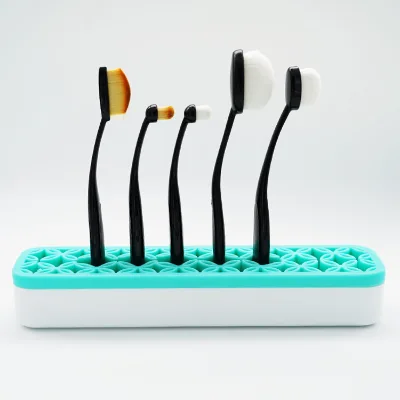
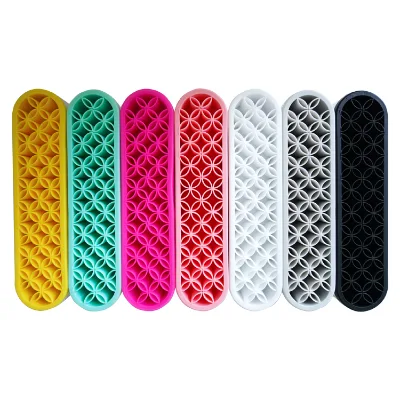
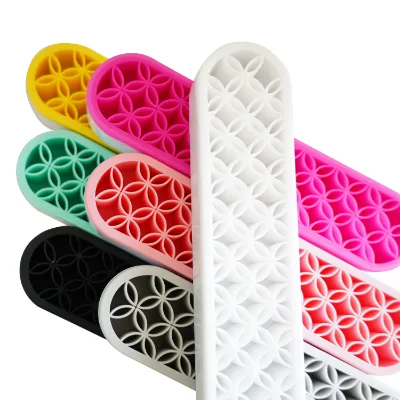
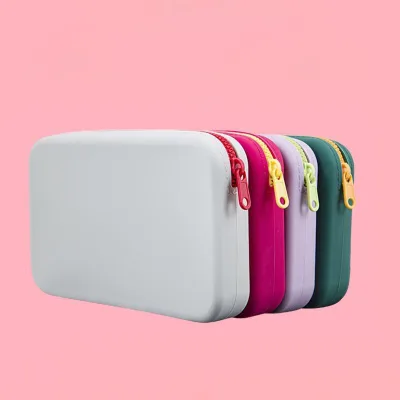
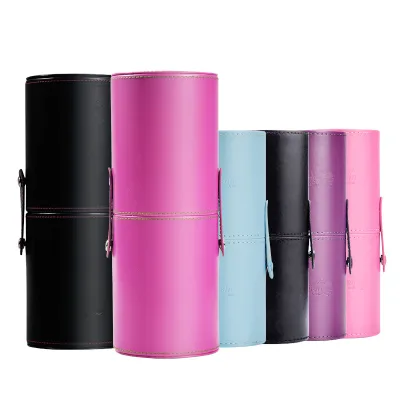
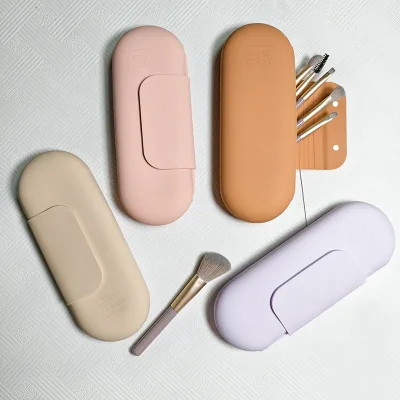
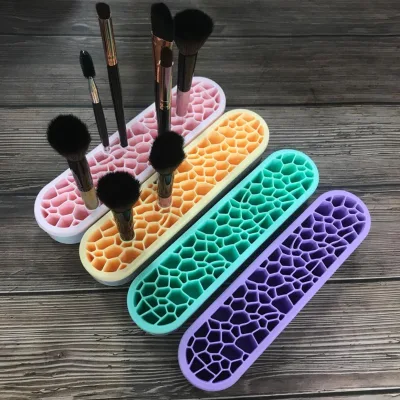
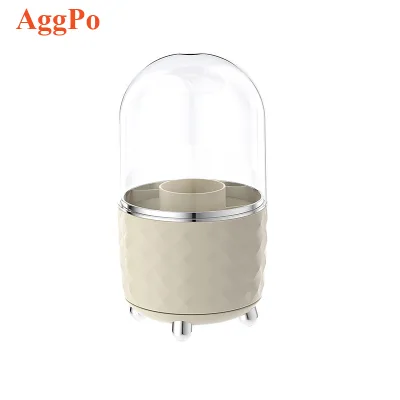
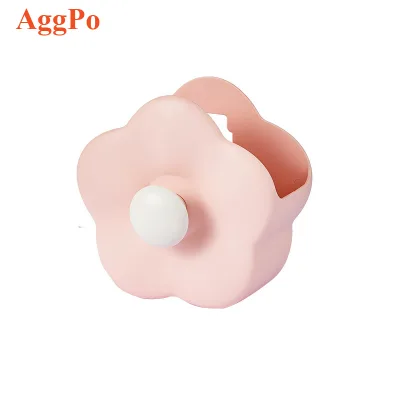
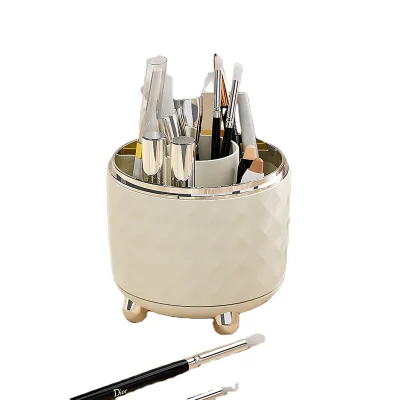
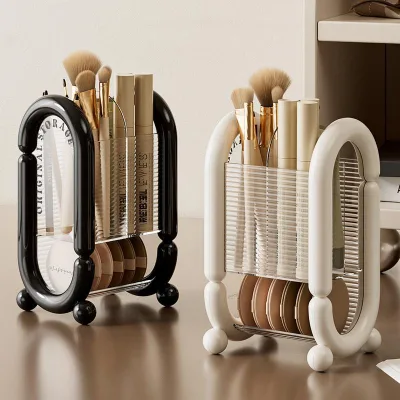
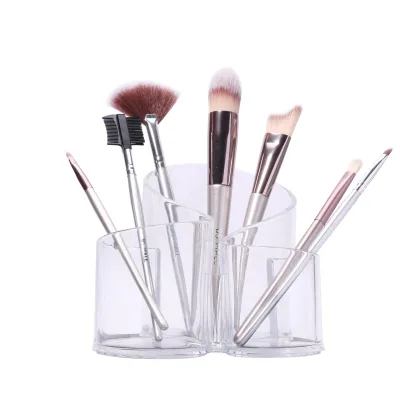
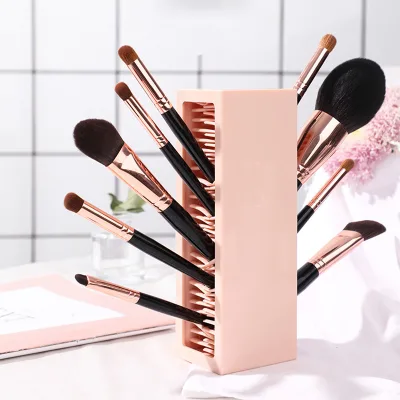
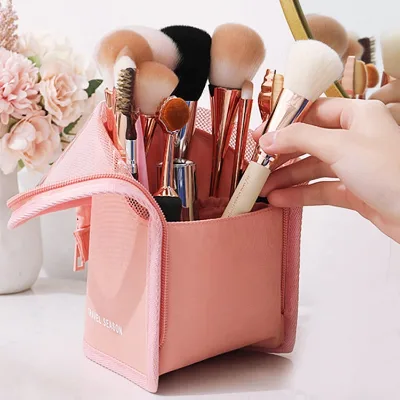
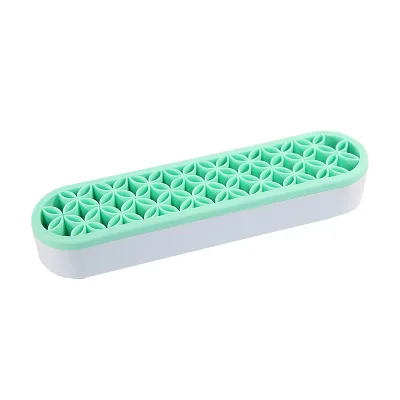
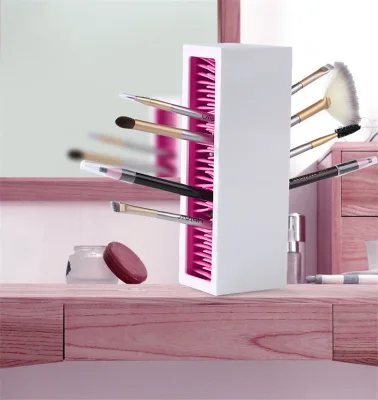


Pink Makeup Brush Storage Large Capacity Holder Lightweight & Easy Mi22874
$0.70 - $0.90
MOQ: 100 Pieces


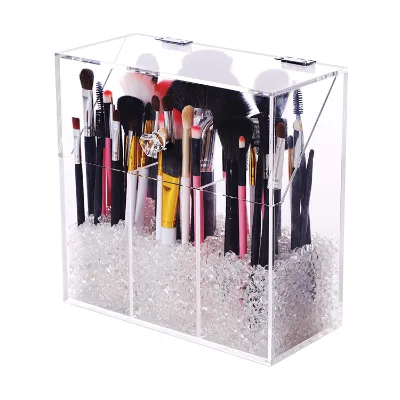
Desktop Cosmetic Brush Organizer Stand 12 Holes Acrylic Makeup Brush Holder
$2.01 - $3.65
MOQ: 100 Pieces


Comprehensive Sourcing Guide
Sourcing Guide for Waterproof Small Makeup Brush Holders
The global demand for organized beauty storage has driven a significant shift toward specialized, durable, and aesthetically pleasing containers. For procurement professionals seeking a Waterproof Small Makeup Brush Holder, the market offers a distinct category of products primarily defined by their material composition and functional design. Based on current market observations, the most viable solutions for this specific requirement are constructed from silicone, a material that inherently provides water resistance, flexibility, and ease of cleaning. This guide outlines the critical technical, commercial, and operational factors buyers must evaluate when sourcing these items to ensure supply chain reliability and product quality.
Material Composition and Functional Attributes
The primary differentiator for a waterproof makeup brush holder is the material. In the current supply landscape, silicone stands out as the dominant material for this application. Unlike rigid plastics or porous fabrics, silicone offers a non-porous surface that prevents water absorption, making it ideal for environments where brushes might be rinsed or stored in damp conditions. The product attributes observed in the market consistently highlight features such as "soft," "washable," and "reusable," which are direct consequences of the silicone formulation.
When evaluating potential suppliers, buyers should verify that the material is food-grade or cosmetic-grade silicone, ensuring it does not react with the bristles or handles of makeup tools. The observed product specifications indicate a "soft" texture, which is crucial for protecting delicate brush handles from scratching or breaking during storage. Furthermore, the material must maintain its structural integrity under repeated washing cycles. The "injection" technics mentioned in product data suggest a manufacturing process that allows for precise molding, ensuring consistent wall thickness and seamless construction, which are essential for maintaining the waterproof seal.
Buyers must also consider the load-bearing capacity of the silicone structure. While the material is flexible, the design must support the weight of the brushes without collapsing. Market data presents a range of load specifications, with some units rated for up to 5kg and others for 5-10kg. This variance indicates that "small" holders may have different structural reinforcements depending on the intended density of storage. Procurement teams should request physical samples to verify that the silicone does not deform excessively when loaded with wet brushes, which is a common stress test for waterproof containers.
Technical Specifications and Dimensional Tolerances
Precision in manufacturing is vital for a product intended to hold small, delicate items like makeup brushes. The technical specifications for these holders typically include precise dimensional requirements. Observed data points to a standard size range of approximately 21x5.1x3.4cm to 21x5.4x3cm, with a "rectangle shape" being the most common form factor. This specific geometry is designed to maximize vertical space while maintaining a compact footprint suitable for vanity tables or travel kits.
Dimensional tolerance is a critical quality metric. The supplied context notes a tolerance of <±1mm, which is a relatively tight specification for injection-molded or molded silicone products. This level of precision ensures that the holder fits standard brush sizes without being too loose or too tight. A tolerance exceeding this range could lead to instability, causing brushes to tip over, or gaps that compromise the waterproof integrity. Buyers should insist on quality control reports that verify these tolerances, particularly for the height and width dimensions, as these directly impact the aesthetic and functional fit within a user's storage space.
The "single package size" is another specification that impacts logistics. Data indicates a single package size of 30x30x30 cm, which suggests that the product is often shipped in a box significantly larger than the item itself, likely to prevent crushing during transit. This discrepancy between the product size (approx. 21cm) and the packaging size (30cm) highlights the need for efficient packing strategies to reduce shipping costs. Procurement teams should negotiate packaging standards to minimize void space, potentially reducing the carbon footprint and freight expenses associated with importing these items.
Compliance, Safety, and Certification Verification
While the core keyword focuses on functionality, the safety of the materials used is paramount, especially for products that come into contact with cosmetic tools and, by extension, the user's face. Although specific certification names are not explicitly listed in the provided product data, buyers must verify that the silicone used complies with relevant international safety standards. For cosmetic storage, this often involves checking for compliance with regulations regarding heavy metals, phthalates, and other harmful substances.
The "safe and durable" feature claimed in product descriptions implies a focus on non-toxic materials. However, buyers should not rely solely on marketing claims. Instead, they should request third-party test reports from accredited laboratories. These reports should confirm that the silicone meets standards for food contact safety, as this is a rigorous benchmark often applied to cosmetic accessories. Additionally, since the product is described as "washable," the material must withstand exposure to water and mild detergents without degrading, leaching chemicals, or developing mold.
For suppliers operating in regions like Zhejiang, China, which is a noted place of origin for these products, buyers should ensure that the manufacturing facility adheres to local environmental and labor regulations. While specific certification bodies are not named in the source data, the presence of a "logo" customization option suggests that the supplier has the capacity for branding, which often requires a certain level of quality management system maturity. Buyers should verify if the supplier holds ISO 9001 certification or similar quality management standards, as this indicates a systematic approach to maintaining product consistency and safety.
Cost Drivers and Pricing Dynamics
The pricing of waterproof small makeup brush holders is influenced by several factors, including material costs, manufacturing complexity, and order volume. The observed price range in the market spans from $0.25 to $12.46, a wide variance that reflects differences in material quality, design complexity, and branding. The lower end of the spectrum likely corresponds to basic, unbranded units with minimal packaging, while the higher end may include premium silicone blends, custom molds, or elaborate packaging solutions.
Minimum Order Quantity (MOQ) is another significant cost driver. The observed MOQ range is 1 to 1000 units, offering flexibility for both small startups and large retailers. However, the unit price typically decreases as the order volume increases. Buyers should analyze the cost per unit at different volume tiers to determine the optimal order quantity that balances cash flow with per-unit savings. The "single item" selling unit suggests that the product is often sold individually, but bulk purchasing is necessary for commercial resale.
Additional cost factors include customization. The ability to add a "logo" and the availability of various colors (gold, pink, white, purple, blue, green, etc.) add value but also increase production costs. Custom color matching and logo printing require setup fees and longer lead times. Buyers must weigh the marketing benefits of customization against the increased unit cost. Furthermore, the "functional design" described as "multifunction" or capable of holding "sundries" and "tools" may justify a higher price point if the product offers versatility beyond simple brush storage.
Supplier Evaluation and Quality Control Protocols
Selecting the right supplier requires a rigorous evaluation process that goes beyond price comparison. Given that the place of origin is Zhejiang, China, buyers should prioritize suppliers with a proven track record in silicone molding and cosmetic storage solutions. The "injection" technics mentioned in the data suggest a need for specialized machinery and expertise. Buyers should request a facility audit or video tour to verify the production capabilities, specifically focusing on the molding process and quality control stations.
Quality control protocols must be clearly defined before production begins. Given the "dimensional tolerance" of <±1mm and "weight tolerance" of <±1%, statistical process control (SPC) should be employed to monitor production consistency. Buyers should establish a clear Acceptable Quality Limit (AQL) for defects such as air bubbles, uneven coloring, or dimensional deviations. The "soft" and "washable" attributes must be verified through physical testing, ensuring the product does not tear or degrade after repeated use.
The "load" capacity is another critical quality metric. With observed ratings ranging from ≤5kg to 5-10kg, suppliers must provide evidence that their products can support the stated weight without permanent deformation. Buyers should conduct in-house stress testing on received samples to validate these claims. Additionally, the "waterproof" claim should be tested by submerging the product in water for extended periods to ensure no leakage or water ingress occurs, which could damage the brushes stored inside.
Long-Term Procurement and Application Strategy
The long-term success of sourcing these holders depends on understanding their typical applications and the evolving needs of the end-user. The product is designed for "storage" and "organizing" various tools, including "nail pens," "makeup brushes," and "sundries." The "American Style" and "Modern" or "Personalized Style" design elements suggest that the product appeals to a broad demographic seeking both functionality and aesthetic appeal.
For buyers planning long-term procurement, it is essential to consider the scalability of the supplier. As demand grows, the supplier must be able to maintain consistent quality and meet increasing volume requirements without compromising on the "soft" texture or "waterproof" integrity. The "capacity" of the product, noted as 0-1L, indicates a specific volume constraint that buyers should align with their inventory strategy. Overstocking small units may lead to storage inefficiencies, while understocking could result in lost sales.
Furthermore, the "multifunctional" nature of the product allows for marketing flexibility. Buyers can position the holder not just for makeup brushes but for a wider range of beauty and personal care tools. This versatility can extend the product lifecycle and reduce the risk of obsolescence. However, buyers must ensure that the "color" options and "style" variations remain relevant to current market trends. Regular market analysis and feedback loops with end-users will help in adjusting the product mix to maintain competitiveness.
In conclusion, sourcing a Waterproof Small Makeup Brush Holder requires a balanced approach that prioritizes material quality, precise technical specifications, and robust supplier evaluation. By focusing on silicone construction, verifying dimensional tolerances, and establishing clear quality control protocols, buyers can secure a reliable supply chain that meets the demands of the modern beauty market. The wide price range and flexible MOQs offer opportunities for buyers of all sizes to find a solution that aligns with their specific operational and financial goals.
FAQs
What material is used for waterproof small makeup brush holders?
Silicone is the primary material used for these holders, providing inherent water resistance and flexibility. This material ensures the product is soft, washable, and reusable while protecting delicate brush handles from damage during storage.
How large are the standard dimensions for these storage containers?
Standard dimensions typically range from 21x5.1x3.4cm to 21x5.4x3cm with a rectangular shape. These precise measurements allow for compact storage on vanities while maintaining a dimensional tolerance of less than plus or minus 1mm for stability.
Can these holders support heavy loads of makeup tools?
Yes, these holders are designed to support varying loads, with some units rated for up to 5kg and others for 5 to 10kg. The silicone construction ensures structural integrity even when holding multiple brushes or sundries without collapsing.
What customization options are available for branding and colors?
Suppliers offer logo customization and a variety of colors including pink, white, purple, blue, green, and gold. These options allow buyers to create personalized styles that match their brand identity while maintaining the modern or American style aesthetic.
Where are these silicone brush holders typically manufactured?
These products are primarily manufactured in Zhejiang, China, utilizing injection molding techniques. This region is a known hub for silicone production, ensuring consistent quality and the ability to meet specific dimensional tolerances required for the product.
What is the typical minimum order quantity for purchasing these items?
The minimum order quantity ranges from 1 to 1000 units, offering flexibility for different business sizes. Buyers can start with small single-item orders or scale up to larger volumes to benefit from potential pricing advantages.