Source Waterproof Soft Arrow Quiver for Hunting Shooting Archery
Compare 30 listings for the Waterproof Soft Arrow Quiver suitable for hunting, shooting, and archery applications. Buyers can evaluate options made from canvas, ABS, or plastic and rubber with customized sizes and various color choices.
Key considerations
Products List
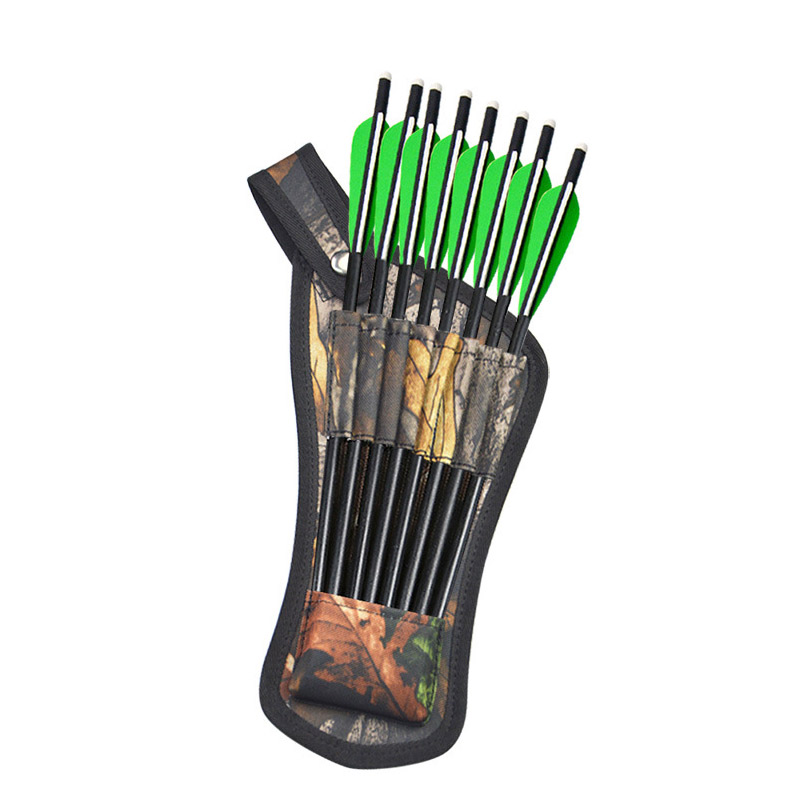
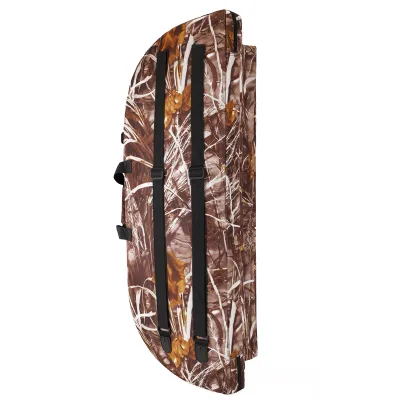
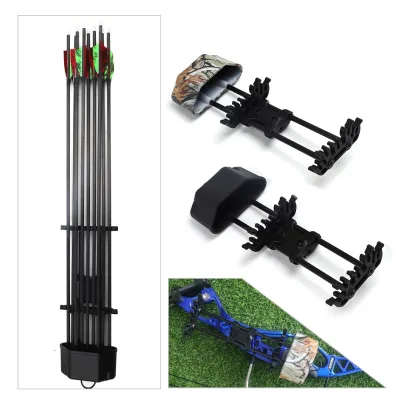
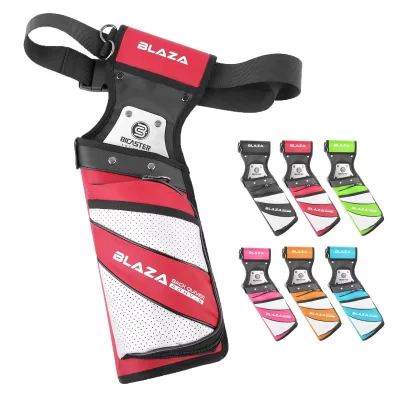
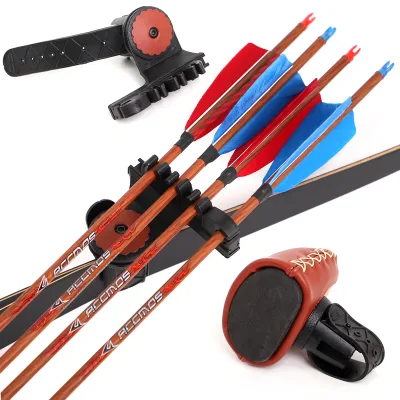
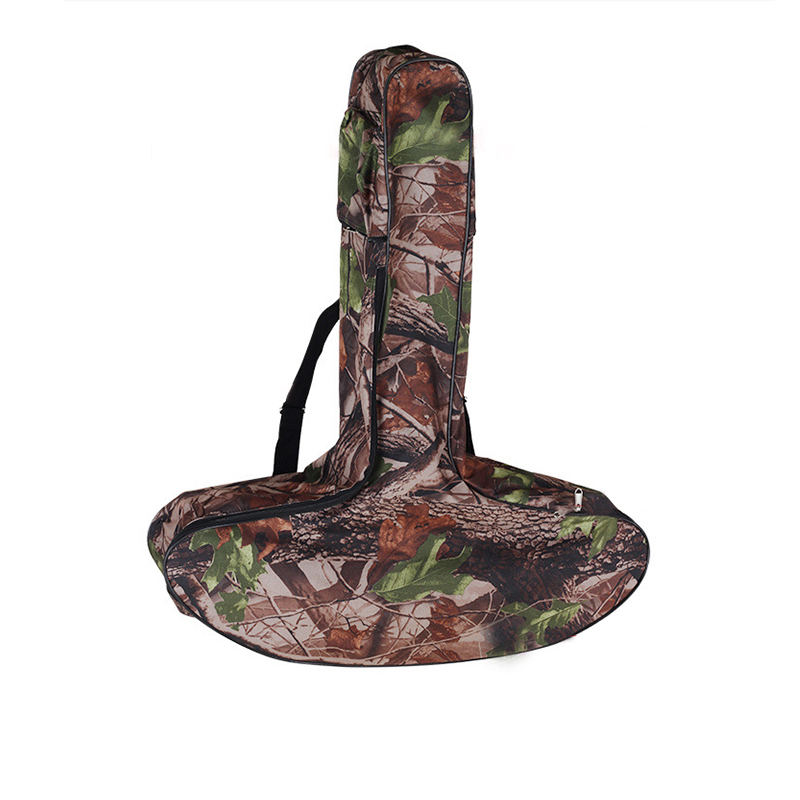
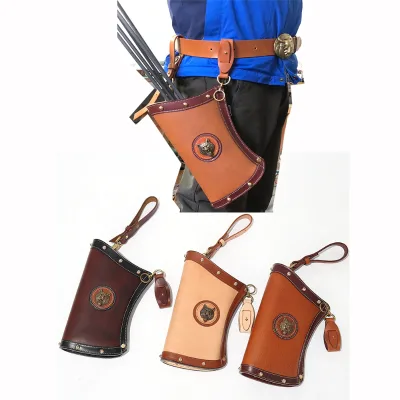
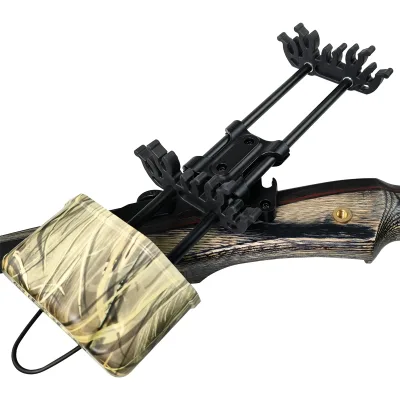
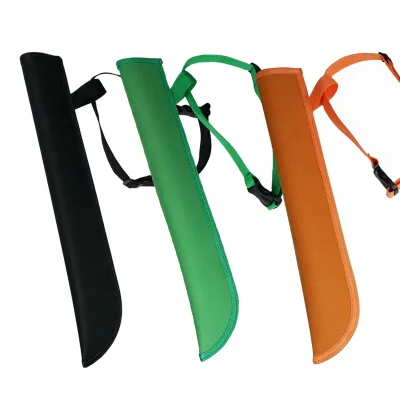
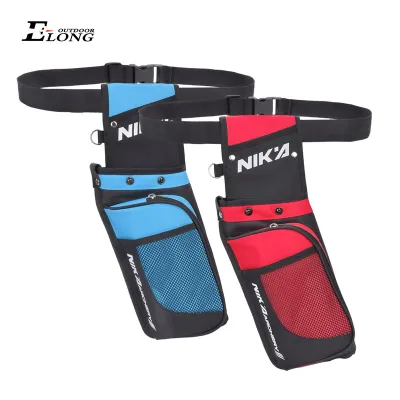
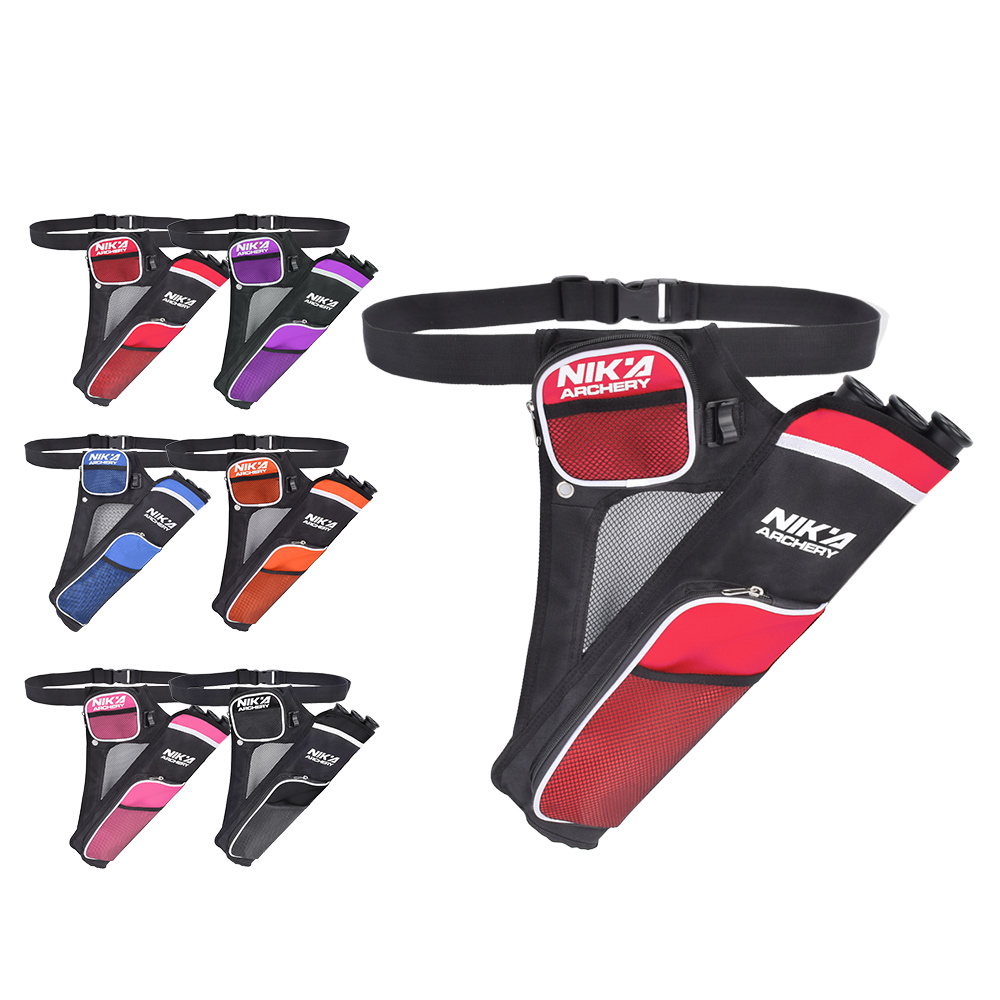

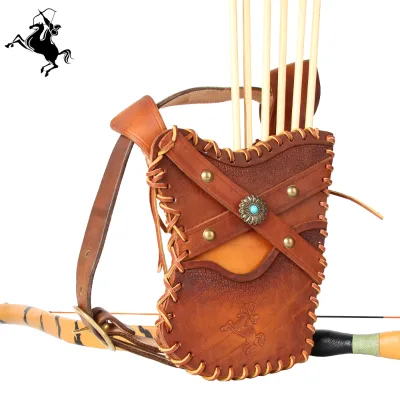
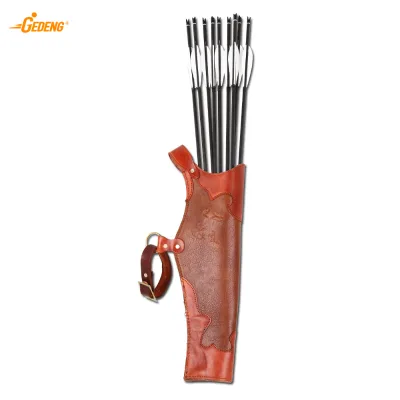


Weatherproof Louver - Size Can Be Selected Based on Your Needs
$210.00 - $230.00
MOQ: 100 Square Meters


Rainproof Louver - Standards and Customization According to Customer Specific Shapes
$210.00 - $230.00
MOQ: 100 Square Meters
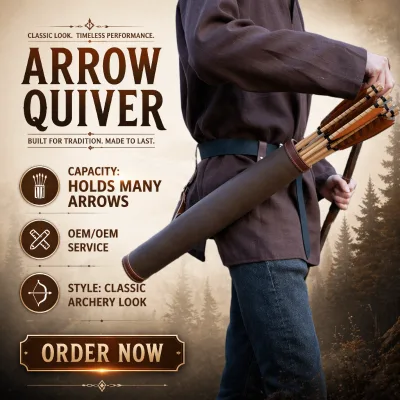
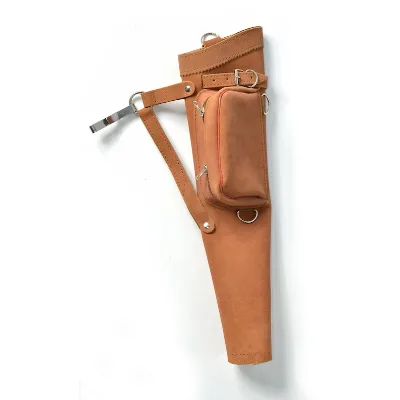
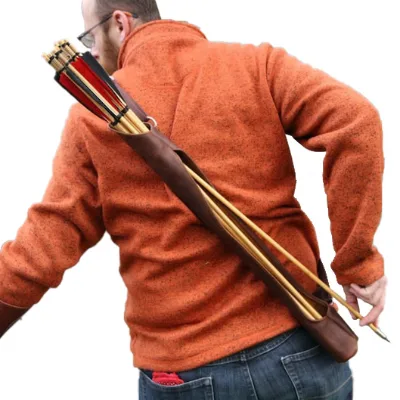
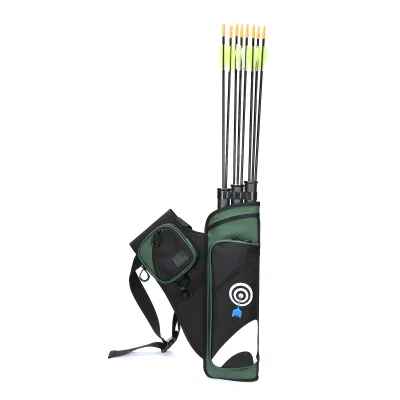
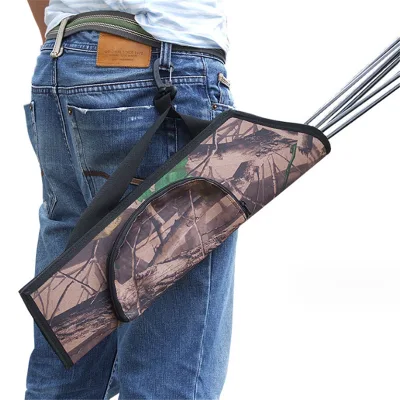


Hunting Target Arrow Bag Traditional Archery Back Shoulder Quiver Holder Bl19416
$18.89 - $22.67
MOQ: 100 Pieces
Comprehensive Sourcing Guide
Strategic Sourcing Guide for Waterproof Soft Arrow Quivers
Understanding Product Specifications and Material Composition
When sourcing a Waterproof Soft Arrow Quiver, the primary objective is to identify equipment that balances durability with the flexibility required for dynamic hunting and archery environments. The product category encompasses various configurations, from simple canvas bags to complex composite holders. A critical observation in the current market is the diversity of materials used. While some listings specify "Canvas" as the primary material, others utilize "ABS" plastic or combinations of "Plastic+Rubber" to achieve structural integrity. The term "soft" in the product title often implies a fabric-based construction, yet the market data indicates that "soft" quivers may also incorporate rigid elements like ABS or rubberized components for arrow retention and protection.
Buyers must scrutinize the specific material composition provided by suppliers. For applications requiring high durability, canvas offers a traditional, rugged aesthetic, but its water resistance is often dependent on a specific coating or treatment not always explicitly detailed in standard listings. Conversely, products utilizing ABS or rubberized plastics may offer superior inherent water resistance and impact protection, though they may lack the pliability of fabric options. The "Shaft Material" compatibility is another vital specification. The supply chain shows support for a wide array of arrow shafts, including "Carbon," "Bamboo," "Reed," "Aluminum," and "Glass Fiber." A sourcing strategy must ensure the quiver's internal geometry accommodates the specific diameter and length of the arrows intended for use, as some models are designed for specific counts, such as holders for "5 arrows," while others offer "Customized Size" options.
The physical dimensions of the product are equally critical for field performance. Market observations reveal a significant variance in single package sizes, ranging from compact units measuring 17x7x1 cm to larger cases up to 50x40x8 cm. The "Length" of the quiver itself can extend to 100 cm, which is suitable for specific mounting configurations, while others are more compact, such as those measuring 31x11x7 cm. Buyers should verify that the selected quiver fits the intended mounting location, whether on a waist, hip, or back, and ensures that the "Single gross weight" does not impede mobility. Weights observed in the market range from 0.100 kg for lightweight canvas models to 3.0 kg for heavier, multi-component sets, a difference that significantly impacts user fatigue during long hunting sessions.
Technical Performance and Waterproofing Verification
The core requirement for a "waterproof" classification in an arrow quiver is often a point of confusion in B2B procurement. While the keyword implies total water impermeability, the supplied product facts do not universally confirm a specific waterproof rating (such as IPX4 or IPX7) for all listed items. Instead, the attribute "Durable" is frequently cited, which may encompass water resistance but does not guarantee submersion capability. Buyers must distinguish between water-resistant coatings and fully waterproof construction.
To verify waterproof claims, procurement teams should request specific test data or material certifications from the supplier. The "Material" attribute is a starting point; for instance, canvas requires a wax or polymer treatment to achieve water resistance, whereas ABS plastic is inherently water-resistant. However, the presence of "Plastic+Rubber" in some listings suggests a design focused on sealing and impact protection, which often correlates with better moisture management. The "Color" options, including "Blue," "Black," "Purple," "Dark Gray," and "Camo," can also influence performance; darker colors and camouflage patterns are standard for hunting applications, but the dyeing process used can affect the material's porosity.
Furthermore, the "Packaging Details" and "Package" type provide indirect clues about the product's robustness. Items shipped in "Carton" packaging with a "Single package size" of 50x40x8 cm often indicate a more substantial product that may include internal protective layers. In contrast, items packed in "1pcs/opp" (polybag) with minimal dimensions (17x7x1 cm) suggest a lightweight, potentially less protected unit. Buyers should explicitly ask suppliers about the seam construction of soft quivers. Even if the fabric is water-resistant, stitched seams can be entry points for moisture. The absence of a specific "Waterproof" certification in the provided facts necessitates a rigorous verification process where the buyer demands proof of water testing, such as spray tests or immersion trials, rather than relying solely on marketing descriptors.
Cost Drivers and Pricing Structure Analysis
The pricing landscape for waterproof soft arrow quivers is characterized by a wide range, with observed values spanning from $0.90 to $230.00 USD. This substantial variance is driven by several key factors, including material quality, brand positioning, and the complexity of the design. The "Brand Name" attribute reveals a split between OEM (Original Equipment Manufacturer) products and branded items like "CUPID." OEM products typically offer a lower price point, as they lack the marketing overhead and brand premium associated with established names. However, branded items often come with a higher assurance of consistent quality control and after-sales support.
Material costs are a primary driver of price. Quivers made from standard canvas or basic plastic components tend to fall on the lower end of the price spectrum. In contrast, those incorporating high-grade carbon fiber compatibility, specialized rubberized seals, or custom-molded ABS components command higher prices. The "Model Number" also plays a role; specific models like "HM-SHOOTS" or "TP715 camo" may represent specialized designs that justify a premium. Additionally, the "Supply Ability" of the manufacturer, listed as 10,000 pieces per month for some vendors, suggests a capacity for large-scale production which can stabilize unit costs for bulk orders.
The "MOQ" (Minimum Order Quantity) is another critical cost factor. The observed MOQ range is 1 to 500 pieces, with specific listings showing an MOQ of 5 pieces. For buyers with smaller inventory needs, the lower MOQ allows for testing the market with minimal capital risk. However, for large-scale procurement, negotiating a lower unit price based on higher volume is essential. The "Selling Units" being listed as "Single item" indicates that pricing is typically per unit, but bulk discounts are often available for orders exceeding the MOQ. Buyers must also consider the "Single gross weight" and "Net weight" when calculating shipping costs, as heavier items like the 3.0 kg models will incur higher freight charges, impacting the total landed cost.
Compliance, Certification, and Safety Standards
In the B2B procurement of archery and hunting equipment, compliance with safety and environmental standards is paramount. While the supplied product facts do not explicitly list specific certifications (such as ISO or CE), buyers must assume that compliance is a prerequisite for market entry in many regions. The "Use" and "Application" attributes, such as "Hunting," "Shooting," and "Archery Bow Hunting," indicate that the products are intended for high-risk activities where failure of equipment can lead to injury. Therefore, verifying that the materials used are non-toxic and safe for handling is essential.
Buyers should request documentation regarding the chemical composition of the materials, particularly for the "Plastic+Rubber" and "Canvas" components. Many jurisdictions have strict regulations regarding the use of certain dyes and chemical treatments in outdoor gear. The "Color" options, including "Camo," often require specific dyeing processes that must be compliant with environmental standards. Additionally, the "Shaft Material" compatibility must be verified to ensure that the quiver does not introduce hazards, such as sharp edges or unstable retention mechanisms that could cause arrow misfires.
Although specific certification numbers are not provided in the source data, the "Feature" attribute of "Durable" implies a baseline quality standard. Buyers should ask suppliers to provide test reports for durability, such as tensile strength tests for the fabric or impact resistance tests for plastic components. For products claiming to be "waterproof," compliance with relevant water resistance standards should be verified. The "Place of Origin" being listed as "Henan, China" for some items suggests that buyers should be aware of the manufacturing standards prevalent in that region and ensure that the supplier adheres to international quality benchmarks.
Supplier Evaluation and Supply Chain Reliability
Evaluating a supplier for waterproof soft arrow quivers requires a deep dive into their production capabilities and logistical reliability. The "Supply Ability" of 10,000 pieces per month is a strong indicator of a manufacturer's capacity to handle large orders, but it is essential to verify if this capacity is consistent or if it fluctuates based on raw material availability. The "Port of dispatch" being "Shenzhen" is a significant advantage, as it is a major logistics hub with well-established shipping routes to global markets. This location typically ensures efficient export processing and reliable freight options.
The "Brand Name" attribute offers insight into the supplier's business model. OEM suppliers may offer more flexibility in customization, such as "Customized Size" and private labeling, which is valuable for buyers looking to create a unique product line. Branded suppliers like "CUPID" may offer less customization but provide a proven track record of product performance. Buyers should assess the supplier's responsiveness to inquiries regarding "Packaging Details" and "Single package size," as these factors affect storage and shipping efficiency.
Furthermore, the "Combo Set Offered" attribute, with some listings offering a set of 3, indicates that the supplier may have a diversified product range. This can be beneficial for buyers seeking a comprehensive solution for their archery needs. However, it is crucial to ensure that the supplier can maintain quality control across all items in the combo. The "Type" of product, ranging from "Bow & Arrow Set" to specific "Arrow Quiver" models, suggests that the supplier may specialize in different segments of the archery market. Buyers should verify the supplier's experience in the specific segment they are targeting to ensure they have the necessary expertise and quality control measures in place.
Quality Control and Long-Term Procurement Strategy
Implementing a robust quality control (QC) strategy is essential for ensuring the long-term success of sourcing waterproof soft arrow quivers. Given the variance in "Material" and "Construction" observed in the market, a standardized QC protocol is necessary. This should include visual inspections for defects in stitching, material consistency, and color accuracy. For waterproof claims, random sampling for water resistance testing should be conducted to verify the supplier's assertions. The "Weight" specifications, such as "500g" or "1.1kg," should be verified to ensure they match the product description, as discrepancies can indicate quality issues or material substitution.
Long-term procurement considerations involve building a sustainable relationship with the supplier. The "MOQ" flexibility observed, ranging from 1 to 500 pieces, allows buyers to start with small orders and scale up as demand grows. This flexibility is crucial for managing inventory risk and testing the market. Buyers should also consider the "Lead time" and "Production capacity" when planning their procurement cycles. A supplier with a "Supply Ability" of 10,000 pieces per month is better positioned to handle sudden spikes in demand compared to smaller manufacturers.
Finally, buyers should establish clear communication channels with the supplier regarding any changes in specifications or materials. The "Model Number" and "Size" attributes are critical for maintaining consistency in the product line. Any deviation from these specifications should be documented and approved by the buyer. By focusing on these quality control and strategic planning aspects, buyers can ensure a steady supply of high-quality waterproof soft arrow quivers that meet the rigorous demands of the hunting and archery markets.
FAQs
What materials are used for waterproof soft arrow quivers?
Common materials include canvas, ABS plastic, and plastic-rubber combinations. Canvas offers durability but may require coating for water resistance, while ABS and rubberized plastics provide inherent moisture protection and impact safety for hunting applications.
Which size options are available for these quivers?
Available sizes range from compact units like 17x7x1 cm to larger cases measuring 50x40x8 cm. Some models offer customized sizes, while others have fixed dimensions such as 31x11x7 cm or a length of 100 cm for specific mounting needs.
How much does a Waterproof Soft Arrow Quiver cost?
Prices typically range from 0.90 to 230 USD per unit depending on material and brand. OEM products often cost less than branded items like CUPID, and the final price is influenced by the specific model number and included features.
Can I find suppliers with low minimum order quantities?
Yes, some suppliers offer minimum order quantities as low as 5 pieces, while others require up to 500. Buyers can select vendors based on their specific inventory needs, with many capable of supplying 10,000 pieces per month for larger orders.
What is the lead time for dispatching these products?
Products are typically dispatched from Shenzhen, China, with a supply ability of 10,000 pieces per month. While specific lead times vary by supplier, the established port ensures efficient logistics for global buyers seeking reliable delivery schedules.
Which arrow shaft materials are compatible with these quivers?
These quivers support shafts made of carbon, bamboo, reed, aluminum, and glass fiber. The internal geometry is designed to accommodate various diameters, with some holders specifically configured for 5 arrows or other customized counts.