Source Waterproof Slow Recovery Kneeling Pad for sports, construction, and gardening
Compare 30 listings for a Waterproof Slow Recovery Kneeling Pad suitable for sports, construction, and gardening. Buyers can evaluate materials like EVA and NBR, customization options, and specifications to find the right supplier.
Key considerations
Products List


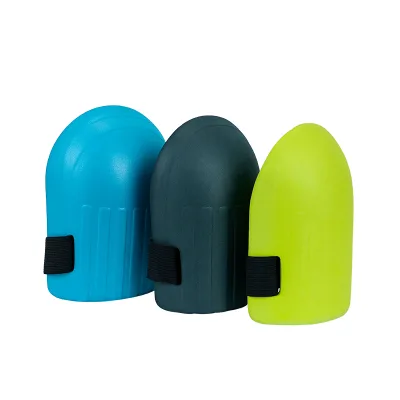


$0.25 - $0.35
MOQ: 2000 Pieces


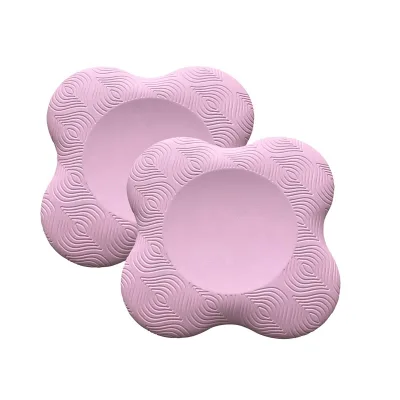


Cushioned Knee Pads, Rolling Knee Pads, Wheeled Knee Pad, Kneeling Protection Bl13281
$6.67 - $8.00
MOQ: 100 Pieces

Adjustable EVA Sponge Anti-Collision Knee Pads
$6.16 - $7.70
MOQ: 13 Pieces
Jinhua Hengyang Cross-Border Trade Limited Liability Company


Comprehensive Sourcing Guide
Waterproof Slow Recovery Kneeling Pad Sourcing Guide
Sourcing waterproof slow recovery kneeling pads requires a careful balance between material performance, ergonomic design, and commercial viability. These products are primarily designed for adults who require joint support during sports, medical procedures, or prolonged kneeling tasks. The core value proposition lies in the combination of water-resistant surfaces and high-density foam that slowly returns to its original shape after compression, reducing fatigue and protecting the knees from hard surfaces. Buyers must navigate a market where specifications vary significantly, from basic EVA sheets to specialized medical-grade supports, ensuring that the selected product meets both functional durability and user comfort requirements.
The procurement landscape for these items is diverse, with manufacturers offering extensive customization options to meet specific brand or functional needs. Key attributes such as tensile strength, water absorption rates, and hardness levels are critical differentiators that influence the final product’s performance. While some listings emphasize general health care features, others focus on specific sports applications like elbow or knee protection. Understanding these distinctions is essential for aligning product selection with the intended use case, whether it involves industrial safety, athletic performance, or medical assistance.
Product Scope and Observed Listing Signals
The observed market signals indicate a wide range of product types, from generic color plastic sheets to specialized kneepads and elbow pads. Materials commonly cited include NBR+Vinyl Dipping, EVA, Nylon, and Rubber, each offering distinct advantages in terms of durability, flexibility, and water resistance. For instance, NBR+Vinyl combinations are often preferred for their superior waterproofing and comfort, while EVA provides a lightweight and cost-effective alternative. The presence of products labeled as "Health Care" or "Support" suggests a strong demand for ergonomic solutions that address joint strain, while "Sport" labeled items focus on impact protection and mobility.
Customization is a dominant feature in this category, with suppliers accepting requests for specific sizes, colors, and branding. The ability to print logos and offer private labeling is widely available, making these products suitable for corporate gifting or branded athletic gear. However, buyers should note that minimum order quantities (MOQs) can vary significantly, ranging from small batches for sampling to large volumes for mass production. Some listings indicate an MOQ of 5000 pieces, while others may accommodate smaller orders, requiring careful negotiation to align with inventory constraints and budgetary limits.
Technical Specifications to Verify
When evaluating technical specifications, tensile strength and contraction percentage are critical indicators of material durability and shape retention. Products with a tensile strength ranging from 81 to 130 MPa offer robust resistance to tearing and deformation under load, which is essential for long-term use in demanding environments. Additionally, a contraction percentage of less than 0.4% ensures that the pad maintains its structural integrity and fit over time, preventing sagging or misalignment that could compromise user comfort and safety. These metrics should be verified through supplier documentation or third-party testing to ensure consistency across production batches.
Water absorption rates and hardness levels are equally important for determining the product’s suitability for wet or high-impact applications. A water absorption rate of less than 0.01% indicates excellent resistance to moisture, making the pad ideal for outdoor sports or medical settings where hygiene is paramount. Conversely, higher absorption rates, such as 1.5% to 3.5%, may be acceptable for dry indoor environments but could lead to mold growth or material degradation if exposed to water. Hardness, often customizable to user preference, should be selected based on the desired balance between cushioning and support, with medium thickness being a common choice for general use.
Compliance and Safety Documentation
Compliance with safety standards is a non-negotiable aspect of sourcing kneeling pads, particularly for medical or industrial applications. Buyers should request certificates such as Medical CE to verify that the product meets European health, safety, and environmental protection standards. These certifications ensure that the materials used are non-toxic and safe for prolonged skin contact, reducing the risk of allergic reactions or irritation. It is crucial to validate these documents directly with the supplier or through accredited testing laboratories to avoid counterfeit or outdated certifications.
In addition to material safety, buyers should inquire about adherence to specific industry standards, such as EN 14404, which may apply to protective equipment used in sports or occupational settings. While not all products may explicitly reference these standards, suppliers should be able to provide evidence of compliance or explain any deviations. Documentation should also include details on quality control processes, such as inspections for defects in stitching, material consistency, and packaging integrity, to ensure that the final product meets the agreed-upon specifications.
Cost Drivers and Commercial Terms
Cost drivers for waterproof slow recovery kneeling pads include material selection, customization complexity, and order volume. Premium materials like NBR+Vinyl or specialized rubber compounds typically command higher prices due to their superior performance characteristics, while EVA-based products offer a more budget-friendly option. Customization features, such as private labeling, specific color matching, or unique packaging, can also increase costs, as they require additional production steps and resource allocation. Buyers should negotiate these variables carefully to optimize their budget without compromising on essential quality attributes.
Commercial terms, including payment methods and shipping conditions, play a significant role in the overall procurement strategy. Common payment terms include L/C (Letter of Credit) and T/T (Telegraphic Transfer), which provide varying levels of security for both buyers and suppliers. Shipping dimensions and packaging methods, such as OPP bags, plastic films, or cartons, should be considered to minimize logistics costs and ensure safe delivery. Buyers should also clarify lead times and production schedules to align with their inventory needs and avoid delays that could impact downstream operations.
Supplier Qualification and Quality Control
Supplier qualification involves assessing the manufacturer’s production capabilities, quality management systems, and track record. Buyers should verify the supplier’s origin, with many manufacturers located in regions like Zhejiang and Dongguan in China, known for their expertise in foam and protective gear production. It is essential to request samples for physical inspection, evaluating factors such as material consistency, stitching quality, and overall durability. Suppliers that offer OEM services and private labeling should demonstrate a robust quality control process to ensure that customized products meet the same high standards as standard items.
Quality control checks should extend beyond initial sampling to include ongoing monitoring during production. Buyers should establish clear acceptance criteria for defects, such as uneven thickness, color mismatches, or packaging damage, and communicate these expectations to the supplier. Regular audits or third-party inspections can provide additional assurance of product quality and compliance with agreed-upon specifications. Building a transparent communication channel with the supplier is crucial for addressing any issues promptly and maintaining a reliable supply chain.
Long-Term Procurement Checks
Long-term procurement success depends on establishing a sustainable relationship with suppliers that prioritizes continuous improvement and adaptability. Buyers should regularly review product performance in the field, gathering feedback from end-users to identify areas for enhancement. This feedback loop can inform future design iterations, material selections, and customization options, ensuring that the products remain relevant and competitive in the market. Suppliers that are responsive to these insights and willing to collaborate on innovation are valuable partners for long-term growth.
Additionally, buyers should monitor market trends and regulatory changes that may impact product requirements or sourcing strategies. Staying informed about new materials, technologies, or compliance standards can help anticipate shifts in demand and adjust procurement plans accordingly. Regularly evaluating supplier performance against key metrics, such as on-time delivery, product quality, and cost efficiency, ensures that the supply chain remains resilient and aligned with business objectives. By maintaining a proactive approach to supplier management, buyers can mitigate risks and secure a steady supply of high-quality waterproof slow recovery kneeling pads.
FAQs
What materials are used for waterproof slow recovery kneeling pads?
These pads are commonly made from NBR+Vinyl Dipping or EVA materials. Some variants also utilize Nylon or Rubber for enhanced durability. The specific material depends on the manufacturer's design and intended application for health care or sports support.
Can I request custom colors and sizes for these kneeling pads?
Yes, customization is available for color and size specifications. Buyers can request any color and specific dimensions as per their requirements. This flexibility allows for tailored solutions to meet unique project needs or branding preferences.
What is the typical water absorption rate for these pads?
Water absorption varies by material, ranging from 1.5% to 3.5% for some types. Other materials like Nylon exhibit a much lower rate of less than 0.01%. This ensures the product remains effective and durable in wet conditions.
Which certifications are available for medical grade kneeling pads?
Medical CE certification is available for specific product models. This ensures the product meets necessary safety and quality standards for health care applications. Buyers should verify the specific model number to confirm certification status before ordering.
How does the hardness of the pad affect its performance?
Hardness is adjustable and can be set as per your request. This allows users to select the firmness level that best suits their comfort or support needs. The product is designed to offer both health care benefits and physical support.
What are the standard packaging options for these products?
Packaging options include OPP bags, plastic film, or cartons depending on the order. Some suppliers also offer polybag packaging with OEM private label acceptance. The specific packing method is often determined by the product model and buyer requirements.
Where are these waterproof kneeling pads typically manufactured?
Manufacturing locations include Zhejiang, Dongguan, and other regions in China. The origin is specified for each product model to ensure transparency. Buyers can select suppliers based on their preferred geographic location for logistics or quality assurance.