Source Waterproof SIP IP Intercom for Hotels, Hospitals, Factories
Compare 28 Waterproof SIP IP Intercom units from verified Chinese manufacturers. These wired devices feature stainless steel or aluminum alloy casings, support SIP protocols, and offer wall-mounted installation for commercial, medical, and industrial applications; compare the available evidence and request quotations based on your requirements.
Key considerations
Products List


Building Security Door Phone SIP Talking Doorbell Intercom with Fully Waterproof Design
$138.00 - $145.00
MOQ: 1 Pieces


SIP Weatherproof Handsfree Emergency Intercom IP65 Vandal Resistant Telephone
$199.00 - $226.00
MOQ: 1 Pieces


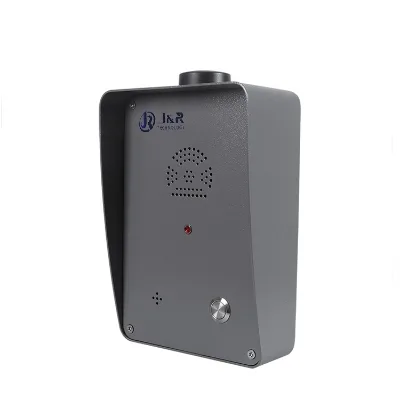
VoIP/SIP Outdoor Intercom,GSM/3G Emergency Hands-free Intercom for Gate
$159.00 - $379.00
MOQ: 1 units





Comprehensive Sourcing Guide
Waterproof SIP IP Intercom Sourcing Guide
Procuring waterproof SIP IP intercoms requires a strategic balance between rugged hardware durability and robust network integration capabilities. Buyers must prioritize devices that support standard Session Initiation Protocol (SIP) and IAX2 protocols to ensure seamless compatibility with existing VoIP infrastructure. The observed market includes models like the Q514, Q504, and Q520, which demonstrate varying form factors and mounting options. Understanding these technical distinctions is critical for selecting a unit that fits both the physical environment and the communication architecture.
The physical construction of these units often involves stainless steel or aluminum alloy casings to withstand harsh outdoor conditions. Features such as vandal resistance, hands-free operation, and loud speakers are common in commercial and industrial applications. Buyers should verify that the device supports multiple network configurations, including Static, DHCP, PPPoE, and VPN connections. This flexibility ensures reliable connectivity in diverse deployment scenarios, from secure enterprise campuses to public entertainment venues.
Product Scope and Observed Listing Signals
The current market for waterproof SIP IP intercoms presents a wide range of options, with observed prices spanning from $1 to $399 USD. This variance reflects differences in material quality, feature sets, and brand positioning. Minimum Order Quantities (MOQ) typically range from 1 to 1000 units, offering flexibility for both small-scale installations and large-scale deployments. Buyers should note that customization is widely available, allowing for tailored solutions that meet specific aesthetic or functional requirements.
Observed product attributes highlight a strong emphasis on durability and advanced connectivity. Many units feature touch keypads, SOS functions, and mixed call types, catering to high-traffic or security-sensitive environments. The presence of certifications such as CE, FCC, RoHS, and ISO indicates a baseline level of regulatory compliance in the market. However, buyers must carefully review individual product listings to confirm that specific models meet their exact technical and safety standards before proceeding with procurement.
Technical Specifications to Verify
When evaluating technical specifications, buyers must confirm the power supply method, as units may support Power over Ethernet (PoE) or require a dedicated adapter. The Q514 model, for instance, supports both PoE and adapter power, offering installation flexibility. Network protocols are another critical area; devices should support TCP/IP, SIP, and IAX2, along with advanced features like NAT traversal, STUN, and VLAN tagging. Verifying these capabilities ensures the intercom integrates smoothly with complex network environments without requiring extensive additional hardware.
Physical dimensions and material composition are equally important for installation planning. Models like the Q506 measure approximately 195x120x34mm, while others may be larger, such as the 20613642mm variant. Materials often include stainless steel bodies for corrosion resistance and aluminum alloy for lightweight durability. Buyers should also check for specific features like speed dial, hands-free operation, and vandal-resistant designs. These attributes directly impact user experience and long-term reliability in high-traffic or outdoor settings.
Compliance and Safety Documentation
Compliance documentation is essential for ensuring that purchased intercoms meet regional regulatory requirements. Common certifications observed in the market include CE, FCC, RoHS, and R&TTE, which verify electromagnetic compatibility and safety standards. Some suppliers also provide ISO and GS certifications, indicating adherence to international quality management and safety systems. Buyers must request valid certificates for each specific model, as compliance is not guaranteed across all product lines from a single manufacturer.
In addition to certifications, buyers should verify that the product meets relevant electrical safety standards for outdoor use. Waterproof ratings are critical for devices installed in exposed areas, although specific IP ratings should be confirmed in the product datasheet. The presence of a new condition status and proper packaging, such as hard paper boxes or carton boxes with pearl cotton, helps ensure the device arrives undamaged. Proper documentation also includes user manuals and installation guides, which are vital for correct setup and maintenance.
Cost Drivers and Commercial Terms
Several factors influence the final cost of waterproof SIP IP intercoms, including material quality, feature complexity, and order volume. Stainless steel and aluminum alloy casings are more expensive than plastic alternatives but offer superior durability. Advanced features like SOS buttons, loud speakers, and vandal-resistant designs also contribute to higher price points. Buyers should consider the total cost of ownership, which includes installation costs, potential network upgrades, and long-term maintenance expenses.
Commercial terms such as MOQ and lead times vary significantly among suppliers. While some suppliers offer low MOQs for trial orders, larger quantities often result in better unit pricing. Buyers should negotiate clear terms regarding shipping, warranties, and after-sales support. It is also important to clarify whether customization options incur additional costs or affect lead times. Understanding these commercial dynamics helps buyers budget accurately and avoid unexpected expenses during the procurement process.
Supplier Qualification and Quality Control
Supplier qualification is a critical step in ensuring the reliability of waterproof SIP IP intercoms. Buyers should verify the supplier’s manufacturing capabilities, quality control processes, and track record in the industry. Suppliers based in regions like Guangdong and Shenzhen, China, often have established supply chains and expertise in electronic manufacturing. However, buyers must conduct due diligence to confirm that the supplier adheres to international quality standards and provides consistent product quality.
Quality control measures should include pre-shipment inspections and testing for key features such as audio clarity, network connectivity, and waterproof integrity. Buyers should request sample units to evaluate build quality and functionality before placing large orders. Additionally, suppliers should provide clear documentation on their quality assurance processes, including material sourcing and assembly standards. Establishing a strong relationship with a qualified supplier helps mitigate risks and ensures a smooth procurement experience.
Long-Term Procurement Checks
Long-term procurement success depends on ongoing supplier performance monitoring and product lifecycle management. Buyers should regularly review supplier performance metrics, including delivery times, product defect rates, and customer support responsiveness. Maintaining open communication with suppliers allows for timely resolution of issues and ensures that future orders meet evolving requirements. Buyers should also stay informed about technological advancements in SIP intercoms to ensure their procurement strategy remains relevant.
Product lifecycle considerations include availability of spare parts, software updates, and end-of-life notifications. Buyers should verify that suppliers offer long-term support for the models they purchase, especially for critical infrastructure applications. Regular audits of installed units can help identify potential issues early and prevent costly downtime. By implementing a proactive procurement strategy, buyers can ensure their Waterproof SIP IP Intercom systems remain reliable and effective over their entire operational lifespan.
FAQs
What customization options are available for these intercoms?
Customization is available for these waterproof SIP IP intercoms to meet specific buyer needs. You can request tailored features such as color variations or specific material finishes like stainless steel or aluminum alloy. This flexibility allows businesses to adapt the device for medical, commercial, or industrial environments without compromising the core waterproof and wired functionality.
Which certifications do these IP door phones hold?
These IP door phones hold multiple recognized certifications including CE, FCC, RoHS, and ISO. Some models also meet R&TTE standards and GS requirements. These certifications ensure the devices comply with international safety and electromagnetic compatibility regulations, making them suitable for deployment in various global markets and commercial building applications.
How is the power supply configured for these units?
The power supply is configured to support either Power over Ethernet or an external adapter for flexibility. The devices accept a power input range of 12 to 24 volts DC. This dual power capability ensures reliable operation in different installation scenarios while maintaining the wired connection required for stable SIP and TCP/IP network communication.
Can these intercoms support various network protocols?
Yes, these intercoms support a wide range of network protocols including SIP, IAX2, TCP/IP, and VPN. They handle Static, DHCP, PPPoE, and VLAN configurations effectively. This robust networking support allows seamless integration into existing enterprise infrastructure while enabling features like video calling and remote access through secure connections.
What materials are used for the intercom casing?
The casing is constructed from durable materials such as stainless steel and aluminum alloy. This construction ensures the unit is vandal-resistant and suitable for harsh environments. The robust build quality protects the internal components while maintaining a sleek appearance, making it ideal for both indoor and outdoor installations requiring high security.
Which installation methods are supported for these devices?
These devices support wall-mounted installation for secure and stable placement. The compact dimensions allow for easy integration into various entry points. The design accommodates standard mounting requirements while ensuring the waterproof rating remains intact, providing reliable performance for door access control and intercom communication in commercial or industrial settings.