Source Waterproof Soft PVC Faux Leather for bags, car seats, and furniture
Explore 30 listings of Waterproof Soft PVC Faux Leather suitable for bags, car seats, and furniture. Buyers can compare specifications like thickness, width, and customization options to find the right material for their projects.
Key considerations
Products List


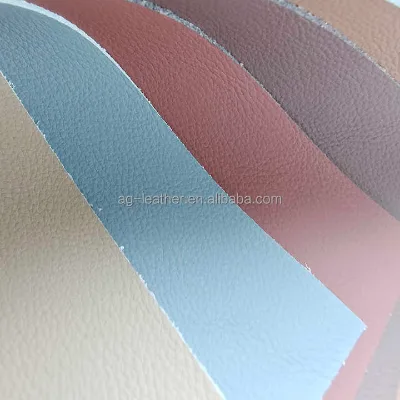


Comprehensive Sourcing Guide
Waterproof Soft PVC Faux Leather Sourcing Guide
Sourcing Waterproof Soft PVC Faux Leather requires a disciplined approach to material verification, as the term "PVC" covers a wide spectrum of formulations and performance characteristics. Buyers must distinguish between genuine polyvinyl chloride products and other synthetic alternatives, such as PU (polyurethane), which may appear similar in marketing but differ significantly in composition, durability, and end-use suitability. The core keyword highlights specific attributes—waterproofing and softness—that are critical for applications ranging from automotive interiors to fashion accessories. However, these attributes are not universal across all listings; they must be verified against specific product models and technical data sheets provided by the supplier.
This guide focuses on evidence-based procurement strategies for buyers seeking reliable suppliers of PVC-based synthetic leather. It emphasizes the importance of cross-referencing observed listing signals with technical specifications to avoid mismatches in material properties. By understanding the typical structure of these materials, such as the combination of a PVC top layer with a polyester knitting fabric backing, buyers can better assess quality and suitability. The following sections provide a structured framework for evaluating suppliers, verifying technical claims, and managing commercial risks associated with this category of industrial and consumer materials.
Product Scope and Observed Listing Signals
The product scope for Waterproof Soft PVC Faux Leather encompasses a diverse range of applications, including bags, car seats, furniture, belts, and home textiles. Observed listing signals indicate that these materials are often marketed with features such as anti-mildew properties, abrasion resistance, and a soft, silky hand feel. These attributes suggest suitability for high-touch or high-wear environments, such as automotive interiors or footwear. However, buyers should note that while "softness" is a common claim, the actual tactile experience can vary based on the specific formulation and backing material. It is essential to request physical samples to verify the hand feel and flexibility before committing to large orders.
Listing data reveals variations in material composition, with some products explicitly identified as PVC and others as PU. For instance, specific models like JXTS055 and 250703016Z are associated with PVC material and a 100% polyester knitting fabric backing, while others may use different base materials. The observed width for these materials is typically 54/55 inches, a standard width for textile and leather substitutes. Buyers must carefully review the "Material" attribute in each listing to ensure they are sourcing the correct polymer type, as PVC and PU have different environmental profiles, cost structures, and performance characteristics. Misidentifying the material type can lead to significant issues in manufacturing and end-product performance.
Technical Specifications to Verify
Thickness is a critical technical specification that directly impacts the durability and application suitability of PVC faux leather. Observed data indicates a range of thicknesses, including 0.7mm, 0.8mm, 1.0mm, and ranges up to 1.2mm. Thicker materials, such as those at 1.0mm or above, are generally more suitable for heavy-duty applications like car seats or furniture, where abrasion resistance and structural integrity are paramount. Thinner variants, around 0.7mm to 0.8mm, may be preferred for bags, gloves, or decorative items where flexibility and weight are more important. Buyers should verify the exact thickness for each order, as this parameter is often a key differentiator in pricing and performance.
The backing material and roll specifications are equally important for production planning. Most observed PVC products utilize a 100% polyester knitting fabric backing, which provides strength and dimensional stability. Roll lengths typically range from 25 to 50 meters, with some suppliers offering customized lengths. Standard roll standards often cite 50 meters per roll, but buyers must confirm if this is a strict standard or a flexible guideline. Additionally, the pattern of the material, whether embossed or printed, affects the aesthetic and functional properties. Embossed patterns can enhance grip and hide minor surface imperfections, while printed patterns offer greater design flexibility. Buyers should specify their preferred pattern type and verify its consistency across the roll.
Compliance and Safety Documentation
Compliance with international standards is essential for PVC faux leather, particularly for applications involving direct human contact or indoor use. While specific certification statuses are not universally listed in general product descriptions, buyers should proactively request documentation related to chemical safety and flammability. Common standards to verify include REACH for chemical restrictions in the European Union and Prop 65 for California, which regulate the presence of harmful substances like phthalates and heavy metals. Buyers must ensure that the supplier can provide test reports confirming that the PVC formulation meets these regulatory requirements, especially for products intended for children or sensitive environments.
Flammability standards are another critical area of compliance, particularly for automotive and furniture applications. Buyers should inquire about the material's flammability rating and request relevant test data. While ISO 811 is mentioned in background contexts, it is not a definitive standard for PVC leather compliance and should not be assumed to apply without verification. Instead, buyers should ask for specific test results from accredited laboratories, such as those conforming to FMVSS 302 for automotive interiors or BS 5852 for furniture upholstery. Ensuring that the material meets the appropriate flammability standards for the target market is crucial to avoid legal liabilities and product recalls.
Cost Drivers and Commercial Terms
Cost drivers for PVC faux leather include material composition, thickness, and customization requirements. Thicker materials and those with specialized features, such as anti-mildew or enhanced abrasion resistance, typically command higher prices. Customization options, such as specific colors, patterns, or roll lengths, can also impact the final cost. Observed price ranges vary significantly, reflecting differences in quality, supplier location, and order volume. Buyers should expect prices to fluctuate based on the raw material costs of PVC and polyester, as well as the complexity of the manufacturing process. It is advisable to request detailed quotations that break down costs by material, customization, and logistics.
Minimum Order Quantities (MOQs) are a significant commercial term that affects procurement flexibility. Observed MOQs range from 1 meter for sampling purposes to 1500 meters for bulk orders, with some suppliers specifying 1000 meters per color. High MOQs can be a barrier for small businesses or those testing new designs, so buyers should negotiate MOQs based on their production needs. Additionally, payment terms and lead times should be clearly defined in the contract. Buyers should verify the supplier's production capacity and lead times to ensure they can meet delivery deadlines, especially for customized orders. Understanding these commercial terms helps in planning inventory and cash flow effectively.
Supplier Qualification and Quality Control
Supplier qualification is a critical step in ensuring the reliability of PVC faux leather sourcing. Buyers should verify the supplier's manufacturing capabilities, including their production lines, quality control processes, and experience in the synthetic leather industry. Suppliers located in regions like Jiangsu and Hebei in China are common sources for these materials, but buyers should not rely solely on location as an indicator of quality. Instead, they should conduct due diligence by reviewing the supplier's business license, export history, and customer references. Requesting a factory audit or third-party inspection can provide valuable insights into the supplier's operational standards and compliance practices.
Quality control measures should be established before production begins to minimize the risk of defects. Buyers should define clear quality standards for color consistency, thickness tolerance, and surface finish. It is advisable to agree on a pre-production sample approval process, where the supplier provides a sample for verification before mass production. During production, buyers should consider implementing in-process inspections to catch any deviations early. Post-production, random sampling and testing should be conducted to ensure that the final products meet the agreed specifications. Establishing a robust quality control framework helps in maintaining consistency and reducing the likelihood of disputes or returns.
Long-Term Procurement Checks
Long-term procurement success depends on continuous monitoring of supplier performance and market trends. Buyers should regularly review supplier delivery times, product quality, and responsiveness to issues. Establishing a scorecard system to track these metrics can help in identifying underperforming suppliers and making informed decisions about future orders. Additionally, buyers should stay updated on changes in material regulations and market conditions that may affect the availability and cost of PVC faux leather. Building a diversified supplier base can mitigate risks associated with single-source dependencies and ensure continuity of supply.
Sustainability and environmental considerations are increasingly important in the procurement of synthetic materials. Buyers should inquire about the supplier's efforts to reduce environmental impact, such as using recycled materials or implementing eco-friendly manufacturing processes. While PVC is not biodegradable, some suppliers may offer formulations with reduced environmental footprints. Buyers should also consider the end-of-life options for the products made from PVC faux leather, such as recyclability or disposal methods. By integrating sustainability into their procurement strategy, buyers can align with global trends and meet the expectations of environmentally conscious consumers.
FAQs
What is the thickness of the Waterproof Soft PVC Faux Leather?
The thickness varies by model, with observed values of 0.7mm, 0.8mm, 1.0mm, and a range of 0.8 to 1.2mm. Specific products like model JXTS055 are 0.7mm thick, while others may reach 1.0mm or higher depending on the customization and intended application.
Can I customize the color and pattern of this material?
Yes, customization is available for both color and pattern. The material comes in various colors and can be customized to specific requirements. Patterns include embossed and printed options, allowing buyers to tailor the aesthetic to their specific design needs.
What is the minimum order quantity for this product?
The minimum order quantity ranges from 1 meter to 1500 meters depending on the supplier and specific product model. Some listings specify an MOQ of 1000 meters per color, while others may accept orders as low as 1 meter for testing or small batches.
Which features make this PVC leather suitable for car seats?
This material is suitable for car seats due to its waterproof, anti-mildew, and abrasion-resistant properties. It also features a soft, elastic, and smooth hand feeling, backed by 100% polyester knitting fabric, ensuring durability and comfort for automotive upholstery applications.
How is the product packed and what is the roll length?
The product is typically packed by roll, with some items also available in poly bags or boxes. Standard roll lengths are 25 to 50 meters, though customized lengths are possible. Specific standards often cite 50 meters per roll for standard packaging configurations.
Where is this Waterproof Soft PVC Faux Leather manufactured?
The product originates from China, with specific manufacturing locations noted in Jiangsu and Hebei provinces. These regions are known for producing synthetic leather materials that meet various international standards and customization requirements for global buyers.
What are the common applications for this synthetic leather?
Common applications include bags, sofa upholstery, car seats, belts, shoes, and home textiles. The material is versatile enough for decorative items, furniture, gloves, and even raincoats, making it suitable for a wide range of industrial and consumer goods.