Source Waterproof Soft RV Mat for picnics, barbeques, and camping
Find 30 Waterproof Soft RV Mat options for outdoor activities like picnics and barbeques. Compare specifications including material, size, and customization features from verified suppliers.
Key considerations
Products List
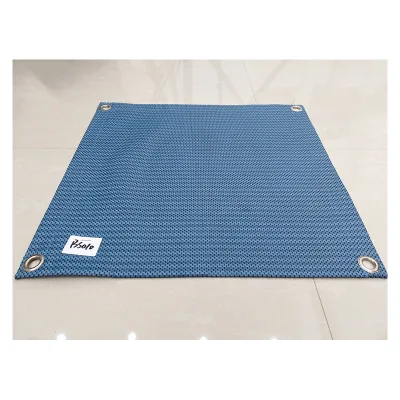


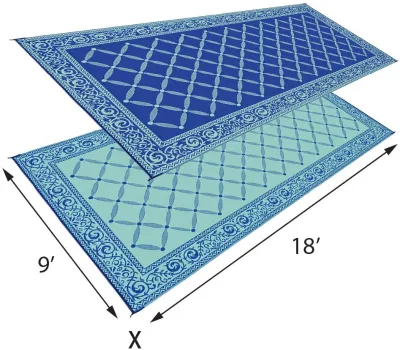


$3.00 - $13.00
MOQ: 1000 Pieces


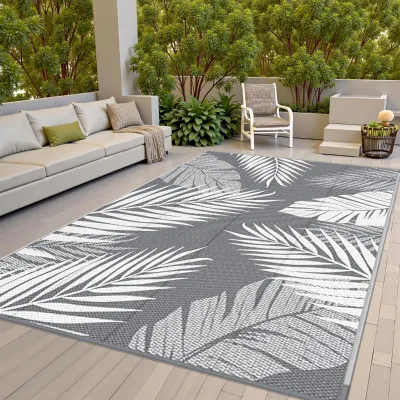
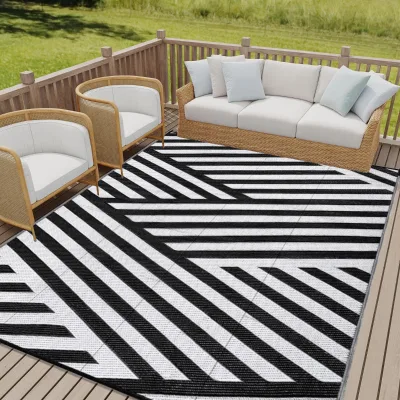
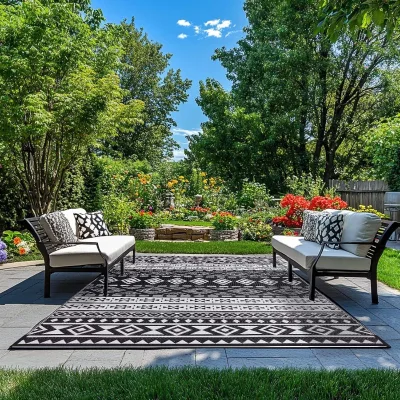
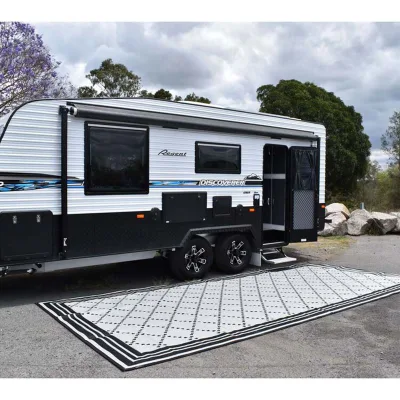
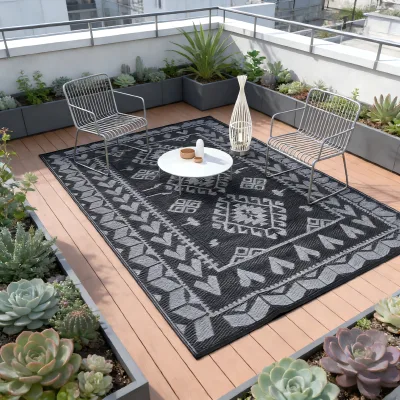
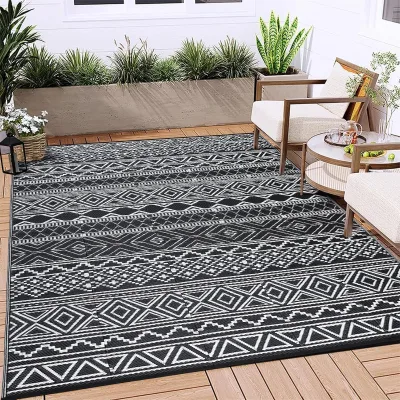


Comprehensive Sourcing Guide
Strategic Sourcing Guide for Waterproof Soft RV Mats
Understanding Product Definitions and Core Attributes
When sourcing a Waterproof Soft RV Mat, buyers must first distinguish between the specific product categories that often overlap in global marketplaces. The core keyword suggests a dual requirement: a material that repels moisture effectively while maintaining a soft, comfortable texture suitable for recreational vehicle environments. Based on available product data, these items are frequently categorized under "Picnic Blankets," "Mattresses," or specifically "RV Mats." The material composition is a primary differentiator. While some listings explicitly identify the material as polypropylene, others specify PVC. Polypropylene mats are often described as woven, offering a soft hardness profile suitable for direct contact, whereas PVC variants may present a medium-soft feel. The distinction is critical because the manufacturing process for woven polypropylene differs significantly from the lamination or coating processes used for PVC mats, directly influencing the final tactile experience and durability.
The physical dimensions of these mats vary widely, reflecting the diverse needs of RV owners and outdoor enthusiasts. Observed specifications include standard sizes such as 2.5x3 meters, 2.5x4 meters, and larger configurations up to 3x7 meters. In imperial measurements, standards often reference sizes like 4x6 feet, 5x7 feet, 6x8 feet, and up to 9x12 feet. Some suppliers offer custom sizing, allowing buyers to request specific dimensions like 183x274 cm or 250x300 cm to fit unique RV floor plans or outdoor setup requirements. The maximum width capability for some production lines reaches 2.7 meters, which is a vital constraint for buyers seeking large, seamless mats. The shape is predominantly rectangular or square, designed to maximize floor coverage without waste.
Technical Specifications and Material Performance
The technical performance of a Waterproof Soft RV Mat hinges on its construction and material properties. The "waterproof" attribute is a standard claim for this category, often supported by the inherent water resistance of polypropylene or the impermeable nature of PVC. However, buyers should verify the specific testing standards used to validate this claim. While some product data references SGS testing, the specific pass/fail criteria for water resistance are not universally standardized across all listings. The hardness rating is another crucial technical specification. Products are described as "soft" or "medium soft," indicating a level of cushioning that is essential for comfort when sitting or lying on hard RV flooring or outdoor ground surfaces.
The construction method, often listed as "woven," suggests a textile-based approach that provides flexibility and durability. The single package size for these mats is substantial, with dimensions around 53x42x15 cm, indicating that the mats are rolled or folded tightly for shipping. The weight is a significant factor for logistics; individual units can weigh approximately 0.45 kg, while the gross weight per package, containing 24 pieces, can reach 4.000 kg. This density impacts shipping costs and handling requirements. The "anti-slip" feature is frequently cited as a usage attribute, suggesting that the underside of the mat is treated or textured to prevent movement on smooth RV surfaces or uneven outdoor terrain.
Compliance, Certification, and Safety Verification
In the B2B procurement of RV mats, compliance and certification are non-negotiable, particularly when the product is intended for indoor or semi-indoor use within a vehicle. The supply chain data indicates that some manufacturers utilize SGS testing protocols, which is a reputable third-party verification method. However, the presence of an SGS reference in a product listing does not automatically guarantee that every unit in a shipment meets specific safety thresholds. Buyers must explicitly request current test reports that detail the specific parameters tested, such as flammability, chemical composition, and water resistance efficacy.
The market also references the OEKO-TEX standard as a background consideration, though it is not confirmed as a universal requirement for all listed products. OEKO-TEX certification is highly relevant for products that come into direct contact with human skin, ensuring the absence of harmful substances. For RV mats, which are often used as bedding or seating surfaces, verifying that the materials (whether polypropylene or PVC) are free from toxic plasticizers or heavy metals is essential. Buyers should not assume compliance based on general product descriptions. Instead, the procurement strategy must include a mandatory request for material safety data sheets (MSDS) and specific certification documents that align with the destination market's regulations. The origin of the products, often cited as China or specifically Zhejiang, does not inherently dictate compliance levels; therefore, independent verification remains the only reliable method to ensure safety standards are met.
Cost Drivers and Economic Factors
The pricing structure for waterproof soft RV mats is influenced by several dynamic factors, including material costs, order volume, and customization requirements. The observed price range in the market spans from $0.10 to $72.79 USD, a wide variance that reflects differences in size, material quality, and production complexity. The Minimum Order Quantity (MOQ) is a significant cost driver, with observed ranges extending from 1 piece to 3,000 pieces. High-volume buyers may benefit from lower unit costs, but the data suggests that some suppliers have a hard MOQ of 3,000 pieces for certain product lines, while others offer flexibility with lower thresholds.
Customization is a major variable in the cost equation. The ability to customize logos, colors, and dimensions is widely available, with options for custom logos and specific color combinations like blue, white, and grey. However, these customizations often incur additional setup fees or higher per-unit costs, especially for smaller order quantities. The packaging method also affects the final landed cost. Standard packing involves 24 pieces per carton, but custom packaging solutions may increase the unit price. Buyers must balance the desire for customization against the budget constraints, understanding that bespoke features like specific sizes (e.g., 250x300 cm) or unique branding will shift the price point within the observed range.
Supplier Evaluation and Operational Capabilities
Evaluating a supplier for waterproof soft RV mats requires a deep dive into their operational capabilities and production consistency. The data indicates that suppliers offer OEM services, allowing buyers to brand the mats with their own logos. The "LOO" (likely referring to logo or label options) is noted as customizable, and the "OEM" attribute is confirmed as available. However, the presence of an OEM service does not guarantee the quality of the final product. Buyers should assess the supplier's ability to maintain consistency across large batches, particularly regarding the "softness" and "waterproof" claims.
The production origin is another critical factor. Many suppliers are located in China, with specific mentions of Zhejiang province. While this region is a known manufacturing hub, buyers should verify the specific factory's capacity and history. The "prod_model" identifiers, such as ZNZ-005 or ZNZ, suggest that suppliers have established product lines, but these codes may not be unique to a single manufacturer. Buyers must ensure that the supplier can provide a clear chain of custody and traceability for the materials used. Additionally, the "Single package size" and "Single gross weight" data points help in planning logistics, but buyers should confirm that the supplier can meet these specifications consistently to avoid unexpected shipping costs or storage issues.
Quality Control and Long-Term Procurement Strategy
Implementing a robust quality control (QC) strategy is essential for maintaining the integrity of the Waterproof Soft RV Mat supply chain. Given the variation in material descriptions (polypropylene vs. PVC) and hardness ratings (soft vs. medium soft), a standardized QC protocol is necessary. Buyers should establish clear acceptance criteria for dimensions, weight, and material composition before production begins. The "Test: SGS" reference in the data highlights the importance of third-party verification, but it should be a requirement for every batch, not just a one-time event.
Long-term procurement considerations involve building a relationship with suppliers who can scale with demand. The observed MOQ range of 1 to 3,000 pieces suggests that some suppliers are flexible, while others are geared toward large-scale industrial orders. For buyers looking to establish a long-term partnership, it is advisable to start with a smaller trial order to verify the quality of the "woven" construction and the effectiveness of the "anti-slip" feature. Over time, as the relationship solidifies, buyers can negotiate better terms regarding lead times and pricing. The "Customization: Available" attribute indicates that suppliers are willing to adapt to changing market needs, which is a positive sign for long-term collaboration. However, buyers must remain vigilant about the "Season: All" claim, ensuring that the mats perform reliably in various weather conditions, not just during peak seasons.
Application Scenarios and Market Fit
The versatility of waterproof soft RV mats makes them suitable for a wide range of applications beyond just recreational vehicles. The "Outdoor Activity" attribute lists "Picnic Barbecue," indicating that these mats are designed for outdoor use where ground moisture and dirt are common concerns. The "Usage: anti-slip mat" specification further supports their utility in environments where stability is crucial. The "Kind: Picnic Blanket" classification suggests a dual-purpose product that can serve as both a protective floor covering and a comfortable seating surface.
In the context of RVs, the "Application: RV Mat" designation is the primary use case. These mats provide a barrier between the RV's interior flooring and the outside environment, protecting against dirt, moisture, and wear. The "Feature: Waterproof" and "Feature: Eco-Friendly" attributes suggest that modern buyers are increasingly looking for sustainable options that do not compromise on performance. The "Style: Modern" and "Shape: Square" or "Rectangle" designs allow these mats to blend seamlessly with contemporary RV interiors. Whether used for camping, picnics, or as a permanent fixture in an RV, the mat must balance durability with comfort. The "Hardness: Soft" and "Hardness: Medium Soft" options provide buyers with the flexibility to choose a product that meets their specific comfort requirements.
Summary of Key Sourcing Parameters
To facilitate a streamlined procurement process, buyers should reference the following summary of key parameters derived from market observations. This table consolidates the critical data points that should be verified during the supplier selection process.
| Parameter | Observed Range / Standard | Verification Requirement |
|---|---|---|
| Material | Polypropylene, PVC | Request material composition report |
| Dimensions | 2.5x3m to 3x7m (Imperial: 4x6 to 9x12 ft) | Confirm exact custom sizes if needed |
| MOQ | 1 to 3,000 pcs | Negotiate based on volume |
| Hardness | Soft, Medium Soft | Request physical sample for tactile check |
| Certification | SGS (Reference), OEKO-TEX (Background) | Demand current test reports |
| Packaging | 24 pcs/carton, 53x42x15 cm | Verify carton strength and weight |
| Origin | China, Zhejiang | Confirm factory location and capacity |
| Customization | Logo, Color, Size | Define specs clearly in PO |
By adhering to these guidelines and focusing on verified data rather than marketing claims, buyers can effectively source high-quality waterproof soft RV mats that meet their specific operational and safety requirements. The key lies in rigorous verification of material properties, consistent quality control, and clear communication of customization needs to ensure the final product aligns with the intended application.
FAQs
What materials are used for waterproof soft RV mats?
These mats are primarily made from polypropylene or PVC. Polypropylene variants are often woven and soft, while PVC options offer a medium-soft feel. Buyers should verify the specific material composition to ensure it meets their comfort and durability requirements.
Which sizes are available for these waterproof soft mats?
Available sizes include 2.5x3m, 2.5x4m, 3x5m, 3x6m, and 3x7m. Some suppliers also offer custom dimensions like 183x274cm or 250x300cm. The maximum production width can reach 2.7 meters for seamless large mats.
Can buyers customize the logo and colors on these mats?
Yes, customization is available for logos and colors like blue, white, and grey. Suppliers offer OEM services to apply custom branding. However, custom orders may require meeting specific minimum order quantities or paying additional setup fees.
What is the typical minimum order quantity for these mats?
The minimum order quantity ranges from 1 piece to 3,000 pieces depending on the supplier. Some specific product lines require a hard MOQ of 3,000 pieces. Buyers should confirm the threshold before placing an order to avoid delays.
How are these mats packaged for shipping?
Standard packaging involves 24 pieces per carton. The single package size is approximately 53x42x15 cm with a gross weight of 4.000 kg. Custom packaging solutions may be available but could impact the final unit cost.
Are these mats tested for safety and quality?
Some products reference SGS testing protocols for quality verification. While this indicates a standard for third-party checks, buyers must request specific test reports for each batch. This ensures the mats meet safety thresholds for indoor and outdoor use.