Source Waterproof Soft Nose Clip and Earplug Set for Swimming
Find 30 listings for the Waterproof Soft Nose Clip and Earplug Set suitable for swimming, sleeping, and travel. Buyers can compare silicone materials, customization options, and MOQs from verified Chinese manufacturers; compare the available evidence and request quotations based on your requirements.
Key considerations
Products List


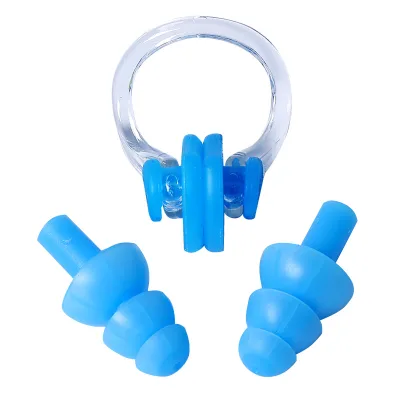


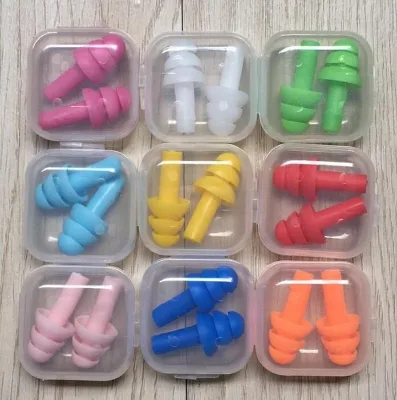
Swimming Ear Silicone Plugs Wholesale Waterproof Nose Clip Ear Plugs Set
$0.05 - $0.15
MOQ: 1000 Pairs


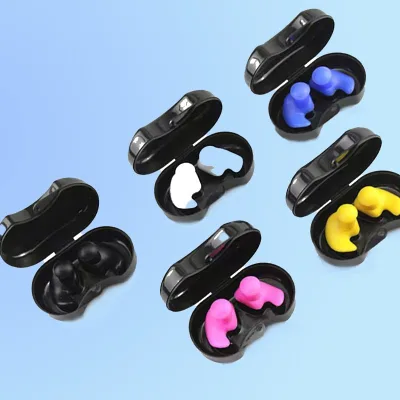


Adult Waterproof Nose Clip Silicone Swimming for Under Water Swim Earplugs
$0.10 - $0.11
MOQ: 200000 Pieces




Comprehensive Sourcing Guide
Waterproof Soft Nose Clip and Earplug Set Sourcing Guide
Procuring a Waterproof Soft Nose Clip and Earplug Set requires careful attention to material composition and functional design, as these items serve diverse markets ranging from recreational swimming to industrial noise protection. Buyers must distinguish between simple silicone accessories and complex hearing aid components, as the latter often demand stricter adherence to acoustic standards and biocompatibility requirements. The observed market signals indicate a wide variance in product specifications, with some listings emphasizing basic water protection while others highlight anti-fog lens integration or specific hardness ratings for industrial durability.
Sourcing decisions should be guided by the intended end-use scenario, whether it involves competitive swimming, leisure travel, or specialized medical applications. It is critical to verify whether the supplier offers OEM and ODM services, as this capability often correlates with the ability to customize fit, color, and packaging to meet specific brand or regulatory needs. Buyers should also consider the origin of manufacture, with significant production hubs in Guangdong and Qingdao, China, offering varying levels of supply chain maturity and logistical efficiency for global distribution.
Product Scope and Observed Listing Signals
The current market landscape for waterproof nose clips and earplugs reveals a broad spectrum of product types, including dedicated swimming sets, custom silicone parts, and hearing aid ear tips. Listings frequently highlight features such as anti-dust, water-proof, and noise-proof capabilities, indicating that buyers must clearly define their performance expectations before engaging with suppliers. Some products are marketed for multiple uses, including sleeping, traveling, and industrial environments, which suggests a need for rigorous verification of the specific functional claims associated with each SKU.
Observed listing data shows significant variation in minimum order quantities and pricing structures, reflecting the flexibility of the manufacturing base. While some suppliers offer low MOQs suitable for small batches or sampling, others require volumes up to 200,000 units, catering to large-scale commercial distributors. The presence of customizable options, such as customer logos and varied packing methods like OPP bags or cartons, underscores the importance of aligning procurement strategies with inventory management capabilities and brand presentation requirements.
Technical Specifications to Verify
Technical verification must begin with material composition, as the durability and comfort of the product depend heavily on the type of silicone or rubber used. Buyers should confirm whether the material is pure silicone, silicone rubber, or a blend involving other compounds like NBR, EPDM, or FKM, as these affect chemical resistance and longevity. Additionally, hardness ratings, often measured in Shore A degrees, provide critical insight into the product’s flexibility and seal effectiveness, with ranges typically spanning from 30 to 80 degrees depending on the intended application.
Dimensional and optical specifications are equally important, particularly for products that include lenses or require precise fitment. Buyers must verify size standards, such as standard or custom-made dimensions, and assess optical properties like clear vision and anti-fog performance if the product is intended for swimming goggles or similar eyewear. It is also essential to confirm the model numbers and part codes provided by suppliers to ensure accurate reordering and consistency across production batches, especially when dealing with complex assemblies like hearing aid tips.
Compliance and Safety Documentation
Compliance verification is paramount when sourcing products that come into direct contact with the human body or are used in sensitive environments. Buyers must request documentation that confirms adherence to relevant quality standards, such as EN 352-2 for hearing protection devices, to ensure that the products meet established safety and performance benchmarks. Without such certification, there is a risk of non-compliance in regulated markets, which could lead to product recalls or legal liabilities for the importer.
Beyond formal certifications, buyers should inquire about the quality standards applied during manufacturing, which may depend on customer samples or technical drawings. It is crucial to verify that the supplier maintains a robust quality control process that includes testing for material safety, such as the absence of harmful phthalates or heavy metals in silicone products. Requesting sample approvals and batch test reports can provide additional assurance that the final products will meet the specified functional and safety requirements.
Cost Drivers and Commercial Terms
Cost structures for waterproof nose clips and earplugs are influenced by several factors, including material selection, customization complexity, and order volume. Suppliers often offer flexible pricing models that accommodate different MOQs, ranging from small trial orders to large industrial batches. Buyers should analyze the unit price in the context of the total landed cost, considering factors such as packaging, shipping, and potential tariffs, to determine the true economic viability of each supplier option.
Commercial terms, including lead times and payment conditions, play a significant role in supply chain planning. Typical delivery times range from 7 to 15 days for standard items, but custom orders may require additional time for mold creation and production setup. Buyers should negotiate clear terms regarding sample availability, as some suppliers offer free samples to facilitate evaluation, while others may charge a fee that is refundable upon bulk order placement.
Supplier Qualification and Quality Control
Supplier qualification involves assessing the manufacturer’s capability to deliver consistent quality and meet specific customization requests. Buyers should verify the supplier’s experience in producing silicone parts and their ability to handle OEM and ODM projects, as this indicates a higher level of technical proficiency and flexibility. It is also important to evaluate the supplier’s communication responsiveness and their willingness to provide detailed product information, including material datasheets and production processes.
Quality control measures should be integrated into the procurement process to mitigate the risk of defects. Buyers should establish clear acceptance criteria based on product specifications, such as hardness, fit, and material integrity, and consider implementing third-party inspections for large orders. Regular audits of the supplier’s production facilities and quality management systems can help ensure ongoing compliance with agreed-upon standards and maintain product consistency over time.
Long-Term Procurement Checks
Long-term procurement success depends on establishing a sustainable relationship with suppliers who can adapt to changing market demands and regulatory requirements. Buyers should regularly review supplier performance metrics, including on-time delivery rates, product quality consistency, and responsiveness to issues, to identify potential risks and opportunities for improvement. Maintaining open communication channels and providing constructive feedback can help strengthen the partnership and ensure that both parties remain aligned on quality and service expectations.
As product technologies and market trends evolve, buyers must stay informed about new materials, designs, and compliance standards that may impact their sourcing strategy. Periodic re-evaluation of the supplier base and exploration of alternative sources can help mitigate supply chain disruptions and ensure competitive pricing. By proactively managing these long-term factors, buyers can secure a reliable supply of high-quality waterproof nose clips and earplugs that meet their operational and commercial objectives.
FAQs
What materials are used for the Waterproof Soft Nose Clip and Earplug Set?
The product is made from silicone rubber and PC materials to ensure safety and flexibility. This combination provides a soft touch while maintaining durability for repeated use in swimming and other water activities without causing irritation.
Can I customize the logo on the Waterproof Soft Nose Clip and Earplug Set?
Yes, customer logos are available for customization on this product. The supplier welcomes OEM and ODM requests, allowing buyers to brand the silicone rubber and PC items with their own designs for retail or promotional purposes.
What is the minimum order quantity for the Waterproof Soft Nose Clip and Earplug Set?
The minimum order quantity varies between 200 pieces and 1000 sets depending on the specific supplier configuration. Buyers should verify the exact MOQ before placing an order to ensure it meets their procurement volume requirements.
How long does it take to deliver the Waterproof Soft Nose Clip and Earplug Set?
Delivery typically takes between 7 to 15 days after the order is confirmed. This lead time applies to standard production runs from factories located in Guangdong or Qingdao, China, for the silicone rubber and PC items.
Which certifications apply to the Waterproof Soft Nose Clip and Earplug Set?
The product adheres to the EN 352-2 quality standard for hearing protection and safety. This ensures the silicone rubber and PC components meet specific regulatory requirements for use in swimming, sleeping, and industrial environments.
What packaging options are available for the Waterproof Soft Nose Clip and Earplug Set?
Items are packed in OPP bags or boxes, with outer cartons for shipping protection. Some suppliers also offer plastic bags and cartons outside to ensure the silicone rubber and PC products arrive safely at the destination.
Can the Waterproof Soft Nose Clip and Earplug Set be used for medical purposes?
Yes, the product is suitable for medical, household, and industrial applications beyond just swimming. Its water-proof and anti-dust features make it versatile for various scenarios including hearing aid usage and general safety protection.