Source Waterproof Sport TWS Earbuds for Mobile Phones, Computers, and MP3 Players
Explore 30 listings of Waterproof Sport TWS Earbuds featuring Bluetooth connectivity, deep bass, and sweatproof designs. Buyers can compare specifications including battery life, working distance, and IPX4 ratings across various models suitable for mobile phones, computers, and MP3 players.
Key considerations
Products List


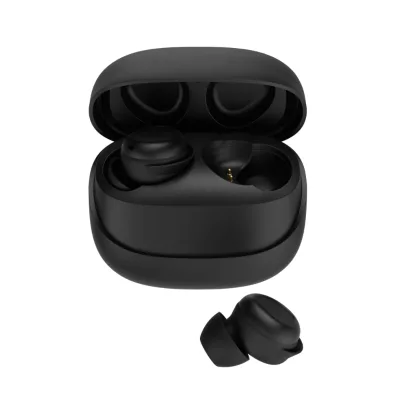


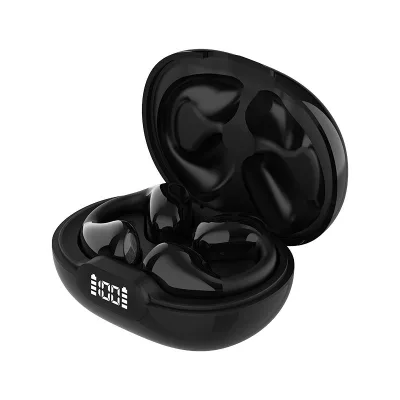


Comprehensive Sourcing Guide
Strategic Sourcing Guide for Waterproof Sport TWS Earbuds
The global market for True Wireless Stereo (TWS) audio devices has expanded rapidly, driven by the demand for high-performance, sweat-resistant audio solutions suitable for athletic and outdoor activities. For procurement professionals targeting the core keyword "Waterproof Sport TWS Earbuds," the sourcing landscape presents a complex array of technical specifications, customization options, and supply chain variables. This guide provides a disciplined, evidence-based framework for evaluating potential suppliers and products, relying strictly on observed market data and verified technical attributes to mitigate procurement risk.
Technical Architecture and Performance Specifications
When evaluating TWS earbuds for sports applications, the technical architecture must prioritize connectivity stability, audio fidelity, and environmental resistance. Based on observed product attributes in the current market, successful units typically integrate Bluetooth connectivity as a foundational function, often supporting specific profiles such as HSP (Headset Profile) and A2DP (Advanced Audio Distribution Profile) to ensure seamless audio streaming and call handling. The observed Bluetooth versions in high-volume listings frequently align with Class B or Class A distance standards, with effective working ranges documented between 10 meters and 25 meters. Buyers must verify the specific Class rating of the unit, as Class A generally offers superior range and signal stability compared to Class B, which is critical for active users who may move away from their source device during exercise.
The chipset selection is a primary determinant of performance. Market observations indicate the prevalence of the Jie Li 6969 chipset in various models, which supports multimedia functions alongside Bluetooth and USB connectivity. Some advanced configurations also include RF and Infrared capabilities, though these are less common in standard sport-focused units. Audio characteristics are equally vital; the "Deep Bass" and "HiFi" designations found in product models suggest a tuning focus for energetic listening, while the "Dual Track" sound capability ensures balanced stereo output. For sports use, the "In-ear" style is the dominant form factor, designed to provide passive noise isolation and a secure fit during movement.
Battery performance is a critical differentiator in this category. Observed data reveals a wide variance in capacity, ranging from 30mAh to 400mAh per unit or in the charging case. Playing times observed in the market span from 2 hours to 4 hours, with standby times reaching up to 60 hours in specific configurations. Charging times are typically reported between 1 hour and 1.5 hours, with a standard charging voltage of 5V/1A. Procurement teams must scrutinize the specific battery configuration (e.g., 30mAh/200mAh vs. 400mAh) to ensure the device meets the duration requirements of the target user base, as a 2-hour playing time may be insufficient for marathon runners or long-duration fitness sessions.
Environmental Resistance and Durability Standards
The term "waterproof" in the context of sports earbuds requires precise interpretation, as true submersion resistance is rare in consumer-grade TWS devices. The most reliable indicator of water resistance in the observed market is the IPX4 rating. This standard signifies protection against water splashes from any direction, making the device suitable for heavy sweating and rain exposure, which are the primary environmental stressors for sports equipment. While some listings mention "Sweatproof" as a model characteristic, buyers should not assume this equates to full waterproofing without explicit IP rating verification.
The physical construction of the earbuds must also withstand the mechanical stresses of sports. The "Sweatproof Sports Earbuds with Mic" and "Outdoor Earbuds" model designations imply specific engineering for durability. Buyers should verify that the internal components are sealed against moisture ingress and that the charging case offers similar protection. The "Standard" packing and "Color Box" or "Carton" packaging options observed suggest that the products are designed for retail distribution, but the internal packaging must also protect the delicate electronics during transit. It is essential to confirm that the "Waterproof" claim is backed by a specific IP rating rather than a generic marketing term, as the difference between IPX4 and higher ratings significantly impacts the device's suitability for intense athletic environments.
Compliance, Certification, and Regulatory Alignment
Navigating the regulatory landscape is a non-negotiable aspect of B2B procurement. While the provided data lists "RoHS" as a low-confidence background certification, it is prudent to treat this as a baseline expectation rather than a guaranteed attribute of every listed product. RoHS (Restriction of Hazardous Substances) compliance is a standard requirement for electronics sold in major markets like the EU and increasingly in other regions, ensuring that the device does not contain restricted levels of lead, mercury, cadmium, and other hazardous materials.
Beyond RoHS, the "ENC" (Environmental Noise Cancellation) standard observed in some product specifications indicates a commitment to audio clarity in noisy environments, which is a valuable feature for sports users in urban settings. However, buyers must verify if this feature is hardware-based or software-dependent, as this affects the device's reliability and power consumption. Additionally, the "Standard" product standard mentioned in the data suggests adherence to general industry norms, but specific regional certifications (such as FCC for the US or CE for Europe) must be confirmed on a per-shipment basis. The "1 Year" warranty observed in some listings is a positive indicator of supplier confidence, but it should be reviewed alongside the supplier's track record for honoring warranty claims.
Cost Drivers and Pricing Dynamics
The pricing of Waterproof Sport TWS Earbuds is influenced by a complex interplay of components, customization, and order volume. The observed price range in the market spans from $1 to $19.42 USD, a wide disparity that reflects differences in chipset quality, battery capacity, and feature sets. Lower-priced units often utilize older or less powerful chipsets and smaller battery capacities, resulting in shorter playing times and reduced connectivity ranges. Conversely, higher-priced units within this range may feature the Jie Li 6969 chipset, larger batteries, and advanced features like power displays and ENC.
The Minimum Order Quantity (MOQ) is another significant cost driver, with observed ranges spanning from 1 unit to 5,000 units. This flexibility allows buyers to test the market with small batches or secure bulk pricing for large-scale distribution. Customization is listed as "Available," which can impact the final unit cost. Customization options may include branding, color variations (though "Black" is the dominant observed color), and packaging design. Buyers should note that while customization is available, it often requires higher MOQs or longer lead times, which must be factored into the total cost of ownership. The "Standard" and "Color Box" packing options suggest that basic packaging is included, but premium packaging solutions will likely incur additional costs.
Supplier Evaluation and Operational Capabilities
Selecting the right supplier requires a rigorous evaluation of their operational capabilities and product consistency. The observed data indicates that the majority of these products originate from China, a hub for electronics manufacturing. Buyers should verify the supplier's production capacity and ability to maintain consistent quality across batches. The presence of specific model numbers such as "Y70-B" and "S35-B" suggests that suppliers have established product lines, which can be a positive indicator of stability.
Key evaluation criteria should include the supplier's ability to provide detailed technical documentation, including battery specifications, working distances, and charging times. The "Power Display" characteristic observed in some models indicates a level of sophistication in the product design, suggesting that the supplier has the engineering capability to integrate advanced features. Buyers should also assess the supplier's responsiveness to customization requests and their ability to meet specific delivery timelines. The "1 Year" warranty observed in some listings is a strong signal of supplier reliability, but it should be accompanied by clear terms and conditions regarding claim processing.
Quality Control and Long-Term Procurement Strategy
Implementing a robust quality control (QC) strategy is essential for mitigating the risks associated with sourcing TWS earbuds. Given the wide variance in battery capacity and playing times observed in the market, buyers should implement pre-shipment inspections that verify critical performance metrics. This includes testing the actual playing time against the claimed specifications, verifying the Bluetooth connection stability at the stated working distance, and confirming the IPX4 water resistance rating through standardized testing.
Long-term procurement considerations should focus on building a sustainable supply chain. This involves establishing clear communication channels with suppliers, defining quality standards in the purchase agreement, and conducting regular audits of the production process. The "Standard" product standard and "Standard" packing observed in the data suggest that there is a baseline of quality, but buyers should not rely solely on these generic terms. Instead, they should define specific acceptance criteria for each batch, including battery performance, audio quality, and durability.
Furthermore, buyers should consider the lifecycle of the product. The "1 Year" warranty is a starting point, but long-term success depends on the availability of replacement parts and the supplier's ability to support the product line over time. As the market evolves, suppliers may introduce new chipsets or features, and buyers should ensure that their contracts allow for flexibility in adapting to these changes. By focusing on these strategic elements, procurement professionals can secure a reliable supply of high-quality Waterproof Sport TWS Earbuds that meet the demanding needs of their customers.
Comparative Analysis of Key Product Attributes
To facilitate decision-making, the following table summarizes the key technical attributes observed in the market, highlighting the variations that buyers must consider during the sourcing process.
| Attribute Category | Observed Variance | Critical Verification Point |
|---|---|---|
| Bluetooth Range | Class A (10m-25m) vs. Class B (15m) | Verify Class rating for signal stability. |
| Battery Capacity | 30mAh to 400mAh | Confirm total capacity for playing time needs. |
| Playing Time | 2 Hours to 4 Hours | Test actual duration under load. |
| Water Resistance | IPX4 (Sweatproof) | Confirm IP rating; do not assume submersion. |
| Chipset | Jie Li 6969 (Common) | Verify chipset for performance and compatibility. |
| Customization | Available (Color, Packaging) | Assess MOQ impact on unit cost. |
| Warranty | 1 Year (Observed) | Review terms for claim processing. |
This structured approach ensures that buyers can navigate the complexities of the TWS earbud market with confidence, focusing on verified data and practical considerations to drive successful procurement outcomes.
FAQs
What Bluetooth versions are available for these earbuds?
The available Bluetooth versions include Class A and Class B distance standards. Class A typically offers a working range of up to 25 meters, while Class B supports ranges around 15 meters. Both versions support music playback and call functions for mobile phones and computers.
How long do the batteries last during use?
Playing times observed in the market range from 2 hours to 4 hours depending on the specific model. Some configurations feature a 30mAh or 400mAh battery capacity, with charging times typically taking between 1 hour and 1.5 hours to reach full capacity.
Which water resistance rating do the sports earbuds have?
The most reliable indicator of water resistance in these units is the IPX4 rating. This standard protects against water splashes from any direction, making them suitable for heavy sweating and rain exposure during athletic activities without requiring full submersion.
Can I customize the packaging and branding for these products?
Customization is available for these products, allowing for branding and packaging adjustments. Buyers should note that customization options may require higher minimum order quantities or longer lead times, and the standard packing often includes color boxes or cartons.
What is the typical price range for these earbuds?
The observed price range in the market spans from 1 to 19.42 USD. Lower-priced units often utilize smaller battery capacities and older chipsets, while higher-priced units may feature advanced features like power displays and the Jie Li 6969 chipset.
Which chipset is commonly used in these TWS earbuds?
Market observations indicate the prevalence of the Jie Li 6969 chipset in various models. This chipset supports multimedia functions alongside Bluetooth and USB connectivity, ensuring stable performance for audio streaming and call handling in sports environments.