Source Waterproof Sports Mobile Phone Bag for Running, Hiking, Swimming
Explore 30 listings for the Waterproof Sports Mobile Phone Bag designed for running, hiking, and swimming. Buyers can compare specifications like IP8 ratings, materials including TPU and PVC, and customization options from verified suppliers in China; compare the available evidence and request quotations based on your requirements.
Key considerations
Products List


Waterproof Cell Phone Case Bag PVC Smartphone Mobile Phone Case with Logo
$0.43 - $0.70
MOQ: 100 Pieces

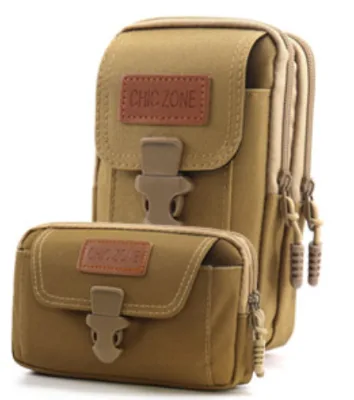


Outdoor Sport Dry Bags Waterproof Backpack Waterproof Phone Pouch Dry Bag
$3.00 - $8.00
MOQ: 1000 Pieces
Comprehensive Sourcing Guide
Waterproof Sports Mobile Phone Bag Sourcing Guide
Procuring waterproof sports mobile phone bags requires a strategic balance between protective performance and ergonomic usability. Buyers must prioritize products that maintain a secure seal against water ingress while allowing for full touchscreen functionality during high-intensity activities. The observed market signals indicate a strong emphasis on customization, with many suppliers offering tailored logos and packaging solutions to meet specific brand identity requirements. This flexibility is crucial for corporate gifting or private-label retail strategies, where distinct branding enhances product value and market recognition.
The supply chain for these items is heavily concentrated in Guangdong, China, leveraging established manufacturing ecosystems for materials like TPU, PVC, and silicone resin. These materials are selected for their durability, flexibility, and resistance to environmental wear. Buyers should note that while many listings highlight "best quality" or "OEM" capabilities, the actual material composition varies significantly between models. Understanding the specific material properties is essential for ensuring the bag meets the intended use case, whether it involves swimming, running, or general outdoor sports.
Product Scope and Observed Listing Signals
The current market landscape for waterproof sports mobile phone bags reveals a diverse range of product types, including arm bands, waist bags, and universal pouches. Listings frequently highlight features such as dirt resistance, anti-slip surfaces, and decorative elements, catering to both functional and aesthetic consumer preferences. The observed price range is notably low, spanning from $0.17 to $8, which suggests a highly competitive market with varying quality tiers. This wide variance necessitates careful evaluation of unit weight and material thickness to distinguish between premium durable goods and lightweight, disposable alternatives.
Customization is a dominant theme in the available inventory, with many suppliers offering customized logos, colors, and packaging options. The minimum order quantities (MOQ) observed range from 10 to 5000 units, providing flexibility for both small-scale testers and large-volume distributors. Specific models like the SJT001 and Mobile Phone Bag-000S demonstrate the variety in form factors, from compact cases to larger arm bags. Buyers should verify the specific model numbers and associated specifications to ensure alignment with their target market's size and compatibility requirements, particularly regarding smartphone dimensions.
Technical Specifications to Verify
Verifying technical specifications is critical to ensuring the product performs as advertised in real-world conditions. Key attributes to confirm include the waterproof level, with IP8 being a notable standard observed in some listings, indicating protection against continuous immersion. Buyers must also check the compatibility with specific phone brands and models, as universal bags may not fit all devices securely. The hardness of the material, ranging from soft to medium soft, affects both comfort and protection, so tactile evaluation or detailed material data sheets are recommended before placing large orders.
Dimensions and weight are also vital technical parameters that influence user experience and logistics costs. Observed sizes such as 11x22 cm and 11x26 cm provide a baseline for sizing, but buyers should request exact internal dimensions to ensure device fit. The unit weight, observed at 350g for some models and 50g for others, significantly impacts shipping costs and user fatigue during sports activities. Additionally, features like screen printing quality and the presence or absence of car holders should be explicitly confirmed, as these details can vary even within the same product model.
Compliance and Safety Documentation
Compliance with international safety and environmental standards is a non-negotiable aspect of sourcing consumer electronics accessories. Buyers should request documentation for certifications such as RoHS, which ensures the product is free from hazardous substances, and EN-71, which pertains to toy safety and chemical migration limits. These certifications are particularly important if the product is marketed towards younger demographics or intended for use in regions with strict regulatory requirements. Verifying that the materials, such as PVC or silicone resin, are non-phthalate and meet these standards protects the buyer from legal liabilities and reputational damage.
Beyond formal certifications, buyers should inquire about the testing protocols used by suppliers to validate waterproof claims. While some listings mention specific standards, the actual test results and methodologies should be reviewed to ensure consistency. It is advisable to request sample units for independent testing to verify the integrity of seals and zippers under simulated conditions. This due diligence helps mitigate the risk of receiving non-compliant goods and ensures that the final product meets the safety expectations of end-users and regulatory bodies.
Cost Drivers and Commercial Terms
Understanding the cost drivers behind waterproof sports mobile phone bags helps buyers negotiate better terms and avoid hidden expenses. The primary cost factors include material selection, customization complexity, and order volume. Products made from TPU or silicone resin may carry different price points compared to PVC alternatives, depending on the quality and thickness of the material. Customization, such as adding logos or specific packaging, often incurs additional setup fees and may increase the MOQ, so buyers should clarify all potential charges upfront.
Commercial terms, including payment methods, lead times, and shipping arrangements, vary significantly among suppliers. While some listings offer free samples, buyers should confirm the conditions under which these samples are provided, including shipping costs. The observed MOQ of 2000 units for some products suggests that smaller orders may come at a premium price. Buyers should also consider the total landed cost, including duties and freight, to accurately assess the profitability of the product in their target market.
Supplier Qualification and Quality Control
Supplier qualification is a critical step in mitigating supply chain risks and ensuring consistent product quality. Buyers should verify the supplier's manufacturing capabilities, including their production capacity and quality control processes. Given the concentration of suppliers in Guangdong, China, buyers can leverage local inspection services to conduct factory audits and pre-shipment inspections. These inspections should focus on critical quality attributes such as seal integrity, material durability, and printing accuracy to ensure the product meets the agreed-upon specifications.
Establishing a robust quality control plan is essential for maintaining brand reputation and customer satisfaction. Buyers should define clear acceptance criteria for defects, such as leaks, material tears, or printing errors, and communicate these standards to the supplier. Regular communication and feedback loops can help identify and resolve quality issues early in the production process. Additionally, buyers should consider implementing a sampling plan for ongoing orders to monitor consistency and ensure that the supplier maintains the same level of quality over time.
Long-Term Procurement Checks
Long-term procurement success depends on continuous monitoring of supplier performance and market trends. Buyers should regularly review supplier metrics, such as on-time delivery rates, defect rates, and responsiveness to issues. Building a strong relationship with reliable suppliers can lead to better pricing, priority production, and improved support during peak seasons. It is also advisable to diversify the supplier base to reduce dependency on a single source and mitigate the risk of supply disruptions.
Staying informed about emerging technologies and material innovations in the waterproof bag sector can provide a competitive advantage. Buyers should explore new materials or design features that enhance product performance and user experience. Additionally, monitoring regulatory changes and consumer preferences can help anticipate shifts in demand and adjust procurement strategies accordingly. By maintaining a proactive approach to supplier management and market analysis, buyers can ensure a sustainable and profitable sourcing operation for waterproof sports mobile phone bags.
FAQs
How waterproof is this sports mobile phone bag for swimming or kayaking?
The bag is rated IP8 waterproof, which means it can handle continuous submersion under stated conditions. For swimming or kayaking, seal the closure completely and check for damage before use. Verify depth and duration limits with the supplier, since actual performance can vary by model and production batch.
What materials are used in these waterproof phone bags?
These bags are made from TPU or PVC, with some models using silicone resin and customization options available. TPU and PVC offer flexibility, dirt resistance, and clear touch response. Confirm the exact material for your chosen model, as material choice affects cold-weather flexibility, transparency, and printing compatibility.
Can I order customized logos and packaging for wholesale orders?
Yes, customization is available, including customized logos and screen-printed branding, with carton packing for bulk shipments. Most customization applies to wholesale quantities rather than samples, so confirm artwork requirements, printing method, and any setup fees with the supplier before placing your order to avoid production delays.
What is the minimum order quantity for waterproof phone bags?
The listed MOQ for this product is 2000 units, though the broader category shows MOQs ranging from 10 to 5000 depending on the model. Customized logo or printing requirements typically require the higher MOQ, while standard stock models may be available at lower trial quantities. Confirm the exact figure per model.
Which phone sizes and models fit these waterproof bags?
The bags are compatible with iPhone models, and some listings state a size of 11 x 22 CM or 11X26cm, which accommodates most large smartphones. Measure your phone including any protective case before ordering, and confirm the internal dimensions with the supplier, since sizing differs between armbag and pouch styles.
How much does one waterproof phone bag weigh?
Unit weights vary by model, with listed weights of around 50g for lightweight pouches and 350g for larger or multi-layer designs. Weight matters for sports use, since lighter bags reduce arm movement during running or cycling. Check the specification for your selected model, as added features like armbands increase weight.
Do these bags meet any safety or environmental certifications?
Some listed products carry RoHS certification, and one model lists EN-71 and non-phthalate compliance, which is relevant for consumer safety testing. Certification coverage is not uniform across all models, so request the applicable test reports for your specific product and destination market before finalizing a wholesale purchase.
Can I get free samples before placing a bulk order?
Yes, samples are listed as free for at least some models, with MOQ set at 2000 units for bulk production. You typically pay only shipping or courier costs. Request a sample to verify waterproof sealing, touch sensitivity, and printing quality before committing to full production, and confirm sample terms with each supplier.