Source Waterproof Stain Resistant Carpet Tiles for Offices
Find 30 Waterproof Stain Resistant Carpet Tiles with PVC backing, non-slip features, and customizable designs. Compare options for home, commercial, and office use, including minimalist styles and easy installation; compare the available evidence and request quotations based on your requirements.
Updated
Key considerations
Products List


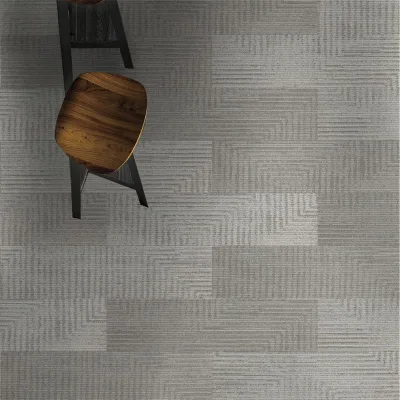
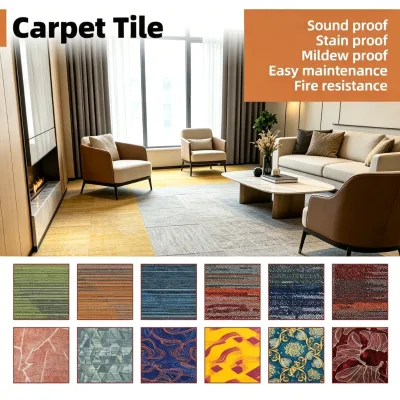
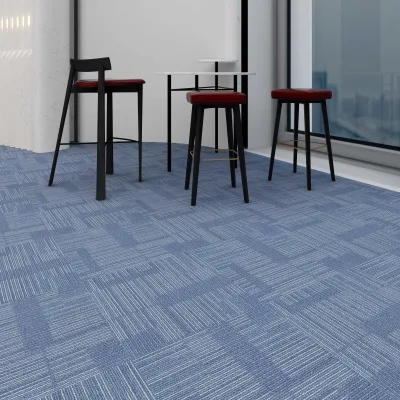
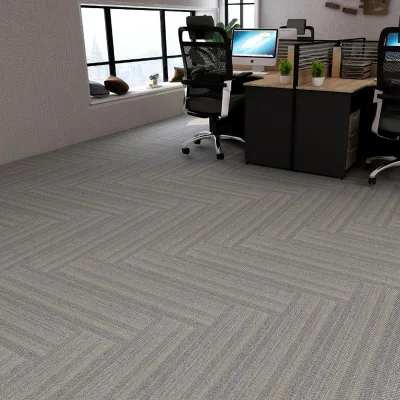
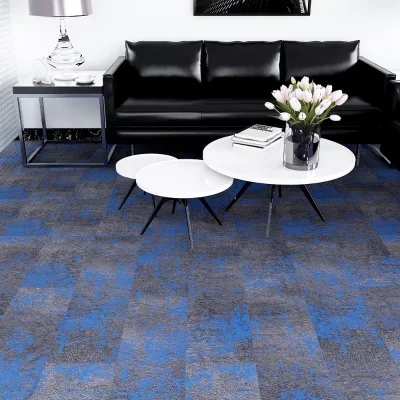
Durable Carpet Tiles with Heavy-Duty Stain Resistance for Businesses
$1.50 - $2.00
MOQ: 100 Square Meters


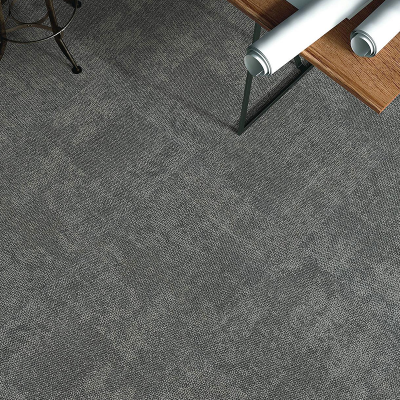
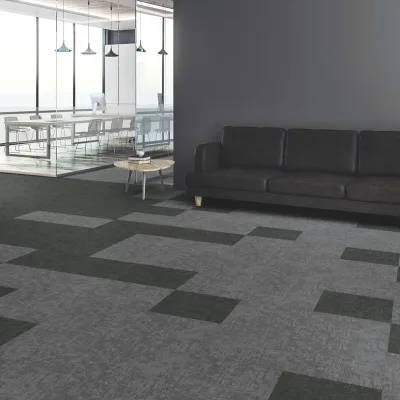
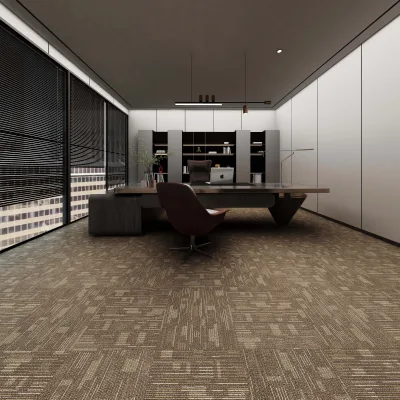
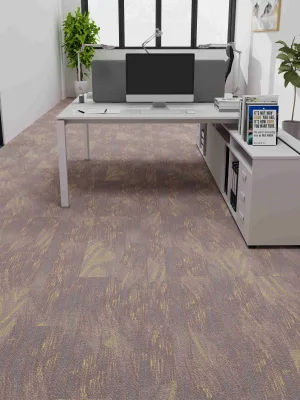
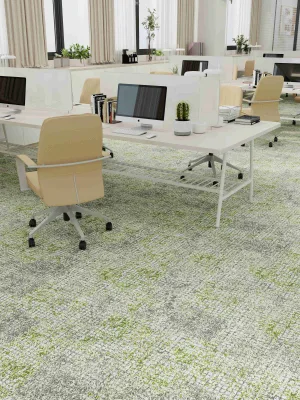
Durable Carpet Tiles with Heavy-Duty Stain Resistance for Office Environments
$1.50 - $2.00
MOQ: 100 Square Meters

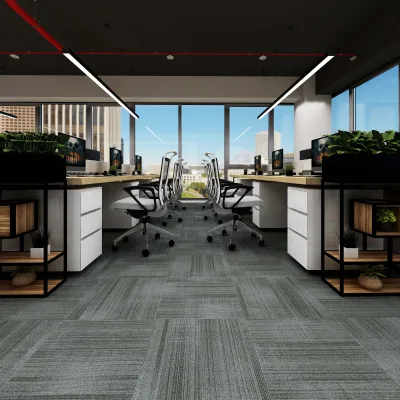
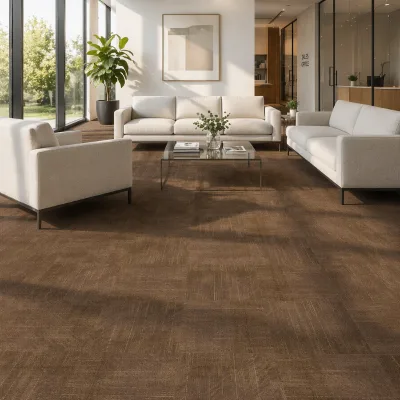
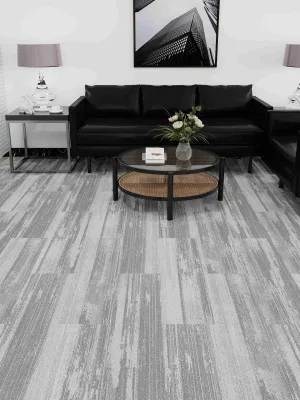
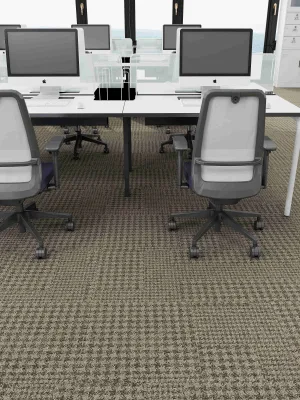
Heavy-Duty Waterproof Carpet Tiles Engineered for Superior Dirt Resistance
$1.50 - $2.00
MOQ: 100 Square Meters

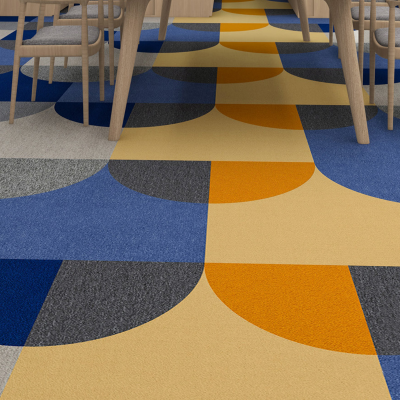
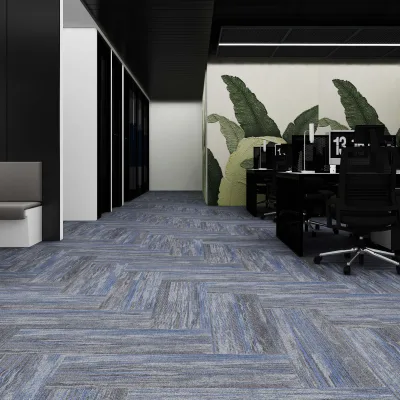
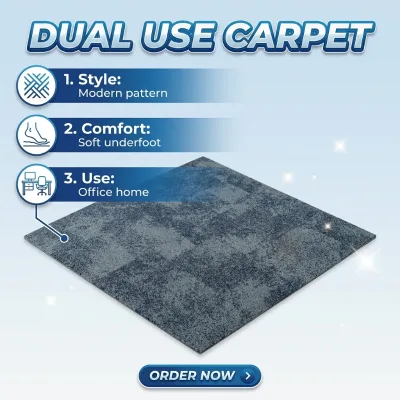
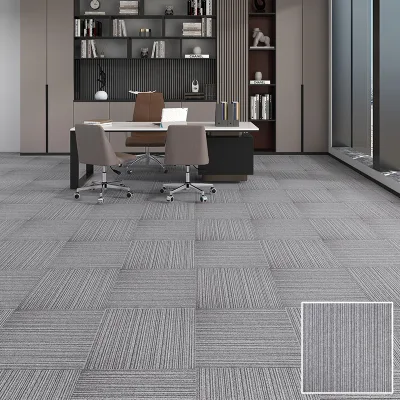
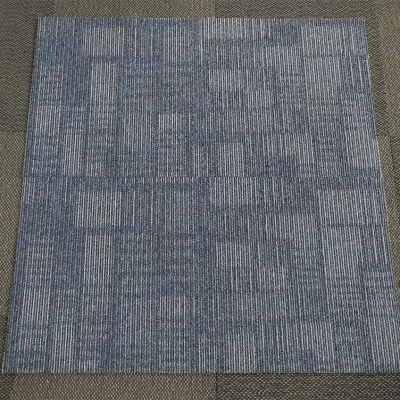
Water-Resistant Carpet Tiles for Long-Lasting Durability and Elegance
$1.50 - $2.00
MOQ: 100 Square Meters

Comprehensive Sourcing Guide
Waterproof Stain Resistant Carpet Tiles Sourcing Guide
Procuring waterproof and stain-resistant carpet tiles requires a strategic approach that balances aesthetic flexibility with rigorous performance verification. Buyers must prioritize products that explicitly list waterproof backing and stain-resistant surface treatments, as these features directly impact longevity in high-traffic commercial environments. The observed market data indicates a wide range of customization options, including tailored colors and minimalist designs, which allows for precise branding alignment. However, the presence of "customized" attributes does not guarantee uniform performance across all suppliers, necessitating careful sample evaluation before bulk ordering.
The sourcing landscape includes manufacturers from Jiangsu and Guangdong, China, offering various backing materials such as PVC, bitumen, and cushion backing. These material choices significantly influence the tile’s resistance to moisture and its overall durability. Buyers should note that while many listings claim eco-friendly or non-toxic properties, these are often general marketing terms rather than certified guarantees. Therefore, the initial sourcing phase must focus on verifying the specific surface materials, such as nylon, PP, or polyester, to ensure they meet the required stain-resistance standards for the intended application.
Product Scope and Observed Listing Signals
The current market offers a diverse array of carpet square products, with observed prices ranging from $0.36 to $17.58 USD and minimum order quantities (MOQs) varying from 1 to 300 units. This wide price spectrum reflects differences in material quality, pile height, and backing technology. Most listings highlight features like non-slip properties, cushioned comfort, and easy installation, which are critical for office and commercial spaces. Buyers should interpret these feature claims as observations of product capabilities rather than universal guarantees, requiring direct confirmation with suppliers for specific performance metrics.
Product forms are predominantly square tiles, with regular sizes including 50x50cm and 60x60cm, though custom dimensions are frequently available. The guage specifications observed, such as 1/10, 1/12, and 5/64, indicate variations in pile density and construction that affect both comfort and wear resistance. Additionally, the availability of sample acceptance is a key signal for quality assurance, allowing buyers to physically test the waterproof and stain-resistant claims. Understanding these listing signals helps in filtering suppliers who can meet specific technical requirements for floor carpet installations in diverse settings.
Technical Specifications to Verify
Verifying technical specifications is crucial for ensuring the carpet tiles meet the functional demands of waterproof and stain-resistant applications. Buyers must confirm the surface material composition, which often includes nylon, PP, or polyester, as these fibers determine the primary resistance to stains and moisture. The backing material, typically PVC or non-woven, plays a vital role in preventing water penetration and providing structural stability. It is essential to verify the thickness, with observed values around 6mm, and the total weight, often cited as 4.5kg/sqm, to ensure adequate durability for high-traffic areas.
The pile height is generally described as low pile, which facilitates easier cleaning and maintenance, aligning with the hand-wash and waterproof cleaning attributes. Buyers should also check the pattern options, which range from custom designs to existing minimalist or puzzle styles, to ensure aesthetic compatibility. Furthermore, the single package size and gross weight, such as 52x52x0.6 cm and 3.000 kg respectively, are important for logistics planning. Confirming these precise specifications prevents mismatches between expected and delivered product performance, ensuring the tiles function effectively in their intended environment.
Compliance and Safety Documentation
While many suppliers list advantages like flame retardancy and anti-slip properties, buyers must request formal documentation to verify these safety claims. The observed context mentions various ISO standards, such as ISO 9239 for fire behavior and ISO 24340 for abrasion resistance, but these are not explicitly confirmed as met by all listed products. Therefore, procurement teams should insist on test reports or certificates that specifically address the fire safety and slip resistance of the carpet tiles. Relying on general claims without documented proof can lead to compliance issues, especially in regulated commercial or public spaces.
Additionally, the eco-friendly and non-toxic attributes mentioned in some listings require verification through recognized environmental certifications. Buyers should inquire about the presence of CE certification or other relevant environmental standards to ensure the materials do not emit harmful volatile organic compounds (VOCs). It is also important to confirm that the stain-resistant treatments used are safe for indoor air quality. By demanding concrete evidence for these safety and environmental claims, buyers can mitigate risks associated with health and regulatory compliance, ensuring a safer and more sustainable procurement outcome.
Cost Drivers and Commercial Terms
The cost of waterproof stain-resistant carpet tiles is influenced by several factors, including material composition, customization level, and order volume. The observed MOQ range of 1 to 300 units suggests flexibility for small projects, but larger orders may benefit from economies of scale. Buyers should analyze the price range of $0.36 to $17.58 USD to understand the value proposition of different suppliers. Higher prices often correlate with superior materials, such as high-grade nylon or specialized PVC backings, which offer better long-term performance and durability.
Commercial terms also play a significant role in the total cost of ownership. Buyers should negotiate for customized packaging and standard specifications to optimize shipping efficiency and reduce handling costs. The availability of samples, often accepted by suppliers, is a critical step in validating quality before committing to larger orders. Additionally, understanding the lead times and production capabilities of suppliers in Jiangsu and Guangdong can help in planning inventory and project timelines. Clear communication regarding these commercial terms ensures a transparent and efficient procurement process, minimizing unexpected expenses.
Supplier Qualification and Quality Control
Selecting the right supplier requires a thorough evaluation of their manufacturing capabilities and quality control processes. Buyers should prioritize suppliers who offer customization options for both product standards and packaging, as this indicates a flexible and customer-centric approach. The presence of brands like Dotcom and specific model numbers, such as hmzq, can help in tracing the product lineage and verifying consistency. It is advisable to request detailed information about the manufacturing process, including the loop pile technique and surface material application, to ensure quality control measures are in place.
Quality control should extend to the verification of physical attributes, such as the square shape and consistent sizing. Buyers should conduct random inspections or hire third-party inspection services to verify that the delivered products match the agreed-upon specifications. The ability to provide samples is a positive indicator, allowing for pre-shipment quality checks. Additionally, suppliers with a strong track record in producing carpet tiles for commercial and office use are more likely to maintain consistent quality standards. Establishing a robust supplier qualification process helps in building a reliable supply chain for waterproof and stain-resistant carpet tiles.
Long-Term Procurement Checks
Long-term procurement success depends on continuous monitoring of product performance and supplier reliability. Buyers should establish a feedback loop with end-users to assess the real-world durability of the waterproof and stain-resistant features. Regular reviews of maintenance requirements, such as hand-washing efficacy and stain removal success, can provide valuable insights into the product’s longevity. This data should be used to refine future purchasing decisions and negotiate better terms with suppliers based on actual performance outcomes.
Furthermore, staying updated on industry standards and technological advancements in carpet tile manufacturing is essential for maintaining a competitive edge. Buyers should periodically re-evaluate their supplier base to ensure they are sourcing from manufacturers who adhere to the latest safety and environmental regulations. Building strong relationships with suppliers who offer consistent quality and responsive customer service can lead to better pricing and priority support. By implementing these long-term checks, buyers can ensure that their procurement strategy remains aligned with evolving market demands and operational needs.
FAQs
What customization options are available for Waterproof Stain Resistant Carpet Tiles?
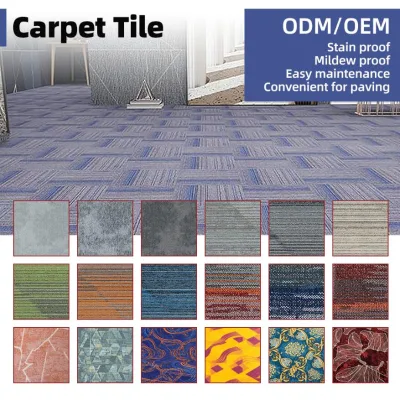
Customization is available for these carpet tiles, allowing buyers to select specific colors, patterns, and designs. Suppliers offer minimalist or puzzle-style patterns, with the option to choose between existing designs or custom artwork. The surface material can be nylon, PP, or polyester, and backing options include PVC, bitumen, or cushion backing to meet specific project requirements.
What are the standard sizes and specifications for these carpet tiles?
Standard sizes include 50x50cm, 60x60cm, 100x33.3cm, and 100x25cm, with 50x50cm being a common regular size. The thickness is typically 6mm, and the pile height is low. Single package sizes are approximately 52x52x0.6 cm, with a total weight of 4.5kg per square meter. Custom sizes are also accepted to fit specific installation needs.
Can these carpet tiles be used in commercial and office environments?
Yes, these carpet tiles are suitable for home, commercial, and office use. They feature non-slip, stain-resistant, and cushioned properties, making them ideal for high-traffic areas like hallways, living rooms, and dining rooms. The tiles are designed for easy installation and offer a modern style with a professional image, supporting applications in hotels and corporate spaces.
What is the minimum order quantity for ordering these carpet tiles?
The minimum order quantity is typically 300 square meters or 500 square meters, depending on the supplier. Samples are accepted for quality verification before bulk orders. Buyers should confirm the specific MOQ with the manufacturer, as it may vary based on customization requirements, packaging preferences, and the specific product model or backing material selected.
How do you clean and maintain Waterproof Stain Resistant Carpet Tiles?
These carpet tiles are waterproof and stain-resistant, requiring simple hand wash maintenance. The surface material, often nylon or PP, resists stains and is easy to clean. For routine care, regular vacuuming and spot cleaning with mild detergent are sufficient. The non-slip backing ensures safety, while the durable construction supports long-term use in various indoor and outdoor settings.
Where are these carpet tiles manufactured and what are the origins?
These carpet tiles are manufactured in China, with origins in Jiangsu and Guangdong provinces. Suppliers offer standard or customized specifications to meet international standards. The products are designed for global export, with packaging options that include standard or customized solutions. Buyers can source directly from these regions to access competitive pricing and reliable manufacturing capabilities.