Source Fanny Bag for Travel, Sports, and Daily Use
Explore 30 available options for a Fanny Bag designed for travel, sports, and daily carry. Compare features like neoprene and nylon materials, waterproof capabilities, and customization options from suppliers in China.
Key considerations
Products List


$2.33 - $2.99
MOQ: 200 Pieces
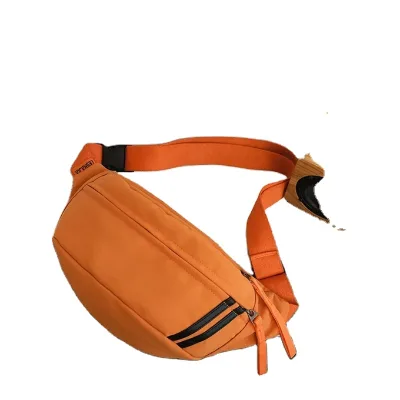


Shoulder Chest Bag Waterproof Fanny Pack Waist Bags with Adjustable Belt
$3.25 - $4.25
MOQ: 500 Pieces


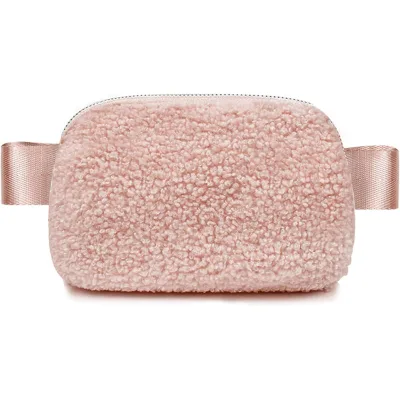


Crossbody Bags for Women Fanny Pack Waterproof Nylon Waist Bag Chest Pack
$4.98 - $6.00
MOQ: 300 Pieces


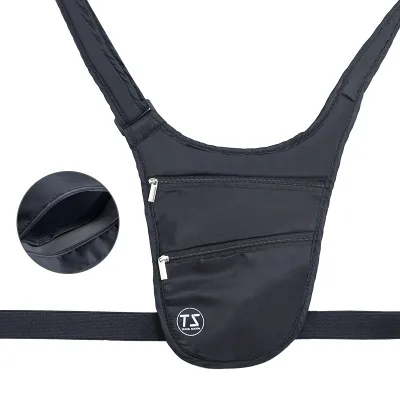


Comprehensive Sourcing Guide
Fanny Bag Sourcing Guide
Sourcing fanny bags, also known as waist packs or belt bags, requires a nuanced understanding of material durability, ergonomic design, and supply chain logistics. These accessories have evolved from simple utility items into versatile fashion and functional gear, serving diverse markets ranging from outdoor enthusiasts to corporate professionals. Buyers must navigate a landscape where product attributes vary significantly, including material composition, carrying styles, and customization options. This guide provides a structured approach to evaluating suppliers, verifying technical specifications, and ensuring commercial viability based on observed market signals and standard procurement practices.
The procurement process for fanny bags involves balancing aesthetic appeal with functional performance. Key decision points include selecting the appropriate material—such as neoprene for shock absorption or nylon for lightweight durability—and determining the necessary internal structures for specific use cases. Buyers should also consider logistical factors such as packaging efficiency, lead times, and minimum order quantities (MOQs). By focusing on these core elements, purchasers can mitigate risks associated with quality inconsistencies and supply chain delays, ensuring that the final product meets both brand standards and end-user expectations.
Product Scope and Observed Listing Signals
The current market for fanny bags exhibits a wide range of product types, from soft, foldable cases to structured, waterproof shoulder bags. Observed listings indicate a price range of $0.90 to $12.60 USD, reflecting significant variation in material quality, branding, and complexity. Minimum order quantities (MOQs) typically span from 1 to 1,000 units, offering flexibility for both small-batch custom orders and large-scale production runs. This variability allows buyers to align their procurement strategy with their inventory needs, whether they are testing new designs or fulfilling established demand.
Product attributes observed in the market include specific materials like neoprene and nylon, with some items featuring polyester linings for added durability. Colors range from standard black and white to vibrant options like orange, pink, and green, catering to diverse fashion trends. Functional features such as shockproofing, waterproofing, and adjustable shoulder styles are common selling points. Additionally, many suppliers offer customization services, including logo printing and OEM acceptance, which are critical for brands seeking to differentiate their products in a competitive marketplace.
Technical Specifications to Verify
Verifying technical specifications is crucial to ensuring that the fanny bags meet the intended use case. Buyers should confirm the exact dimensions of the product, as observed listings show sizes ranging from compact models like 25.4 x 1 x 19.05 cm to larger bags measuring 6" x 12.5" x 4". The internal structure is another key factor; some bags feature a main bag compartment, while others include vice-functional bags for organized storage. Understanding these structural differences helps buyers select products that align with their customers' storage needs and usage patterns.
Material composition and construction quality must also be rigorously checked. For instance, some products are made from neoprene, which offers flexibility and shock absorption, while others use nylon or Oxford cloth for enhanced durability and weather resistance. The presence of features like multilevel adjustable shoulder straps or single-shoulder designs impacts user comfort and versatility. Buyers should request detailed product datasheets that specify the outside and inside materials, ensuring that the chosen Fanny Bag can withstand the intended environmental conditions and frequency of use.
Compliance and Safety Documentation
Compliance and safety documentation are essential for mitigating legal and reputational risks in the procurement process. While specific certification requirements may vary by region and end-use, buyers should verify that suppliers can provide relevant documentation such as CE, RoHS, and ISO certifications. These certifications indicate that the products meet certain safety, health, and environmental protection standards, which is particularly important for items that may come into direct contact with users or contain electronic components.
In addition to certifications, buyers should inquire about the testing procedures used to validate product quality. This includes verifying that materials are free from harmful substances and that the construction meets durability standards. For products marketed as waterproof or shockproof, buyers should request test reports or evidence of performance claims to ensure that these features are genuine and not merely marketing assertions. Establishing a clear compliance framework early in the sourcing process helps prevent issues related to product recalls or regulatory non-compliance.
Cost Drivers and Commercial Terms
Understanding the cost drivers and commercial terms is vital for effective budgeting and negotiation. The price of fanny bags is influenced by factors such as material costs, customization requirements, and production volume. For example, products with complex internal structures or specialized materials like neoprene may command higher prices than basic nylon bags. Additionally, customization options such as logo printing or custom colors can add to the overall cost, so buyers should clarify these details with suppliers before finalizing orders.
Commercial terms, including lead times and packaging specifications, also impact the total cost of ownership. Observed lead times for samples are typically within 7 days, while production lead times can extend up to 45 days. Buyers should plan their procurement schedules accordingly to avoid stockouts or delays. Packaging is another critical factor; products are often packed in OPP bags, poly bags, or cartons, with carton sizes varying based on the quantity per unit. Efficient packaging can reduce shipping costs and minimize damage during transit, so buyers should negotiate packaging terms that optimize logistics efficiency.
Supplier Qualification and Quality Control
Supplier qualification is a critical step in ensuring the reliability and consistency of Fanny Bag supplies. Buyers should assess suppliers based on their production capabilities, quality control processes, and track record. This includes verifying the supplier's location, such as Dongguan or Fujian in China, which are known hubs for manufacturing these types of products. Buyers should also evaluate the supplier's ability to handle customization requests and their responsiveness to sample requests, which are typically fulfilled within 7 days.
Quality control measures should be established to monitor production quality throughout the manufacturing process. This includes implementing pre-production samples, in-line inspections, and final random inspections to ensure that the products meet the agreed-upon specifications. Buyers should also consider third-party inspection services to provide an objective assessment of product quality and compliance. By maintaining rigorous quality control standards, buyers can minimize the risk of receiving defective products and ensure that their customers receive high-quality fanny bags.
Long-Term Procurement Checks
Long-term procurement checks involve continuous monitoring of supplier performance and market trends to ensure sustained value. Buyers should regularly review supplier performance metrics, such as on-time delivery rates, product quality consistency, and responsiveness to issues. This ongoing evaluation helps identify potential risks and opportunities for improvement, allowing buyers to make informed decisions about their supply chain strategy. Additionally, staying informed about market trends, such as emerging materials or design innovations, can help buyers stay competitive and meet evolving customer demands.
Building strong relationships with suppliers is also key to long-term success. Open communication, mutual trust, and collaborative problem-solving can lead to better pricing, improved quality, and more flexible terms. Buyers should engage in regular business reviews with their suppliers to discuss performance, address concerns, and explore opportunities for innovation. By fostering a partnership-oriented approach, buyers can create a resilient supply chain that supports their business goals and adapts to changing market conditions.
FAQs
What materials are used for these fanny bags?
The available fanny bags are crafted from durable neoprene and nylon materials. Some models feature polyester inside material for added comfort and structure. These material choices ensure the bags are soft, shockproof, and suitable for various carrying needs while maintaining a lightweight profile for everyday use.
Can I customize the logo on the Fanny Bag?
Yes, logo printing is available as per your request. The supplier accepts OEM customization, allowing you to brand the bags with your specific design. This service supports business needs for branded merchandise, ensuring the final product aligns with your corporate identity or marketing campaign requirements effectively.
What is the lead time for production?
The sample lead time is within 7 days, allowing for quick approval of designs. For bulk production, the standard lead time is within 45 days. This timeline ensures that orders are processed efficiently while maintaining quality control standards for the manufactured carrying cases and shoulder bags.
Are these bags waterproof?
Yes, specific models are designed to be waterproof. This feature makes them suitable for outdoor activities or rainy conditions. The waterproof construction protects the contents of the main bag or vice-functional compartments from moisture, ensuring your belongings remain dry and secure during travel or daily commutes.
What certifications do the products hold?
The products hold CE, RoHS, and ISO certifications. These standards indicate compliance with international safety and quality regulations. Buyers can rely on these documented certifications to ensure the materials and manufacturing processes meet the required criteria for global distribution and consumer safety expectations in various markets.
What is the minimum order quantity?
The minimum order quantity ranges from 1 to 1000 units depending on the specific model and customization requirements. This flexible MOQ allows both small businesses and large enterprises to place orders that fit their inventory needs. Buyers can start with smaller quantities for testing before committing to larger bulk purchases.