Source Multi Pockets Gym Fanny Pack for Travel, Sports, and Daily Use
Source 30 Multi Pockets Gym Fanny Pack options from verified suppliers. Compare features like waterproof polyester and nylon materials, medium capacity designs, and customization for logo printing. Ideal for outdoor sports and daily carry needs.
Key considerations
Products List


Unisex Fanny Pack, Fanny Pack with Adjustable Strap, Cross-Body Fanny Pack
$5.99 - $9.99
MOQ: 500 Pieces


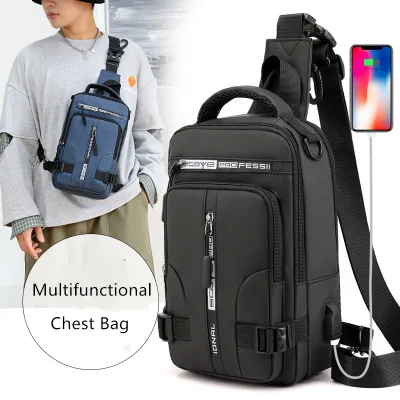


Comprehensive Sourcing Guide
Multi Pockets Gym Fanny Pack Sourcing Guide
Sourcing a multi-pocket gym fanny pack requires a strategic balance between functional utility, material durability, and commercial viability. These accessories are designed to keep hands free while securing essentials during physical activity, making them a staple for fitness enthusiasts, runners, and outdoor adventurers. The procurement process involves navigating a diverse supplier landscape where product attributes vary significantly in terms of capacity, closure mechanisms, and customization options. Buyers must distinguish between generic off-the-shelf items and specialized designs that offer enhanced storage solutions without compromising comfort during movement.
The market for these items is characterized by a wide range of price points and minimum order quantities (MOQs), reflecting the disparity between basic utility bags and premium, branded sportswear accessories. Understanding the specific needs of your target demographic is crucial before engaging with suppliers. Whether the end-user requires a lightweight, waterproof option for intense workouts or a more structured bag for casual gym visits, the sourcing strategy must align with the product’s intended use case. This guide provides a structured approach to evaluating suppliers, verifying technical specifications, and managing commercial risks associated with importing these goods.
Product Scope and Observed Listing Signals
The current market landscape for gym fanny packs reveals a diverse array of product configurations, with observed listings indicating a price range of $1.02 to $11.02 USD and MOQs varying from 10 to 1,000 units. This broad spectrum suggests that buyers can access both low-volume trial orders and large-scale production runs, depending on their inventory strategy. The presence of customization options, including logo printing and embossing, indicates that many suppliers are equipped to handle branded orders, which is essential for businesses looking to establish a distinct identity in the fitness accessory market.
Product attributes observed in listings highlight key features such as waterproof materials, medium capacity, and specific design elements like horizontal square or dumpling shapes. Materials predominantly include polyester and nylon, chosen for their durability and resistance to wear and tear during rigorous activities. Additionally, closure mechanisms such as buckles and zippers are standard, ensuring secure storage of personal items. The variety in colors, including blue, red, and black, as well as custom color options, allows buyers to cater to different aesthetic preferences and seasonal trends, particularly for summer sports gear.
Technical Specifications to Verify
When evaluating technical specifications, buyers must prioritize the bag’s capacity and weight distribution to ensure it meets the functional requirements of gym users. Observed data indicates that many products have a bearing capacity of less than 2 kg and a gross weight of less than 0.5 kg, which is ideal for carrying lightweight essentials like keys, cards, and small bottles without causing discomfort during exercise. It is critical to verify the actual internal volume and pocket configuration, as "multi-pocket" designs can vary significantly in their organizational efficiency. Buyers should request detailed diagrams or samples to confirm that the pockets are accessible and secure, preventing items from shifting or falling out during movement.
Material composition and construction quality are equally important factors that influence the longevity and performance of the fanny pack. Polyester and nylon are common materials, each offering distinct advantages in terms of water resistance, flexibility, and abrasion resistance. Buyers should verify the denier count of the fabric and the quality of stitching, particularly in high-stress areas such as strap attachments and pocket openings. Additionally, the hardness of the material, described as medium soft or soft in some listings, affects comfort against the skin. Ensuring that the material is breathable and does not cause irritation during prolonged wear is essential for customer satisfaction.
Compliance and Safety Documentation
Compliance and safety documentation are critical components of the sourcing process, particularly when importing goods that come into direct contact with consumers. While specific certification statuses may vary by supplier and region, buyers should ensure that all products meet the relevant safety standards for textiles and accessories in their target markets. This includes verifying that materials are free from harmful substances and that the manufacturing process adheres to environmental and labor regulations. Buyers should request test reports or certificates of compliance from suppliers to confirm that the products meet these standards, reducing the risk of regulatory issues or product recalls.
In addition to material safety, buyers should also consider the durability and reliability of the product’s components, such as zippers, buckles, and straps. These elements are subject to frequent use and must withstand the rigors of daily activity without failing. Suppliers should provide information on the quality of these components, including any relevant testing or quality assurance processes. By prioritizing compliance and safety, buyers can build trust with their customers and ensure that their products meet the highest standards of quality and reliability.
Cost Drivers and Commercial Terms
Cost drivers for multi-pocket gym fanny packs include material costs, labor expenses, and the complexity of customization options. The observed price range of $1.02 to $11.02 USD reflects these variations, with higher prices typically associated with premium materials, intricate designs, and extensive customization. Buyers should carefully evaluate the cost structure to determine the most cost-effective sourcing strategy, considering factors such as volume discounts, shipping costs, and payment terms. Understanding these drivers is essential for negotiating favorable commercial terms and maximizing profit margins.
Commercial terms, including payment methods and production lead times, also play a significant role in the sourcing process. Observed data indicates that suppliers often accept payments via T/T (Telegraphic Transfer) and offer FOB (Free On Board) price terms. Production times can vary, with some suppliers offering a production time of 25 days and others requiring 45-60 days after receiving a deposit. Buyers should align their procurement timeline with these lead times to ensure timely delivery and avoid stockouts. Additionally, sample lead times of 7-10 days allow buyers to evaluate product quality before committing to large orders, reducing the risk of receiving substandard goods.
Supplier Qualification and Quality Control
Supplier qualification is a critical step in the sourcing process, ensuring that partners have the capability and reliability to meet your business needs. Buyers should conduct thorough due diligence on potential suppliers, verifying their production capacity, quality control processes, and track record. This includes assessing their ability to handle customization requests, such as logo printing and embossing, and their commitment to meeting delivery deadlines. By selecting qualified suppliers, buyers can minimize risks and ensure a smooth procurement process.
Quality control measures should be implemented throughout the production process to ensure that products meet the specified standards. Buyers should request samples for evaluation and conduct regular inspections during production to identify and address any issues early. This includes checking for defects in materials, stitching, and component functionality. By maintaining strict quality control, buyers can ensure that their products meet customer expectations and reduce the likelihood of returns or complaints. Additionally, establishing clear communication channels with suppliers facilitates timely resolution of any issues that may arise.
Long-Term Procurement Checks
Long-term procurement checks involve continuous monitoring and evaluation of supplier performance to ensure sustained quality and reliability. Buyers should establish key performance indicators (KPIs) to track metrics such as on-time delivery, product quality, and responsiveness to issues. Regular reviews of these metrics help identify areas for improvement and strengthen the partnership with suppliers. By maintaining a proactive approach to supplier management, buyers can mitigate risks and ensure a stable supply chain.
Additionally, buyers should stay informed about market trends and consumer preferences to adapt their sourcing strategies accordingly. This includes monitoring changes in material availability, pricing fluctuations, and emerging design trends. By remaining agile and responsive to market dynamics, buyers can maintain a competitive edge and meet the evolving needs of their customers. Continuous improvement and adaptation are essential for long-term success in the sourcing of multi-pocket gym fanny packs.
FAQs
What materials are used for these gym fanny packs?
The bags are primarily made from durable polyester or nylon materials. These fabrics provide a balance of strength and flexibility suitable for active use. The medium soft to medium hard texture ensures comfort against the body while maintaining structural integrity during workouts or outdoor activities.
Can I customize the logo on the fanny pack?
Yes, customization is available for branding purposes. You can choose print or embroidery options to display your logo. This service allows businesses to create unique merchandise for teams or corporate events, ensuring brand visibility while maintaining the functional design of the waist bag.
What is the typical production time for orders?
Production typically takes 25 days for standard orders. For larger or customized batches, the timeline may extend to 45-60 days after receiving the deposit. Sample production usually requires about 7 to 10 days, allowing buyers to verify quality before committing to full-scale manufacturing.
What is the minimum order quantity for these bags?
The minimum order quantity generally ranges from 10 to 1000 pieces, with specific models requiring 500 units. This flexibility accommodates both small trial orders and large bulk purchases. Buyers should confirm the exact MOQ for their selected model to ensure alignment with supplier requirements.
Are these fanny packs suitable for outdoor sports?
Yes, they are designed for outdoor and sports use. Features like waterproof construction and secure buckle or zipper closures make them ideal for running, hiking, or gym sessions. The horizontal square or dumpling shapes offer comfortable wear, while the medium capacity holds essentials securely during physical activity.
What payment terms are accepted for these products?
Payments are typically accepted via T/T (Telegraphic Transfer). The price terms are usually FOB, meaning costs cover delivery to the port of shipment. Buyers should arrange for sea or air shipment separately, depending on their logistics preferences and the urgency of the order delivery.