Source Waterproof Thermal Insulation Folding House for Dormitory, Office, and Villa
Explore 30 listings for the Waterproof Thermal Insulation Folding House designed for dormitories, offices, and villas. Buyers can compare features like wind resistance, earthquake safety, and fast installation to find the right supplier.
Key considerations
Products List


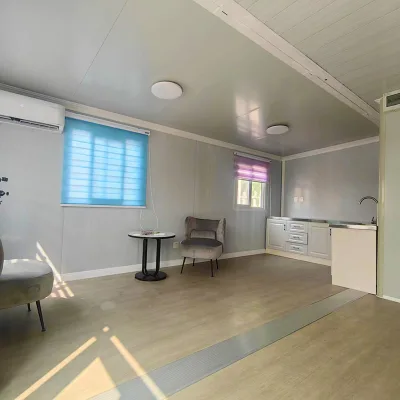
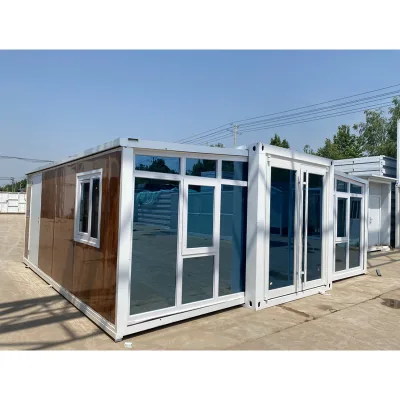
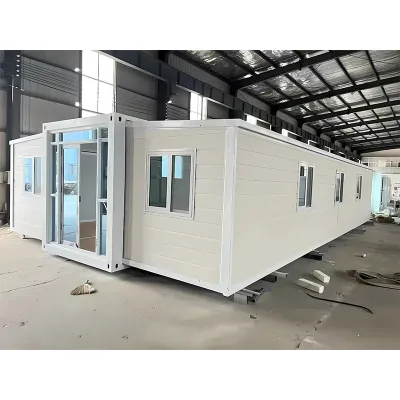
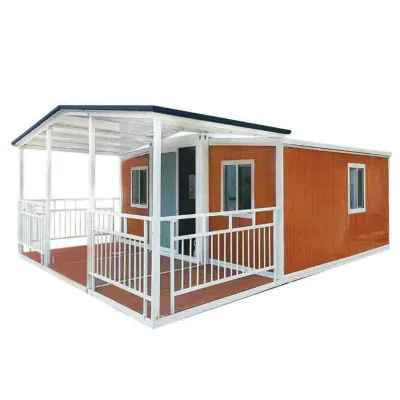


Prefabricated Portable Home Folding Container House with Thermal Insult Function
$1200.00 - $1750.00
MOQ: 1 Pieces
Comprehensive Sourcing Guide
Strategic Sourcing Guide for Waterproof Thermal Insulation Folding Houses
The global demand for rapid-deployment, modular accommodation has elevated the profile of waterproof thermal insulation folding houses. These structures represent a critical intersection of logistics efficiency, structural resilience, and occupant comfort. For procurement professionals, sourcing these units requires a disciplined approach that distinguishes between marketing assertions and verifiable engineering data. The following guide outlines the essential technical, compliance, and operational parameters buyers must evaluate to secure reliable supply chains for temporary and semi-permanent housing solutions.
Technical Specifications and Structural Integrity
When evaluating waterproof thermal insulation folding houses, the primary focus must be on the core material composition and the mechanical folding mechanism. The supplied data indicates that the primary structural framework often utilizes a steel structure, providing the necessary rigidity for stacking and transport. The cladding materials vary, with some units employing sandwich panels while others utilize container-grade materials. This distinction is vital, as sandwich panels typically offer superior thermal insulation properties compared to standard container steel, directly impacting the "thermal insulation" requirement of the core keyword.
The folding mechanism is a critical differentiator in this category. The observed data points to a "Hinged Folding Structure with Buckle Fixing System" and mentions "Hydraulic/Manual Folding" methods. Buyers must verify the specific actuation method required for their operational context. Hydraulic systems offer speed and ease of deployment in large-scale emergency scenarios, whereas manual systems may be preferred for smaller, remote sites where power availability is inconsistent. The structural integrity of the fold is paramount; the units must withstand the stresses of transport and the forces of deployment without compromising the waterproof seal.
Regarding dimensions, the market presents a variety of standardized and customized sizes. Observed specifications include models with a standard size of 2480x2200x5900 mm and others listed as 585248254 cm or 300060002896 mm. The effective floor area for a typical unit is approximately 14.4 square meters, with a payload capacity ranging from 22.2 to 28.7 tons when stacked. Procurement teams must align these dimensions with site constraints and transportation logistics. The ability to support "Infinite Horizontal/Vertical Splicing" allows for scalable configurations, turning individual units into larger complexes. However, the buyer must confirm that the splicing mechanism maintains the integrity of the waterproof and thermal insulation layers at the connection points.
Compliance, Certification, and Safety Standards
Compliance with international standards is non-negotiable for B2B procurement of temporary structures. The supplied facts highlight that products often carry CE and ISO certifications. These marks indicate that the manufacturer adheres to specific European and international quality management and safety protocols. However, the presence of a certification mark on a listing does not guarantee that every unit in a batch meets the standard; it is a verification of the manufacturer's quality system. Buyers should request valid, current certificates and verify the scope of coverage to ensure it includes the specific structural and fire safety aspects of the folding house.
Fire resistance is a critical safety parameter. The data references a "Level a" fire resistance rating, which suggests a high standard of non-combustibility. In many jurisdictions, temporary dormitories and construction site offices are subject to strict fire codes. Buyers must verify that the "Level a" rating corresponds to the specific fire safety regulations of the destination country. Similarly, the waterproof rating is cited as IP65. This rating implies protection against dust ingress and low-pressure water jets from any direction, which is essential for outdoor deployment. However, for extreme weather conditions, buyers should inquire about specific testing protocols for hydrostatic pressure and long-term water exposure to ensure the seal does not degrade over the product's lifespan.
Seismic performance is another area requiring rigorous verification. The observed data claims "Excellent" seismic performance suitable for seismic zones. This claim must be backed by engineering calculations or third-party test reports specific to the region's seismic activity levels. The "Earthquake Resistant" feature is a broad claim; the buyer needs to understand the specific load-bearing capacity of the hinged structure during ground motion. The "Wind Resistance" is noted as Level 11, which corresponds to a specific wind speed range. Procurement teams should request the specific wind speed data (e.g., in meters per second or knots) associated with this level to ensure the structure can withstand local weather patterns.
Cost Drivers and Pricing Variables
The pricing landscape for waterproof thermal insulation folding houses is influenced by several dynamic factors. The observed price range spans from 799 to 18,500 USD. This wide variance is not indicative of quality differences alone but reflects significant variations in customization, material thickness, and included features. A unit priced at the lower end of the spectrum may be a basic steel container with minimal insulation, while a unit at the higher end likely includes advanced thermal sandwich panels, hydraulic folding mechanisms, and custom interior finishes.
Material costs are a primary driver. The choice between standard steel containers and sandwich panels significantly impacts the final price. Sandwich panels, while more expensive, provide the necessary thermal insulation to meet the "thermal insulation" keyword requirement effectively. Steel structures are robust but may require additional insulation layers to achieve the same thermal performance. Customization is another major cost factor. The data confirms that "Customization" is available for color, size, and specifications. Any deviation from standard dimensions or the addition of specialized features, such as reinforced flooring or specific electrical pre-wiring, will increase the unit cost.
Logistics and lead times also play a role in the total cost of ownership. The observed lead time ranges from 1 to 7 days, which is exceptionally fast for manufactured goods. This suggests that many suppliers maintain stock of standard models. However, for customized orders, lead times may extend significantly. Buyers should clarify whether the quoted price includes sea shipping worldwide or if freight costs are separate. The "Flat Packing" option mentioned in the data can reduce shipping volume and costs, but the buyer must weigh this against the labor and time required for on-site assembly. The Minimum Order Quantity (MOQ) ranges from 1 to 16 units, offering flexibility for small projects but potentially affecting unit pricing for bulk orders.
Typical Applications and Usage Scenarios
The versatility of waterproof thermal insulation folding houses makes them suitable for a diverse range of applications. The supplied data lists specific usage scenarios including dormitories, warehouses, villas, offices, hotels, and construction site temporary dormitories. This breadth of application underscores the need for buyers to select a unit that matches the specific environmental and functional requirements of the intended site.
In construction environments, the primary use cases are temporary dormitories, field workstations, and temporary storage. The "Fast Installation" feature is particularly valuable here, as project timelines are often tight. The ability to deploy a workforce housing unit in a matter of days can accelerate project start dates. For emergency disaster relief, the "Easily Movable" and "Earthquake Resistant" features are critical. The structure must be deployable quickly in remote or damaged areas and capable of withstanding the harsh conditions of a disaster zone.
Commercial applications, such as hotels and villas, require a higher standard of comfort and aesthetics. The "Thermal Insulation" and "Waterproof" features ensure habitability in varying climates, while the "Customized" color and design options allow for branding and aesthetic integration. The "3D Photo and CAD Design" service offered by suppliers is a valuable asset for these commercial projects, allowing buyers to visualize the final layout before production. The "Life Span" of 10 to 15 years suggests that these units are durable enough for semi-permanent commercial use, provided they are maintained correctly.
Supplier Evaluation and Quality Control
Selecting the right supplier is as important as selecting the right product. The data indicates that suppliers are located in regions such as Jiangsu and Shandong in China. While these regions are known for manufacturing, buyers should not assume uniform quality across all suppliers in these areas. A robust supplier evaluation process should include a review of their manufacturing capabilities, quality control protocols, and after-sales support.
The "Online Technical Guidance" and "12 Months" warranty are standard service offerings. However, buyers should verify the scope of the warranty. Does it cover structural defects, waterproofing failures, or only specific components? The "After-Sales Service" should include clear procedures for troubleshooting and parts replacement. For large-scale deployments, the ability to provide "3D Photo and CAD Design" indicates a level of technical sophistication that can prevent costly errors during installation.
Quality control should extend beyond the factory floor. Buyers should request evidence of the "CE" and "ISO" certifications and verify that the specific batch of units being ordered has undergone the necessary testing. The "Reusability" feature, which allows for multiple detachable and reusable cycles, is a key indicator of durability. Buyers should ask for data on the number of folding cycles the structure can withstand before structural fatigue becomes a concern. The "Flexible Combination" capability also requires quality control at the connection points to ensure that splicing multiple units does not compromise the overall integrity of the shelter.
Long-Term Procurement and Lifecycle Management
Procuring waterproof thermal insulation folding houses is not a one-time transaction but a strategic decision involving long-term lifecycle management. The "10 to 15 Years" lifespan and "10 Years" service life figures suggest that these units are designed for extended use. However, achieving this lifespan depends heavily on maintenance and operational conditions. Buyers should develop a maintenance plan that includes regular inspections of the folding hinges, waterproof seals, and structural connections.
The "Detachable Container" and "Flat Packing" features facilitate easy transport and storage, which is crucial for long-term asset management. When a project concludes, the units can be disassembled and moved to a new site, maximizing the return on investment. The "Eco-Friendliness" feature aligns with modern sustainability goals, suggesting that the materials used are recyclable or have a lower environmental impact. Buyers should inquire about the recyclability of the steel and panel materials at the end of the product's life.
Finally, the "Sea Shipping Worldwide" capability ensures that these units can be deployed globally. However, buyers must consider the logistical challenges of international shipping, including customs clearance and local regulations. The "Customized" nature of the units allows for compliance with local building codes, but this requires early engagement with the supplier to ensure that the design meets the specific regulatory requirements of the destination country. By focusing on these long-term considerations, buyers can ensure that their investment in waterproof thermal insulation folding houses delivers value throughout the entire lifecycle of the project.
FAQs
What certifications do these folding houses hold?
Products typically hold CE and ISO certifications to verify quality and safety standards. Buyers should request valid certificates to ensure the specific batch meets international protocols for structural integrity and fire safety.
How fast can these units be installed on site?
Installation is designed for speed with lead times ranging from 1 to 7 days for standard models. The hinged folding structure allows for rapid deployment, making them ideal for urgent construction site or emergency relief needs.
What is the expected lifespan of a folding house?
The service life generally spans 10 to 15 years depending on maintenance and usage conditions. These units are built with steel structures and sandwich panels to ensure durability and reusability across multiple relocation cycles.
Can these houses be customized for specific needs?
Yes, customization is available for color, size, and specific specifications to match project requirements. Buyers can request 3D photos and CAD designs to visualize the final layout before production begins.
What is the minimum order quantity for these units?
The minimum order quantity starts at 1 unit, offering flexibility for small projects. However, bulk orders may affect pricing, and some suppliers may have different thresholds for customized configurations.
How are these units shipped worldwide?
Shipping is available via sea freight to global destinations with options for flat packing to reduce volume. The units are designed to be easily movable and can be stacked with significant payload capacity during transport.