Source Waterproof Unisex Air Cushion Sneakers for hiking, daily wear, and work
Find 30 Waterproof Unisex Air Cushion Sneakers with varying materials like suede, canvas, and mesh. Compare features including breathability, anti-slip designs, and customization options from suppliers in China.
Key considerations
Products List




Comprehensive Sourcing Guide
Strategic Sourcing Guide for Waterproof Unisex Air Cushion Sneakers
The global B2B market for athletic and casual footwear continues to evolve, with a specific surge in demand for versatile, weather-resistant options suitable for diverse demographics. Buyers searching for "Waterproof Unisex Air Cushion Sneakers" must navigate a complex landscape where material science, manufacturing standards, and logistical constraints intersect. This guide provides a disciplined approach to sourcing these specific products, relying strictly on observable product attributes and established procurement principles. The objective is to equip procurement teams with the analytical framework necessary to identify viable suppliers, validate product claims, and mitigate supply chain risks without relying on unverified marketing assertions.
Technical Specifications and Material Composition
When evaluating waterproof unisex sneakers, the primary technical differentiator lies in the upper material and the construction of the sole system. The product data indicates a diverse range of materials available in the current market, including Suede, Canvas, Mesh, and PU (Polyurethane). Each material presents distinct trade-offs regarding breathability, durability, and water resistance. For instance, Mesh and Canvas are frequently cited as breathable materials, which is critical for comfort during extended wear, yet they require specific treatments or laminations to achieve waterproof status. Conversely, Suede and PU offer robust structural integrity but may demand more rigorous testing to ensure they do not absorb moisture.
The outsole material is another critical specification. The available data confirms that Rubber is a standard outsole material for these products, providing essential traction and durability. The presence of "Anti-slip Particles" in specific listings suggests that manufacturers are incorporating texture modifications to enhance grip, a vital feature for outdoor or wet environments. Furthermore, the insole material is often listed as EVA (Ethylene Vinyl Acetate), which is consistent with the "air cushion" requirement in the core keyword. EVA is renowned for its shock-absorbing properties and lightweight nature, making it ideal for unisex footwear that must accommodate a wide range of foot types and activities.
The construction of the shoe also dictates its functional performance. Attributes such as "Lace-up" and "Ankle Zipper" represent different closure patterns that affect the fit and ease of use. Ankle zippers may offer a more secure fit for hiking or rugged terrain, while lace-ups provide adjustability for various foot volumes. The opening depth varies from low to deep, influencing how the shoe interacts with the ankle and lower leg. Buyers must verify that the specific model selected aligns with the intended use case, whether it is casual urban wear or more demanding activities like hiking, as indicated by specific product features.
Compliance, Certification, and Quality Standards
In the B2B sector, compliance is not merely a regulatory hurdle but a fundamental indicator of supplier reliability. The product data references several quality classifications, including "Top," "Ljr," "G5," and "Pk," alongside standards labeled as "High Quality Top 3A, 5A, 7A, 10A." These designations likely refer to internal grading systems used by manufacturers to denote finish, material consistency, and assembly precision. However, buyers must exercise caution and not assume these internal grades equate to international certifications unless explicitly verified.
When sourcing waterproof footwear, the verification of waterproof claims is paramount. The data presents a dichotomy where some listings explicitly state "Waterproof" while others note "Not Waterproof." This inconsistency highlights the necessity for rigorous pre-shipment testing. Buyers should request specific test reports, such as hydrostatic pressure tests or water immersion tests, to validate the waterproof claim. Similarly, features like "Anti-microbial" properties require substantiation through recognized laboratory results. Without external certification from bodies like ISO or specific industry standards, these claims remain observations rather than guaranteed attributes.
The origin of the products is consistently listed as China, a major hub for footwear manufacturing. While this location offers access to a vast supply chain, it necessitates a thorough understanding of local export regulations and quality control expectations. The "Customized" standard mentioned in the data suggests that many suppliers are willing to adapt products to specific buyer requirements, but this flexibility must be managed through clear contractual agreements to ensure that customization does not compromise the core waterproof or cushioning specifications.
Cost Drivers and Pricing Dynamics
Understanding the cost structure of waterproof unisex sneakers is essential for budgeting and margin analysis. The observed price range in the market spans from $2.5 to $59 USD, a significant variance that reflects differences in material quality, manufacturing complexity, and brand positioning. The lower end of this spectrum likely corresponds to products utilizing standard Canvas or Mesh with basic EVA insoles, while the higher end may involve premium Suede or PU uppers, advanced waterproof membranes, and more intricate construction methods.
Several factors drive these cost variations. The choice of upper material is a primary driver; PU and Suede generally command higher prices than Canvas or Mesh due to material costs and processing requirements. The inclusion of specialized features, such as "Anti-slip Particles" or "Breathable" treatments, also adds to the production cost. Additionally, the "Hand Made" attribute is noted as "Not Handmade" in the provided data, suggesting that most products are machine-assembled, which typically reduces labor costs but requires precise machinery to maintain consistency.
The Minimum Order Quantity (MOQ) is another critical cost factor. The observed MOQ range is between 1 and 1000 units. For buyers testing the market, an MOQ of 1 allows for sample validation, but economies of scale are only realized at higher volumes. The packaging method, listed as either "Carton" or "Box," also impacts logistics costs. Box packaging may offer better protection but could be more expensive to ship than standard cartons. Buyers must balance the unit price against the total landed cost, including shipping, duties, and packaging, to determine the true cost efficiency of a supplier.
Typical Applications and Use Cases
The versatility of waterproof unisex sneakers makes them suitable for a wide array of applications. The data explicitly mentions "Hiking" as a use case, indicating that these products are designed to withstand outdoor conditions. The combination of "Waterproof" attributes, "Breathable" features, and "Anti-slip" outsoles supports this application, ensuring that the footwear can handle wet trails and uneven terrain while maintaining comfort.
Beyond hiking, the "Unisex" classification and "Round" toe design suggest suitability for casual daily wear. The "Flat" heel height contributes to comfort for extended periods of standing or walking, making these sneakers ideal for urban environments, light trekking, or general outdoor activities. The "Season: Autumn" designation further refines the target use case, suggesting that these products are optimized for cooler, wetter weather conditions where water resistance and insulation are prioritized.
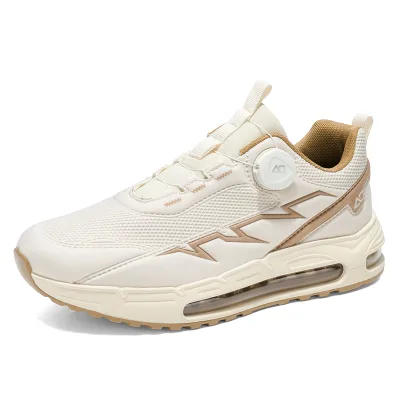
The "Color - Blocking" design feature indicates a focus on aesthetic appeal, which is crucial for retail buyers targeting fashion-conscious consumers. The availability of "OEM, Customized" logos allows brands to tailor the product to their specific identity, enhancing its marketability. Whether for professional outdoor gear retailers or general footwear distributors, understanding the specific application helps in selecting the right product specifications and marketing the item effectively to the end consumer.
Supplier Evaluation and Selection Criteria
Selecting the right supplier requires a multi-faceted evaluation process that goes beyond price and basic product attributes. The data indicates that suppliers offer "Customization" and "OEM" services, which is a positive sign of flexibility. However, buyers must verify the supplier's capacity to deliver consistent quality across different production runs. The presence of multiple product models, such as "LK01," "D1807224," "E1704205," and "SA0232," suggests that suppliers often have diverse catalogs, but this does not guarantee expertise in every category.
Communication channels are also a key evaluation metric. The data lists "What*APP" as a contact method, highlighting the importance of using accessible and efficient communication tools in international trade. Buyers should assess the responsiveness and clarity of communication, as this often correlates with the supplier's ability to handle order changes and resolve issues promptly. Additionally, the "Standard" of "Customized" implies that the supplier is willing to work with specific buyer requirements, but the buyer must clearly define these requirements in writing to avoid misunderstandings.
Quality control capabilities are another critical factor. The mention of "High Quality Top 3A, 5A, 7A, 10A" standards suggests that the supplier has internal grading systems. Buyers should request details on how these grades are determined and whether they align with international quality benchmarks. The ability to provide samples for testing, particularly for waterproofing and durability, is essential before committing to a large order.
Quality Control and Long-Term Procurement Considerations
Ensuring long-term success in sourcing waterproof unisex sneakers requires a robust quality control (QC) strategy. Given the variation in attributes like "Waterproof" and "Not Waterproof" within the same product category, a rigorous QC protocol is non-negotiable. Buyers should implement a three-stage QC process: pre-production inspection to verify materials and patterns, in-line inspection during manufacturing to monitor assembly consistency, and pre-shipment inspection to validate final product quality.
The "Weight Per Pair" is listed as 1-1.5kg, which is a significant weight for sneakers and may indicate heavy-duty construction or the inclusion of substantial cushioning. This weight specification must be verified during QC to ensure it meets the buyer's expectations and does not exceed shipping limits or cause consumer complaints regarding heaviness. Similarly, the "Shoe Size" range, spanning from US 7.5 to 12.5 and EUR 36 to 45, requires precise size grading to prevent returns due to fit issues.
Long-term procurement considerations also involve supply chain resilience. The "prod_packing" options of "Carton" or "Box" must be evaluated for their ability to protect the product during transit, especially given the potential for water damage if packaging is compromised. Buyers should also consider the "Lead Time" and "MOQ" flexibility, as these factors impact inventory management and cash flow. Establishing a long-term partnership with a supplier who can consistently meet quality standards and adapt to changing market demands is crucial for sustainable growth in the footwear sector.
Conclusion
Sourcing Waterproof Unisex Air Cushion Sneakers requires a meticulous approach that balances technical specifications, quality assurance, and cost efficiency. By leveraging the observed product attributes and adhering to disciplined procurement practices, buyers can navigate the complexities of the global footwear market. The key lies in verifying claims, understanding the nuances of material selection, and establishing clear communication channels with suppliers. With the right strategy, buyers can secure high-quality products that meet the diverse needs of their customers while maintaining a competitive edge in the marketplace.
FAQs
What materials are used for the uppers of these sneakers?
The uppers are constructed from Suede, Canvas, Mesh, or PU. These materials are selected to balance breathability and durability, with specific models offering waterproof treatments or standard water resistance depending on the design.
Can I find waterproof options with EVA insoles?
Yes, some listings explicitly state waterproof features combined with EVA insoles. The EVA material provides the required air cushioning and shock absorption while the upper construction ensures protection against moisture.
Which closure patterns are available for these unisex shoes?
Available closure patterns include Lace-up and Ankle Zipper designs. These options allow for adjustable fit and secure locking, with ankle zippers often preferred for hiking or rugged terrain applications.
What is the typical weight per pair for these sneakers?
The weight per pair typically ranges from 1 to 1.5 kilograms. This substantial weight often indicates heavy-duty construction or the inclusion of significant cushioning components like EVA insoles for enhanced comfort.
How are the shoes packaged for shipping?
The shoes are packaged in either Cartons or Boxes. The choice of packaging depends on the specific supplier and order requirements, with box packaging often offering superior protection during transit.
Are customization and OEM services available for these products?
Customization and OEM services are available for logos and product standards. Buyers can request specific modifications, though clear contractual agreements are necessary to ensure customization does not compromise core specifications.
What quality standards are referenced for these footwear items?
Quality standards referenced include internal grades like Top, Ljr, G5, and Pk, alongside labels such as 3A, 5A, 7A, and 10A. These designations indicate internal grading systems for finish and assembly precision.