Source 360 Degree VR Flight Simulator for Amusement Parks, Malls, and Game Centers
Find and compare 27 listings for the 360 Degree VR Flight Simulator, featuring models like VR Super Fighter and VR Magic 360 Flight. Evaluate specifications such as power consumption, load capacity, and dimensions to select the right indoor amusement equipment for your business needs.
Key considerations
Products List


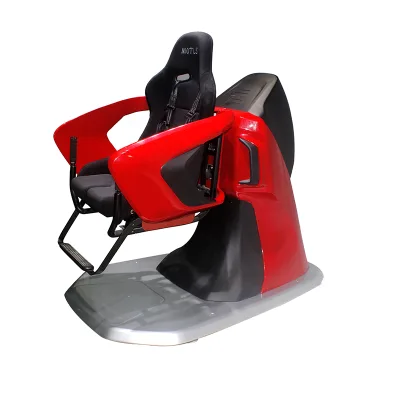

Vr 360 Aircraft 9d Virtual Reality 9d Vr 360 Degrees Flight Simulator
$4900.00 - $5000.00
MOQ: 1 Pieces


Comprehensive Sourcing Guide
360 Degree VR Flight Simulator Sourcing Guide
The 360 Degree VR Flight Simulator represents a specialized category of indoor amusement equipment designed to immerse users in dynamic virtual environments while providing physical motion feedback. These units typically combine high-fidelity VR headsets with multi-axis motion platforms to simulate the sensations of flying, roller coasters, or aerial maneuvers. Procurement for this technology requires a clear understanding of the specific motion capabilities, such as 360-degree rotation or specific swing angles, which directly influence the user experience and the physical footprint required for installation.
Buyers must distinguish between different motion profiles, as observed listings indicate variations ranging from 20-degree swings to full 360-degree rotations. The selection process should prioritize the intended application environment, whether it is a dedicated amusement park, a shopping mall, or a playhouse, as these settings dictate the necessary safety clearances and operational throughput. Understanding the specific model designation, such as "VR Super Fighter" or "VR Magic 360 Flight," is essential for aligning the hardware capabilities with the expected entertainment value and target demographic.
Product Scope and Observed Listing Signals
The product scope for these simulators encompasses a range of fixed and rotating platforms constructed primarily from durable materials like PVC and steel frames, designed for indoor operation. Observed listings confirm that these units are generally new condition items with customizable features, allowing operators to tailor the exterior color and branding to match their venue's aesthetic. The physical dimensions vary significantly across models, with some units occupying a footprint of approximately 310x280x220 cm while others are more compact at 260x260x190 cm, necessitating careful space planning before purchase.
Commercial signals indicate a flexible minimum order quantity, often starting at a single unit, which facilitates entry for smaller venues or pilot programs. The packaging standards observed include air bubble film and stretch films, often supplemented by wooden cases for international shipping, ensuring the delicate VR headsets and mechanical components arrive without damage. Buyers should note that while some listings mention inflatable options, the specific 360-degree flight simulators discussed here are rigid structures, requiring a stable floor and specific power infrastructure for operation.
Technical Specifications to Verify
Technical verification must begin with the power requirements, as observed data shows rated power consumption ranging from 2.5kw to 5.3kw depending on the motion intensity and platform size. The rated voltage is consistently listed as 220V, but buyers must confirm local grid compatibility and the necessity for step-down transformers or dedicated circuits to prevent electrical faults. Additionally, the actual operating power may differ from the rated power, and understanding this distinction is critical for calculating long-term energy costs and ensuring the venue's electrical system can handle the peak load without tripping.
The mechanical specifications, including the rotation angle and rated load capacity, are equally critical for operational safety and user comfort. Listings indicate rotation capabilities of 360 degrees for flight simulators, while other models may offer limited swing angles of 20 degrees, directly affecting the intensity of the ride. Load capacities vary from 120kg to 200kg per unit, and the maximum passenger weight per person is often capped at 150kg, requiring buyers to verify that the selected model aligns with the expected demographic weight distribution and safety margins.
Compliance and Safety Documentation
Compliance documentation is a non-negotiable aspect of sourcing these amusement devices, with certifications such as CCC and ISOCE frequently cited in product listings. Buyers must request valid, up-to-date certification documents that specifically cover the model being purchased, as these standards ensure the electrical and mechanical systems meet regional safety requirements. The presence of CE and ISO markings suggests adherence to international safety norms, but verification of the specific test reports associated with the batch is necessary to confirm that the equipment has passed rigorous stress and safety testing.
Safety features extend beyond certifications to include the physical design of the restraint systems and the emergency stop protocols integrated into the control software. The allowable passenger count and weight limits must be clearly marked on the unit and verified against the manufacturer's safety manual to prevent overloading. Furthermore, the warranty period, typically observed as 12 months, should be reviewed to understand the coverage for mechanical failures and the supplier's commitment to providing replacement parts or technical support during the initial operational phase.
Cost Drivers and Commercial Terms
The cost of a 360 Degree VR Flight Simulator is driven by several factors, including the complexity of the motion platform, the quality of the VR headset, and the overall build size. Observed price ranges span from 550 USD to 47,800 USD, reflecting the vast difference between basic stationary units and advanced, multi-axis motion simulators with high-end graphics and robust mechanical engineering. Buyers should analyze the price-to-specification ratio carefully, ensuring that the higher cost correlates with tangible benefits such as increased durability, better motion fidelity, or extended warranty terms.
Commercial terms regarding the minimum order quantity and shipping logistics play a significant role in the total cost of ownership. While many suppliers offer an MOQ of just one piece, the shipping costs for large, heavy units weighing between 600kg and 650kg can be substantial. The packaging method, which often involves wooden cases for heavy-duty protection, adds to the freight volume and weight, requiring buyers to factor in these logistics costs when budgeting for the project.
Supplier Qualification and Quality Control
Supplier qualification should focus on the manufacturer's origin and their track record in producing amusement park equipment. Most observed listings indicate an origin in China, specifically from regions like Guangdong, which is a known hub for this type of manufacturing. Buyers should verify the supplier's production capacity and their ability to provide after-sales support, as the complexity of VR and motion systems often requires specialized technical assistance that is not available through general distributors.
Quality control measures must be established before production begins, focusing on the materials used, such as the PVC components and the structural integrity of the frame. The condition of the product upon arrival should be verified against the "New" status claimed in listings, with a specific check for any damage to the VR headsets or the motion actuators. Implementing a pre-shipment inspection protocol is advisable to ensure that the product matches the agreed specifications, including the correct model designation, color customization, and packing standards.
Long-Term Procurement Checks
Long-term procurement success depends on establishing a clear maintenance and support framework that extends beyond the initial warranty period. Buyers should negotiate service level agreements that cover the availability of spare parts, such as replacement VR headsets or motion actuators, which are prone to wear and tear in high-traffic environments. The 12-month warranty is a starting point, but a robust long-term plan should include provisions for annual maintenance checks and software updates to keep the VR content fresh and the hardware functioning optimally.
Operational checks should also include monitoring the environmental conditions of the installation site, as these simulators are designed for indoor use in controlled environments like shopping malls and playhouses. The height of the unit, often under 10 meters, and the specific power requirements must be compatible with the venue's infrastructure over the long term. Regular audits of the safety systems and user feedback mechanisms will help identify potential issues early, ensuring the simulator remains a profitable and safe attraction for years of operation.
FAQs
What certifications do the 360 degree vr flight simulators have?
The simulators hold CCC and ISOCE certifications. These standards ensure safety and compliance for indoor amusement park installations. Buyers should verify specific model documentation before finalizing orders to confirm current certification status.
Can I customize the color of the 360 Degree VR Flight Simulator?
Yes, customization is available for the product color. The standard option is black, but buyers can request specific customizations. This allows the equipment to match the theme of shopping malls or playhouses effectively.
What is the maximum load capacity for the 360 Degree VR Flight Simulator?
The rated load capacity varies by model, ranging from 120kg to 200kg per unit. Some specifications list a max load of 150kg per person. Always check the specific model data sheet for exact weight limits.
How much power does the 360 Degree VR Flight Simulator consume?
Rated power consumption ranges from 2kw to 5.3kw depending on the specific model. Actual operating power may be lower, such as 2.5kw for certain units. The system operates on a standard 220V rated voltage.
What is the minimum order quantity for the 360 Degree VR Flight Simulator?
The minimum order quantity is one piece for most models. This low MOQ allows buyers to test the market with a single unit. It is suitable for small amusement parks or individual game centers.
Where are the 360 degree vr flight simulators manufactured?
These simulators are manufactured in Guangdong, China. The origin is explicitly listed as China for the product line. Buyers should expect shipping logistics to originate from this specific region.
What warranty is provided for the 360 Degree VR Flight Simulator?
A 12-month warranty is provided for the equipment. This covers the new condition units sold for indoor rides. Buyers should review the warranty terms for specific coverage details regarding the VR headset and mechanical parts.