Source Waterproof USB Rechargeable Bicycle Light for camping, hunting, and night riding
Explore 30 listings for the Waterproof USB Rechargeable Bicycle Light suitable for camping, hunting, and daily use. Buyers can compare specifications like battery capacity, lumens, and certifications to find the right option for mountain bikes or road bikes.
Key considerations
Products List


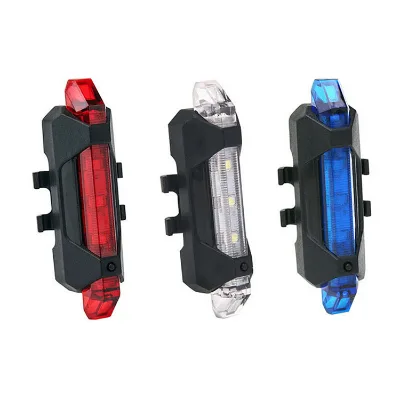
Bicycle Headlight USB Charging Cycling Light Outdoor Waterproof Bicycle Light
$6.30 - $6.70
MOQ: 1000 Pieces


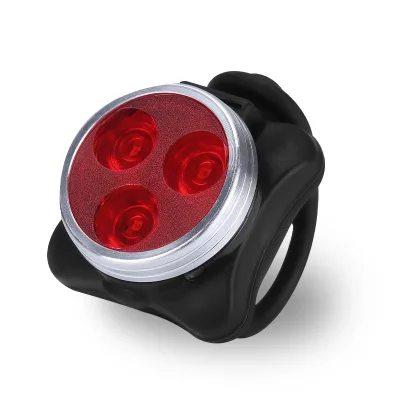
Bike Accessories USB Rechargeable Bike Front Light 3 Modes Bicycle Light
$0.58 - $1.35
MOQ: 100 Pieces









Comprehensive Sourcing Guide
Strategic Sourcing Guide for Waterproof USB Rechargeable Bicycle Lights
Understanding the Core Product Architecture and Technical Specifications
When sourcing a Waterproof USB Rechargeable Bicycle Light, buyers must first distinguish between the general product category and the specific technical configurations available in the current market. The core product is defined as a rechargeable bicycle light utilizing LED technology, specifically designed for applications ranging from daily commuting to night riding, caving, hunting, and camping. The fundamental power supply mechanism relies on battery-operated systems, with a prevalent shift toward USB charging methods to ensure convenience and rapid replenishment.
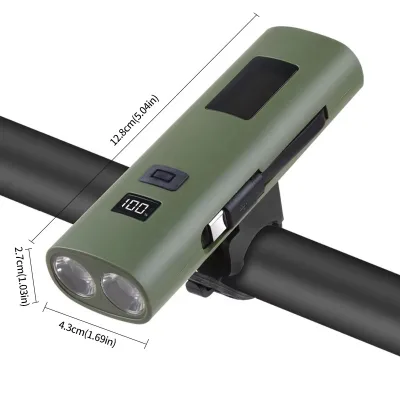
The technical architecture of these lights varies significantly based on the intended application. For general use, the product is often categorized as a front light, mounted directly onto the handlebar of various bicycle types, including ordinary bicycles, mountain bikes, road bikes, and kids' bikes. The illumination source typically utilizes high-power white light CREE XPG wicks, which are engineered to deliver high brightness levels. In specific high-performance models, the system may support multiple operation modes, including smart mode, strong light, weak light, and screen flash, allowing the rider to adapt to changing environmental conditions.
Battery specifications are a critical differentiator in this category. While some units utilize standard rechargeable Li-ion batteries, advanced models feature specific 18650 Lithium Battery configurations with capacities such as 1500mAh. The power management system in these units often includes a visual battery display indicating charge levels at 75%, 50%, and 25%, providing the rider with essential data regarding remaining runtime. Charging times are a key operational metric, with typical recharge cycles ranging between 3 to 4 hours depending on the specific model and battery capacity.
The physical construction of the light is equally important for durability. The housing material is predominantly ABS plastic, chosen for its balance of weight and impact resistance. The unit is designed to be new and is often supplied in carton or box packaging, with specific dimensions varying by model, such as OPP packaging at 7x7x2cm or larger cartons measuring 13.5x9.5x4.5cm. The supply type for these items is frequently make-to-order, indicating that customization is available and that production is triggered by specific purchase orders rather than holding large finished goods inventories.
Compliance, Certification, and Safety Standards Verification
Navigating the compliance landscape for bicycle lights requires a rigorous verification process, as the market presents a wide array of certifications that may or may not apply to specific units. Buyers must understand that certification status is not uniform across all products in this category. Some suppliers list extensive certification portfolios including ISO, EEC, BSCI, CE, CREE, CCC, CQC, C-tick, EMC, Energy Star, ETL, FCC, FDA, GOST, GS, LVD, PSE, REACH, RoHS, SAA, SASO, and VDE. However, these certifications often apply to specific models or production batches rather than the entire product line.
For a buyer, the primary focus should be on verifying the relevance of these certifications to the target market. For instance, CE and RoHS are critical for European markets, while FCC and ETL are essential for North American compliance. The presence of a CREE certification often refers to the specific LED chip manufacturer rather than a product safety standard, requiring careful interpretation. Additionally, safety standards such as LVD (Low Voltage Directive) and PSE (Product Safety of Electrical Appliance & Materials) are vital for electrical safety compliance.
Waterproofing is another critical compliance and performance area. The market data indicates an IP Rating of IPX4 for certain models, which signifies protection against water splashes from any direction. However, buyers must not assume that all "waterproof" claims equate to the same level of protection. The specific IP rating must be verified against the intended usage environment. For example, a light rated IPX4 is suitable for rain but may not withstand submersion. The product specifications also note a power limit of ≤5W for certain units, which is a crucial parameter for electrical safety and battery management.
When evaluating a supplier, procurement teams should request specific test reports corresponding to the claimed certifications. It is essential to confirm that the certifications are current and issued by recognized bodies. The supply origin is primarily China, with specific manufacturing hubs in Guangdong, which is a major electronics manufacturing center. Buyers should verify that the "Custom-made" standard mentioned in product attributes aligns with the specific regulatory requirements of their destination country, as custom manufacturing can sometimes introduce variability in compliance adherence.
Cost Drivers and Pricing Dynamics in the Market
The pricing structure for waterproof USB rechargeable bicycle lights is influenced by a complex interplay of factors, including battery capacity, LED technology, certification breadth, and customization levels. The observed market price range spans from $0.19 to $45.00 USD, reflecting the vast diversity in product quality and feature sets. This wide range indicates that buyers can find entry-level options for basic daily use as well as premium units with advanced features like smart modes and high-capacity batteries.
The primary cost driver is the battery system. Units utilizing 18650 Lithium Batteries with 1500mAh capacity generally command a higher price point compared to those with standard Li-ion batteries or lower capacities. The inclusion of a battery display showing percentage levels (75%, 50%, 25%) also adds to the manufacturing cost due to the additional circuitry required. Similarly, the use of high-power CREE XPG wicks and the associated heat management systems contribute to the overall cost structure.
Customization is another significant factor affecting price. The product attributes confirm that customization is available and that the supply type is make-to-order. This means that buyers requesting specific colors, such as black, or custom packaging dimensions will likely incur higher unit costs compared to standard off-the-shelf models. The MOQ (Minimum Order Quantity) also plays a role in the final landed cost. The observed MOQ range is 1 to 1000 units, with some specific models requiring a minimum of 100 pieces. Lower MOQs often result in higher per-unit costs due to the fixed setup costs of production runs, while larger orders can leverage economies of scale.
Packaging and logistics also influence the final cost. Products are supplied in various packaging formats, from simple OPP boxes to larger cartons. The dimensions of the packaging, such as 30x30x30cm for standard units, affect shipping costs, particularly for international buyers. Buyers should consider the total cost of ownership, including shipping, duties, and potential tariffs, rather than focusing solely on the unit price. The voltage requirements, typically 12V or DC, must also be compatible with the buyer's local electrical standards to avoid additional conversion costs.
Typical Applications and Usage Scenarios
The versatility of waterproof USB rechargeable bicycle lights makes them suitable for a broad spectrum of applications. The primary use cases identified in the market data include camping, hunting, daily commuting, night riding, and caving. This diversity requires buyers to select a light that matches the specific intensity and durability requirements of the intended activity.
For daily commuting and road biking, the focus is often on reliability and battery life. A light with a lumen output of 245lm is suitable for well-lit urban environments, providing adequate visibility without being overly blinding to oncoming traffic. The ability to switch between strong and weak light modes allows riders to conserve battery during long commutes or adjust brightness based on traffic density. The mounting placement on the handlebar ensures a stable and direct beam of light, which is crucial for safety in low-visibility conditions.
Outdoor enthusiasts, such as campers and hunters, require lights with higher durability and longer runtime. The IPX4 waterproof rating ensures that the light can withstand rain and splashes encountered in the field. The use of high-power white light CREE XPG wicks provides the necessary illumination for navigating trails or setting up campsites at night. The rechargeable nature of these lights is particularly advantageous for outdoor activities where access to mains power is limited, allowing users to charge the unit via USB during the day for use at night.
Caving and specialized night riding applications demand lights with robust performance and specific operation modes. The smart mode and screen flash features are designed to enhance visibility in complex environments or to signal for help in emergency situations. The battery display feature is critical in these scenarios, as it allows the user to monitor power levels and plan their return journey accordingly. The product's compatibility with various bicycle types, from kids' bikes to mountain bikes, further expands its application scope, making it a versatile tool for different user demographics.
Supplier Evaluation and Quality Control Protocols
Evaluating suppliers for waterproof USB rechargeable bicycle lights requires a multi-faceted approach that goes beyond simple price comparison. Buyers should prioritize suppliers who demonstrate transparency in their manufacturing processes and certification claims. Given that the product origin is primarily China, specifically Guangdong, buyers should verify the supplier's ability to maintain consistent quality across different production batches. The make-to-order nature of the supply means that quality control must be integrated into the production planning phase.
Key quality control checkpoints include verifying the battery capacity and charging time. Buyers should request sample units to test the actual charging time against the claimed 3-4 hour range and to verify the accuracy of the battery display. The waterproof rating of IPX4 should be tested under controlled conditions to ensure that the seal integrity is maintained over time. Additionally, the durability of the ABS material housing should be assessed to ensure it can withstand the vibrations and impacts associated with cycling.
Certification verification is a critical component of supplier evaluation. Buyers should request copies of the relevant certificates, such as CE, RoHS, and FCC, and verify their authenticity with the issuing bodies. The presence of a wide range of certifications in the product data suggests that the supplier may have the capability to meet various international standards, but this must be confirmed on a per-order basis. The supplier's ability to provide custom packaging and branding options is also a factor in the evaluation, as it indicates flexibility and a commitment to meeting specific buyer requirements.
Communication and responsiveness are also important indicators of supplier reliability. Buyers should assess the supplier's ability to provide detailed technical specifications, answer questions about compliance, and offer support for any post-sales issues. The MOQ of 100 pieces for some models suggests that the supplier is capable of handling medium-sized orders, but buyers should confirm the lead times and production capacity to ensure timely delivery.
Long-Term Procurement Considerations and Supply Chain Stability
Long-term procurement of waterproof USB rechargeable bicycle lights requires a strategic approach that considers supply chain stability, product lifecycle, and evolving market demands. The availability of customization options and the make-to-order supply type offer flexibility, but they also introduce complexity in managing production schedules and inventory levels. Buyers should establish clear communication channels with suppliers to ensure that production runs are aligned with demand forecasts.
The rapid evolution of battery technology and LED efficiency means that product specifications may change over time. Buyers should work with suppliers who are committed to continuous improvement and can provide updates on new technologies, such as higher capacity batteries or more efficient LED chips. The standard of 30x30x30cm for packaging suggests a need for consistent logistics planning, and buyers should ensure that their packaging requirements are clearly defined to avoid discrepancies in shipping.
Sustainability is becoming an increasingly important factor in procurement decisions. Buyers should inquire about the environmental impact of the materials used, such as the ABS plastic and the battery chemistry. Compliance with standards like RoHS and REACH indicates a commitment to environmental safety, but buyers should verify that these standards are consistently applied across all production batches.
Finally, buyers should consider the total cost of ownership, including maintenance and replacement costs. The rechargeable nature of the lights reduces the need for disposable batteries, but the lifespan of the rechargeable cells is a critical factor. Buyers should discuss warranty terms and after-sales support with suppliers to ensure that any issues with battery degradation or LED failure can be addressed promptly. By focusing on these long-term considerations, buyers can build a resilient supply chain that delivers high-quality products while minimizing risks and costs.
FAQs
What certifications are available for these bicycle lights?
Available certifications include ISO, EEC, BSCI, CE, CREE, CCC, CQC, and RoHS. These vary by model and production batch, so buyers must verify specific certificates for their target market before ordering.
How long does it take to recharge the battery?
Typical charging times range between 3 to 4 hours depending on the specific model and battery capacity. This duration applies to units utilizing 18650 Lithium Batteries or standard rechargeable Li-ion configurations.
Can I customize the product color and packaging?
Yes, customization is available for colors like black and packaging dimensions such as cartons or boxes. The supply type is make-to-order, meaning production is triggered by specific purchase orders rather than holding large inventories.
What is the minimum order quantity for these lights?
The minimum order quantity ranges from 1 to 1000 units depending on the supplier and model. Some specific models require a minimum of 100 pieces, while others allow smaller trial orders starting at one unit.
Which battery capacity options are offered for these lights?
Advanced models feature 18650 Lithium Batteries with 1500mAh capacity, while others use standard rechargeable Li-ion batteries. These units often include a battery display showing charge levels at 75%, 50%, and 25%.
Where are these bicycle lights manufactured?
The products originate from China, with specific manufacturing hubs located in Guangdong. Buyers should verify the supplier's ability to maintain consistent quality across different production batches from this region.
What is the waterproof rating for these lights?
Certain models have an IP Rating of IPX4, which signifies protection against water splashes from any direction. This rating is suitable for rain but may not withstand full submersion during heavy use.