Source Waterproof Velvet Insert Perfume Box for Jewelry, Cosmetic, and Gift Packaging
Find 26 listings for the Waterproof Velvet Insert Perfume Box tailored for jewelry, cosmetic, and gift packaging. Buyers can compare customization options, materials, and pricing from verified Chinese manufacturers offering FSC and SGS certifications.
Key considerations
Products List


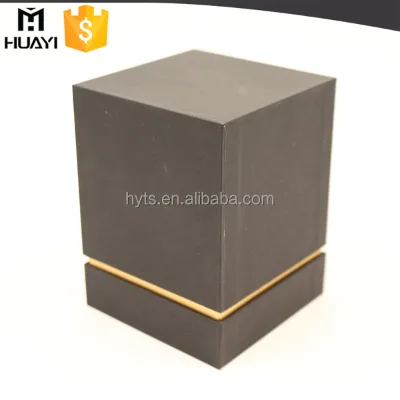
Comprehensive Sourcing Guide
Strategic Sourcing Guide for Waterproof Velvet Insert Perfume Boxes
Procuring specialized packaging solutions requires a nuanced understanding of material properties, manufacturing capabilities, and supply chain logistics. When searching for a Waterproof Velvet Insert Perfume Box, buyers must navigate a complex landscape where aesthetic appeal meets rigorous functional requirements. The core objective is to secure packaging that protects high-value liquid products while offering a premium unboxing experience. This guide synthesizes available market data and technical standards to provide a disciplined framework for sourcing these specific items, ensuring that procurement decisions are grounded in verified facts rather than marketing assertions.
Defining Technical Specifications and Material Composition
The foundation of a successful procurement strategy lies in precise technical definition. The term "velvet insert" implies a specific tactile and visual quality, yet the underlying structural integrity often relies on composite materials. Based on observed market data, the primary structural component for such boxes frequently utilizes cardboard with a thickness ranging from 1 to 3mm. This dimension is critical for maintaining the box's rigidity while accommodating the internal insert. The surface materials may vary, with some specifications indicating the use of Polyester (PET) or PVC membranes to achieve the desired waterproof characteristics.
The insert itself, which holds the perfume bottle, is a critical sub-component. Available data suggests that inserts can be fabricated from a variety of materials including EVA (Ethylene Vinyl Acetate), sponge, paper card, plastic, foam, and EPE (Expanded Polyethylene). The selection of the insert material directly impacts the "waterproof" claim. While the outer box may be treated with lamination or specific coatings, the insert must provide a secure, non-slip grip that does not degrade upon exposure to moisture. The weight of the finished product is a variable factor; observed listings indicate products can range from under 0.5 kg to over 1.5 kg, depending on the density of the cardboard and the volume of the insert material used.
Dimensional flexibility is another key technical aspect. The product specifications confirm that size and shape are highly customizable. Buyers should expect to encounter options for "custom size accepted" and "custom shape" configurations. The standard shape often defaults to a rectangle, but the ability to request specific dimensions is a standard feature of the supply chain. Furthermore, the transparency of the material is typically opaque, ensuring that the contents remain concealed until the box is opened, which is a standard requirement for luxury goods packaging.
Compliance, Certification, and Safety Standards
In the B2B sector, compliance is not merely a formality but a prerequisite for market access and brand protection. When sourcing waterproof velvet insert perfume boxes, buyers must verify that suppliers adhere to recognized international standards. The observed market data highlights several key certifications that are commonly associated with high-quality packaging suppliers. These include FSC (Forest Stewardship Council), SGS, and BV (Bureau Veritas) certificates. The presence of an FSC certificate indicates that the paper and cardboard components are sourced from responsibly managed forests, a factor increasingly important for global brands with sustainability mandates.
Additionally, ISO and SGS certifications are frequently cited as indicators of quality management system adherence. These certifications suggest that the supplier has established protocols for consistent production quality and material safety. For products intended for food, cosmetic, or health care applications, the verification of these certifications is non-negotiable. The data also notes that suppliers may offer specific certificates for their production processes, ensuring that the materials used do not contain harmful substances that could leach into the perfume or degrade the product's integrity.
Buyers should not assume that all listed products automatically possess these certifications. Instead, the procurement process must include a verification step where the supplier provides valid, up-to-date documentation for the specific batch or production line. The "Certificate" attribute in supplier profiles should be treated as a claim that requires validation through third-party audit reports or direct communication with the certifying body.
Cost Drivers and Economic Factors
Understanding the cost structure of waterproof velvet insert perfume boxes is essential for budgeting and negotiation. The observed price range in the market spans from $0.15 to $10 per unit, a wide variance that reflects differences in material quality, customization complexity, and order volume. Several primary factors drive these costs. First, the customization level is a significant determinant. Products with "customized" logos, specific colors (CMYK or as requested), and unique dimensions will command a higher price than standard off-the-shelf items.
The Minimum Order Quantity (MOQ) is another critical economic factor. Data indicates that MOQs can range from 3,000 to 5,000 pieces, with some listings suggesting a range up to 10,000. Higher MOQs generally correlate with lower unit costs due to economies of scale in material procurement and production setup. Conversely, smaller orders may incur significantly higher per-unit prices or may not be feasible depending on the supplier's capacity. The "Customization" attribute is available across the board, but the cost implications of customizing the insert material (e.g., switching from standard paper to EVA) must be factored into the total cost of ownership.
Other cost drivers include the surface handling techniques employed. Processes such as hot stamping, embossing, and spot UV add value and aesthetic appeal but increase production time and cost. Similarly, the choice of printing method—whether offset, screen, flexographic, or digital—will influence the final price. Digital printing is often more expensive for large runs but offers superior flexibility for short runs with complex designs.
Typical Applications and Usage Scenarios
The versatility of waterproof velvet insert perfume boxes makes them suitable for a broad spectrum of industries. The observed usage categories include arts and crafts, electronic products, jewelry, food, garments and shoes, greeting cards, letters, gifts, cosmetics, and health care products. For the specific application of perfume packaging, the box serves a dual purpose: protection and presentation. The waterproof feature is particularly valuable in logistics and retail environments where humidity or accidental spills could damage the packaging or the product label.
The insert plays a vital role in securing the perfume bottle, preventing movement during transit. The use of materials like EVA or sponge ensures that the bottle is cushioned against impact. The "Usage" attribute also highlights the suitability of these boxes for gift-giving occasions, where the unboxing experience is paramount. The ability to customize the logo and color allows brands to align the packaging with their identity, making it a powerful marketing tool.
Furthermore, the "Waterproof" attribute suggests that these boxes are designed to withstand varying environmental conditions. This is crucial for products that may be stored in warehouses with fluctuating temperatures or transported through regions with high humidity. The temperature resistance of the packaging, noted as capable of withstanding room, low, and high temperatures, ensures that the structural integrity remains intact regardless of the storage environment.
Supplier Evaluation and Selection Criteria
Selecting the right supplier requires a rigorous evaluation process that goes beyond price comparison. Buyers should prioritize suppliers who demonstrate transparency in their production capabilities and supply chain origins. The data indicates that a significant portion of these products originate from Dongguan, Guangdong, China, a region known for its manufacturing prowess in packaging. However, buyers should verify the specific location and facility details to ensure they align with their ethical sourcing policies.
Key evaluation criteria include the supplier's ability to handle customization requests. The availability of "Customization" for material, content, usage, and size is a strong indicator of a flexible and capable manufacturer. Buyers should also assess the supplier's technical support, particularly regarding the provision of design files. The accepted file formats, including 300dpi PDF, AI, CDR, and Photoshop, suggest that suppliers are equipped to handle professional design assets.
The lead time is another critical factor in supplier selection. Observed delivery times can be as short as 7 days, but this may vary based on the complexity of the order and the current production load. Buyers should clarify the lead time for custom orders versus standard stock items. Additionally, the "prod_packing" attribute, which often specifies export-standard 5-layer corrugated cartons, indicates that the supplier understands the need for secure packaging during international shipping.
Quality Control and Inspection Protocols
Maintaining quality throughout the production cycle is essential to prevent defects and ensure customer satisfaction. Buyers should implement a robust quality control (QC) protocol that covers material inspection, production monitoring, and final product testing. The "Surface Handling" processes, such as hot stamping and offset printing, require close attention to detail to ensure that the finish is consistent and free from smudges or misalignments.
Inspection should also focus on the structural integrity of the box and the insert. The "Paper Thickness" of 1-3mm must be verified to ensure the box meets the specified rigidity requirements. The "Adhesivity" of the insert, often described as "sided tape" or permanent adhesive, must be tested to ensure it holds the bottle securely without leaving residue or failing under stress.
For waterproof claims, buyers should request test results or evidence of water resistance testing. While the attribute "Waterproof: Yes" is listed, the specific test methods and standards used to validate this claim should be documented. The "Certificate" attribute, including FSC, SGS, and BV, serves as a proxy for quality assurance, but on-site inspections or third-party audits provide the highest level of confidence.
Long-Term Procurement and Supply Chain Resilience
Sourcing waterproof velvet insert perfume boxes is not a one-time transaction but part of a long-term supply chain strategy. Buyers should consider the scalability of the supplier's operations to accommodate future growth. The "MOQ" of 3,000 to 5,000 pieces suggests that suppliers are geared towards medium to large-volume production. For businesses planning to expand, it is crucial to ensure that the supplier can scale up production without compromising quality or lead times.
Sustainability is also a long-term consideration. The "Feature: Recyclable" attribute indicates that many suppliers are moving towards eco-friendly materials. Buyers should evaluate the supplier's commitment to sustainability, including their use of FSC-certified paper and recyclable inserts. This aligns with global trends and consumer demand for environmentally responsible packaging.
Finally, maintaining a strong relationship with the supplier is key to long-term success. Clear communication regarding design changes, material updates, and quality expectations will foster a collaborative partnership. By adhering to the technical specifications, compliance standards, and quality control measures outlined in this guide, buyers can secure a reliable supply of high-quality waterproof velvet insert perfume boxes that meet their specific business needs.
FAQs
What certifications do Waterproof Velvet Insert Perfume Box suppliers typically hold?
Suppliers typically hold FSC, SGS, and BV certificates for these boxes. These certifications verify that materials come from responsibly managed forests and meet quality management standards. Buyers must request valid documentation for specific batches to ensure compliance with international safety mandates.
Can I customize the size and shape of these perfume boxes?
Yes, customization for size and shape is available for these boxes. Specifications allow for custom dimensions and shapes, including rectangular forms. Buyers can request specific configurations to fit unique perfume bottle dimensions while maintaining structural integrity.
What is the minimum order quantity for these packaging solutions?
The minimum order quantity typically ranges from 3000 to 5000 pieces. Some listings indicate an MOQ of 3000 PCS, while others require 5000 PCS. Higher volumes generally result in lower unit costs due to economies of scale in production.
How long does it take to deliver customized waterproof boxes?
Delivery times can be as short as 7 days for standard orders. Lead times may vary based on the complexity of customization and current production loads. Buyers should clarify specific timelines for custom requests versus stock items before placing an order.
Which materials are used for the inserts inside these boxes?
Inserts are fabricated from materials like EVA, sponge, paper card, plastic, foam, and EPE. These materials provide cushioning and secure the perfume bottle against movement. The choice of insert material impacts the overall weight and protective capabilities of the packaging.
Are these boxes suitable for cosmetic and health care product packaging?
Yes, these boxes are suitable for cosmetics, health care products, and various other industries. The usage categories include arts, electronics, jewelry, food, and gifts. The waterproof feature ensures protection against humidity and accidental spills during storage and transport.
What surface finishing options are available for these boxes?
Surface finishing options include hot stamping, embossing, spot UV, and glossy or matte lamination. These processes enhance the aesthetic appeal and tactile quality of the packaging. Buyers can select specific finishes to align with their brand identity and luxury presentation requirements.