Source Handmade Wooden Jewelry Box for Gifts, Storage, and Collection
Explore 30 options for Handmade Wooden Jewelry Box products suitable for gifts, storage, and collection. Compare customization features, materials like solid wood, and packaging styles to find the right supplier for your needs; compare the available evidence and request quotations based on your requirements.
Key considerations
Products List


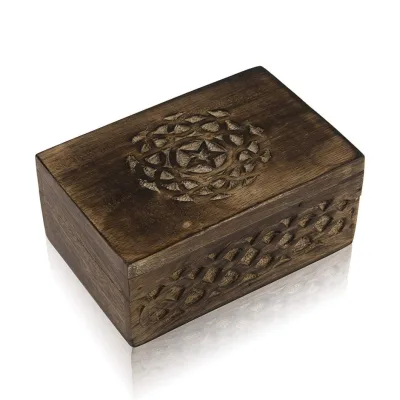
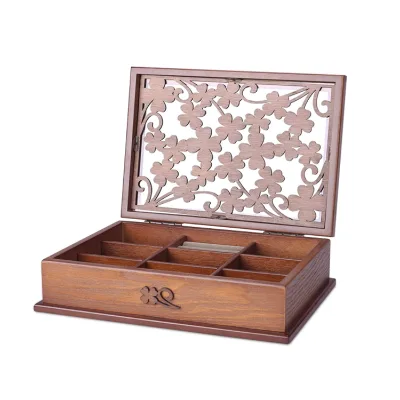


Wooden Jewelry Box Storage Box for Jewelry, Ring Handcrafted Jewelry Storage Box for Gift Wedding
$15.00 - $18.00
MOQ: 100 Pieces


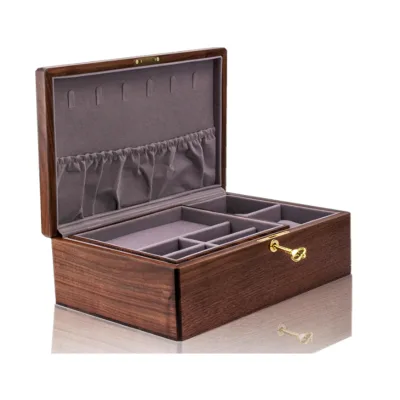
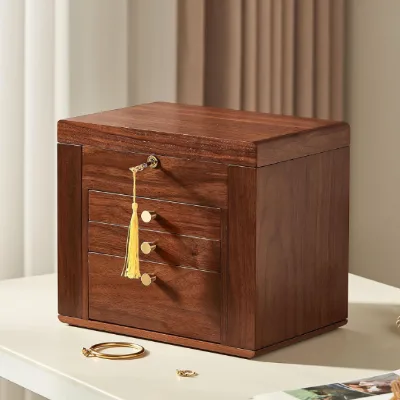

Comprehensive Sourcing Guide
Handmade Wooden Jewelry Box Sourcing Guide
Sourcing handmade wooden jewelry boxes requires a nuanced understanding of material integrity, aesthetic customization, and supply chain transparency. Buyers must navigate a market where "handmade" implies artisanal craftsmanship but also necessitates rigorous verification of production consistency and durability. The following guide outlines the critical steps for evaluating suppliers, verifying technical specifications, and ensuring compliance with international safety standards. By focusing on evidence-based procurement strategies, buyers can mitigate risks associated with quality variability and ensure that the final product aligns with brand expectations for luxury and functionality.
Product Scope and Observed Listing Signals
The observed market for wooden jewelry boxes reveals a diverse range of styles, from luxury and simple designs to cartoon-themed options, catering to varied consumer preferences. Listings indicate that customization is widely available, allowing buyers to tailor products to specific brand identities through various surface handling techniques such as varnishing, aqueous coating, and embossing. The primary material cited is solid wood, which suggests a premium positioning, although buyers should verify the specific wood type and finish quality to ensure durability and aesthetic appeal.
Observed product attributes highlight a strong emphasis on multi-functional usage, including jewelry, cosmetics, health care products, and even food or electronics storage. This versatility suggests that the boxes are designed for broad retail applications, from gift packaging to personal organization. The presence of clamshell openings and rectangular shapes indicates a focus on user-friendly access and efficient space utilization. Buyers should carefully review these design elements to ensure they align with the intended use case and target demographic, avoiding assumptions about universal applicability.
Technical Specifications to Verify
Technical verification begins with confirming the physical dimensions and structural integrity of the boxes. Observed models range from small sizes like 858570mm to larger formats such as 10106cm, with some listings specifying multiple size options. Buyers must ensure that the selected dimensions accommodate their specific products without compromising the box's structural stability. The use of solid wood as the primary material requires verification of grain consistency, joint quality, and finish adherence to prevent warping or damage during transit and use.
Surface handling and logo application methods are critical for brand differentiation. Techniques such as silk screen printing, hot stamping, laser engraving, and UV printing are commonly offered, each with distinct durability and aesthetic characteristics. Buyers should request samples to evaluate the precision of these applications and their resistance to wear and tear. Additionally, the choice between standard export cartons and customized packaging, including bubble bags and inner boxes, impacts both protection and unboxing experience, necessitating a clear specification in the purchase order.
Compliance and Safety Documentation
Compliance with international safety standards is paramount, particularly for products intended for cosmetics, food, or health care products. Buyers must verify that suppliers provide relevant test reports, such as FDA, Ca65, and Reach certifications, to ensure the materials and finishes are safe for human contact. The absence of specific fire retardant standards in some listings requires proactive inquiry, as certain markets may mandate ISO, ANSI, EBS, BS, or CAL compliance for wooden products.
Documentation should also cover the chemical composition of coatings and adhesives used in the manufacturing process. Buyers should request detailed material safety data sheets (MSDS) to assess the presence of volatile organic compounds (VOCs) or other hazardous substances. Ensuring that the supplier adheres to these standards not only mitigates legal risks but also enhances brand reputation by demonstrating a commitment to consumer safety and environmental responsibility.
Cost Drivers and Commercial Terms
Cost structures for handmade wooden jewelry boxes are influenced by material quality, customization complexity, and order volume. Observed minimum order quantities (MOQs) range from 20 to 1000 pieces, with higher MOQs often associated with lower unit prices. Buyers should negotiate terms that balance cost efficiency with the need for flexibility, especially for initial orders or limited edition releases. The availability of OEM/ODM services allows for tailored solutions but may incur additional setup fees or higher per-unit costs.
Lead times and sample fees are significant commercial considerations. Mass production lead times can vary from 25 to 55 days, depending on order size and customization requirements. Buyers should factor in these timelines for inventory planning and avoid last-minute orders. Sample fees, such as the observed 50-dollar charge, are common but should be credited against bulk orders. Clear communication regarding payment terms, shipping costs, and return policies is essential to avoid unexpected expenses and ensure a smooth procurement process.
Supplier Qualification and Quality Control
Supplier qualification involves assessing their production capabilities, quality control processes, and track record. Buyers should verify the supplier's origin, such as Caoxian, China, and evaluate their experience in producing wooden boxes for international markets. Requesting references or case studies can provide insights into their reliability and ability to meet specific requirements. Additionally, suppliers should have robust quality control measures in place, including inspections at various stages of production to identify and rectify defects early.
Quality control should extend to packaging and shipping procedures. Buyers should ensure that suppliers use appropriate packaging materials, such as standard export cartons or customized options, to protect the boxes during transit. Regular audits or third-party inspections can provide an additional layer of assurance, verifying that the products meet the agreed-upon specifications and quality standards. Establishing a clear communication channel for addressing issues and implementing corrective actions is crucial for maintaining long-term supplier relationships.
Long-Term Procurement Checks
Long-term procurement success depends on continuous monitoring of supplier performance and market trends. Buyers should regularly review supplier metrics, such as on-time delivery rates, defect rates, and responsiveness to issues. Establishing key performance indicators (KPIs) and conducting periodic performance reviews can help identify areas for improvement and ensure that the supplier remains aligned with the buyer's evolving needs. Additionally, staying informed about changes in material costs, regulatory requirements, and consumer preferences is essential for maintaining competitiveness.
Building a resilient supply chain involves diversifying suppliers and developing contingency plans for potential disruptions. Buyers should consider maintaining relationships with multiple suppliers to mitigate risks associated with single-source dependencies. Regularly updating product specifications and exploring new customization options can also help keep the product line fresh and relevant. By adopting a proactive and strategic approach to procurement, buyers can ensure the long-term success and sustainability of their Handmade Wooden Jewelry Box offerings.
FAQs
Can I customize the logo on handmade wooden jewelry boxes?
Yes, customization is available for logos using methods like silk screen printing, hot stamping, laser engraving, or UV printing. These options allow you to brand the packaging effectively. The surface handling can include varnishing or aqueous coating to enhance the finish. This ensures your brand identity is clearly displayed on the final product.
What materials are used for these wooden jewelry boxes?
The boxes are crafted from solid wood, providing a durable and premium feel. The material choice supports a luxury or simple style depending on the design. This solid wood construction ensures longevity and a high-quality appearance suitable for storing valuable jewelry items securely and elegantly.
What is the typical lead time for mass production?
The mass production lead time ranges from 25 to 55 days, depending on the order specifics. This timeframe allows for proper manufacturing and quality checks. Buyers should plan their inventory accordingly to ensure timely delivery. The duration may vary based on the complexity of customization and order volume.
What are the standard packaging options for these boxes?
Standard export cartons are commonly used for bulk shipping to ensure safety. Some options include bubble bags and inner boxes for individual protection. Customized packaging is also acceptable to meet specific branding or logistical needs. This flexible approach helps protect the products during transit and storage.
What certifications are available for these wooden boxes?
Test reports such as FDA, Ca65, and Reach are available to ensure compliance. These certifications verify that the materials and finishes meet safety standards. This is crucial for markets with strict regulatory requirements. Buyers can request these documents to confirm the product's suitability for their target regions.
What is the minimum order quantity for these boxes?
The minimum order quantity typically ranges from 20 to 1000 pieces, depending on the supplier. Some models may require a higher MOQ, such as 500 or 1000 PCS. This flexibility allows buyers to start with smaller test orders or scale up for larger campaigns based on their business needs.