Source Wooden Storage Box for Living Room, Jewelry, and Gift Packaging
Find 30 Wooden Storage Box options for living room organization, jewelry storage, and gift packaging. Buyers can compare specifications like dimensions, materials, and customization availability across multiple suppliers to select the right product.
Key considerations
Products List


Wholesale Different Shape Solid Wooden Storage Box Customization Wooden Box for Home Display
$15.00 - $18.00
MOQ: 100 Pieces


Factory Price Wooden Box/ Unfinished Wooden Box/ Wooden Storage Box with Logo Engraved
$2.05 - $2.50
MOQ: 500 Pieces


Customization Wooden Box Different Shape Solid Wooden Storage Box with Sliding Lid
$4.69 - $5.82
MOQ: 500 Pieces

Black Storage Box Wooden Keepsake Box Memory Box with Hinged Lid Desk Box with Lid
$4.38 - $7.85
MOQ: 500 Pieces


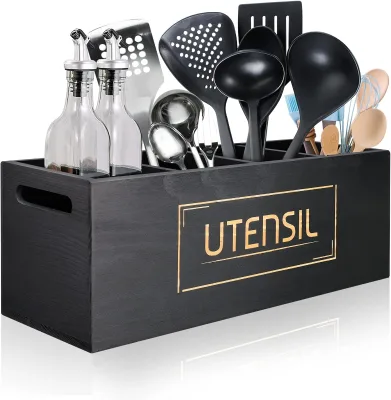

Jewelry Storage Wooden Box Vintage
$1.91 - $1.95
MOQ: 160 Pieces
Jinhua Hengyang Cross-Border Trade Limited Liability Company


Comprehensive Sourcing Guide
Strategic Sourcing Guide for Wooden Storage Solutions
Understanding Product Specifications and Material Variations
When initiating a procurement strategy for wooden storage boxes, the first critical step involves dissecting the technical specifications that define the product's utility and durability. In the current market landscape, the term "Wooden Storage Box" often encompasses a spectrum of materials, ranging from solid hardwoods to engineered wood composites. Based on available market data, a significant portion of the supply chain utilizes Medium Density Fiberboard (MDF) as the primary structural component. This material choice is frequently paired with specific surface treatments to enhance aesthetics and longevity. For instance, products identified in the market often feature a "Simple" or "Retro" style, indicating a design philosophy that prioritizes clean lines or vintage appeal over ornate detailing.
The physical dimensions of these units vary considerably based on the intended application. Observed specifications include standardized sizes such as 3019.915.7cm, 18.5139cm, and 13x10.5x5cm. These measurements suggest a tiered approach to storage, catering to both medium-sized organizational needs and compact personal storage solutions. The shape is predominantly rectangular, a standard that maximizes space efficiency in living rooms and retail environments. However, buyers must remain vigilant, as the market also includes non-wooden alternatives, such as Polypropylene (PP) boxes or leather-bound PU card cases, which may be listed under similar search terms. Distinguishing between genuine wood products and composite or synthetic alternatives is essential for accurate inventory planning.
The following table outlines the observed specification variations found in the current supply pool, highlighting the diversity in dimensions and materials that a buyer must navigate:
| Product Attribute | Observed Value | Contextual Note |
|---|---|---|
| Primary Material | MDF, PP, Leather | Verify if "wooden" refers to solid wood, MDF, or a composite. |
| Dimensions | 3019.915.7cm, 18.5139cm, 13x10.5x5cm | Sizes vary by model; check specific SKU requirements. |
| Surface Finish | Varnishing, Matt Finish | Critical for aesthetic matching and durability. |
| Shape | Rectangle | Standard for stacking and space optimization. |
| Style | Simple, Retro | Design aesthetic influences target market demographics. |
| Color Options | Brown, Orange, Green, Customized | Color availability may depend on batch production. |
| Packing Unit | Carton, Carton Box, Paper Box | Packaging type affects shipping volume and protection. |
Compliance, Certification, and Safety Standards
Navigating the regulatory landscape for wooden storage products requires a rigorous approach to compliance and certification verification. While the supplied data does not explicitly list specific certification bodies (such as FSC or ISO), the presence of "Customization" attributes and OEM/ODM design capabilities suggests that many suppliers operate within frameworks that allow for client-specific compliance requirements. Buyers must verify that the wood sourcing adheres to international regulations regarding deforestation and sustainable forestry, particularly if the product is intended for export to markets with strict environmental laws.
The manufacturing process often involves surface handling techniques such as varnishing or applying a matt finish. These chemical treatments must comply with volatile organic compound (VOC) limits and safety standards for consumer goods. For products marketed for use in living rooms or as gift packaging, the finish must be non-toxic and safe for general household environments. Additionally, the "Level of Difficulty" and "Age Range" attributes found in related product listings (such as board games or craft kits) imply that if the storage box is part of a larger set, it must meet safety standards regarding small parts and structural integrity for all ages.
Buyers should explicitly request documentation confirming that the wood used, whether solid or engineered (MDF), meets the relevant fire safety and formaldehyde emission standards of the destination country. The absence of explicit certification data in general product descriptions necessitates a proactive due diligence process where the buyer asks for third-party test reports. This is particularly important for products labeled with "Customized" colors or finishes, as the chemical composition of custom coatings can vary significantly between batches.
Cost Drivers and Pricing Dynamics
The pricing structure for wooden storage boxes is influenced by a complex interplay of material costs, labor intensity, and customization requirements. The observed price range in the market spans from $0.10 to $98.00 USD, a wide disparity that reflects the difference between mass-produced, simple utility boxes and high-end, custom-finished luxury storage solutions. Several key factors drive these costs. First, the material composition is a primary determinant; MDF is generally more cost-effective than solid hardwoods, while leather or PU finishes add a premium layer to the base cost.
Secondly, the degree of customization plays a pivotal role. Products offering "Accept OEM/ODM" services often command higher unit prices due to the setup costs for molds, tooling, and design adaptation. The "Customized" size and color options mentioned in the data indicate that buyers seeking bespoke dimensions or specific color matches (such as specific shades of brown or green) will face higher costs compared to purchasing standard off-the-shelf inventory. Furthermore, the packaging method, whether a simple carton or a more elaborate paper box, contributes to the final landed cost.
Minimum Order Quantities (MOQ) also significantly impact the effective unit price. The observed MOQ range spans from 3 to 1000 units. Smaller MOQs, such as 3 units, are typically associated with higher per-unit costs, catering to sample orders or niche retailers. Conversely, larger orders near the 1000-unit threshold usually unlock economies of scale, reducing the per-unit price. Buyers must balance their inventory needs against their budget constraints, understanding that a lower MOQ might be necessary for testing new designs but will result in a higher cost basis.
Typical Applications and Usage Scenarios
Wooden storage boxes serve a versatile array of applications across residential, commercial, and gifting sectors. The data indicates a strong alignment with "Living Room" usage, suggesting these products are designed to blend seamlessly into home decor while providing functional organization. The "Simple" and "Retro" styles cater to interior design trends that favor either modern minimalism or vintage charm, making them suitable for storing items like magazines, remote controls, or decorative objects.
Beyond residential use, the "Usage" attributes highlight applications in "Packaging," "Storage," and "Gift" contexts. This suggests that these boxes are frequently utilized as part of the product packaging for other goods, serving as a premium unboxing experience. For instance, the "Playing PU Card Box" and "Jewelry" usage tags indicate that wooden storage solutions are often repurposed or specifically designed for high-value small items, where the aesthetic appeal of the wood enhances the perceived value of the contents.
The "Medium" spec and "Rectangle" shape make these boxes ideal for stacking and modular organization systems. In commercial settings, they can be used for retail display or inventory management. The "Any Member" and "All Ages" attributes found in related product data suggest that these storage solutions are universally applicable, suitable for households with children or for commercial environments serving diverse demographics. Buyers should consider the end-user environment when selecting the finish and material; for example, a "Matt Finish" might be preferred for high-touch areas to reduce the visibility of fingerprints, while a "Varnishing" finish might be chosen for a glossy, protective look.
Supplier Evaluation and Selection Criteria
Selecting the right supplier for wooden storage boxes requires a multi-faceted evaluation process that goes beyond price comparison. The presence of "Customization" and "OEM/ODM" capabilities indicates that suppliers should be evaluated on their flexibility and design collaboration potential. Buyers should assess the supplier's ability to handle specific requests regarding dimensions, such as the 8193102mm or 3019.915.7cm specifications, and their capacity to produce custom colors like the observed Orange, Green, or Brown options.
Geographic origin is another critical factor. The data points to "China" and specifically "Guangdong, China" as key production hubs. This region is known for its robust manufacturing infrastructure and supply chain efficiency. However, buyers must verify the specific factory location to ensure it aligns with their logistics strategy and risk tolerance. The "Sample: Acceptable" attribute is a positive indicator, suggesting that suppliers are willing to provide prototypes for quality verification before committing to large-scale production.
When evaluating suppliers, buyers should request a portfolio of previous work to assess the consistency of their "Simple" or "Retro" style execution. The ability to maintain quality across different materials, from MDF to leather finishes, is a testament to a supplier's technical competence. Additionally, the "Package: 12PCS/Carton Case" detail highlights the importance of evaluating the supplier's packaging efficiency. A supplier that optimizes carton packing can significantly reduce shipping costs and minimize damage during transit.
Quality Control and Inspection Protocols
Implementing a robust quality control (QC) protocol is essential to ensure that the delivered wooden storage boxes meet the agreed-upon specifications. Given the variability in materials (MDF, PP, Leather) and finishes (Varnishing, Matt Finish), inspection points must be tailored to the specific product attributes. For wooden products, checks should focus on the integrity of the joints, the smoothness of the surface, and the uniformity of the color. The "Surface Handling" process, such as varnishing, must be inspected for bubbles, uneven coverage, or peeling.
Dimensional accuracy is paramount, especially for products with "Customized" sizes. Buyers should verify that the final product matches the requested dimensions, such as the 18.5139cm or 13x10.5x5cm standards. Any deviation beyond acceptable tolerances can lead to issues with stacking or fitting into designated storage spaces. The "Product Weight" of 700 grams, as observed in some listings, serves as a benchmark for material density; significant deviations may indicate the use of inferior materials or hollow construction.
Packaging integrity is another critical QC checkpoint. The "Carton" or "Paper Box" packaging must be sturdy enough to protect the contents during shipping. Inspectors should verify that the packing density, such as the 12PCS/Carton Case configuration, is consistent and that the boxes are securely sealed. For products intended for gifting, the aesthetic presentation of the packaging is as important as the product itself. A final visual inspection should confirm that the "Style" (Simple or Retro) and "Color" match the approved samples, ensuring that the final delivery aligns with the buyer's brand expectations.
Long-Term Procurement and Supply Chain Resilience
Establishing a long-term procurement strategy for wooden storage boxes involves looking beyond immediate transactional needs to consider supply chain resilience and scalability. The "Customization" availability suggests that buyers can build a long-term partnership with suppliers who can adapt to changing market trends, such as shifts in color preferences or design styles. However, reliance on a single supplier for customized items carries risk; diversifying the supplier base can mitigate the impact of production disruptions.
Lead times and production capacity are critical factors for long-term planning. While specific lead times are not provided in the data, the range of MOQs (3 to 1000) implies that suppliers may have varying capacities. Buyers should negotiate clear production schedules and capacity guarantees to ensure timely delivery, especially for seasonal peaks or promotional campaigns. The "Expansion Pack: Yes" attribute in related product categories indicates that the market is dynamic, and buyers should remain agile to incorporate new product lines or variations as they emerge.
Sustainability is increasingly becoming a core component of long-term procurement. As environmental regulations tighten, buyers should prioritize suppliers who demonstrate a commitment to sustainable sourcing and manufacturing practices. This includes verifying the origin of the wood and the environmental impact of the finishing processes. By building a relationship with suppliers who prioritize these values, buyers can future-proof their supply chain against regulatory changes and align with the growing consumer demand for eco-friendly products. Ultimately, a successful long-term strategy balances cost efficiency, quality assurance, and the flexibility to adapt to an evolving market landscape.
FAQs
What materials are used for wooden storage boxes?
Wooden storage boxes often use Medium Density Fiberboard (MDF) as the primary structural component. Some alternatives include Polypropylene (PP) or leather-bound PU card cases, so buyers must verify the specific material composition before purchasing.
Which dimensions are available for these storage boxes?
Common observed specifications include sizes like 30*19.9*15.7cm, 18.5*13*9cm, and 13x10.5x5cm. Customized sizes are also available, allowing buyers to select dimensions that fit their specific storage or packaging needs.
Can I customize the color and finish of the box?
Yes, customization is available for colors such as Orange, Green, Brown, or fully customized options. Surface finishes like Varnishing or Matt Finish can also be tailored, though specific chemical compliance must be verified for export.
What is the typical packaging method for these boxes?
Products are typically packed in Cartons, Carton Boxes, or Paper Boxes. A standard packing unit observed is 12 pieces per carton case, which helps optimize shipping volume and protect the contents during transit.
How does the minimum order quantity affect the price?
The minimum order quantity ranges from 3 to 1000 units, directly influencing the unit cost. Smaller orders near 3 units usually have higher per-unit prices, while larger orders near 1000 units unlock better economies of scale.
Where are these wooden storage boxes manufactured?
The products originate from China, with specific production hubs located in Guangdong. Buyers should verify the exact factory location to ensure alignment with their logistics strategy and risk tolerance.