Source Waterproof Vinyl Car Wrap for Body Wraps, Stickers, and Decoration
Compare 30 listings for Waterproof Vinyl Car Wrap featuring materials like PVC and polyester with options for self-healing and UV protection. Buyers can review specifications including thickness, adhesion types, and delivery times from suppliers in China.
Key considerations
Products List


Car Wrap Vinyl Polymeric Vinyl Sticker Self Adhesive Bubble Free Vinyl
$0.30 - $0.89
MOQ: 3000 Square Meters


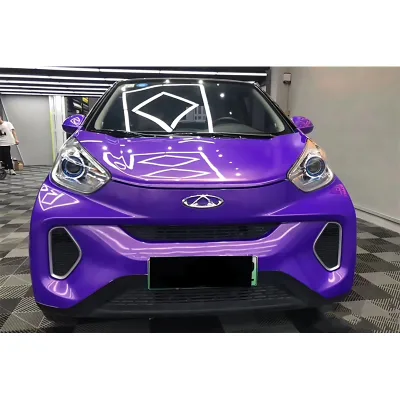
Auto-Repair Anti Scratch Pet Fluorescent Purple Vinyl Car Wrap Auto Film
$140.00 - $160.00
MOQ: 1 Rolls



Comprehensive Sourcing Guide
Strategic Sourcing Guide for Waterproof Vinyl Car Wrap
Understanding Technical Specifications and Material Composition
When sourcing Waterproof Vinyl Car Wrap, the primary objective is to identify materials that offer durability, adhesion, and resistance to environmental stressors. The supply chain for this category is diverse, ranging from single-layer films to composite structures. Based on available market data, the material composition is a critical differentiator. Buyers must distinguish between products constructed from PVC (Polyvinyl Chloride), Polyester, or composite blends such as PVC & Non-Woven Fabric. Each material class offers distinct performance characteristics regarding flexibility, tensile strength, and resistance to tearing.
Thickness is another non-negotiable specification that dictates the film's ability to conform to complex vehicle curves and resist punctures. In the current market, a thickness of 7.5mil is a documented standard for high-performance applications, providing a balance between ease of installation and structural integrity. However, buyers should also be aware of variations in thickness standards, such as 100 microns or 80 microns, which may be paired with specific backing paper weights like 120g or 140g releasing paper. The choice of thickness directly influences the "Self Healing" capability of the film, a feature where minor scratches disappear under heat or time, a characteristic observed in specific product lines.
The adhesive system is equally vital. The most common adhesive type observed in high-quality listings is Acrylic Removable glue. This formulation allows for repositioning during installation and ensures that the film can be removed without damaging the underlying vehicle paint, a crucial requirement for commercial fleets or temporary branding. The glue must be compatible with the specific surface temperature of the vehicle, which can vary significantly depending on the climate of the operating region.
Compliance, Certification, and Standard Verification
Navigating the regulatory landscape for automotive vinyl requires rigorous verification of certifications and standards. While specific test data is not universally provided for every listing, the presence of ISO certification is a strong indicator of a supplier's commitment to quality management systems. Buyers should not assume that all products in a category automatically meet ISO standards; instead, this should be treated as a verification point during the supplier evaluation phase.
Standardization in the industry often refers to the dimensions and packaging norms. Observed standards include specific roll dimensions such as 1.52m x 18m, 1.52m x 30m, or a range of widths including 0.914m, 1.07m, 1.27m, 1.37m, 1.52m, 1.82m, and 2.02m, all typically sold in 50m lengths. These dimensions are critical for calculating material yield and waste reduction during installation. Furthermore, the "Export Standard" is a frequently cited requirement, implying that the packaging and product quality must withstand long-distance shipping without degradation.
For products intended for specific regulatory environments, such as vehicle registration or safety inspections, buyers must verify if the film meets local automotive standards. While some listings mention 1.52*18M or 100 microns 140g releasing paper as standard specifications, these are observational data points. Buyers must confirm that the specific batch they purchase aligns with the regulatory requirements of their target market, particularly regarding reflectivity and colorfastness.
Cost Drivers and Pricing Dynamics
The pricing structure for Waterproof Vinyl Car Wrap is influenced by a complex interplay of material costs, customization requirements, and logistics. The observed price range in the market spans from $0.28 to $460, a variance that reflects differences in material quality, roll size, and order volume. The lower end of the spectrum typically corresponds to basic PVC films with standard printing, while the higher end includes specialized materials like Carbon Fiber Car Wrap Film or Frosted Black Car Wrap Film with advanced features such as UV Protection and extended durability.
Volume is a primary cost driver. The Minimum Order Quantity (MOQ) varies significantly, ranging from 1 Roll for small businesses or custom projects to 3000 units for large-scale distribution. Buyers purchasing at the 1 Roll level often pay a premium per unit but gain flexibility. Conversely, bulk orders can leverage economies of scale, though they require higher upfront capital and storage capacity.
Customization is another significant factor affecting cost. The availability of Customization services, including Digital Printing and Logo integration, adds value but increases the unit price. The choice of printing technology, such as Digital Printing, allows for high-resolution graphics and complex color gradients, which are essential for branding purposes. Additionally, the Product Name and specific type, such as Whole Body Sticker versus Rear Sticker Type, dictate the amount of material required and the complexity of the installation, further influencing the final cost.
Typical Applications and Functional Performance
Waterproof Vinyl Car Wrap serves a multitude of applications beyond simple aesthetic enhancement. The functional capabilities of these films are extensive, ranging from Car Body Paint/Wrapping to Body Decoration and Personalized Sticker uses. The Self Healing attribute is particularly valuable for high-traffic vehicles, as it maintains the visual integrity of the wrap despite minor abrasions.
The Durability of the product is a key performance metric, with some high-end films offering a lifespan of 3-5 Years. This longevity is contingent upon the Good Heat Resistance and Waterproof properties of the material. The film must withstand exposure to rain, snow, UV radiation, and varying temperatures without peeling, fading, or cracking. The UV Protection feature is essential for preventing color degradation, ensuring that the vehicle's appearance remains vibrant over time.
Specific applications include Car Glass Sticker Type for annual inspection protection, Interior Sticker Type for surface decoration, and Rear Sticker Type for general decoration. The Type of sticker, whether Letter or Custom Sticker, determines the design complexity and the printing method required. The Air Bubble Free advantage is a critical installation feature, ensuring a smooth finish that enhances the professional look of the vehicle.
Supplier Evaluation and Geographic Considerations
Evaluating suppliers requires a focus on their origin, production capabilities, and logistical reliability. The majority of the supply base is located in China or the P. R. China, which offers competitive pricing and a vast array of manufacturing options. However, buyers must verify the specific prod_origin of the product to ensure it aligns with their sourcing strategy and any trade restrictions that may apply.
When assessing suppliers, buyers should look for evidence of Standard Export Sea-Worthy Packing, which ensures that the rolls of vinyl are protected during transit. The prod_packing methods, such as Cartons or Carton Box, must be robust enough to prevent damage from moisture or physical impact. The presence of a Logo on the packaging can also indicate a supplier's willingness to offer branding services, which is beneficial for distributors.
Lead times are a critical component of supplier evaluation. A typical Delivery Time of 15-20 days is observed in the market, but this can vary based on order volume and customization requirements. Buyers should establish clear expectations regarding Lead Time and ensure that the supplier has the capacity to meet deadlines, especially for time-sensitive projects. The Price Term options, including Fob, CFR, and CIF, provide flexibility in managing logistics and insurance costs, allowing buyers to choose the most cost-effective shipping method for their needs.
Quality Control and Long-Term Procurement Strategies
Implementing a robust quality control (QC) protocol is essential for mitigating risks associated with vinyl car wrap procurement. Buyers should verify that the Material and Specification claims are met through independent testing or third-party inspection. The Gram weight and Thickness specifications, such as 80mic 120g or 100mic 140g, should be confirmed against the actual product received.
Long-term procurement strategies should focus on building relationships with suppliers who demonstrate consistency in quality and reliability. The Advantange of Air Bubble Free installation and 3-5 Years durability should be validated through sample testing before committing to large orders. Buyers should also consider the Function of the product, ensuring it meets the specific needs of their target market, whether it is Waterproof, UV Protection, or Self Healing.
The Usage of the product, such as Custom Sticker or Body Stickers, should align with the buyer's business model. For businesses offering Digital Printing services, the ability to produce high-quality, custom designs is a competitive advantage. However, buyers must ensure that the supplier can maintain this quality at scale.
Comparative Analysis of Product Attributes
To facilitate decision-making, the following table summarizes key attributes observed in the market, highlighting the variations in specifications and features.
| Attribute | Observation 1 | Observation 2 | Observation 3 |
|---|---|---|---|
| Material | PVC & Non-Woven Fabric | Polyester | PVC |
| Thickness | 7.5mil | 100 microns | 80 microns |
| Function | Self Healing, Waterproof, UV Protection | Car Body Paint/Wrapping | Body Decoration |
| Durability | 3-5 Years | N/A | N/A |
| Glue Type | Acrylic Removable | N/A | N/A |
| Standard Size | 1.52*18M | 1.52*30M | 1.52*18M |
| Origin | China | P. R. China | Chian |
| Certification | ISO | N/A | N/A |
| Packing | Logo, Cartons | Standard Export Sea-Worthy | Carton Box |
| Price Term | Fob/CFR/CIF | N/A | N/A |
This comparison underscores the diversity of the market. Buyers must carefully match these attributes to their specific requirements, ensuring that the selected product offers the necessary balance of performance, cost, and reliability. By adhering to these guidelines, procurement professionals can navigate the complexities of sourcing Waterproof Vinyl Car Wrap with confidence and precision.
FAQs
What materials are used for Waterproof Vinyl Car Wrap?
Materials include PVC, Polyester, or a blend of PVC and Non-Woven Fabric. These options provide varying levels of flexibility and tensile strength for different vehicle wrapping needs.
How thick is the high-performance waterproof vinyl film?
A documented standard thickness for high-performance applications is 7.5mil. Variations also exist, such as 100 microns or 80 microns paired with specific releasing paper weights.
Can the adhesive be removed without damaging paint?
Yes, the product typically uses Acrylic Removable glue. This formulation allows for repositioning during installation and ensures safe removal without damaging the underlying vehicle paint.
What is the typical delivery time for these orders?
The observed delivery time is 15 to 20 days. This duration may vary based on order volume and specific customization requirements like digital printing or logo integration.
Which certifications verify the quality of the vinyl wrap?
ISO certification is a strong indicator of a supplier's commitment to quality management systems. Buyers should verify this certification during the supplier evaluation phase to ensure standards are met.
What is the minimum order quantity for small projects?
The minimum order quantity can be as low as 1 Roll for small businesses or custom projects. Larger distribution orders may require quantities up to 3000 units to leverage economies of scale.
How long does the self-healing car wrap last?
Some high-end films offer a durability of 3 to 5 years. This longevity depends on the material's good heat resistance and waterproof properties to withstand environmental stressors.