Source Waterproof Vintage Copper Alloy Stickers for Labels
Find 30 Waterproof Vintage Copper Alloy Sticker options for beverage branding, shipping labels, and food packaging. Compare customization features like die-cut shapes and offset printing to select the right adhesive labels for your business needs.
Key considerations
Products List


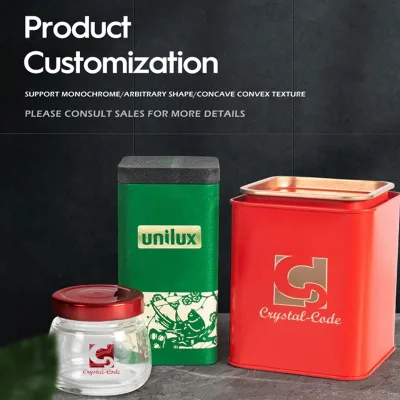


Self-Adhesive Embossed Metal Stickers Recyclable Waterproof Aluminum Labels
$0.10 - $0.70
MOQ: 6000 Pieces


Wholesale Hot Sale Customized Waterproof Stickers Metal Logo Custom Shape Labels
$0.03 - $0.29
MOQ: 6000 Pieces


Comprehensive Sourcing Guide
Waterproof Vintage Copper Alloy Sticker Sourcing Guide
Sourcing waterproof vintage copper alloy stickers requires a nuanced understanding of material science, surface finishing, and adhesive performance. These labels are frequently utilized in branding, packaging, and decorative applications where a premium, aged aesthetic is desired. The "vintage" aspect typically refers to a specific surface treatment that mimics oxidation or patina, while "copper alloy" indicates the base metal composition, which offers durability and a distinct visual warmth compared to pure copper or aluminum. Buyers must distinguish between solid metal labels and those that are merely printed on metalized substrates, as this distinction drastically affects cost, weight, and perceived value.
The procurement process involves verifying the specific alloy composition, the thickness of the material, and the integrity of the waterproof coating. Since these stickers are often applied to beverages, food packaging, or outdoor signage, the adhesive must withstand moisture, temperature fluctuations, and potential chemical exposure from the product itself. This guide outlines the critical verification steps, technical specifications, and commercial considerations necessary to secure high-quality vintage copper alloy stickers that meet both aesthetic and functional requirements.
Product Scope and Observed Listing Signals
The observed market signals indicate a diverse range of product attributes, with prices ranging from $0 to $220 USD and minimum order quantities (MOQs) varying significantly from 1 to 50,000 units. This wide variance suggests that the market includes both low-volume, high-customization items and high-volume, standardized production runs. Buyers should note that the term "copper alloy" may sometimes be used loosely in listings; it is essential to confirm whether the product is a solid metal die-cut or a vinyl/PVC sticker with a copper-foil print or metallic lamination. The presence of "vinyl" in some observed attributes alongside "metal" standards highlights the need for careful specification alignment to avoid receiving a plastic-based product when a metal one was intended.
Customization is a dominant feature in this category, with suppliers offering free design services, custom shapes, and various printing techniques such as offset, UV, gold stamping, and laser engraving. The observed production times of 5-7 working days after artwork confirmation are standard for custom metal or high-end adhesive labels, but buyers should verify if this timeline includes plating or patina application, which can add processing steps. Additionally, the availability of samples within 5-7 working days is a critical signal of supplier responsiveness, allowing buyers to physically inspect the "vintage" finish and adhesive strength before committing to large orders.
Technical Specifications to Verify
Material composition is the primary technical specification to verify, as "copper alloy" can refer to brass, bronze, or mixed metal blends with varying corrosion resistance and color tones. Buyers must request the exact alloy percentage and thickness, typically measured in microns or gauge, to ensure the sticker has sufficient rigidity for its intended application. The "vintage" effect is achieved through chemical patina, mechanical brushing, or electroplating processes; each method yields different durability and visual consistency. It is crucial to confirm that the patina is sealed with a clear coat or varnish to prevent further oxidation or color transfer onto the product or packaging.
Adhesive performance and substrate compatibility are equally critical for waterproof applications. The sticker must maintain adhesion in humid environments or when exposed to condensation, which is common in bottled beverage applications. Buyers should verify the adhesive type, such as acrylic or rubber-based, and its resistance to oils, acids, or alcohols found in food and beverage packaging. The observed attributes mention "self-adhesive" and "waterproof" features, but these claims must be validated through physical testing. Additionally, the shape of the sticker, whether die-cut, rectangular, or custom, should be confirmed against the artwork to ensure precise alignment and minimal waste during application.
Compliance and Safety Documentation
For stickers intended for food, beverage, or medicine packaging, compliance with food safety regulations is non-negotiable. Buyers must ensure that the adhesive and any coatings used in the "vintage" finish are food-grade and do not leach harmful substances into the product or packaging. This is particularly important for copper alloys, as copper ions can migrate under certain conditions. Suppliers should provide documentation confirming that the materials comply with relevant standards, such as FDA regulations in the United States or EU food contact material regulations, depending on the target market.
Environmental and chemical safety certifications are also essential, especially if the stickers are used in outdoor or decorative applications where exposure to elements is expected. Buyers should verify that the patina process does not involve hazardous chemicals that are restricted under REACH or other environmental standards. Additionally, the waterproof coating should be tested for durability and resistance to UV degradation if the sticker is intended for outdoor use. Requesting test reports from independent laboratories can provide assurance that the product meets these safety and environmental requirements.
Cost Drivers and Commercial Terms
The cost of vintage copper alloy stickers is driven by several factors, including the raw material price of copper alloys, the complexity of the die-cutting process, and the surface finishing techniques used to achieve the vintage look. Thicker materials and more intricate shapes will increase production costs due to higher material usage and slower processing speeds. The observed price range of $0 to $220 USD reflects this variability, with lower prices likely corresponding to simpler, printed metalized stickers and higher prices to solid metal, custom-finished labels. Buyers should request detailed quotes that break down material, setup, and finishing costs to understand the true cost drivers.
Minimum order quantities (MOQs) and payment terms significantly impact the commercial viability of the order. The observed MOQ range of 1 to 50,000 units allows for flexibility, but higher volumes typically result in lower per-unit costs due to economies of scale. Buyers should negotiate payment terms that protect their interests, such as a deposit upon order confirmation and the balance paid upon shipment or after quality inspection. Additionally, shipping costs and lead times should be factored into the total cost, especially for international orders where customs duties and freight charges can add significant expenses.
Supplier Qualification and Quality Control
Supplier qualification is critical to ensuring consistent quality and reliable delivery. Buyers should verify the supplier's manufacturing capabilities, including their experience with metal die-cutting and surface finishing. Requesting references or case studies from previous clients can provide insight into the supplier's reliability and quality standards. Additionally, suppliers should have a robust quality control process in place, including in-process inspections and final random inspections before shipment. Buyers should clarify the inspection criteria and acceptance quality limits (AQL) to ensure that the delivered products meet their expectations.
Sample approval is a key step in the quality control process. Buyers should request pre-production samples to verify the material, finish, adhesive, and overall appearance. These samples should be tested under real-world conditions to ensure they perform as expected. Any discrepancies between the sample and the final production should be addressed and resolved before mass production begins. Establishing a clear communication channel with the supplier for ongoing quality feedback can help prevent issues during the production run.
Long-Term Procurement Checks
Long-term procurement success depends on establishing a sustainable supply chain relationship. Buyers should regularly review supplier performance metrics, including on-time delivery, quality consistency, and responsiveness to issues. Building a partnership with a reliable supplier can lead to better pricing, priority production scheduling, and collaborative innovation in product design. Additionally, buyers should stay informed about changes in material costs and market trends that may impact the availability and price of copper alloy stickers.
Continuous improvement and adaptation are essential in the dynamic procurement landscape. Buyers should periodically reassess their sourcing strategy to ensure it aligns with their business goals and market demands. This may involve exploring alternative suppliers, negotiating new contracts, or investing in new technologies to enhance product quality and efficiency. By maintaining a proactive approach to supplier management and market analysis, buyers can secure a competitive advantage and ensure the long-term success of their procurement operations.
FAQs
Can I get custom shapes for waterproof vintage copper alloy stickers?
Yes, custom shapes are available including die cut, rectangle, round corner, circle, and oval. The product supports various shapes to meet specific branding needs while maintaining waterproof durability for outdoor or indoor use.
What printing types are available for these adhesive stickers?
Available printing types include offset printing and transfer printing. Additional finishing processes like UV varnishing, matte lamination, and gloss varnishing ensure high-quality results for custom designs and logos on the sticker surface.
How long does production take after artwork confirmation?
Production time is typically 5 to 7 working days after artwork and payment are confirmed. This timeline applies to standard orders and ensures timely delivery while maintaining quality standards for custom sticker manufacturing.
What are the packaging options for these custom stickers?
Stickers are packed in rolls or sheets, often enclosed in cartons with waterproof film. This packaging method protects the adhesive labels during shipping and storage, ensuring they remain intact until ready for application.
Which materials are used for these adhesive label stickers?
The primary material used is vinyl, which offers durability and flexibility. This material supports various applications such as bottled beverages, food, shipping labels, and medicine packaging while providing a waterproof barrier against moisture.
Can I request a free design service for my logo?
Yes, free design service is available for custom sticker logos. Buyers can submit their requirements, and the supplier assists in creating the design using accepted formats like PDF, AI, EPS, or high-resolution JPG files.
What is the minimum order quantity for these stickers?
The minimum order quantity varies, with observed ranges starting from 1 up to 50,000 units depending on the specific product model. Some models may have a specific MOQ of 500 pieces for custom orders.
Where are these custom adhesive stickers manufactured?
These stickers are manufactured in China, specifically originating from Fujian. The production facilities handle various customization needs while adhering to standard specifications for size and material quality required by international buyers.