Source Waterproof Windproof Canopy Tent for Events, Beach, and Trade Shows
Explore 30 options for a Waterproof Windproof Canopy Tent designed for outdoor advertising, beach parties, and indoor tradeshow displays. Compare features like double-skin structures, UV resistance, and easy installation to find the right fit for your business needs.
Key considerations
Products List


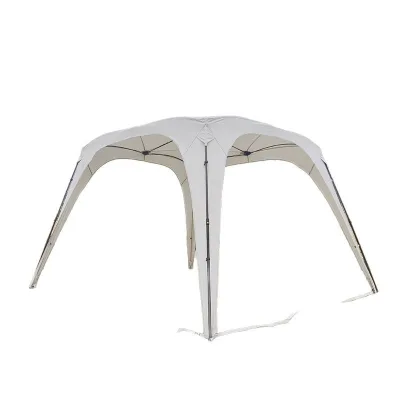


$21.80 - $33.70
MOQ: 50 Pieces


3X3m Heavy Duty Folding Canopy Tent with UV Protection & Waterproof Roof
$16.70 - $19.80
MOQ: 100 Pieces
Comprehensive Sourcing Guide
Waterproof Windproof Canopy Tent Sourcing Guide
Sourcing a reliable waterproof and windproof canopy tent requires a careful balance of material science, structural engineering, and commercial due diligence. These structures serve as critical temporary shelters for outdoor events, trade shows, and camping activities, where exposure to the elements is inevitable. Buyers must navigate a market flooded with varying quality levels, from basic polyethylene covers to heavy-duty Oxford fabric canopies with reinforced aluminum frames. The core challenge lies in distinguishing between marketing claims and verifiable performance metrics, particularly regarding water resistance ratings and wind load capacity. This guide provides a structured approach to evaluating suppliers, verifying technical specifications, and ensuring that the final product meets the rigorous demands of both indoor exhibitions and outdoor environments.
The procurement process begins with a clear definition of use cases, as the requirements for a beach party tent differ significantly from those of a four-season camping shelter. Observed market listings indicate a wide range of applications, including advertising displays, traditional parties, and specialized camping scenarios. Understanding the specific environmental stresses your operation will face is essential for selecting the right product attributes. For instance, tents intended for long-term outdoor use require higher waterproof indices and more robust pole materials than those used for short-term indoor trade shows. By aligning your procurement strategy with these distinct operational needs, you can avoid over-specifying for simple events or under-specifying for harsh conditions, thereby optimizing both cost and performance.
Product Scope and Observed Listing Signals
The current market landscape for canopy tents reveals a diverse array of product models and configurations, reflecting the varied needs of global buyers. Listings frequently highlight specific model numbers such as Retractable Tent-051R and Camping Tents-043s-073M, indicating that suppliers offer specialized designs rather than generic one-size-fits-all solutions. Size variations are common, with standard dimensions like 3x3m, 3x4.5m, and 3x6m appearing alongside larger commercial formats like 10x10FT, 10x15FT, and 10x20FT. This variety allows buyers to select structures that fit specific spatial constraints, whether for tight urban trade show booths or expansive outdoor festival grounds. The presence of customized standard options suggests that many manufacturers are flexible in adapting dimensions to meet unique client requirements.
Material composition and structural design are key differentiators in this product category. Observed listings emphasize the use of high-quality materials such as 500d Oxford Canopy for the top roof, which offers superior durability compared to standard polyester or polyethylene alternatives. The pole materials also vary, with some products utilizing flexible poles made from aluminum alloys for enhanced strength and portability, while others may rely on fiberglass for cost-effective solutions. Structural features like double-skin designs and sexangle tent tops are noted, pointing to advanced engineering aimed at improving stability and weather resistance. Additionally, attributes such as OEM availability and customization options indicate that many suppliers are equipped to handle branded orders, allowing businesses to incorporate their logos through silk printing or dye sublimation printing techniques.
Technical Specifications to Verify
Waterproof performance is a critical technical parameter that must be rigorously verified before procurement. Listings indicate varying waterproof indices, with some products boasting values greater than 3000 mm for the outside tent, while others specify ranges between 2000 mm and 3000 mm. These numerical ratings reflect the hydrostatic head pressure the fabric can withstand before leaking, and higher values generally correlate with better performance in heavy rain conditions. Buyers should request specific test reports or certification documents that validate these claims, as marketing materials alone may not reflect real-world performance. It is also important to verify the seam sealing quality, as water often penetrates through stitched joints rather than the fabric itself, making construction integrity as vital as material ratings.
Wind resistance and structural stability are equally important considerations, particularly for outdoor installations. The choice of pole material plays a significant role in this regard, with aluminum alloys offering a favorable strength-to-weight ratio compared to fiberglass. Buyers should inquire about the frame design, including joint connections and anchoring systems, to ensure the tent can withstand expected wind loads. Features such as double-skin structures can provide additional insulation and stability, while quick automatic opening mechanisms may impact the overall rigidity of the setup. Verifying the tent’s ability to resist UV, water, and fire, as noted in some product advantages, adds another layer of safety and longevity. It is advisable to request wind tunnel test data or third-party engineering assessments for large-scale commercial installations to ensure compliance with local safety regulations.
Compliance and Safety Documentation
Safety compliance is non-negotiable for canopy tents, especially those used in public spaces or commercial events. Buyers must ensure that the fabric and structural components meet relevant fire safety standards, as many jurisdictions require materials to be flame retardant or self-extinguishing. While specific certification names may vary by region, the presence of fire-resistant properties should be explicitly confirmed in the product specifications. Additionally, the use of non-toxic materials is crucial, particularly for tents used in camping or family-oriented events. Buyers should request Material Safety Data Sheets (MSDS) or declarations of conformity to verify that the fabrics and coatings do not contain harmful chemicals such as lead, phthalates, or formaldehyde.
Documentation regarding structural integrity and load-bearing capacity is also essential for risk management. Suppliers should provide engineering drawings or load calculations that demonstrate the tent’s ability to support its own weight plus any additional loads, such as snow accumulation or attached signage. For tents used in high-traffic areas, compliance with local building codes and temporary structure regulations may be required. Buyers should verify that the supplier has experience in meeting these regulatory requirements and can provide the necessary documentation, such as CE marking or other regional certifications. This due diligence helps mitigate liability risks and ensures that the purchased tents are safe for both operators and end-users.
Cost Drivers and Commercial Terms
The cost of canopy tents is influenced by several key factors, including material quality, size, and customization requirements. Products featuring 500d Oxford fabric and aluminum alloy poles typically command higher prices than those made with standard polyester and fiberglass. Customization options, such as OEM branding and specific size modifications, also add to the overall cost due to the additional labor and setup time required. Buyers should request detailed quotations that break down these costs to understand the value proposition of each option. It is also important to consider the total cost of ownership, including maintenance, storage, and potential replacement costs, rather than focusing solely on the initial purchase price.
Commercial terms such as minimum order quantities (MOQ), lead times, and payment terms significantly impact the procurement process. Observed listings indicate MOQs ranging from 1 to 200 units, with some suppliers requiring higher volumes for customized orders. Lead times can vary from 7 to 15 days for standard items, but may extend for larger or customized orders. Buyers should negotiate clear delivery schedules and penalty clauses for delays to ensure timely receipt of goods. Payment terms should be structured to protect cash flow, with options such as partial upfront payments and balance upon shipment being common. Understanding these commercial dynamics allows buyers to plan their inventory and event schedules more effectively.
Supplier Qualification and Quality Control
Supplier qualification is a critical step in ensuring the reliability of your canopy tent supply chain. Buyers should conduct thorough due diligence on potential suppliers, including verifying their business licenses, manufacturing capabilities, and export experience. Factories located in established manufacturing hubs, such as Zhejiang, China, often have access to a robust supply chain and skilled labor force, which can contribute to consistent quality. However, buyers should not rely solely on location; instead, they should request samples to evaluate the build quality, material feel, and overall craftsmanship. Conducting factory audits, either in person or through third-party inspection agencies, can provide valuable insights into the supplier’s production processes and quality control systems.
Quality control measures should be integrated into the procurement process to minimize the risk of receiving defective products. Buyers should establish clear quality standards and inspection criteria before placing orders, including checks for fabric defects, pole integrity, and stitching quality. Implementing pre-shipment inspections is highly recommended to identify and rectify any issues before the goods leave the factory. Suppliers should be required to provide a warranty or guarantee against manufacturing defects, and buyers should understand the process for claiming replacements or refunds. By maintaining a proactive approach to quality control, buyers can build a more resilient supply chain and reduce the likelihood of disruptions.
Long-Term Procurement Checks
Long-term procurement success depends on continuous monitoring and evaluation of supplier performance. Buyers should establish key performance indicators (KPIs) to track metrics such as on-time delivery rates, product defect rates, and responsiveness to issues. Regular performance reviews can help identify trends and areas for improvement, allowing buyers to address problems before they escalate. Building strong relationships with suppliers through open communication and fair negotiation can also foster loyalty and priority treatment during peak seasons or supply chain disruptions. Buyers should also stay informed about industry trends and technological advancements to ensure they are sourcing the most up-to-date and efficient products.
Sustainability and ethical sourcing are increasingly important considerations in the procurement of canopy tents. Buyers should inquire about the supplier’s environmental policies, including waste management, energy usage, and responsible sourcing of raw materials. Certifications such as ISO 14001 for environmental management can provide assurance that the supplier is committed to sustainable practices. Additionally, buyers should verify that the supplier adheres to ethical labor standards, ensuring fair wages and safe working conditions for their employees. By incorporating sustainability and ethical considerations into their procurement strategy, buyers can enhance their brand reputation and contribute to a more responsible global supply chain.
FAQs
What materials are used for the poles in these tents?
The poles are constructed from flexible poles and aluminium alloys. Some models also utilize fiberglass poles to ensure durability and flexibility during outdoor use.
How waterproof are the canopy tents provided?
The tents feature a waterproof index ranging from 2000 mm to 3000 mm, with some models exceeding 3000 mm. This ensures effective protection against rain for both indoor and outdoor applications.
Can I customize the size and design of the tent?
Yes, customization is available for various specifications including sizes like 3x3m, 3x4.5m, and 3x6m. You can also request specific printing methods such as silk printing or dye sublimation printing.
What is the typical delivery time for these orders?
The standard delivery time is between 7 to 15 days after order confirmation. This lead time applies to customized orders originating from factories in Zhejiang, China.
Which printing methods are supported for advertising tents?
The supported printing methods include silk printing and dye sublimation printing. These options allow for high-quality branding on the 500d Oxford canopy material for advertising purposes.
How are the tents packed for shipping?
Each unit is packed individually in a polybag, while some larger models are packed by carton. The single package size is approximately 0.31 by 0.31 by 0.24 meters.
What are the main advantages of these tents?
The main advantages include resistance to UV rays, water, and fire. They are also designed to be portable, easy to install, and suitable for four-season use.