Source Waterproof Windproof Down Jacket for Outdoor, Travel, and Daily Wear
Find 30 Waterproof Windproof Down Jacket options tailored for cold-weather protection. Compare features like breathability, GSM weight, and customization to select the right garment for your supply chain needs.
Key considerations
Products List


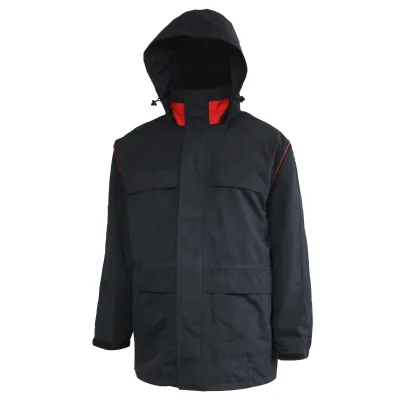


Men's Winter Outerwear Warm Coat Waterproof Windproof Down Puffer Down Jacket
$11.10 - $15.00
MOQ: 1000 Pieces


Everyday Versatile Windproof Waterproof Down Jacket for Outdoor Adventures
$28.50 - $55.50
MOQ: 1000 Pieces


Custom Men Winter Thick Velvet Windproof Down Coat Male Waterproof Jacket
$21.50 - $23.70
MOQ: 1000 piece


Custom Lightweight Waterproof Jacket Dry Coats Windbreakers Outdoor Jacket
$18.00 - $20.00
MOQ: 1000 piece

Comprehensive Sourcing Guide
Waterproof Windproof Down Jacket Sourcing Guide
Sourcing a Waterproof Windproof Down Jacket requires balancing thermal efficiency with weather protection, a combination that demands precise material selection and construction verification. Buyers must prioritize fabrics that offer a high breathability rating alongside water resistance to prevent internal condensation, which can compromise the insulating properties of the down fill. The observed market data indicates a wide range of material compositions, including nylon and polyester blends, which serve as the primary barrier against wind and moisture while maintaining the lightweight characteristics essential for active wear.
Procurement decisions should also account for the specific application environment, as the jacket's performance varies significantly between casual urban use and outdoor activities. The available product attributes highlight features such as anti-static, anti-UV, and dust-proof capabilities, suggesting that modern sourcing strategies must look beyond basic weather protection to include functional enhancements for diverse user demographics. Understanding these nuances ensures that the selected supplier can deliver garments that meet the rigorous demands of both men's and women's seasonal collections, as well as specialized adult and child sizing requirements.
Product Scope and Observed Listing Signals
The current market landscape for waterproof windproof down jackets reveals a diverse product scope ranging from casual wear to specialized outdoor gear, with observed listings featuring various composite processes and fabric weights. Buyers will encounter products utilizing polyurethane roller composite technology, which is critical for achieving the necessary waterproof and windproof seals without adding excessive bulk. The observed weight specifications vary from 17 to 180 GSM, indicating that suppliers offer options for different thermal needs, from lightweight spring and autumn layers to heavier winter protection, allowing buyers to tailor their inventory to specific climate zones.
Listing signals also point to a high degree of customization availability, with suppliers offering options for custom labels, specific colorways like black, and varied patterns such as quilted designs. The product models observed, including CTZE250, CTZE402, and various alphanumeric codes, suggest a fragmented supply chain where distinct SKUs correspond to different feature sets, such as windproof, waterproof, and breathable properties. Buyers must carefully map these model numbers to their specific requirements, noting that some listings specify sizes from XS to 6XL, while others focus on free-size or specific adult and child age groups, necessitating a clear definition of target demographics before engaging with suppliers.
Technical Specifications to Verify
Verifying the technical integrity of the fabric is paramount, as the core functionality relies on the interplay between the outer shell material and the composite process used to bond it. Buyers should confirm that the fabric composition, typically nylon or polyester, is treated to meet the observed feature set of windproof, waterproof, and breathable performance, while also checking for additional attributes like anti-static and anti-UV protection which are present in specific listings. The width of the fabric, often standardized at 57/58 inches, is a critical dimension for pattern cutting and yield calculation, and any deviation from this standard could impact production efficiency and material costs.
Construction details such as the composite process and specific weight standards must be validated against the intended use case to ensure durability and thermal retention. While some listings cite specific weight standards like 304 g or 120 g, these figures likely represent finished product weights rather than fabric GSM, requiring buyers to request detailed breakdowns of fill power and fabric density. Additionally, the presence of specific size ranges, from S to 6XL and including free-size options, necessitates a verification of the grading rules and size charts to ensure that the fit remains consistent across the entire product line, particularly for unisex and gender-specific models.
Compliance and Safety Documentation
Ensuring that the down jackets meet relevant safety and environmental standards is a critical step in the procurement process, particularly given the diverse applications ranging from children's wear to adult outdoor gear. While specific certification data in the provided context mentions ISOComposite Category for woven fabrics, buyers must verify that the finished garments comply with regional safety regulations regarding flammability, chemical restrictions, and fiber content labeling. The observation of "Made in China" as the origin for multiple products underscores the need for rigorous documentation to confirm that the supply chain adheres to international trade compliance and ethical manufacturing practices.
Documentation should also cover the specific testing results for the claimed features, such as waterproof ratings and breathability metrics, which are essential for validating the product's performance claims. Buyers should request test reports that confirm the efficacy of the polyurethane roller composite technology in maintaining water resistance over time, as well as verification of anti-static and anti-UV properties. Although the provided data references EN 343 as a background standard, it is not explicitly confirmed for all listed products, so procurement teams must treat this as a verification target rather than an assumed compliance baseline for every supplier engagement.
Cost Drivers and Commercial Terms
The cost structure of waterproof windproof down jackets is heavily influenced by the complexity of the composite process, the quality of the raw materials, and the level of customization required. The observed price range of 0.5 to 145 USD reflects the vast difference between basic casual wear and high-performance technical gear, with costs driven by factors such as fabric GSM, fill quality, and the inclusion of advanced features like anti-UV and dust-proof treatments. Buyers must analyze the trade-off between price and performance, ensuring that the selected price point aligns with the expected durability and functional requirements of the target market.
Commercial terms, including Minimum Order Quantities (MOQ) and lead times, vary significantly across the supplier base, with observed MOQs ranging from 1 to 1000 units. This flexibility allows buyers to test the market with smaller batches or commit to larger volumes for cost efficiency, but it requires careful planning to manage inventory levels and cash flow. Packing specifications, such as sea transportation, polybag packaging, or carton shipping, also impact logistics costs and must be factored into the total landed cost calculation, especially when dealing with international shipments from China.
Supplier Qualification and Quality Control
Qualifying a supplier for down jacket production requires a thorough assessment of their manufacturing capabilities, specifically their expertise in polyurethane roller composite technology and fabric finishing. Buyers should verify that the supplier has a proven track record of producing garments with the specific feature sets observed, such as windproof, waterproof, and breathable properties, and that they can consistently maintain these standards across different product models. The availability of customization options, including custom labels and specific colorways, indicates a supplier's flexibility, but this must be balanced against their ability to maintain quality control during the customization process.
Quality control protocols must be established to ensure that the final product meets the specified standards for weight, size, and material composition. Given the observed variations in product models and size ranges, from S to 6XL and including free-size options, suppliers must demonstrate robust grading and inspection processes to prevent size inconsistencies and material defects. Buyers should implement pre-shipment inspections that focus on the integrity of the waterproof and windproof seals, as well as the overall construction quality, to mitigate the risk of returns and ensure customer satisfaction.
Long-Term Procurement Checks
Establishing a long-term procurement relationship involves continuous monitoring of supplier performance and product consistency over time. Buyers should regularly review the supplier's ability to maintain the observed technical specifications, such as the 57/58 inch fabric width and the specific weight ranges, to ensure that the product quality remains stable as production volumes scale. The dynamic nature of the market, with new models like CTZE250 and P12 entering the supply chain, requires buyers to stay informed about technological advancements and material innovations that could enhance the performance of their waterproof windproof down jackets.
Sustainability and supply chain transparency are becoming increasingly critical factors in long-term procurement strategies, requiring buyers to verify that their suppliers adhere to evolving environmental and ethical standards. The observation of "Made in China" as a common origin highlights the need for ongoing due diligence regarding labor practices and environmental compliance in the manufacturing region. By maintaining open communication and conducting regular audits, buyers can ensure that their supply chain remains resilient and capable of meeting the changing demands of the global market for high-performance outerwear.
FAQs
What materials are used for the Waterproof Windproof Down Jacket?
The jacket is constructed from Nylon or Polyester materials. These fabrics are selected to provide essential windproof and waterproof properties while maintaining breathability for the wearer.
Which certifications apply to the woven cloth fabric used?
The product utilizes ISOComposite certification standards for its woven cloth and woven fabrics. This ensures the material meets specific quality benchmarks for composite processes involving polyurethane roller technology.
Can buyers request customization for the jacket labels?
Yes, customization is available for the product labels. Buyers can specify unique branding details while the manufacturer maintains standard production capabilities for various garment types and seasonal requirements.
How is the product packed for sea transportation?
The items are packed in cartons or individual polybags depending on the specific model. This packaging method ensures safe sea transportation while protecting the garment from moisture and damage during transit.
What size options are available for the adult jacket?
Sizes range from XS to 6XL to accommodate various adult body types. Specific models also offer free size options, ensuring a suitable fit for men, women, and unisex applications.
Which features make the jacket suitable for winter use?
The jacket features windproof, waterproof, and breathable properties ideal for winter seasons. Additional attributes include anti-static and anti-UV protection, making it versatile for outdoor activities in cold weather.