Find Waterproof Windproof Breathable Outdoor Jacket for Hiking, Cycling, and Camping
Source 30 listings of waterproof windproof breathable outdoor jackets suitable for various activities. Buyers can compare features like material technology, model numbers, and customization options from verified suppliers in China.
Key considerations
Products List
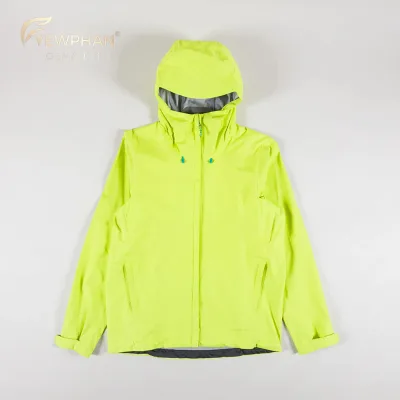


Wholesale Windbreak Coat Outdoor Men's Outdoor Comfortable Waterproof Outdoor Jacket
$11.60 - $13.50
MOQ: 500 Pieces


Women's Outdoor Windbreaker Breathable and Quick Dry Waterproof Jacket
$15.99 - $17.56
MOQ: 500 Pieces


Unisex Lightweight Outdoor Windproof Waterproof Comfortable Windbreaker Jacket
$15.20 - $18.80
MOQ: 200 Pieces
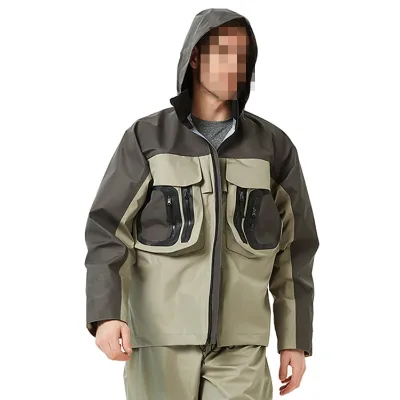
Outdoor Unisex Windbreaker Hooded Breathable and Wading Fishing Waterproof Jacket
$45.87 - $68.80
MOQ: 100 pieces
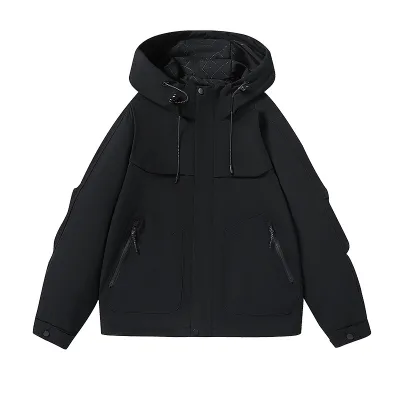
Jacket Waterproof Windproof Autumn Outdoor Travel Sports Unisex Loose Fitting
$26.40 - $38.40
MOQ: 100 pieces
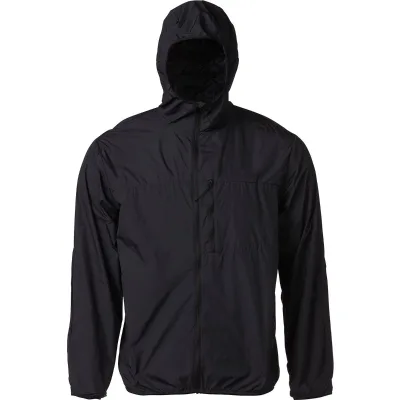
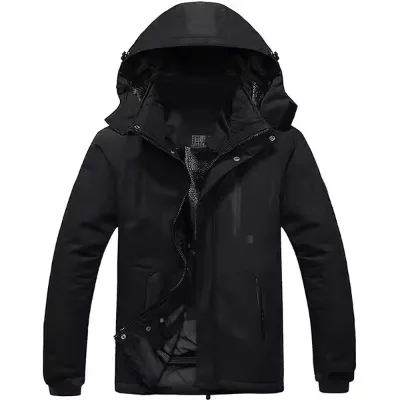


Outdoor Sports Breathable Waterproof Camping Wholesale Windbreaker Jackets
$16.00 - $18.40
MOQ: 500 Pieces


Comprehensive Sourcing Guide
Strategic Sourcing Guide for Waterproof Windproof Breathable Outdoor Jackets
The global market for outdoor apparel has seen a significant surge in demand for high-performance outerwear, specifically items described as waterproof, windproof, and breathable. For B2B procurement professionals, navigating this sector requires a disciplined approach that separates marketing terminology from verifiable technical specifications. The following guide synthesizes available product attributes and industry standards to provide a robust framework for sourcing these garments. Buyers must understand that while the core keyword suggests a unified product category, the underlying construction, material technology, and supply chain capabilities vary widely. This document outlines the critical dimensions of sourcing, from material selection to supplier evaluation, ensuring that procurement decisions are grounded in evidence rather than assumption.
Technical Specifications and Material Architecture
The foundation of any high-performance outdoor jacket lies in its material architecture. Based on observed product data, the shell materials for these garments are predominantly composed of Polyester or Nylon blends. These synthetic fibers are selected for their durability and ability to be engineered with specific coatings or laminates. A critical observation in the current market is the prevalence of advanced material technologies. Suppliers frequently list proprietary or branded fabric technologies such as WindStopper, POWER DRY, Finetex, Coolmax, Gore-Tex, GORE-TEX PACKLITE, and ENTRANT-DT. It is imperative for buyers to verify that the specific model number corresponds to the claimed technology, as these terms represent distinct performance characteristics rather than generic descriptors.
The construction of the jacket also involves specific technical details regarding the lining and fabric weight. Data indicates that Polyamide is a common lining material, chosen for its softness and moisture management properties. The fabric weight for standard models is observed at approximately 240 grams, which suggests a balance between warmth and packability suitable for "All Seasons" or "Winter" applications. The closure systems are almost universally Zipper-based, often featuring high-quality hardware to prevent failure in wet conditions. Furthermore, the "Seamless Fusing" attribute is noted as a key construction technique, which eliminates the need for traditional stitching in critical areas, thereby reducing potential leak points and enhancing the windproof integrity of the garment.
Functional Attributes and Design Variations
Beyond the raw materials, the functional attributes of the jacket define its utility in outdoor activities. The core features observed in the market include Waterproof, Windproof, and Breathable capabilities. However, the scope of functionality often extends to include Anti-friction, Anti-static, Anti-Uv, Anti-Bacterial, and Flame-Retardant properties. Buyers must scrutinize these claims against the specific product listing, as a single SKU may not possess every listed attribute. For instance, while "Waterproof" and "Windproof" are frequently paired, "Acidproof" or "Dust-Proof" may be specific to industrial-grade variants rather than recreational outdoor gear.
Design variations are equally critical for meeting diverse market needs. The product range includes various styles such as Hard Shell, Soft Shell, Skin Jacket, Racer Jacket, Motorcycle Jacket, Bomber Jacket, and Quilted Jacket. The fit is generally observed as "Loose," accommodating layering for colder climates, while the collar style is predominantly "hood" to provide additional weather protection. Pattern types vary significantly, ranging from Solid and Print to complex Patchwork, Gradient Color, and Camouflage designs. The customization of the logo position is a standard offering, with options available for the front, back, left and right sleeves, lower hem, and back neck. This flexibility allows brands to tailor the aesthetic and branding of the jacket to specific target demographics, including Unisex, Adult, and Plus Size markets.
Compliance, Certification, and Quality Verification
In the realm of outdoor apparel, compliance and certification are not merely administrative hurdles but essential indicators of product safety and performance. While specific certification statuses for individual suppliers cannot be assumed, buyers must demand evidence of adherence to relevant standards. The observed product data mentions a standard of "23*17," which likely refers to a specific internal or regional specification rather than a globally recognized international standard like ISO or ASTM. Consequently, procurement teams should verify if the supplier adheres to international testing protocols for water resistance (e.g., hydrostatic head tests), breathability (MVTR ratings), and wind penetration.
The "Standard" attribute in the supply chain often dictates the baseline quality. Buyers should request test reports that validate the "Waterproof" and "Windproof" claims, as these are often the most susceptible to degradation over time or with improper care. Additionally, the "Eco-Friendly" attribute observed in some listings suggests a growing market segment focused on sustainability. Verification of this claim requires checking for certifications related to recycled materials or low-impact dyeing processes. The "Small Orders: Accepted" and "Oem Service" attributes indicate a flexible supply chain, but this flexibility must not compromise the rigor of quality control. Buyers should establish a clear protocol for pre-shipment inspections to ensure that the final product matches the approved sample in terms of material technology and construction integrity.
Cost Drivers and Pricing Dynamics
Understanding the cost drivers for waterproof windproof breathable jackets is essential for budgeting and negotiation. The observed price range in the market spans from 7 USD to 79.86 USD, a wide variance that reflects differences in material quality, brand licensing, and manufacturing complexity. The primary cost drivers include the specific material technology employed; jackets utilizing branded membranes like Gore-Tex or WindStopper will inherently carry a higher cost base than those using generic waterproof coatings. The complexity of the pattern, such as Gradient Color or Patchwork, also influences production costs due to the additional dyeing and cutting steps required.
Other factors affecting the final price include the customization level. Customized labels, specific logo placements, and unique model numbers (e.g., 2390, C3554-#9012, YF-1217-14) add to the setup and production expenses. The "Single package size" of 45x40x6 cm and a "Single gross weight" of 2.000 kg are critical for logistics planning, as shipping costs are often calculated based on volumetric weight. The "MOQ range" of 50 to 1000 units suggests that economies of scale play a significant role; larger orders typically reduce the per-unit cost, while smaller orders may incur higher setup fees. Buyers should analyze the total landed cost, including the "7 days sample order lead time" support, which can impact the overall project timeline and inventory management strategy.
Supplier Evaluation and Supply Chain Capabilities
Evaluating suppliers for outdoor jacket production requires a multi-faceted approach that goes beyond price comparisons. The "Place of Origin" for the observed products is consistently Guangdong, China, a region known for its robust textile manufacturing infrastructure. However, the presence of multiple brand names such as K, DOBBER, and yewphan indicates a competitive market with various levels of brand equity and manufacturing capability. Buyers should prioritize suppliers that offer "Oem Service" and have a proven track record of handling "Customization" requests.
The technical capabilities of the supplier are paramount. The list of "Technics" includes Knitted, Plain Dyed, Printed, Beaded, Automated cutting, Woven, Washed, Yarn Dyed, BLEACH WASH, Rinsing, and Batik print. A supplier's ability to execute these diverse techniques indicates a versatile production line capable of handling complex design requirements. The "Single package size" and "prod_packing: Cartons" suggest standardized logistics, but buyers should verify the supplier's capacity to handle different packaging requirements if necessary. Furthermore, the "Small Orders: Accepted" feature is a significant advantage for startups or brands testing new markets, but it requires careful management to ensure consistent quality across smaller batches.
Quality Control and Long-Term Procurement Strategy
Implementing a robust quality control (QC) strategy is vital for maintaining brand reputation in the outdoor apparel sector. Given the functional claims of "Waterproof" and "Breathable," QC must focus on both visual inspection and functional testing. Visual checks should verify the integrity of the "Seamless Fusing," the accuracy of the "Logo position," and the consistency of the "Pattern Type." Functional testing should include water repellency tests and breathability assessments to ensure the jacket performs as advertised under real-world conditions. The "Thickness: Standard" and "Fabric Weight: 240 grams" should be verified against the approved sample to prevent material substitution.
For long-term procurement, buyers should consider the "Season" variability. While some products are listed for "All Seasons," others are specifically targeted for "Winter." This distinction affects inventory planning and demand forecasting. The "Age Group: Adults" and "Gender: Unisex" attributes suggest a broad market appeal, but buyers should also consider the "Fit: Loose" specification when sizing their inventory. The "Customization: Available" attribute offers a strategic advantage for brand differentiation, allowing companies to create unique products that stand out in a crowded market. By maintaining a continuous relationship with suppliers who support "7 days sample order lead time," buyers can accelerate their time-to-market and respond more agilely to changing consumer trends.
Conclusion
Sourcing waterproof, windproof, and breathable outdoor jackets is a complex endeavor that demands a deep understanding of material technology, manufacturing capabilities, and market dynamics. The observed data reveals a diverse landscape of products ranging from basic polyester blends to advanced membrane technologies. Buyers must navigate this landscape with a focus on verification, ensuring that every claim of performance is backed by tangible evidence. By prioritizing technical specifications, rigorous quality control, and strategic supplier evaluation, procurement professionals can secure high-quality outerwear that meets the demanding needs of the outdoor market. The wide range of customization options and the flexibility of the supply chain offer significant opportunities for brands to innovate and differentiate their product lines, provided that the foundational elements of quality and compliance are never compromised.
FAQs
What material technologies are used in these jackets?
Shells typically use Polyester or Nylon with technologies like Gore-Tex or WindStopper. Buyers must verify that specific model numbers correspond to the claimed technology, as terms represent distinct performance characteristics rather than generic descriptors.
Can I order small quantities for testing?
Yes, small orders are accepted with a minimum quantity ranging from 50 to 1000 units. This flexibility supports startups testing new markets, though buyers should manage quality control rigorously across smaller batches to ensure consistency.
How long does it take to get a sample?
A sample order lead time of 7 days is supported for most suppliers. This timeline impacts project schedules, so buyers should plan inventory management strategies around this support to accelerate their time-to-market effectively.
Which customization options are available for branding?
Customization is available for logo placement on the front, back, sleeves, hem, or neck. Brands can tailor aesthetics to target demographics, but specific model numbers and unique designs will add to the setup and production expenses.
What is the typical fabric weight and thickness?
Standard fabric weight is observed at approximately 240 grams with standard thickness. This balance suits all seasons or winter applications, and buyers should verify these metrics against approved samples to prevent material substitution during production.
Where are these jackets manufactured?
Products originate from Guangdong, China, a region known for robust textile manufacturing. Buyers should prioritize suppliers with proven OEM service capabilities in this location to ensure consistent quality and reliable supply chain management.