Source Waterproof Windproof Fleece Outdoor Jacket for hiking, camping, and travel
Explore 30 listings of waterproof windproof fleece outdoor jackets designed for outdoor activities. Buyers can compare features like breathability, material composition, and customization options from verified suppliers in China.
Key considerations
Products List

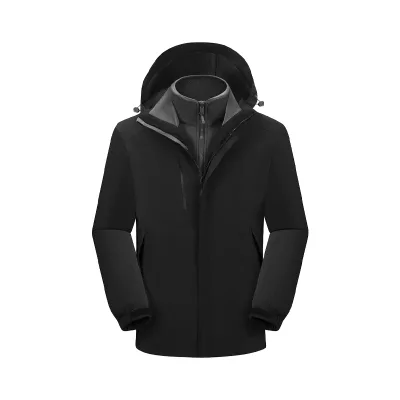
Waterproof Windproof Warm Soft Shell Outdoor Jacket With Fleece Inner Liner
$23.24 - $25.61
MOQ: 101 pieces


Custom Lightweight Waterproof Jacket Dry Coats Windbreakers Outdoor Jacket
$18.00 - $20.00
MOQ: 1000 piece


Men's Softshell Jacket Windproof Water-Resistant Fleece Lined Outdoor Coat
$12.90 - $19.90
MOQ: 1000 Pieces


Outdoor Sports Breathable Waterproof Camping Wholesale Windbreaker Jackets
$16.00 - $18.40
MOQ: 500 Pieces


Custom Design Waterproof Warm Coat with Fleece Outdoor Windproof Jackets for Hiking
$13.81 - $15.35
MOQ: 100 Pieces


Comprehensive Sourcing Guide
Waterproof Windproof Fleece Outdoor Jacket Sourcing Guide
The market for waterproof windproof fleece outdoor jackets presents a diverse range of options tailored for both casual leisure and specialized outdoor activities. Based on current listings, these garments are frequently categorized as soft shell jackets or safari-style outerwear, designed to provide protection against wind and water while maintaining breathability. Buyers will observe a wide spectrum of styles, from hoody designs to lightweight jackets, often featuring removable liners and quick-dry technologies. The product attributes indicate a strong focus on functionality, with materials ranging from 100% polyester to nylon-spandex blends, ensuring durability and comfort across various weather conditions.
Procurement strategies must account for the variability in product specifications, as observed listings show significant differences in closure types, ranging from single buttons to full zippers. The supply chain is characterized by OEM service availability, allowing for customization in branding, colors, and patterns, which is critical for private label development. While some products are marketed specifically for men or unisex use, others are designed with plus-size inclusivity in mind, reflecting a broad target demographic. Understanding these distinctions is essential for aligning product selection with specific market demands and end-user requirements.
Product Scope and Observed Listing Signals
Buyers should first analyze the material composition and construction techniques to ensure the jacket meets the intended performance criteria. Observed data highlights the prevalence of polyester-based shells, including specific technologies like WINDSTOPPER SOFTSHELL with a 10,000mm waterproof rating, alongside 2-layer constructions utilizing TPU white membranes. These materials are often paired with seamless fusing and sewing techniques to enhance structural integrity and weather resistance. It is vital to verify the specific shell material and membrane technology for each supplier, as the performance of the waterproofing and breathability features depends heavily on these underlying components.
The scope of available products also extends to aesthetic and functional customization, with suppliers offering a wide array of color options and printing methods. Listings indicate the availability of colors such as white, yellow, red, black, and various shades of blue, alongside the capability for heat-transfer printing and custom branding. The seasonal applicability varies, with some models targeting winter conditions while others are optimized for spring and autumn use. Procurement teams must clearly define whether the priority is heavy-duty winter protection or versatile three-season wear, as this decision dictates the selection of appropriate insulation, liner options, and fabric weight.
Technical Specifications to Verify
Verification of closure mechanisms and fit specifications is a primary technical requirement for ensuring user satisfaction and product functionality. The market offers both single-button and zipper closures, each serving different aesthetic and functional purposes, while size ranges extend from 2XS to 5XL to accommodate diverse body types. Buyers must confirm that the size chart provided by the supplier aligns with their target market's sizing standards, particularly when dealing with plus-size or unisex garments. Additionally, the presence of features like removable liners and lightweight construction should be validated through sample inspection to ensure they function as advertised without compromising the jacket's structural integrity.
Performance metrics regarding windproofing, waterproofing, and breathability require rigorous testing against the specific claims made by the manufacturer. While some listings cite a 10,000mm waterproof rating and specific membrane technologies, these figures must be corroborated with independent test reports or verified through in-house sampling. The presence of anti-foul and dust-proof features adds another layer of complexity to the specification verification process. Procurement teams should request detailed technical data sheets that outline the specific fabric treatments and membrane specifications to ensure the jacket will perform reliably in the intended environmental conditions.
Compliance and Safety Documentation
Ensuring that the outdoor jackets meet relevant safety and environmental standards is a critical step in the compliance verification process. Although specific certification statuses are not universally confirmed in the provided data, buyers should expect suppliers to provide documentation related to chemical safety, flammability, and material composition. The use of synthetic materials like polyester and nylon requires verification that they comply with international regulations regarding hazardous substances, particularly if the products are destined for markets with strict environmental laws. Buyers must request proof of compliance with these regulations to mitigate the risk of product recalls or legal liabilities.
Documentation regarding the manufacturing process and supply chain transparency is equally important for maintaining brand integrity and consumer trust. Suppliers should be able to provide clear information about the origin of materials and the conditions under which the garments are produced. While specific factory certifications are not explicitly listed, the expectation of OEM service implies a need for robust quality management systems. Procurement teams should verify that the supplier has established protocols for maintaining consistent quality and safety standards throughout the production cycle, ensuring that every batch of jackets meets the required specifications.
Cost Drivers and Commercial Terms
The pricing structure for waterproof windproof fleece jackets is influenced by a combination of material costs, customization requirements, and order volume. Observed price ranges vary significantly, reflecting differences in fabric technology, such as the inclusion of advanced membranes like WINDSTOPPER, and the complexity of the construction. Buyers should anticipate that higher specifications, such as 10,000mm waterproof ratings and seamless fusing, will command a premium price compared to standard polyester options. Understanding these cost drivers is essential for budgeting and negotiating effectively with suppliers to achieve the desired balance between quality and affordability.
Commercial terms, including minimum order quantities (MOQ) and lead times, play a crucial role in the overall procurement strategy. The market shows a wide range of MOQs, from single items to 2,000 units, offering flexibility for both small startups and large enterprises. Lead times can vary, with some suppliers offering support for sample orders within seven days, while full production runs may require longer durations. Buyers must carefully evaluate these terms to ensure they align with their inventory planning and market launch schedules, negotiating favorable conditions that accommodate their specific volume and timing needs.
Supplier Qualification and Quality Control
Selecting a qualified supplier requires a thorough assessment of their manufacturing capabilities, technical expertise, and track record in producing outdoor apparel. The presence of OEM services and customization options indicates that suppliers are equipped to handle bespoke orders, but buyers must verify their capacity to maintain consistent quality across large production runs. It is advisable to conduct on-site audits or request detailed case studies of previous projects to ensure the supplier can meet the specific technical and aesthetic requirements of the waterproof windproof fleece jacket line.
Quality control processes must be rigorously defined and implemented to prevent defects and ensure product reliability. Buyers should establish clear acceptance criteria for critical attributes such as seam strength, waterproofing integrity, and color fastness. Regular inspections during production and pre-shipment checks are essential to identify and rectify any issues before the goods are delivered. By implementing a robust quality control framework, procurement teams can minimize the risk of receiving substandard products and maintain the high standards expected by end-users in the outdoor apparel market.
Long-Term Procurement Checks
Establishing a long-term partnership with suppliers requires ongoing monitoring of performance metrics and adherence to agreed-upon standards. Buyers should implement a system for tracking supplier performance, including delivery times, product quality, and responsiveness to issues. Regular reviews of these metrics will help identify potential risks and opportunities for improvement, ensuring that the supply chain remains resilient and efficient. Maintaining open communication and fostering a collaborative relationship with suppliers is key to navigating the complexities of the outdoor apparel market and achieving sustained success.
Continuous improvement in product design and technology is essential for staying competitive in the dynamic outdoor jacket sector. Buyers should encourage suppliers to innovate and adopt new materials and manufacturing techniques that enhance the performance and sustainability of their products. By staying informed about industry trends and technological advancements, procurement teams can make informed decisions that drive value and differentiate their offerings in the marketplace. This proactive approach ensures that the product line remains relevant and meets the evolving needs of consumers in the outdoor apparel industry.
FAQs
What materials are used for the Waterproof Windproof Fleece Outdoor Jacket?
The jackets are constructed from 100% polyester or a blend of 94% nylon and 6% spandex. Some models feature a two-layer shell with TPU white membrane technology to ensure durability and weather resistance for outdoor activities.
Can I customize the color and design of the Waterproof Windproof Fleece Outdoor Jacket?
Yes, customization is available with options for white, yellow, red, black, navy, and royal blue. You can also request heat-transfer printing and OEM services to tailor the jacket to your specific brand requirements.
What is the minimum order quantity for the Waterproof Windproof Fleece Outdoor Jacket?
The minimum order quantity ranges from one to two thousand units depending on the specific supplier and model. Some listings indicate an available quantity of 500 units, while others support single item selling units for sampling.
How long does it take to receive a sample order for the Waterproof Windproof Fleece Outdoor Jacket?
A sample order lead time of seven days is supported for many of the listed products. This allows buyers to verify quality and specifications before committing to larger production runs for their wholesale needs.
Which sizes are available for the Waterproof Windproof Fleece Outdoor Jacket?
Sizes range from 2XS to 5XL to accommodate various body types including plus size options. The standard sizing includes S, M, L, XL, 2XL, 3XL, and 4XL to ensure a proper fit for different demographics.
Where are the waterproof windproof fleece outdoor jackets manufactured?
These jackets originate from manufacturing hubs in Guangzhou, Hebei, Fuzhou, and Xiamen in China. The production facilities utilize sewing techniques and seamless fusing to assemble the final garments for export.