Source Wear Resistant Boxing Training Stick for gyms, home, and clubs
Compare 30 verified options for the Wear Resistant Boxing Training Stick designed for professional gyms, home workouts, and club training. Buyers can evaluate PU leather materials, customization features, and packaging details from multiple suppliers in one place.
Key considerations
Products List
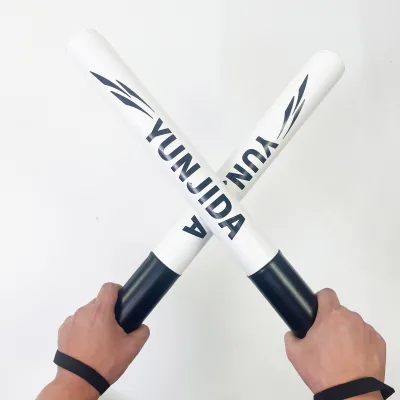
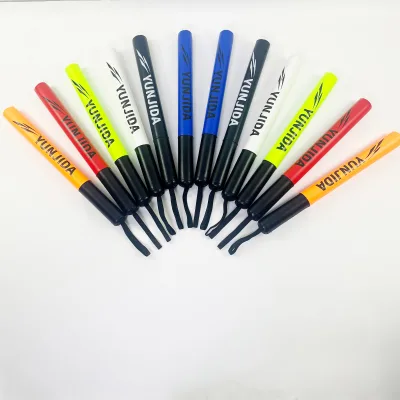
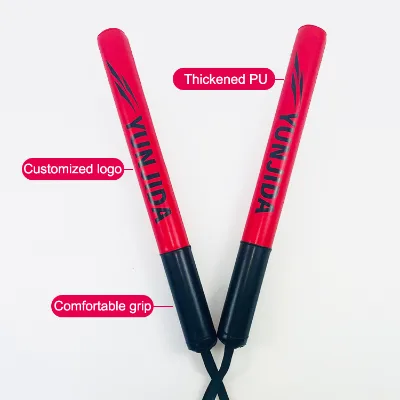
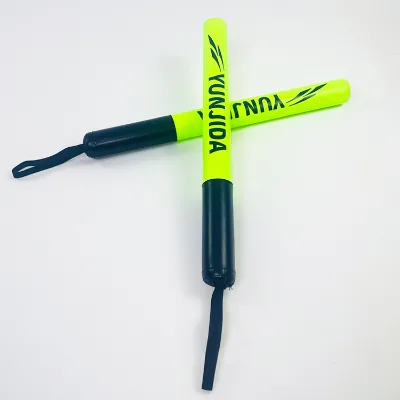
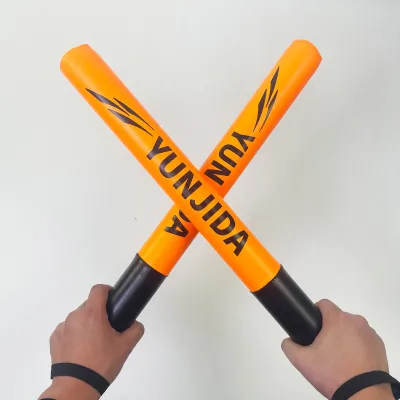
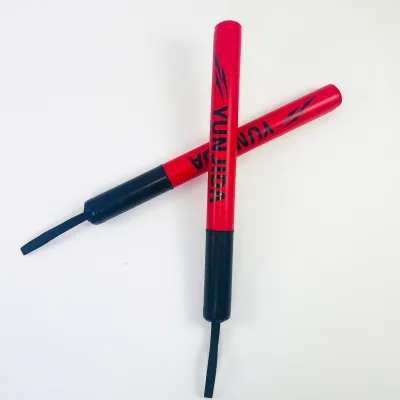
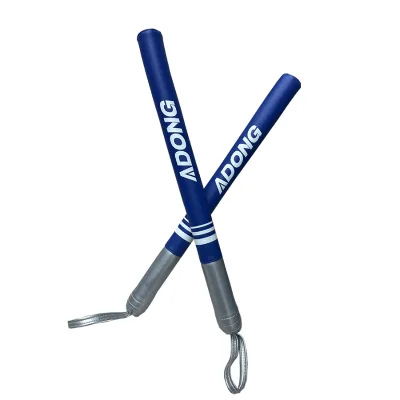
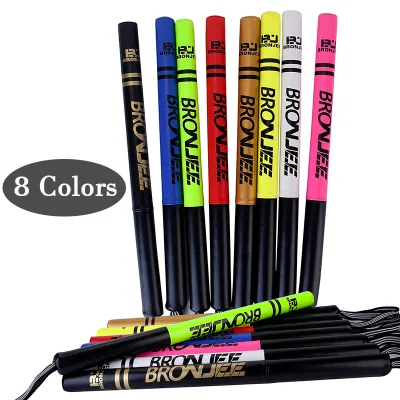
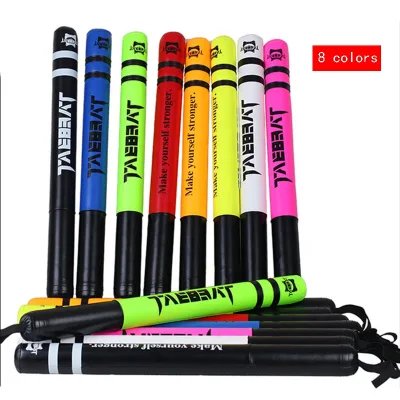
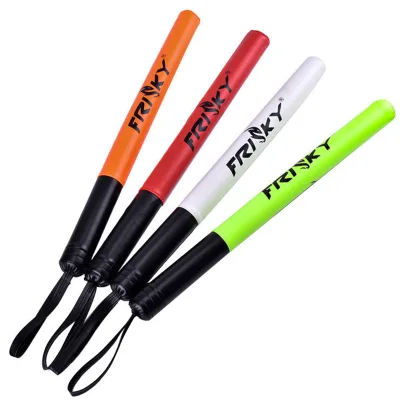
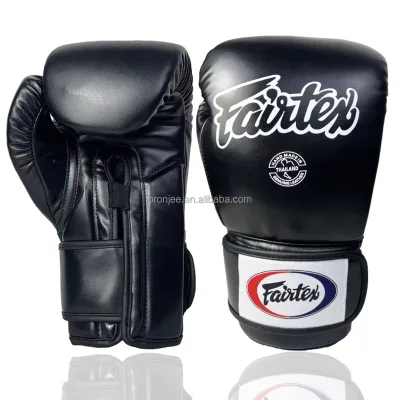
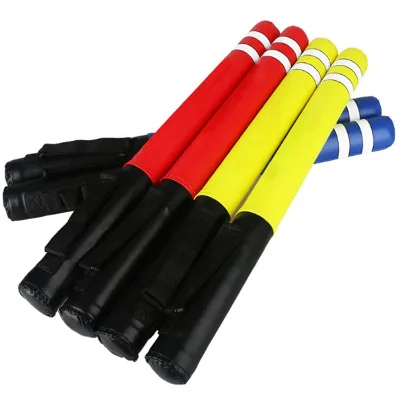
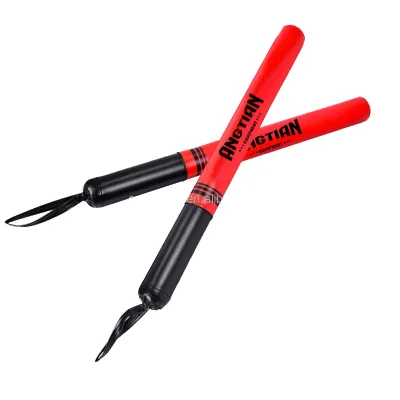
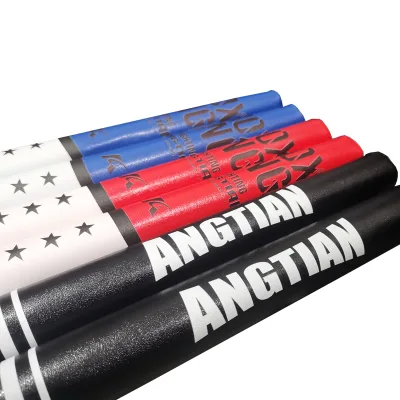
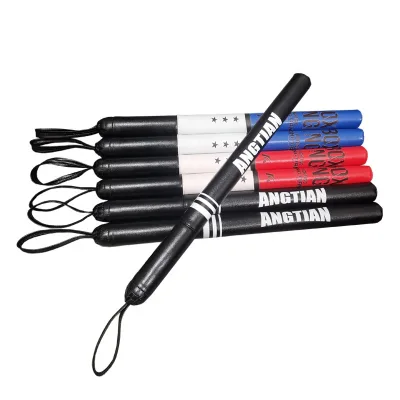
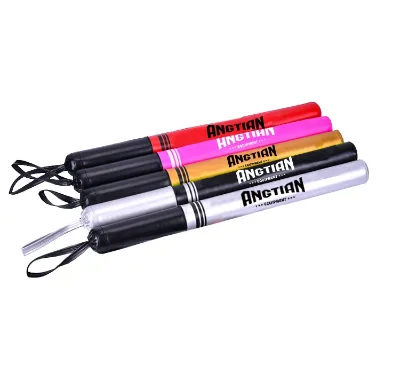
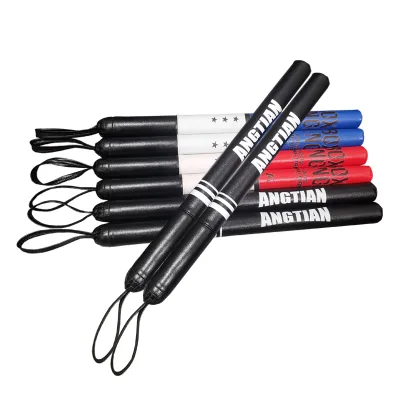
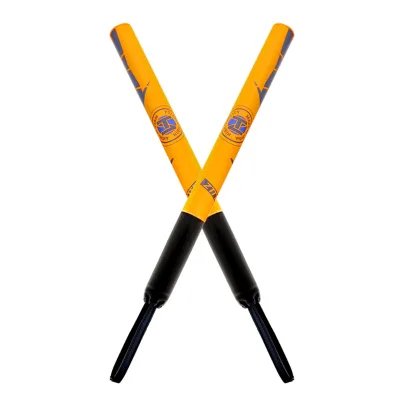
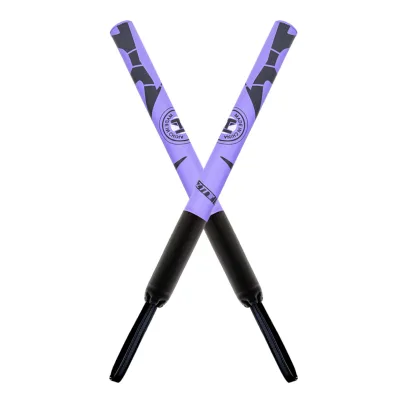

Multi Color Wear Resistant Boxing Pad Elastic Strap for Boxing Training Wholesale
$3.14 - $3.71
MOQ: 200 Pieces

Wholesale Martial Arts Sticks Foam Impact Resistant Training Sticks for Dojo Gym
$2.22 - $2.50
MOQ: 100 pieces


Custom Durable Foam Surface Martial Arts Training Equipment Kung Fu Stick
$2.30 - $10.00
MOQ: 1000 Pieces

Comprehensive Sourcing Guide
Strategic Sourcing Guide for Wear Resistant Boxing Training Sticks
Understanding Product Specifications and Material Composition
When sourcing wear-resistant boxing training sticks, the primary objective is to identify equipment capable of withstanding high-impact repetition without structural degradation. The core material composition is the most critical determinant of durability and performance. Based on available market data, the most prevalent construction involves a composite of PU leather, hot-melt tubes, and high-density pearl cotton. This specific combination offers a balance of surface abrasion resistance and internal shock absorption. The PU leather exterior serves as the primary wear-resistant layer, providing a smooth surface that resists tearing during repeated strikes. Internally, the hot-melt tube acts as a structural spine, ensuring the stick maintains its shape and rigidity under force, while the high-density pearl cotton provides the necessary cushioning to protect the user's hands and joints.
Alternative configurations observed in the market utilize PU leather combined with EVA (Ethylene-Vinyl Acetate) foam. While EVA offers excellent flexibility and lightweight properties, the inclusion of high-density pearl cotton in the primary construction is often preferred for heavy-duty training scenarios where maximum impact resistance is required. Buyers must verify the specific material blend for each supplier, as the term "PU leather" can vary in thickness and quality. The standard dimensions for these training aids typically range around 58 cm in length with a diameter of 5 cm, though some variations exist with standard sizing or custom dimensions. The weight of these units is a significant factor in training efficacy; observed weights hover around 128 grams for single units, which allows for rapid movement and agility drills without causing undue fatigue.
The following table outlines the key material and specification variations found in current market listings to assist in comparative analysis:
| Attribute | Configuration A | Configuration B | Configuration C |
|---|---|---|---|
| Primary Material | PU Leather + Hot-melt Tube + Pearl Cotton | PU Leather + EVA | PU Leather |
| Typical Weight | 128g | 0.128kg | Variable |
| Standard Size | 58*5 cm | Standard Size | 50X30X60 cm (Packaged) |
| Model Reference | qjb296 | Universal | qjb2563 |
| Application | Boxing Training Exercise | Boxing Training | Fitness Exercise |
Compliance, Certification, and Safety Verification
In the realm of B2B procurement for sports equipment, verifying compliance and safety standards is paramount, yet specific certification data is often absent from general product listings. Buyers must understand that the absence of a listed certification does not imply non-compliance, but rather that the specific test results are not publicly advertised. When evaluating wear-resistant boxing training sticks, the focus should be on the manufacturer's ability to provide third-party test reports for material safety and structural integrity.
Key areas of verification include the chemical composition of the PU leather and the adhesives used in the hot-melt process. These materials must be free from harmful substances such as phthalates or heavy metals, which are strictly regulated in many international markets. While specific standards like ISO or ASTM are not explicitly confirmed in the provided product data, buyers should request documentation confirming adherence to relevant international safety standards for sports goods. The "High Quality" designation often found in product descriptions is a qualitative claim that requires quantitative validation through factory audits or sample testing.
Furthermore, the "Protective" feature listed for these products implies a design intent to minimize injury risk. However, this claim must be substantiated by impact testing data. Procurement teams should inquire about the specific testing protocols used to validate the durability of the stitching and the bonding of the layers. For products intended for export to regions with strict safety regulations, ensuring that the supplier can produce a Certificate of Analysis (CoA) or a Test Report from an accredited laboratory is essential. The lack of explicit certification mentions in the source text necessitates a proactive approach where the buyer explicitly requests these documents before finalizing any order.
Cost Drivers and Pricing Dynamics
The pricing structure for boxing training sticks is influenced by several distinct factors, primarily material costs, customization levels, and order volume. The observed price range in the market spans from $1.20 to $143.00 USD. This wide disparity indicates that the base unit cost is highly sensitive to the complexity of the design and the level of branding involved. The lower end of the spectrum likely corresponds to standard, unbranded units with minimal customization, while the higher end reflects premium materials, complex branding, or specialized packaging solutions.
Material selection is a primary cost driver. The use of high-density pearl cotton and premium PU leather generally commands a higher price point compared to standard EVA foam or lower-grade leather alternatives. Additionally, the manufacturing process for the hot-melt tube integration adds to the production cost due to the specialized equipment required. Customization is another significant variable. Suppliers offering "Customized Logo" and "Customized Color" options typically charge a premium over standard black, white, or red configurations. The ability to accept OEM and ODM requests further complicates the pricing model, as these services require additional engineering and setup time.
Order volume plays a crucial role in determining the final unit price. The Minimum Order Quantity (MOQ) varies significantly across suppliers, ranging from 1 piece to 1000 pieces. While some suppliers offer low MOQs of 10 or 50 pieces to accommodate smaller buyers, larger orders often benefit from economies of scale. The "Large quantity support" feature suggests that suppliers are willing to negotiate better pricing for bulk purchases. Buyers should analyze the total cost of ownership, including shipping and potential tariffs, rather than focusing solely on the unit price. The "Strong support" packaging mentioned in the data implies that shipping costs may be factored into the price, especially for larger cartons.
Typical Applications and Usage Scenarios
The versatility of wear-resistant boxing training sticks makes them suitable for a wide array of applications, ranging from professional athletic training to general fitness routines. The primary application is explicitly defined as "Boxing Training Exercise," where the sticks serve as targets for striking drills, reflex training, and combination practice. The "Protective" and "Durable" features are essential for this use case, as the equipment must endure repeated impacts from gloves without deforming or breaking.
Beyond professional boxing, these sticks are utilized in "Fitness Exercise" contexts. The lightweight nature of the units, with weights around 128 grams, makes them ideal for high-repetition drills and agility training. The "All Seasons" attribute suggests that the equipment is designed for use in various environmental conditions, whether in indoor gyms or outdoor training facilities. The "Single item" selling unit indicates that these products are often purchased individually for personal use or small group training, though "Large quantity support" allows for bulk procurement for commercial gyms and training centers.
The specific design features, such as the "Cutomized Printing" and "Accept Customized Logo," make these sticks valuable for branding purposes. Training camps, martial arts schools, and fitness franchises often utilize these products to display their logos, turning the equipment into a marketing tool. The "Usage: Boxing training" and "Usage: Fitness Exercise" labels confirm that the product is multi-functional, serving both as a training aid and a branding medium. The "Type: Boxing pads" classification further broadens the application scope, suggesting compatibility with various striking disciplines beyond traditional boxing.
Supplier Evaluation and Selection Criteria
Selecting the right supplier for boxing training sticks requires a rigorous evaluation process that goes beyond the basic product specifications. The "Brand Name" variations, such as "Yunjida" and "Ynujida," highlight the importance of verifying the legitimacy of the manufacturer. Buyers should conduct due diligence to ensure that the brand name is consistent across all documentation and that the supplier has a proven track record in the sports equipment industry. The "Place of Origin: Hebei, China" is a common manufacturing hub for this type of product, but buyers should verify the specific factory location to assess logistics and lead times.
Key evaluation criteria include the supplier's ability to provide samples, their responsiveness to customization requests, and their quality control processes. The "Samples Offered" attribute is a positive indicator, allowing buyers to physically inspect the product before committing to a large order. The "Accept OEM ODM" capability suggests that the supplier has the flexibility to adapt products to specific buyer requirements, which is crucial for private label opportunities. Buyers should also assess the "Packing" standards, noting the difference between "Opp Bag + Carton" and "Box" packaging, as this affects the product's condition upon arrival.
Communication and transparency are vital. The "Payment Terms: 100%" requirement indicates a specific financial expectation that buyers must be prepared to meet. Suppliers who are willing to discuss payment terms and provide detailed invoices demonstrate a professional approach to business. The "Logo: Custmized Logo Availabled" and "Logo: Customized Logo Available" entries show that customization is a standard service, but buyers should confirm the turnaround time and any additional costs associated with these services.
Quality Control and Long-Term Procurement Considerations
Ensuring long-term quality and reliability is essential for sustainable procurement. The "Quality: High Qualiy" claim, despite the typo, points to a focus on durability, but this must be validated through consistent quality control measures. Buyers should implement a rigorous inspection protocol that includes checking for stitching integrity, material consistency, and dimensional accuracy. The "Single gross weight" and "Single volume" data points, even when listed as zero or generic, should be verified against actual shipments to ensure that the supplier is not under-reporting shipping costs or misrepresenting product dimensions.
For long-term procurement, establishing a relationship with a supplier who offers "Large quantity support" is beneficial. This ensures that the supply chain remains stable during peak demand periods. The "Feature: Protective" and "Feature: Durable" attributes should be monitored over time to ensure that the product maintains its performance characteristics. Regular audits of the manufacturing process can help identify potential issues before they result in product failures.
Buyers should also consider the environmental impact of the materials used. The use of PU leather and hot-melt tubes raises questions about recyclability and disposal. While not explicitly detailed in the product data, forward-thinking procurement strategies should include inquiries about the sustainability of the materials and the supplier's environmental policies. Finally, maintaining open lines of communication regarding any changes in specifications or materials is crucial for managing expectations and ensuring that the product continues to meet the buyer's standards over time.
FAQs
What materials are used for wear resistant boxing training sticks?
The primary construction uses PU leather combined with hot-melt tubes and high-density pearl cotton for durability. Alternative configurations may utilize PU leather with EVA foam, offering flexibility while maintaining a protective surface for repeated strikes.
Can buyers request customized logos on these training sticks?
Yes, suppliers accept customized logos and customized printing options for branding purposes. This service allows training camps and fitness franchises to display their specific designs on the black, white, red, or green colored units.
How much does a single unit of this boxing stick weigh?
A single unit typically weighs approximately 128 grams, facilitating rapid movement during agility drills. Some listings may report zero weight due to data entry errors, but the standard physical weight supports high-repetition training without fatigue.
What is the minimum order quantity for these boxing training products?
The minimum order quantity varies significantly, ranging from 1 piece to 1000 pieces depending on the supplier. Some vendors set a standard MOQ of 10 or 50 pieces, while others offer large quantity support for bulk procurement.
Which dimensions are standard for these PU leather boxing sticks?
Standard dimensions are typically 58 cm in length with a 5 cm diameter. Some variations exist with standard sizing or packaged dimensions of 50x30x60 cm, though specific model numbers may dictate slightly different measurements.
Can suppliers provide samples before placing a large order?
Yes, many suppliers offer samples to allow buyers to inspect the product quality and material composition. This practice helps verify the protective features and durability claims before committing to the minimum order quantity requirements.