Source Wheel Loader Working Light for Excavators, Forklifts, and Loaders
Find 30 Wheel Loader Working Light options for excavators, forklifts, and wheel loaders. Compare 24V and 10-40V models with IP68 waterproof ratings, halogen or LED sources, and ISO9001 certified parts from China suppliers; compare the available evidence and request quotations based on your requirements.
Key considerations
Products List


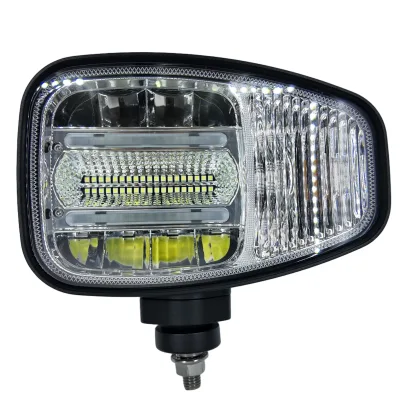

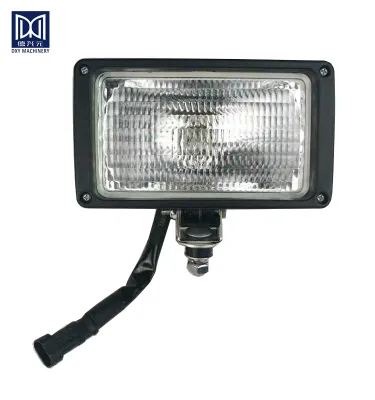
Construction Machinery Parts Sdlg Wheel Loader Parts 4130001685 Working Light
$20.00 - $25.00
MOQ: 1 Pieces



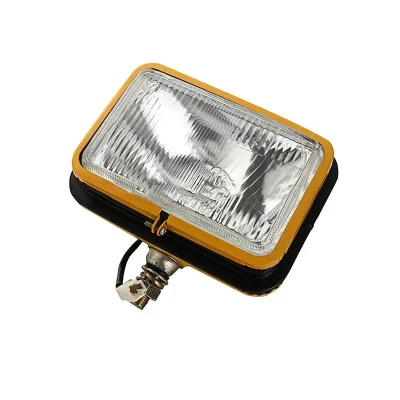
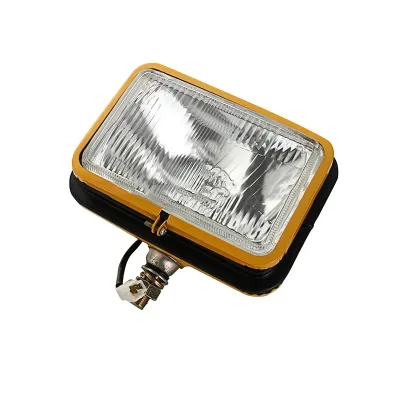

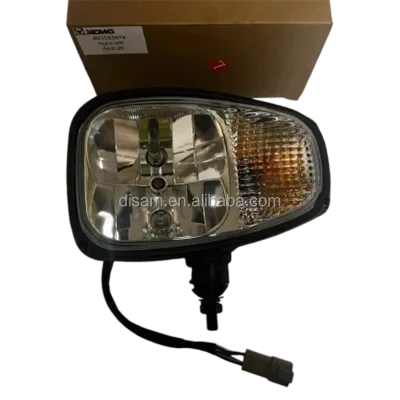


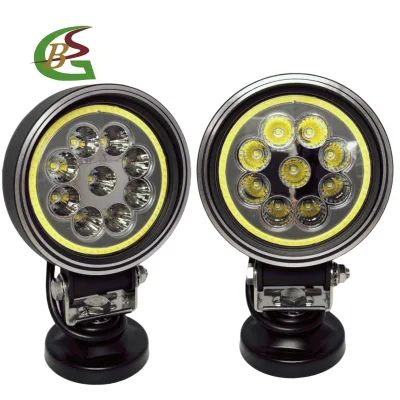
4.5inch 48W Red Frame LED Work Driving Light for Excavators and Bulldozer
$14.99 - $19.99
MOQ: 100 Pieces
Comprehensive Sourcing Guide
Wheel Loader Working Light Sourcing Guide
Procuring replacement lighting for heavy machinery requires distinguishing between generic electrical components and specialized aftermarket parts designed for specific vehicle models. The observed market data indicates a strong focus on excavator and wheel loader applications, with products explicitly defined as replacement aftermarket parts for these heavy-duty systems. Buyers must recognize that while some listings mention forklifts, the primary engineering intent for these high-intensity units is to restore visibility in demanding excavation and loading environments where standard lighting fails.
The supply chain for these components is heavily concentrated in China, with specific manufacturing hubs identified in Linyi and Guangdong provinces. This geographic concentration suggests a mature ecosystem for producing high-volume electrical system parts, yet it necessitates rigorous verification of the specific origin to ensure consistency in manufacturing quality. Sourcing strategies should prioritize suppliers who can demonstrate a clear lineage from these known production centers to guarantee that the delivered units match the engineering specifications required for robust industrial operation.
Product Scope and Observed Listing Signals
The product landscape for wheel loader working lights is characterized by a wide variance in specifications, ranging from basic halogen assemblies to advanced LED systems with high lumen outputs. Listings reveal distinct models such as the EL101 and 652B, alongside specialized units like the AFS-2202R, which feature varying power ratings from 24V to a broader 10-40V operating range. This diversity requires buyers to carefully map their specific machine requirements against the listed adaptation data, ensuring the selected light source, whether halogen or super bright LED, matches the electrical architecture of the target vehicle.
Packaging and physical attributes also vary significantly across the observed listings, with options ranging from simple cardboard boxes to specialized container shipping methods. The physical construction often utilizes high-strength ABS engineering plastic for the shell or aluminum for heat dissipation, directly influencing the durability and lifespan of the unit in harsh conditions. Buyers must scrutinize the single package size and gross weight, as these factors impact logistics planning and storage requirements, ensuring that the chosen supplier can accommodate the specific dimensional constraints of the procurement order.
Technical Specifications to Verify
Electrical compatibility is the most critical technical parameter, as the observed data shows a split between fixed 24V systems and universal 10-40V voltage ranges. Procurement teams must verify that the selected unit's voltage tolerance aligns perfectly with the wheel loader's battery and alternator output to prevent premature failure or electrical system damage. The power consumption, observed at 82W for specific high-performance models, must be balanced against the vehicle's available electrical capacity to ensure that the lighting upgrade does not overload the existing circuitry or drain the battery during operation.
Light output and environmental resistance are equally vital for operational safety and equipment longevity. The market offers units with lumens up to 4000 and color temperatures around 6500K, which provide superior visibility, but these must be paired with a confirmed waterproof rating of IP68 to withstand dust and water immersion common in construction sites. Buyers should also confirm the lamp type, ensuring that the transition from halogen to LED or the specific super bright LED configuration meets the functional requirement for passing EMC tests, which is essential for preventing interference with other sensitive electronic systems on the machine.
Compliance and Safety Documentation
Certification status serves as a primary indicator of manufacturing quality and adherence to international safety standards. The available data highlights ISO9001:2015 certification as a common benchmark, with some listings additionally citing CE compliance, which is crucial for market access in regions with strict regulatory environments. Procurement professionals must request valid, up-to-date certification documents to verify that the supplier maintains these standards consistently, rather than relying on generic claims that may not apply to the specific batch of goods being ordered.
Safety documentation must also address the functional performance of the lighting system under stress conditions. While some listings claim a "pass EMC" function, buyers should demand specific test reports or data sheets that validate electromagnetic compatibility for the specific model number. This verification ensures that the working light will not emit interference that disrupts the wheel loader's control systems or communication devices, a critical safety requirement for heavy machinery operating in complex industrial environments where electronic reliability is paramount.
Cost Drivers and Commercial Terms
Pricing in this sector exhibits a broad spectrum, with observed ranges extending from $2 to over $126 per unit, driven primarily by the technology level and build quality of the component. Lower-cost items often correspond to basic halogen replacements or generic assemblies, while the higher price points reflect advanced LED configurations with superior waterproofing and higher lumen outputs. Buyers must analyze the cost per unit in the context of the total lifecycle value, considering that a higher initial investment in a robust aluminum or ABS unit may yield significant savings through reduced replacement frequency and lower maintenance downtime.
Minimum Order Quantities (MOQ) and lead times are significant variables that influence the total cost of ownership and supply chain flexibility. The observed MOQ range spans from a single unit to 1000 units, allowing for both immediate replacement needs and large-scale fleet upgrades. Procurement strategies should align order volumes with these thresholds to optimize unit pricing, while also accounting for the specific packing methods, such as carton boxes or containers, which can affect shipping costs and the efficiency of the delivery process to the final destination.
Supplier Qualification and Quality Control
Supplier reliability is often validated through their ability to provide evidence of rigorous internal testing and quality assurance processes. The market data indicates that many suppliers claim a "100% Tested" status for their products, a critical metric that buyers should verify through third-party audits or detailed quality control reports. This verification step ensures that every unit leaving the factory meets the specified performance criteria, reducing the risk of receiving defective parts that could compromise the safety and efficiency of the wheel loader operations.
Customization capabilities represent another key differentiator among potential suppliers, with many offering tailored solutions to meet specific machine requirements. The availability of customization allows buyers to adapt standard products to unique mounting configurations or electrical interfaces, ensuring a perfect fit for older or specialized wheel loader models. However, buyers must confirm that these customizations do not compromise the core integrity of the product, such as the waterproof rating or the structural strength of the high-strength materials used in the housing.
Long-Term Procurement Checks
Sustaining a reliable supply chain for wheel loader working lights requires establishing clear protocols for ongoing quality monitoring and performance tracking. Buyers should implement a system to track the failure rates of installed units over time, comparing actual field performance against the initial specifications provided by the supplier. This data-driven approach helps identify any degradation in product quality or consistency issues that may arise from changes in the manufacturing process or raw material sourcing.
Future procurement decisions should be informed by a continuous review of the supplier's ability to maintain certification standards and adapt to evolving industry requirements. As technology advances, the demand for higher efficiency and better integration with modern vehicle electronics will likely increase, necessitating a proactive approach to supplier evaluation. Maintaining a relationship with suppliers who demonstrate a commitment to innovation and consistent quality assurance will ensure that the fleet remains equipped with reliable lighting solutions that meet the rigorous demands of heavy-duty construction and material handling operations.
FAQs
What is the voltage range for these wheel loader working lights?
The voltage range is 10 to 40V, ensuring compatibility with various heavy machinery electrical systems. This wide input range supports stable operation in 24V environments commonly found in excavators and forklifts. The design accommodates fluctuating power conditions typical in industrial settings, providing reliable illumination without damage to the unit during startup or engine load changes.
Which certifications do these replacement parts hold?
These parts hold ISO9001 and CE certifications, confirming adherence to international quality and safety standards. The manufacturing process follows strict protocols to ensure product reliability and consistency. Buyers can trust that the components meet regulatory requirements for export and use in regulated markets, providing assurance of quality control throughout the production lifecycle.
Can these lights be customized for specific models?
Yes, customization is available to meet specific model requirements. Buyers can request tailored solutions for different wheel loader or excavator configurations. This flexibility allows for precise integration into existing machinery setups. The supplier supports bespoke orders to ensure optimal fit and performance, accommodating unique operational needs or branding preferences for specialized industrial applications.
What is the waterproof rating of the housing?
The housing features an IP68 waterproof rating, offering complete protection against dust and prolonged water immersion. This robust sealing ensures durability in harsh outdoor environments, including heavy rain or muddy conditions. The design prevents moisture ingress, maintaining electrical integrity and light output performance over time, which is critical for reliable operation in demanding construction or mining sites.
What material is used for the light shell?
The shell is made from high-strength ABS engineering plastic, providing excellent impact resistance and durability. This material choice ensures the light can withstand vibrations and physical shocks common in heavy machinery operation. The robust construction protects internal components from damage, extending the service life of the unit while maintaining a lightweight profile for easy installation and maintenance.
How is the product packed for shipping?
The product is packed in carton boxes or cardboard packaging, ensuring safe transit. This standard packaging protects the units from damage during handling and storage. The packaging is designed to optimize space efficiency for bulk shipments, reducing logistics costs. Buyers receive the items securely wrapped, ready for immediate inspection and installation upon arrival at the destination facility or warehouse.