Source Color Shifting Duo Chrome Pigment for Paint, Plastic, and Cosmetic
Compare 30 listings of Color Shifting Duo Chrome Pigment from verified Chinese manufacturers. Buyers can evaluate particle sizes, certifications, and pricing for applications in paint, plastic, and cosmetic industries.
Key considerations
Products List


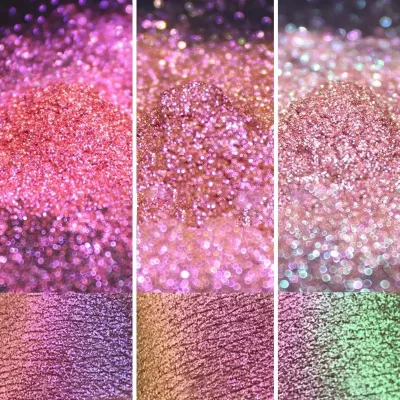
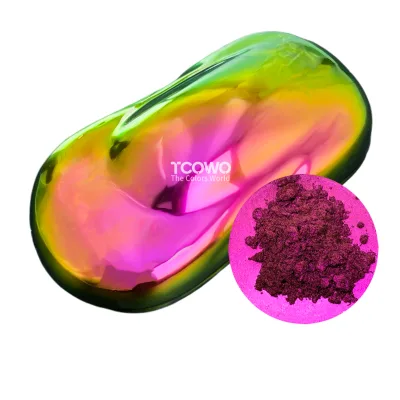
Duochrome Chameleon Pigments Color Shifting Pigment for Paints Watercolor Inks
$0.85 - $3.95
MOQ: 100 grams


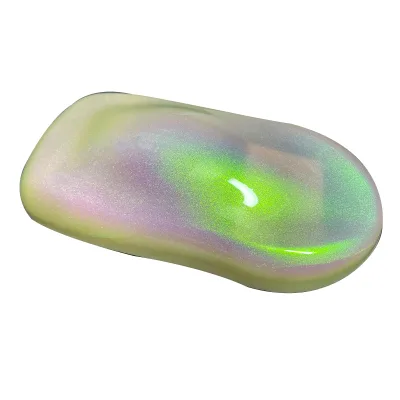

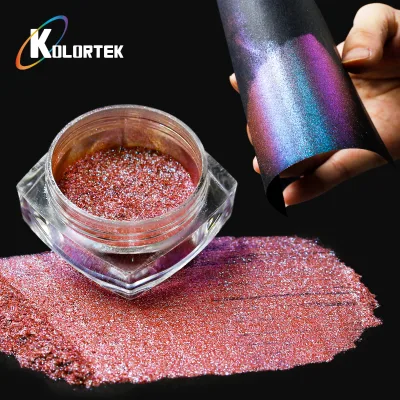
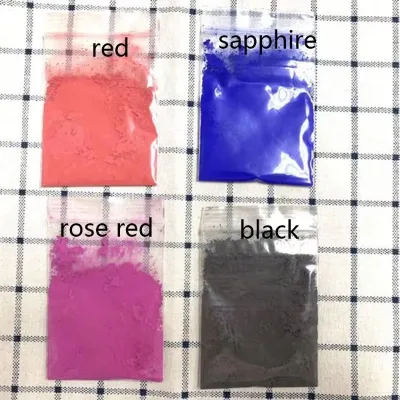
$1250.00 - $1350.00
MOQ: 22 Tons



Comprehensive Sourcing Guide
Strategic Sourcing Guide for Color Shifting Duo Chrome Pigments
Understanding the Technical Profile of Duo Chrome Pigments
Sourcing color shifting duo chrome pigments requires a precise understanding of their unique optical properties and chemical composition. These materials are engineered to create dynamic visual effects where the perceived color changes based on the viewing angle, a phenomenon often described as "chameleon" or "magic" effects. The core technical identity of these pigments is defined by their inorganic nature and synthetic formation mechanisms. Unlike organic dyes, these pigments rely on physical light interference rather than chemical absorption to produce their multicolor and color-shifting characteristics.
The fundamental composition of these pigments is typically an oxide-based structure. This inorganic foundation ensures stability and durability in various applications. The specific color palette available in the market includes violet, yellow, orange, blue, red, green, brown, and black, with specific pigment types often utilizing iron oxide yellow and iron blue as base components. Chrome oxide green is another observed variant within this category. The physical form is consistently a powder, which necessitates specific handling and dispersion protocols during the manufacturing process.
Particle size is a critical specification that dictates the final finish and optical performance. Available particle size ranges observed in the market include specific intervals such as 10-50 micrometers, 10-150 micrometers, and finer grades like less than 10 micrometers or 5-25 micrometers. The variation in particle size, often listed as 20-80 micrometers or 30-115 micrometers, directly influences the intensity of the color shift and the smoothness of the application. Buyers must verify the exact particle size distribution required for their specific end-use, as coarser particles may provide a more metallic or granular look, while finer particles offer a smoother, glass-like finish.
Compliance, Certification, and Safety Standards
In the B2B procurement of industrial pigments, regulatory compliance is non-negotiable. The global market for color shifting pigments operates under strict environmental and safety frameworks. A primary requirement for reputable suppliers is the provision of Material Safety Data Sheets (MSDS) and Technical Data Sheets (TDS). These documents are essential for understanding the handling, storage, and disposal requirements of the product. The presence of an MSDS indicates that the supplier has assessed the chemical hazards associated with the pigment, including its solubility profile, which is generally insoluble in water and common solvents.
Certification status serves as a primary indicator of a supplier's adherence to international quality and safety standards. While specific certification bodies vary, the market frequently references standards such as REACH certification, which ensures the product meets European Union safety requirements for chemicals. Other certifications like ISOCCC may also be present, though buyers should verify the specific scope of these certifications against their local regulatory needs. The "Odorless" and "Free of Heavy Metal" attributes are critical selling points that align with safety standards for applications involving consumer goods, particularly in cosmetics and automotive sectors.
Buyers must also be aware of the European Inventory of Existing Commercial Chemical Substances (EINECS) numbers associated with these pigments. Specific entries such as 231-545-4, 231-072-3, and 231-096-4 are often cited in technical documentation. These numbers are vital for customs clearance and regulatory compliance in international trade. When evaluating a supplier, procurement teams should request proof of these EINECS registrations and ensure that the product batch being sourced matches the certified specifications. Failure to verify these details can lead to shipment delays or rejection at customs.
Cost Drivers and Pricing Variables
The pricing structure for color shifting duo chrome pigments is influenced by a complex interplay of factors, ranging from raw material costs to logistical complexities. The observed price range in the market is broad, spanning from $0.20 to $2,000 per unit, reflecting the diversity in product grades, packaging, and order volumes. This wide variance underscores the importance of defining the exact specification before requesting a quote. A high-performance pigment with a specific particle size distribution or a specialized color shift effect will command a premium compared to standard inorganic oxide pigments.
Order Volume is a significant determinant of the final unit cost. The Minimum Order Quantity (MOQ) varies considerably, with observed ranges from 100 grams to 300 units. Some suppliers offer flexible MOQs starting at 100g, which is beneficial for R&D and prototyping phases. However, for mass production, the economics shift, and larger orders often yield better per-unit pricing. The packaging format also impacts cost; options include cartons, drums, bags, and barrels. Standard packaging often adheres to a 25-kilogram per carton or drum standard, with palletized shipments reaching up to 300 kilograms. Custom packaging requirements or smaller unit sizes for specific applications can increase the overall cost due to the labor and material involved in secondary packaging.
Logistics and origin play a role in the landed cost. Most suppliers in this sector are located in industrial hubs such as Huaian, Jiangsu, or generally across China (Mainland). The lead time for delivery is typically short, with observed windows of 3-7 working days for standard orders. However, this can fluctuate based on the specific production schedule and the urgency of the request. Buyers should factor in shipping costs, which can be substantial for heavy drum shipments, and consider Incoterms when calculating the total cost of ownership.
Typical Applications and Performance Requirements
The versatility of color shifting duo chrome pigments makes them suitable for a vast array of industries. The primary usage sectors include paper, ink, paint, plastic, cosmetics, textiles, leather, and ceramics. In the automotive sector, these pigments are frequently used for car painting, where the "Use Quantity" might be estimated at around 50 grams per vehicle for specific decorative effects. The application method is often spray-based, requiring the pigment to be compatible with various binder systems and solvents.
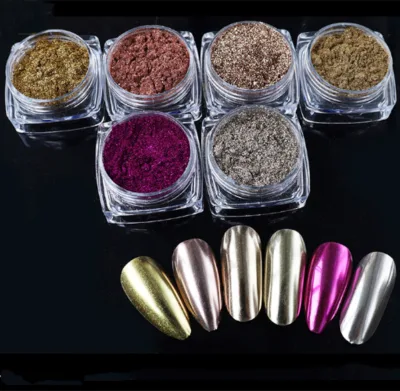
In the cosmetics industry, the application is highly specialized, extending to nail art, eyeshadow, and garment finishing. The requirement for these applications is stringent regarding safety and texture. The pigment must be insoluble to prevent migration and must be free of heavy metals to ensure consumer safety. The "Finish Coat" level is a common specification, indicating that these pigments are often used as a top layer to provide the final aesthetic effect. The "Non Conversion Type" formation mechanism suggests that the pigment does not undergo a chemical reaction during application, maintaining its optical properties throughout the product's lifecycle.
The following table outlines the compatibility of these pigments across different industries based on observed usage data:
| Industry Sector | Primary Application | Key Requirement |
|---|---|---|
| Automotive | Car Painting | Color Shifting, Durability |
| Cosmetics | Nail Art, Eyeshadow | Odorless, Heavy Metal Free |
| Plastics | Injection Molding | Heat Stability, Dispersion |
| Paints/Inks | Coatings, Printing | Insolubility, Particle Size |
| Textiles | Garment Printing | Adhesion, Color Fastness |
| Ceramics | Glazing | High Temperature Stability |
Supplier Evaluation and Sourcing Strategy
Evaluating a supplier for color shifting duo chrome pigments requires a multi-faceted approach that goes beyond price comparison. The brand name "Kolortek" is observed in the market, but buyers should not limit their search to a single entity. Instead, the focus should be on the supplier's ability to provide consistent technical data and compliance documentation. A reliable supplier will have a clear origin, such as Jiangsu, China, and will be able to provide detailed technical specifications for each batch.
When assessing potential partners, procurement teams should verify the consistency of the "prod_model" or product model numbers, such as "chameleon pigment," "magic chameleon pigments," or specific codes like "03T32" and "8832." These identifiers help in tracking specific formulations and ensuring that the correct product is being sourced. The supplier's ability to negotiate packaging, such as offering 25kg per carton or bag, is also a sign of flexibility and customer service orientation.
Quality control is paramount. Buyers should request samples to test the color shift effect, particle size distribution, and solubility. The "Feature" of being odorless and free of heavy metals should be verified through independent testing or by reviewing the supplier's latest test reports. The supplier's lead time of 3-7 working days should be confirmed to ensure it aligns with the buyer's production schedule. Additionally, the availability of technical support, including the provision of TDS and MSDS, is a strong indicator of a professional supplier.
Quality Control and Long-Term Procurement Considerations
Maintaining quality consistency is essential for long-term procurement success. The "Type" of pigment, whether synthetic or natural, affects its performance characteristics. While the market data indicates a mix of synthetic and natural types, the specific application dictates the choice. For high-performance applications like automotive finishes, synthetic inorganic pigments are often preferred due to their stability and consistent color shift properties.
Buyers should establish a robust quality control protocol that includes regular testing of incoming shipments. Key parameters to monitor include particle size, color consistency, and the absence of contaminants. The "Style" of the pigment, described as inorganic, should be verified to ensure it meets the chemical requirements of the end product. Over time, suppliers may introduce new product models or adjust formulations, so maintaining open communication with the supplier is crucial.
Long-term procurement also involves managing the supply chain's resilience. Given the origin in China, buyers should consider geopolitical factors and logistics stability. The standard packaging of 25 kilograms per carton or drum, with palletized options up to 300 kilograms, should be standardized to streamline logistics. Negotiating flexible terms for packaging and delivery can help mitigate risks associated with supply chain disruptions. By focusing on suppliers who offer comprehensive technical support and adhere to strict quality standards, buyers can ensure a reliable supply of high-performance color shifting duo chrome pigments for their diverse applications.
FAQs
What certifications do color shifting duo chrome pigments typically have?
These pigments often carry REACH certification and MSDS documentation to ensure safety compliance. Suppliers also provide TDS and ISOCCC certifications for quality assurance. Buyers should verify EINECS numbers like 231-545-4 for regulatory clearance in international trade.
How is the particle size of these pigments specified?
Particle size varies by product model, with common ranges including 10-50 micrometers, 10-150 micrometers, and finer grades under 10 micrometers. Specific options like 20-80 micrometers or 30-115 micrometers are available to control the intensity of the color shift effect.
Can these pigments be used in cosmetics and nail art?
Yes, they are suitable for cosmetics, nail art, and eyeshadow applications due to their odorless and heavy metal-free features. The insoluble nature ensures stability, and they are often used as a finish coat for durable, vibrant color shifting effects on garments and skin.
What is the minimum order quantity for these pigments?
Minimum order quantities range from 100 grams for small samples to 300 units for larger commercial orders. Some suppliers offer flexible packaging like 25 kilograms per carton or drum, allowing buyers to negotiate terms based on their specific production volume needs.
Which chemical composition defines these color shifting pigments?
The composition is primarily oxide-based, featuring inorganic synthetic materials like iron oxide yellow and iron blue. Chrome oxide green is another variant, ensuring the pigments remain insoluble and stable across various applications including plastics, paints, and inks.
How long does delivery typically take for these pigments?
Standard delivery times are usually between 3 to 7 working days from the point of order. Suppliers located in Huaian, Jiangsu, China, or other regions in China generally maintain this lead time for stock items, though custom orders may vary.
What packaging options are available for these pigments?
Pigments are commonly packed in cartons, drums, bags, or barrels, with standard weights of 25 kilograms per unit. Larger shipments can be palletized up to 300 kilograms, and packaging specifications like 45 by 40 centimeters are available for customization.