Source White Flame Retardant Decabromodiphenyl Ethane for Plastics Coatings Textiles
Find 30 suppliers offering White Flame Retardant Decabromodiphenyl Ethane for use in plastics, coatings, and textiles. Buyers can compare specifications like purity, particle size, and melting point to select the right additive for their manufacturing needs.
Key considerations
Products List

Premium Grade White Powder High Whiteness Decabromodiphenyl Ethane for Polyester
$8400.00 - $8500.00
MOQ: 1 Tons

Factory Direct White Powder Halogen Free Decabromodiphenyl Ethane for Thermoplastic
$8300.00 - $8400.00
MOQ: 1 Tons

Eco Friendly White Powder Non Toxic Decabromodiphenyl Ethane for Automotive
$8300.00 - $8400.00
MOQ: 1 Tons

Competitive Price White Powder Low Dust Decabromodiphenyl Ethane for Coating
$8600.00 - $8700.00
MOQ: 1 Tons

High Quality White Fine Powder Decabromodiphenyl Ethane for PVC Compound
$8500.00 - $8600.00
MOQ: 1 Tons






Comprehensive Sourcing Guide
Strategic Sourcing Guide for White Flame Retardant Decabromodiphenyl Ethane
Understanding the Product Profile and Technical Specifications
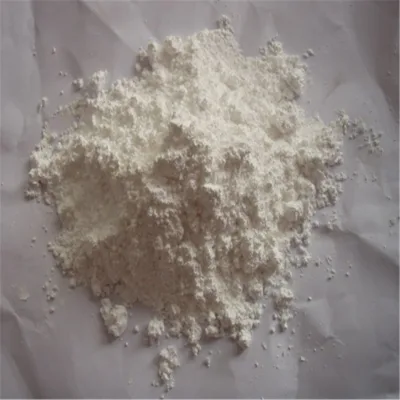
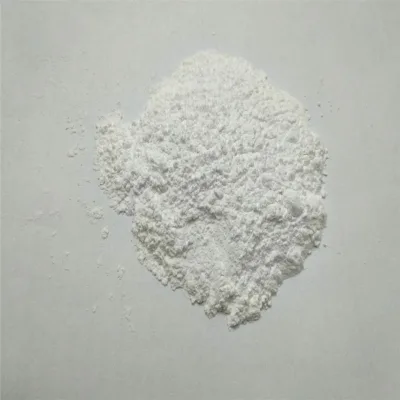
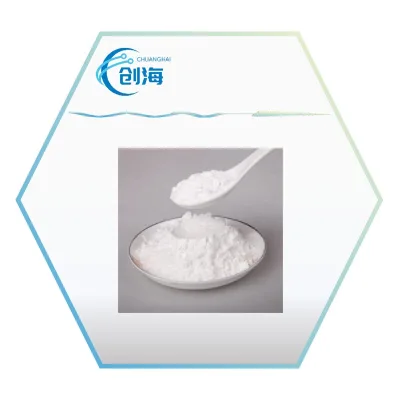
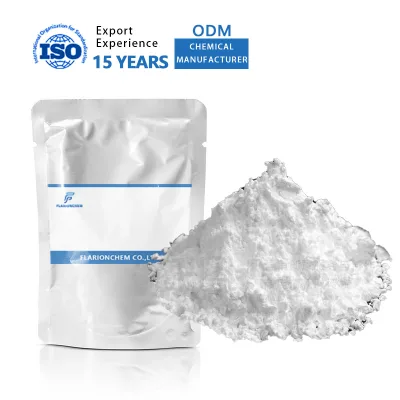
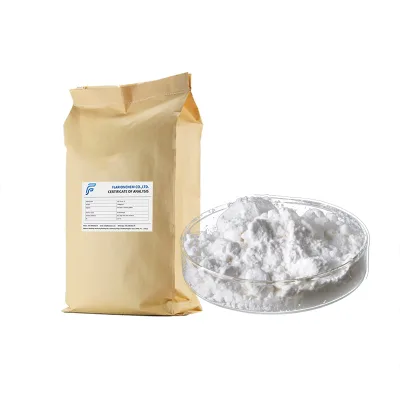
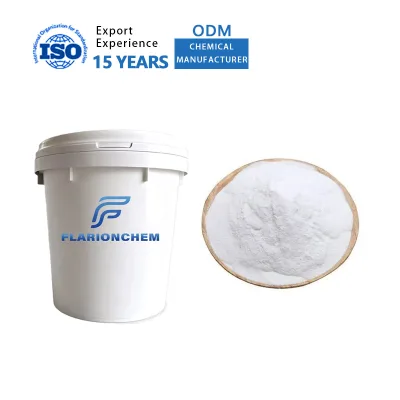
Decabromodiphenyl ethane (DBDPE) represents a specialized class of halogenated flame retardants designed to meet the rigorous demands of modern industrial applications. When sourcing a white flame retardant of this type, buyers must first distinguish between the generic chemical identity and the specific physical manifestations offered in the market. The core product is characterized by its appearance as a white powder, a critical visual indicator for quality control during receipt. The physical form is consistently observed as a powder, though some suppliers may offer variations in packing formats such as 25kg bags or paper bags depending on the specific model number.
Technical specifications for DBDPE are defined by precise chemical and physical parameters. The molecular formula is typically cited as C14H4Br10, with a molecular weight of approximately 971.21. The chemical identity is confirmed by CAS No. 84852-53-9 and Einecs No. 284-366-9. A defining characteristic of high-grade DBDPE is its bromine content, which typically ranges between 81% and 82%. This high bromine concentration is directly linked to its efficacy as a flame retardant additive. The product's thermal stability is another critical specification, with a minimum melting point observed at 340°C to 345°C. This thermal threshold ensures the material remains stable during high-temperature processing in plastics and resins.
Particle size distribution is another vital specification for processing efficiency. The D50 particle size is often specified as a maximum of 3 micrometers, ensuring excellent dispersion within polymer matrices. Whiteness is a key aesthetic and functional metric, with minimum values often set at 89. Purity levels are equally important, with observed specifications ranging from 81% minimum to 99% minimum depending on the grade. Free bromine content is strictly controlled, typically capped at a maximum of 10, and volatiles are kept to a maximum of 0.10 to prevent processing defects. The product is available in various model numbers, such as DBDPE, DovaFR DBDPE 520, and SVG58, each potentially tailored to specific application needs.
Regulatory Compliance and Certification Verification
Navigating the regulatory landscape for halogenated flame retardants requires meticulous attention to certification and compliance standards. Buyers must verify that the supplier can provide documentation confirming adherence to international safety and environmental regulations. The REACH regulation is a primary compliance benchmark, with specific product listings explicitly noting REACH certification. Other certifications observed in the market include Ccic, SGS, and CIQ, which serve as third-party validations of product quality and safety.
Environmental protection status is a significant consideration for modern procurement. The product is frequently marketed with an "Environmental Protection: Yes" attribute, suggesting compliance with evolving global standards regarding halogenated compounds. However, buyers should not assume universal compliance based on marketing claims alone. The specific classification of the material as a "Plastic Flame Retardant" or "Chemical Auxiliary Agent" dictates the regulatory framework applicable to its end-use. In sectors such as electronics and construction, additional local regulations may apply beyond the baseline REACH and ISO standards.
The supply chain must also demonstrate adherence to quality management systems. Standards such as ISO are frequently cited alongside product specifications, indicating a commitment to consistent manufacturing processes. When evaluating a supplier, buyers should request current certificates of analysis (CoA) and certificates of compliance (CoC) that specifically reference the product model and batch numbers. It is essential to verify that the certification covers the specific formulation being purchased, as different grades may have varying compliance statuses. The presence of a "Brand Name" such as "runte" or "dominant sea power" does not inherently guarantee compliance; rather, the documentation provided by the supplier is the definitive proof of regulatory adherence.
Cost Drivers and Pricing Dynamics
The pricing of white flame retardant DBDPE is influenced by a complex interplay of raw material costs, manufacturing complexity, and market demand. The observed price range in the market spans from 1 USD to 8700 USD, reflecting the diversity of product grades, packaging options, and order volumes. This wide variance suggests that unit pricing is highly dependent on the specific configuration of the purchase rather than a single fixed market rate.
Volume is a primary driver of cost efficiency. The Minimum Order Quantity (MOQ) varies significantly, ranging from 1 unit to 1000 units. Suppliers often offer "Small Orders: Accepted" to accommodate trial runs or small-scale production needs, but these may carry a higher per-unit cost compared to bulk purchases. Conversely, large-scale procurement can leverage economies of scale, potentially reducing the effective cost per kilogram. The standard packing of 25kg per bag is a common unit of measurement that influences logistics and handling costs.
Raw material costs, particularly the price of bromine, play a fundamental role in the final product price. The material composition lists "Bromine" as a key component, and fluctuations in the global bromine market can directly impact the cost of DBDPE. Additionally, the "Supply Ability" of the manufacturer, which can be as high as 100 tons per day, indicates the capacity to absorb demand shocks without significant price volatility. However, buyers should be aware that lead times and shipping costs, particularly for international orders from origins like China, can add substantial hidden costs to the base price.
Typical Applications and Industry Usage
The versatility of white flame retardant DBDPE makes it suitable for a broad spectrum of industrial applications. Its primary function is as a flame retardant additive, providing effective fire protection in various polymer systems. The product is specifically classified for use in plastic auxiliary agents, where it enhances the fire resistance of thermoplastics and thermosets without compromising mechanical properties.
Beyond plastics, the application scope extends to coating auxiliary agents, electronics chemicals, paper chemicals, rubber auxiliary agents, and textile auxiliary agents. In the electronics sector, DBDPE is valued for its ability to meet strict flammability standards in printed circuit boards and electronic housings. The material's stability at high temperatures makes it ideal for applications involving heat generation. In the textile and leather industries, it serves as an auxiliary agent to improve fire safety in fabrics and finished goods.
The product is also noted for its use in water treatment chemicals and surfactants, although this is less common than its role in plastics. The "Kind" of the product is explicitly defined as "Plastic Flame Retardant," highlighting its primary market segment. Buyers should match the specific model number to their application requirements; for instance, a high-efficiency flame retardant model may be required for demanding electronics applications, while a standard grade may suffice for general plastic molding. The "Feature" of being a "Long time material" suggests durability and long-term performance in end products, which is crucial for applications requiring extended service life.
Supplier Evaluation and Selection Criteria
Selecting a reliable supplier for DBDPE requires a rigorous evaluation process that goes beyond price comparison. Buyers should prioritize suppliers who demonstrate transparency in their product attributes and manufacturing capabilities. The origin of the product is a key factor, with China being a prominent place of origin for these materials. Specific regions, such as Shandong, China, are noted as production hubs, indicating a concentration of manufacturing expertise.
Supplier reliability is often indicated by their "Supply Ability," with some manufacturers claiming capacities of 100 tons per day. This capacity suggests the ability to fulfill large orders and maintain consistent supply chains. However, buyers must verify these claims through site audits or third-party assessments. The availability of customization is another critical factor; suppliers offering "Customization: Available" can tailor particle size, packing, or formulation to meet specific customer needs.
The "Brand Name" associated with the product, such as "runte" or "dominant sea power," can serve as an initial filter, but it should not be the sole criterion for selection. Buyers should evaluate the supplier's track record in providing accurate documentation, including CoAs and safety data sheets (SDS). The ability to accept small orders is a positive indicator of flexibility, but it should not come at the expense of quality control. Suppliers who offer "According to Your Requirement" packing options demonstrate a customer-centric approach that can streamline logistics.
Quality Control and Performance Verification
Ensuring the quality of DBDPE requires a robust quality control (QC) framework that spans from raw material intake to final product delivery. Buyers should insist on a comprehensive QC protocol that includes testing for the key specifications outlined in the product data. The "Particle Size(D50)" must be verified to ensure it does not exceed the 3 micrometer maximum, as this affects dispersion and processing. Similarly, the "Whiteness" must meet the minimum threshold of 89 to ensure aesthetic and functional consistency.
Chemical purity is paramount, with tests required to confirm that the "Content of Br" falls within the 81-82% range and that "Purity" meets the specified minimums. The "Melting Point" must be verified to ensure it meets the 340°C to 345°C minimum, guaranteeing thermal stability during processing. Free bromine and volatile content must be tested to ensure they remain within the specified maximums of 10 and 0.10, respectively, to prevent processing issues and ensure product safety.
Third-party testing by organizations like SGS, CIQ, or Ccic adds an additional layer of assurance. Buyers should request independent test reports that corroborate the supplier's internal QC data. The "Standard" of the product, whether ISO, SGS, CIQ, or REACH, should be clearly documented and traceable to specific batches. Regular audits of the supplier's production line and QC laboratory are recommended to ensure ongoing compliance with these standards.
Long-Term Procurement Considerations
Sourcing DBDPE is not merely a transactional activity but a strategic partnership that requires long-term planning. Buyers should consider the stability of the supply chain and the supplier's ability to adapt to changing market conditions. The "Environmental Protection" status of the product is a forward-looking consideration, as regulations regarding halogenated compounds may tighten over time. Selecting a supplier who is proactive in compliance and innovation can mitigate future risks.
The "Customization" capability of the supplier is a long-term asset, allowing for product adaptation as application requirements evolve. Buyers should also evaluate the supplier's logistics capabilities, including their ability to handle "25kg/Bag" or "Paper Bag" packaging efficiently. The "Small Orders: Accepted" policy is beneficial for initial market entry, but long-term contracts should focus on securing favorable terms for larger volumes.
Finally, buyers must maintain a continuous dialogue with suppliers regarding new developments in flame retardant technology. The "Advantage" of "Good Flame Retardant Effect" is a baseline expectation, but the industry is constantly evolving. Staying informed about new models, such as those with improved efficiency or environmental profiles, ensures that the procurement strategy remains competitive and compliant with future standards. By focusing on these long-term factors, buyers can build a resilient supply chain that supports their operational goals and regulatory obligations.
FAQs
What is the typical appearance of White Flame Retardant Decabromodiphenyl Ethane?
The product appears as a white powder with a minimum whiteness of 89. This physical form ensures easy dispersion in polymer matrices during processing.
Can buyers place small orders for this flame retardant additive?
Yes, small orders are accepted with a minimum order quantity ranging from 1 to 1000 units. This flexibility supports trial runs and small-scale production needs.
Which certifications verify the safety of White Flame Retardant Decabromodiphenyl Ethane?
Common certifications include REACH, Ccic, SGS, and CIQ. These documents confirm compliance with international safety and environmental regulations for the specific product grade.
How is the product typically packed for shipment?
Standard packing is 25kg per bag, available in paper or PP bag formats. Custom packaging requirements can also be accommodated by the supplier upon request.
What is the minimum melting point for this chemical auxiliary agent?
The minimum melting point is 340°C to 345°C, ensuring thermal stability during high-temperature processing. This property is critical for maintaining performance in plastics and resins.
Where is the origin of this white flame retardant material?
The product originates from China, with specific production hubs in Shandong. Buyers should verify the specific factory location for accurate logistics planning.