Source White Urolithin A Powder for Supplements, Skincare, and Research
Compare 30 listings for White Urolithin A Powder sourced from China. Options feature purities above 98%, various packaging sizes, and certifications like ISO and GMP. Suppliers offer customization and door-to-door shipping for adult and elderly applications; compare the available evidence and request quotations based on your requirements.
Key considerations
Products List


Slow Aging Healthcare 99% Pure Urolithin a Powder Urolithin a Powder Manufacturer
$1100.00 - $1150.00
MOQ: 5 kg


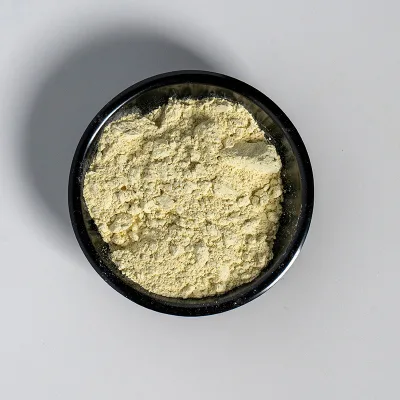
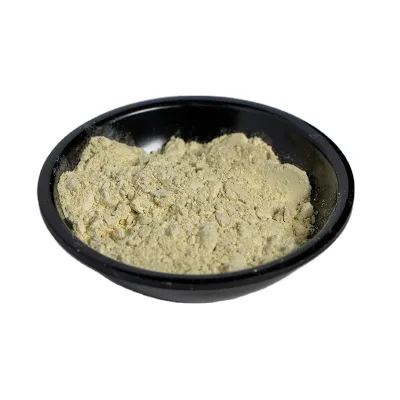
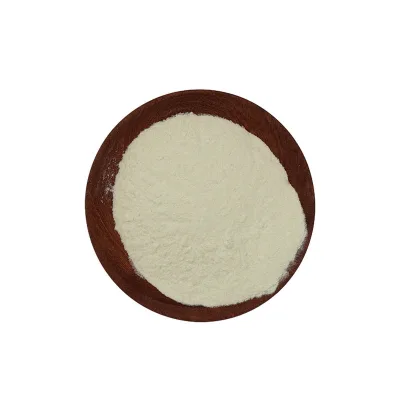


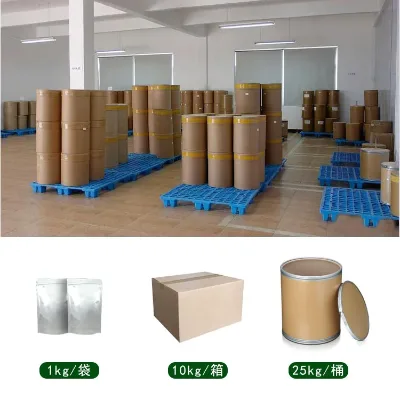
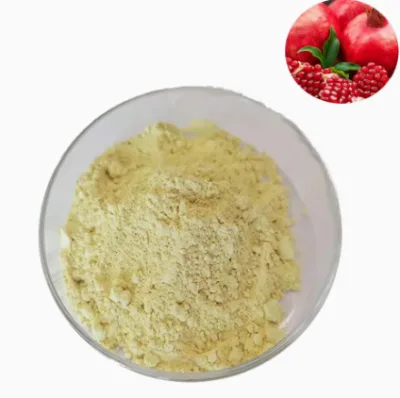
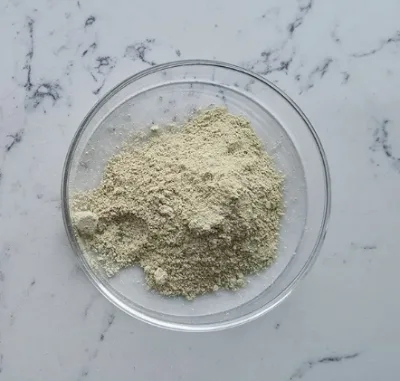
High Purity Raw Material Urolithin a Liposome Supplement Urolithin a Powder
$462.00 - $630.00
MOQ: 10 kilograms
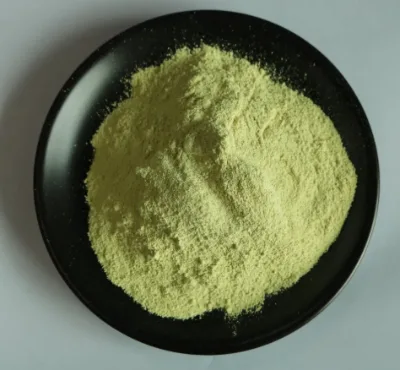
High Purity Low Price 98% Urolithin a Powder for Health Enhancement
$475.73 - $648.73
MOQ: 10 kilograms
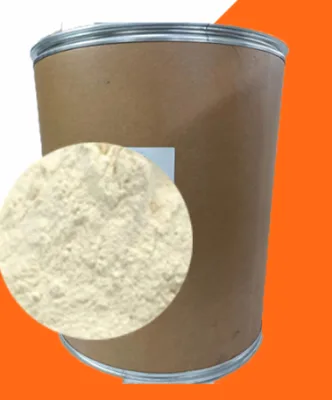
Comprehensive Sourcing Guide
White Urolithin A Powder Sourcing Guide
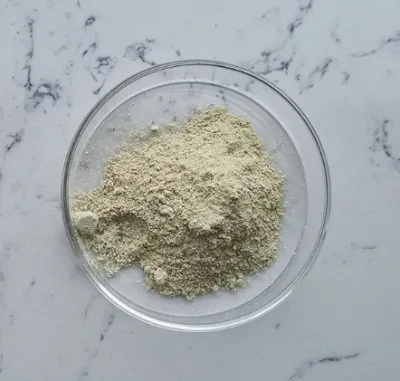
Procuring White Urolithin A Powder requires careful attention to the specific physical state and purity levels observed in current market listings. Buyers should verify that the product appears as a white powder, distinct from the light yellow variants also available, to ensure it meets specific formulation requirements. The observed market data indicates a wide range of purity claims, with some listings specifying content greater than 90% while others assert purity not less than 99%. This variance necessitates a rigorous review of the Certificate of Analysis (COA) before finalizing any purchase order to confirm the actual active substance content matches the buyer's technical specifications.
Commercial availability for this ingredient is generally robust, with many suppliers maintaining stock levels that allow for immediate shipment. The observed minimum order quantities (MOQ) vary significantly, ranging from small trial sizes of 10 grams to standard industrial drums of 25 kilograms. This flexibility allows buyers to test the material quality with minimal financial risk before committing to larger production runs. However, the presence of both customized and non-customized options suggests that buyers must clearly define their packaging and labeling needs early in the negotiation process to avoid delays in the supply chain.
Product Scope and Observed Listing Signals
The product scope for White Urolithin A Powder encompasses a solid state material primarily intended for adult consumption, though some listings extend suitability to children and the elderly. The chemical identity is consistently defined by the CAS number 1143-70-0 and the molecular formula C13H8O4, ensuring that the substance is chemically identical across different suppliers. Buyers must distinguish between products derived from natural resources and those utilizing chemosynthesis, as the source material can influence the final profile and regulatory acceptance in specific markets. The primary function observed in the market is anti-aging, with some specific grades also marketed for skin hydration, indicating diverse application potential within the health and beauty sectors.
Listing signals reveal that packaging formats are standardized yet flexible, typically utilizing cartons, drums, or aluminum foil bags depending on the order volume. Standard packaging often follows a 25kg per drum or 20kg per box configuration, while smaller trial packages are available in 1kg units. The physical form is consistently described as a powder, with particle size specifications sometimes requiring 100% pass through an 80 mesh screen. These physical attributes are critical for downstream processing, as the flowability and solubility of the powder will directly impact the efficiency of manufacturing processes in capsules, tablets, or topical formulations.
Technical Specifications to Verify
Verification of technical specifications must begin with the confirmation of the chemical name, 3,8-dihydroxy-urolithin, and the molecular weight of 228.2, which serves as a baseline for identity testing. Buyers should demand that the supplier provides detailed HPLC and MS data alongside the standard COA to validate the molecular structure and ensure no significant impurities are present. The observed purity levels in the market range from above 98% to not less than 99%, and the buyer must explicitly state their required threshold in the purchase agreement. Relying on general claims without specific analytical data can lead to batch failures, particularly when the ingredient is used in high-value pharmaceutical or premium cosmetic applications.
Storage and handling specifications are equally critical to maintaining the integrity of the White Urolithin A Powder throughout the supply chain. The product must be kept cool and dry to prevent degradation, and the observed storage method is listed as normal, implying standard ambient conditions if the environment is controlled. The physical state is solid, and the appearance is white, but buyers should verify that the powder does not clump or change color upon arrival, which could indicate moisture exposure. Additionally, the particle size specification of 100% passing 80 mesh should be confirmed for applications requiring uniform mixing, ensuring the material performs consistently in the final product.
Compliance and Safety Documentation
Compliance documentation is a non-negotiable aspect of sourcing White Urolithin A Powder, with suppliers expected to provide a comprehensive set of safety and quality records. Essential documents include the Certificate of Analysis (COA), Material Safety Data Sheet (MSDS), and High-Performance Liquid Chromatography (HPLC) reports. These documents verify the chemical identity, purity, and safety profile of the material, ensuring it meets the regulatory requirements of the destination market. The absence of any of these documents should be treated as a red flag, as they are the primary evidence of product quality and safety for regulatory bodies and internal quality assurance teams.
Certification status further validates the supplier's commitment to quality management systems and operational safety. The market data indicates that suppliers often hold ISO 9001, GMP, and SGS certifications, which demonstrate adherence to international standards for production and testing. Some listings also reference USP standards or specific grade classifications like Food Grade, which are crucial for ingredients intended for human consumption. Buyers must verify that these certifications are current and applicable to the specific batch being supplied, as certification status can vary between different manufacturing facilities or product lines within the same company.
Cost Drivers and Commercial Terms
Cost drivers for White Urolithin A Powder are influenced by the purity level, the source of the raw material, and the complexity of the packaging requirements. Higher purity grades, such as those exceeding 99%, typically command a premium price compared to standard grades around 98%. Additionally, the choice between natural and chemosynthesized resources can impact the final cost, as natural extraction processes often involve higher production expenses. Buyers should also consider the packaging format, as specialized small packages or custom labeling may incur additional fees compared to standard bulk drum shipments.
Commercial terms regarding payment and shipping are flexible but require clear definition to avoid disputes. Payment methods observed in the market include credit cards and bank transfers, offering various levels of security and convenience for different transaction sizes. Shipping options generally include door-to-door service via sea or air, allowing buyers to balance cost against urgency. The observed MOQ range from 1 to 100 units suggests that buyers can negotiate terms based on their volume needs, but they must clarify lead times and shipping costs upfront to ensure the total landed cost aligns with their budget constraints.
Supplier Qualification and Quality Control
Supplier qualification should focus on verifying the consistency of their production processes and their ability to maintain high-quality standards over time. Buyers must confirm that the supplier has a robust quality control system in place, evidenced by their possession of relevant certifications like ISO and GMP. It is essential to audit the supplier's ability to provide consistent batches that meet the specified purity and particle size requirements. The presence of a stock status indicating "in stock" is beneficial, but buyers should also inquire about the supplier's capacity to scale production if demand increases unexpectedly.
Quality control checks should extend beyond the initial sample to include ongoing batch verification and third-party testing. Buyers should establish a protocol for random sampling and independent testing of incoming shipments to ensure they match the provided COA. The supplier's willingness to provide additional documentation, such as EINECS numbers or specific test results for heavy metals and microbial content, is a strong indicator of their reliability. Establishing a clear communication channel for quality issues and defining the process for handling non-conforming batches is critical for maintaining a stable and trustworthy supply relationship.
Long-Term Procurement Checks
Long-term procurement checks involve monitoring the stability of the supply chain and the consistency of product quality over extended periods. Buyers should regularly review the supplier's performance against key metrics such as on-time delivery, adherence to specifications, and responsiveness to quality inquiries. The market shows that suppliers offer both customized and non-customized options, so buyers must ensure that any custom requirements remain consistent and do not drift over time. Regular audits and performance reviews help identify potential risks early, allowing for proactive management of the supply relationship.
Sustainability and regulatory compliance are also key factors for long-term success in sourcing White Urolithin A Powder. Buyers should verify that the supplier remains compliant with evolving regulations in their target markets, particularly regarding food and cosmetic ingredients. The supplier's ability to adapt to new standards, such as updated ISO certifications or changes in safety documentation requirements, is a vital indicator of their longevity. By maintaining a proactive approach to supplier management and staying informed about industry trends, buyers can secure a reliable supply of high-quality White Urolithin A Powder for their future needs.
FAQs
What is the purity level of White Urolithin A Powder?
The purity is typically not less than 99% or above 99%, with some grades exceeding 98%. This high concentration ensures effective performance in anti-aging applications. The product appears as a white or light yellow powder, suitable for adult use in various formulations requiring high-grade active substances.
How is urolithin a powder stored and shipped?
Store the powder in a cool and dry place to maintain stability. Shipping is available via door-to-door service by sea or air. The product is packed in cartons, drums, or aluminum foil bags, ensuring safe transport. Keep the solid state intact by avoiding moisture exposure during handling and storage.
Can urolithin a powder be customized for specific needs?
Yes, customization is available for certain product lines. Some options allow for non-customized standard packaging, while others support tailored requirements. The product is suitable for adults, children, and the elderly. Buyers can request specific packaging sizes, such as 1kg boxes or 25kg drums, to fit their operational needs.
What certifications are provided for urolithin a powder?
Products typically come with ISO, SGS, GMP, USP, and ISO HSE certifications. These documents, including COA, HPLC, and MSDS, verify quality and safety. The grade is often food grade, ensuring compliance with international standards. These certifications support regulatory requirements for dietary supplements and cosmetic ingredients in various markets.
What is the minimum order quantity for urolithin a?
The minimum order quantity varies, with some suppliers offering 10g samples and others requiring 1kg. General MOQ ranges from 1 to 100 units depending on the vendor. This flexibility allows buyers to test quality before committing to larger bulk orders. Payment can be made via credit card or bank transfer.
What are the chemical properties of urolithin a powder?
Urolithin a, also known as 3,8-dihydroxy-urolithin, has the molecular formula C13H8O4 and a molecular weight of 228.2. It is a solid powder with a particle size that passes 80 mesh. The CAS number is 1143-70-0, and it is often derived from natural resources for use in health and beauty products.