Source White Thermoplastic SBS Elastomer Rubber for Asphalt, Plastics, and Films
Compare 30 listings of White Thermoplastic SBS Elastomer Rubber suitable for asphalt modification, general plastics, and film applications. Buyers can evaluate grades like 3406 and MPR6236, along with varying MOQs and packing options from suppliers in Guangdong.
Key considerations
Products List


Chinese Factory Sbs Thermoplastic Elastomer Rubber for Waterproof Material
$1650.00 - $1750.00
MOQ: 1 Tons

Hot-Selling Thermoplastic Elastomer Rubber Sbs for Plastic Modification
$1650.00 - $1750.00
MOQ: 1 Tons


Factory Thermoplastic Elastomer Rubber Sbs for Adhesive&Plastic Modification
$1275.00 - $1500.00
MOQ: 1 Tons


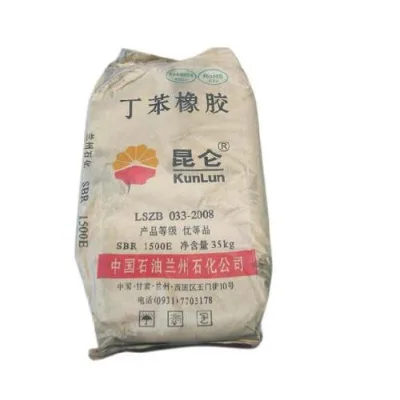
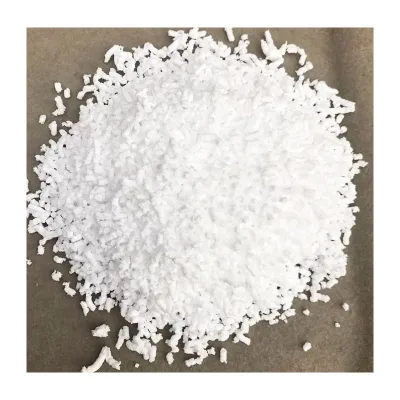
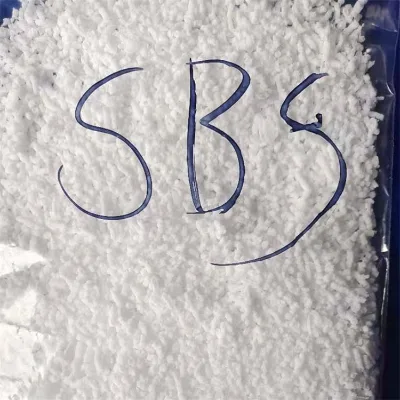

Comprehensive Sourcing Guide
Strategic Sourcing Guide for White Thermoplastic SBS Elastomer Rubber
Understanding Material Fundamentals and Chemical Composition
The procurement of white thermoplastic SBS (Styrene-Block Copolymers) elastomer rubber requires a precise understanding of its molecular architecture and physical characteristics. Based on available product data, this material is fundamentally classified as a carbon chain polymer, specifically a styrenic block copolymer. The chemical structure typically involves a di-block or multi-block arrangement where styrene and butadiene (or similar diene) segments are linked to create a thermoplastic elastomer. A critical observation for buyers is the specific styrene content, which in certain high-performance grades is documented at 40%. This ratio significantly influences the balance between the rigid, glassy properties of the styrene domains and the flexible, rubbery nature of the butadiene domains.
The physical form of the material is a primary selection criterion. Market listings indicate the material is available in various forms, including puffy particles, dense pellets, and general plastic particles. The appearance of "puffy particles" suggests a specific processing history or density characteristic that may affect feeding mechanisms in extrusion or injection molding equipment. Conversely, "dense pellets" offer higher bulk density, which can improve logistics efficiency and handling in automated systems. Buyers must verify the exact physical form required for their specific manufacturing line, as the flow characteristics of puffy particles differ markedly from those of dense pellets. The material is consistently identified as a synthetic rubber, confirming its origin as a man-made polymer designed to mimic the elasticity of natural rubber while retaining the processability of thermoplastics.
Technical Specifications and Performance Attributes
When evaluating technical specifications, the grade of the polymer is a decisive factor. The supply chain data highlights specific grades such as 3406, 3401, and Mpr6236, alongside model numbers like B SBS 001 and SBS-#2145. These alphanumeric codes often denote variations in molecular weight, block ratio, and additive packages. For instance, the grade 3406 is associated with asphalt modification, suggesting a formulation optimized for high-temperature stability and adhesion properties. In contrast, grades like Mpr6236 and 3401 are linked to plastic modification and general plastics applications, indicating a focus on mechanical reinforcement and impact resistance.
A key performance attribute observed is the feature set of "Low Molecular" weight combined with "Good Melt Fluidity." This combination is essential for processing applications that require rapid filling of molds or thin-walled extrusion profiles. Low molecular weight polymers generally exhibit lower viscosity, facilitating easier flow but potentially sacrificing some tensile strength. Buyers must balance this fluidity against the mechanical requirements of the final product. Additionally, the di-block content is a critical specification, with some listings noting a value of 66%. This high di-block content implies a specific microstructure that enhances the elastomeric recovery and tensile strength of the material.
The thermal properties are equally vital. The material is classified as a thermoplastic plastic, meaning it can be melted and re-solidified multiple times without significant degradation of its chemical structure. This property supports the usage of standard plastic forming methods, including injection molding, extrusion, and blow molding. However, the specific forming method chosen will dictate the processing parameters. For example, injection molding requires precise control of melt temperature and pressure, while extrusion demands consistent flow rates to maintain profile dimensions. The material's ability to be processed via film pressure methods further expands its utility in packaging and thin-film applications.
Compliance, Certification, and Regulatory Verification
Navigating the compliance landscape for thermoplastic elastomers involves rigorous verification of standards and certifications. The provided data references the SGS standard, which is a globally recognized inspection, verification, testing, and certification company. While the presence of an SGS reference suggests that testing protocols exist, buyers must confirm the specific scope of the certification. Does the SGS report cover the raw material purity, the absence of hazardous substances, or the mechanical performance of the final molded part? Relying on a generic "SGS" label without specific test reports can lead to compliance gaps, particularly in industries with strict regulatory requirements such as automotive or medical devices.
Certification availability is listed as a general attribute, but the specific type of certification is not detailed in the source data. Buyers should explicitly request documentation regarding REACH, RoHS, or other regional compliance standards depending on the target market. The origin of the product, noted as Guangdong, China, places the material within a major manufacturing hub, but it also necessitates a thorough supply chain audit. Origin verification is crucial for ensuring that the production facilities adhere to international quality management systems. Furthermore, the customization availability indicates that suppliers may offer tailored formulations, but this introduces a variable in compliance. Customized batches must undergo the same rigorous testing as standard grades to ensure they meet the required safety and performance benchmarks.
Cost Drivers and Procurement Economics
The economic landscape for sourcing White Thermoplastic SBS Elastomer Rubber is characterized by a wide variance in pricing and minimum order quantities (MOQ). The observed price range spans from $0.68 to $3,000, a disparity that reflects the difference between raw material commodity pricing and finished, specialized compounded products. A price of $0.68 likely represents a bulk commodity rate for raw granules, whereas the $3,000 figure may correspond to a small batch of a highly specialized, custom-formulated grade or a complete production run with specific packaging requirements. Buyers must contextualize these figures against the specific grade and quantity required.
MOQ flexibility is a significant factor in procurement strategy. The data indicates MOQs ranging from 1 kg to 25 kg, with some listings suggesting a standard of 25 kg per bag. This range accommodates both prototyping and full-scale production. For small-scale operations or R&D departments, the ability to order 1 kg or 25 kg is essential for minimizing inventory costs. However, for large-scale manufacturing, the 25 kg bag format is standard, and buyers should negotiate based on volume to achieve better unit economics. The packing specifications, such as 25 kg/bag or 20 kg/bag, and dimensions like 65.00 cm * 40.00 cm * 15.00 cm, directly impact logistics costs. Buyers should calculate the total landed cost, including freight and handling, as the bulk density and packaging dimensions will influence container utilization rates.
Typical Applications and Industry Usage
The versatility of White Thermoplastic SBS Elastomer Rubber is evident in its diverse application profile. The primary usage categories identified include asphalt modification, plastic modification, and general plastics. In the asphalt modification sector, the material is used to enhance the elasticity and durability of road surfaces, particularly in regions with extreme temperature fluctuations. The specific grade 3406 is highlighted for this application, suggesting a formulation designed to withstand high shear and thermal stress.
For the plastics industry, the material serves as a modifier for engineering plastics and specialty plastics. By blending SBS with rigid polymers like polypropylene or polystyrene, manufacturers can improve impact resistance and flexibility without significantly compromising processability. The "General Plastics" application covers a broad spectrum of consumer goods, from soft-touch handles to flexible packaging. The ability to process the material via injection, extrusion, and blow molding makes it suitable for a wide array of product geometries. Additionally, the "Biodegradable" feature mentioned in the data points to emerging applications in sustainable product design, although buyers must verify the specific degradation conditions and standards associated with this claim.
Supplier Evaluation and Quality Control Protocols
Selecting a reliable supplier for thermoplastic elastomers requires a multi-faceted evaluation process. The brand names "Sysh" and "QT" appear in the data, but buyers should not rely solely on brand recognition. Instead, focus on the supplier's ability to provide consistent quality and technical support. The "Customization: Available" attribute suggests that suppliers are willing to collaborate on formulation development, which is a positive indicator of technical capability. However, this also requires a robust quality control framework to ensure that custom batches meet the agreed-upon specifications.
Quality control should begin with the verification of raw material certificates. Buyers must request batch-specific test reports that confirm the molecular weight distribution, styrene content, and di-block percentage. The "Appearance" attributes, such as "Puffy Particles" or "Dense Pellets," should be visually verified against the sample provided. Any deviation in color, particle size, or contamination can indicate processing issues or storage problems. The "Delivery Time" of 7-10 workdays is a standard lead time, but buyers should confirm this against current market conditions and the supplier's capacity. Consistent lead times are critical for maintaining production schedules, especially for just-in-time manufacturing environments.
Long-Term Procurement and Supply Chain Resilience
Long-term procurement strategies for White Thermoplastic SBS Elastomer Rubber must account for supply chain resilience and market volatility. The origin of the product, Guangdong, China, places it in a region with a mature polymer industry, but geopolitical factors and logistics disruptions can impact availability. Buyers should consider diversifying their supplier base to mitigate risks. The "Small Orders: Accepted" attribute is beneficial for maintaining a relationship with suppliers during periods of low demand, allowing for flexibility in ordering patterns.
Sustainability is becoming an increasingly important factor in long-term procurement. The mention of "Biodegradable" features suggests a shift towards more environmentally friendly materials. Buyers should investigate the lifecycle of the product, including end-of-life disposal options and the availability of recycled SBS content. Furthermore, the "Plastic Properties After Heated" classification as thermoplastic plastics supports a circular economy model, as the material can be reprocessed and reused. However, the degradation of properties after multiple heating cycles must be evaluated to ensure that recycled content meets the performance requirements of the final application.
Comparative Analysis of Material Grades
To facilitate decision-making, the following table summarizes the key distinctions between the observed grades and their primary applications based on the provided data.
| Product Model | Grade | Primary Usage | Appearance | Key Feature |
|---|---|---|---|---|
| 3406 | 3406 | Asphalt Modification | Puffy Particles | Low Molecular; Good Melt Fluidity |
| Mpr6236 | Mpr6236 | Plastic Modification | Dense Pellets | High Di-Block Content (66%) |
| 3401 | 3401 | General Plastics | Pellet | Thermoplastic Properties |
| B SBS 001 | SBS | General Plastics | Plastic Particles | Biodegradable |
| SBS-#2145 | SBS | Specialty Plastics | Pellet | Injection/Extrusion Compatible |
This comparison highlights that while all listed products fall under the SBS category, their specific formulations dictate their suitability for different applications. The 3406 grade is distinctively suited for asphalt, while the Mpr6236 and 3401 grades are optimized for plastic modification and general use. Buyers must align their application requirements with the specific grade characteristics to ensure optimal performance.
Conclusion
Sourcing White Thermoplastic SBS Elastomer Rubber involves a careful balance of technical specifications, compliance verification, and economic considerations. The material offers significant versatility, from asphalt modification to general plastic applications, driven by its unique block copolymer structure. Buyers must navigate the wide range of grades, packaging options, and supplier capabilities to find the right fit for their needs. By focusing on verified data, rigorous quality control, and long-term supply chain strategies, procurement professionals can secure a reliable supply of high-performance elastomers that meet both current and future manufacturing demands. The availability of customization and small order options further enhances the flexibility of the supply chain, allowing for agile responses to market changes and evolving product requirements.
FAQs
What is the primary chemical structure of White Thermoplastic SBS Elastomer Rubber?
The material is a carbon chain polymer specifically classified as a styrenic block copolymer. It typically features a di-block content of 66% and a styrene content of 40% to balance elasticity and rigidity.
Which physical forms are available for this synthetic rubber material?
The product appears as puffy particles, dense pellets, or general plastic particles. These forms influence feeding mechanisms, with dense pellets offering higher bulk density for automated systems.
Can this material be used for asphalt modification applications?
Yes, specific grades like 3406 are designed for asphalt modification to enhance durability. Other grades such as Mpr6236 are optimized for plastic modification in engineering and specialty plastics.
What are the standard packaging dimensions and weights for this product?
Products are commonly packed in 25kg bags or 20kg bags. Packaging dimensions can reach 65.00 cm by 40.00 cm by 15.00 cm, affecting logistics and container utilization rates.
How does the material perform when heated during processing?
The material is classified as a thermoplastic plastic, allowing it to be melted and re-solidified multiple times. It supports forming methods like injection, extrusion, and blow molding without significant degradation.
What certifications and standards are associated with this elastomer rubber?
The product references the SGS standard and lists certification availability. Buyers should verify specific test reports for purity or mechanical performance to ensure compliance with industry regulations.
What is the typical minimum order quantity for this synthetic rubber?
Minimum order quantities range from 1kg to 25kg depending on the supplier and grade. Some listings accept small orders, while standard bulk packaging often starts at 25kg per bag.
Where are the primary manufacturing origins for this white thermoplastic material?
The product origin is listed as Guangdong, China, a major manufacturing hub. Buyers should verify production facilities to ensure adherence to international quality management systems.