Source White Wall Electrical Socket for Home, Hotel, and Hospital
Compare 30 White Wall Electrical Socket options from verified Chinese manufacturers. Buyers can evaluate specifications like IP ratings, voltage, and customization services for residential, commercial, and industrial applications.
Key considerations
Products List


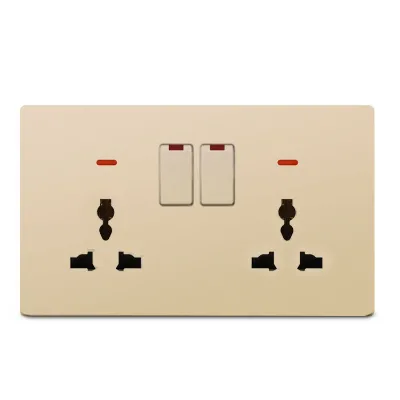


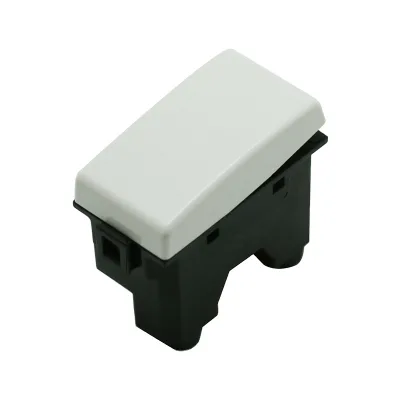
Comprehensive Sourcing Guide
Strategic Sourcing Guide for White Wall Electrical Sockets
Navigating the global market for white wall electrical sockets requires a disciplined approach that balances aesthetic consistency with rigorous technical compliance. For procurement professionals, the term "White Wall Electrical Socket" encompasses a diverse range of products, from basic residential units to specialized industrial configurations. The supply chain for these components is heavily concentrated in specific manufacturing hubs, yet the technical specifications vary significantly based on the intended application. This guide outlines the critical factors buyers must evaluate to ensure a successful sourcing strategy, focusing on verified product attributes, compliance frameworks, and cost structures derived from current market data.
Technical Specifications and Product Attributes
When evaluating white wall electrical sockets, the first step is to define the precise technical requirements. The market offers a wide spectrum of configurations, and assuming uniformity can lead to procurement errors. A primary observation in the current supply landscape is the variation in shell materials. While many standard units utilize plastic, a significant segment of high-performance or industrial-grade sockets features an Aluminum Alloy shell. This material choice offers superior durability and heat dissipation, making it suitable for environments with high electrical loads or harsh conditions. Buyers must explicitly verify the shell material specification, as the visual appearance of "white" can be achieved through various base materials and surface treatments.
The electrical architecture of these sockets is equally critical. Data indicates that products are available with varying numbers of holes, including porous configurations designed for specific plug types. The grounding mechanism is another key differentiator; while standard grounding is common, some specialized units may lack this feature or utilize alternative grounding schemes. The rated current is a fundamental parameter, with observed specifications reaching up to 16A for standard residential and commercial units. However, buyers must confirm the maximum voltage rating, which typically falls within the 220-250V range for general-purpose applications.
Switching mechanisms also present a complex array of options. The market includes units with no switch, single-pole on-off switches, and double-control switch configurations. Some advanced models incorporate capacitive principles for control buttons, offering a modern touch interface. The mechanical life of the switch is a vital longevity metric, with verified data points showing a mechanical life of up to 40,000 operations. This figure should be compared against the projected usage frequency of the installation site. Furthermore, the wiring configuration, such as single live line setups, must align with the local electrical infrastructure and the specific wiring diagrams provided by the end-user.
Compliance and Certification Verification
Compliance is the backbone of any electrical procurement strategy. In the context of white wall electrical sockets, certifications serve as the primary evidence of safety and quality. The supply chain data highlights several key certifications that buyers should look for. CE marking is a ubiquitous requirement, indicating conformity with health, safety, and environmental protection standards for products sold within the European Economic Area. Additionally, IEC standards are frequently cited, ensuring that the product meets international electrotechnical commission guidelines.
For markets in the Middle East, Saso certification is a critical requirement. Procurement teams must verify that the supplier holds valid Saso certificates before proceeding with orders destined for Saudi Arabia or related regions. The absence of these specific certifications can result in customs delays, product rejection, or legal liabilities. While some background knowledge suggests standards like EN 60669-1, buyers should rely on the explicit certification claims provided by the supplier rather than assuming compliance based on general industry knowledge.
The physical dimensions of the socket are also part of the compliance picture, particularly regarding installation standards. Standard sizes observed in the market include 86x86mm, which is a common faceplate dimension in many regions. Other dimensions, such as 118x72.5mm or 49.5x31.5mm, indicate specialized or compact designs. Buyers must ensure that the selected product matches the local mounting box standards to avoid installation failures. The standard BS1363 is another specific reference point for UK-style plugs, and products claiming compliance with this standard must be verified against the specific plug configuration required.
Cost Drivers and Pricing Structures
Understanding the cost structure of white wall electrical sockets is essential for budgeting and negotiation. The observed price range in the market spans from $0.10 to $5.50 USD. This wide variance is driven by several factors, including the complexity of the design, the quality of raw materials, and the level of customization required. Units with aluminum alloy shells and advanced features like capacitive switches or double-control mechanisms naturally command higher prices than basic ordinary sockets with standard plastic shells.
Minimum Order Quantity (MOQ) is another significant cost driver. The market data shows an MOQ range from 100 to 50,000 units. Lower MOQs, such as 100 units, are typically associated with custom orders or smaller batches, often resulting in a higher unit cost due to setup fees. Conversely, larger orders at the 50,000-unit level benefit from economies of scale, significantly reducing the per-unit price. Buyers should align their order volume with their inventory needs to optimize the cost per unit.
Customization is a major factor influencing the final price. Many suppliers offer OEM and ODM services, allowing buyers to customize the logo, color, and packaging. While the base product may be available at a low cost, adding custom branding or specific packaging requirements, such as carton-to-plywood case transitions, will increase the overall expense. The "Cheap Price High Quality" advantage mentioned in some product listings suggests a competitive market, but buyers must scrutinize the trade-off between price and the durability of components like the 100% copper accessories, which are critical for long-term performance.
Typical Applications and Usage Scenarios
The application of white wall electrical sockets varies widely across different sectors. Residential and general-purpose applications represent a large segment of the market, where the focus is on safety, aesthetics, and ease of use. These units are typically designed for home, apartment, and villa environments. In these settings, the color white is preferred for its ability to blend seamlessly with interior design schemes.
Commercial and industrial applications demand higher durability and specific electrical ratings. Products listed for commercial use often feature robust construction and may include USB sockets for modern device charging. Industrial applications require sockets that can withstand harsh environments, often necessitating the aluminum alloy shells and higher mechanical life ratings observed in the data. Hospitals and healthcare facilities have stringent requirements for electrical safety and reliability, making certifications like CE and IEC mandatory.
The versatility of these products is further highlighted by their use in hotels, lighting systems, and electronics. Some units are specifically designed for control buttons and switches, integrating into lighting control systems. The "Flat" feature mentioned in product attributes suggests a modern, low-profile design suitable for contemporary architectural styles. Buyers must match the product's application rating to the specific environment to ensure safety and compliance. For instance, a socket rated for residential use may not be suitable for an industrial setting with high vibration or dust levels.
Supplier Evaluation and Service Capabilities
Selecting the right supplier is as important as selecting the right product. The supply chain for white wall electrical sockets is dominated by manufacturers located in China, specifically in regions like Zhejiang and Wenzhou. These hubs are known for their extensive manufacturing capabilities and established supply chains. However, the concentration of suppliers in these areas requires careful vetting to ensure reliability and quality consistency.
Service capabilities are a key differentiator among suppliers. Many manufacturers explicitly state that OEM and ODM services are accepted, offering flexibility for buyers who need custom branding or specific product modifications. The ability to customize the logo and packaging is a common service offering. Buyers should evaluate the supplier's capacity to handle large-scale orders, given the high MOQs observed in the market. The "Fast Deliver Time" advantage noted in some listings is a critical factor for projects with tight deadlines, but this claim should be verified through direct communication and past performance references.
Quality control is another essential aspect of supplier evaluation. Suppliers offering products with 25-year guarantees demonstrate confidence in their manufacturing processes. However, buyers should not rely solely on marketing claims. Instead, they should request detailed quality assurance documentation, including test reports and production process audits. The use of 100% copper accessories is a specific quality indicator that should be verified through sample testing. Additionally, the packaging standards, ranging from simple cartons to plywood cases, should be assessed to ensure the products arrive without damage.
Quality Control and Long-Term Procurement Considerations
Implementing a robust quality control (QC) strategy is vital for mitigating risks in electrical socket procurement. Given the safety-critical nature of these products, buyers should establish clear acceptance criteria based on the observed specifications. Key QC checkpoints include verifying the shell material, checking the grounding integrity, and testing the mechanical life of the switches. The observed mechanical life of 40,000 times serves as a benchmark, but buyers should consider the specific usage patterns of their end-users to determine if this threshold is sufficient.
Long-term procurement considerations involve building a sustainable relationship with suppliers. The availability of customization services and the flexibility in packaging suggest that suppliers are willing to adapt to buyer needs. However, maintaining consistent quality over time requires regular audits and performance reviews. Buyers should also consider the total cost of ownership, which includes not just the purchase price but also installation costs, maintenance, and potential replacement costs. Products with higher initial costs, such as those with aluminum shells or advanced switching mechanisms, may offer better long-term value due to their durability and reduced failure rates.
The packaging and logistics aspect cannot be overlooked. The observed packaging standards, including carton and plywood case options, play a crucial role in protecting the products during transit. Buyers should ensure that the packaging is robust enough to withstand the rigors of shipping, especially for international orders. The "10pcs/box; 100pcs/caton" standard provides a clear unit structure for inventory management, but buyers should confirm that this aligns with their storage and handling capabilities.
In conclusion, sourcing white wall electrical sockets requires a comprehensive understanding of technical specifications, compliance requirements, and market dynamics. By focusing on verified product attributes and maintaining a disciplined approach to supplier evaluation, buyers can secure high-quality products that meet their specific needs. The diverse range of options available, from basic residential units to specialized industrial sockets, offers significant opportunities for customization and optimization. However, the complexity of the market demands careful attention to detail, particularly regarding certifications, material quality, and long-term performance guarantees.
FAQs
What certifications are required for white wall electrical sockets?
CE marking is a ubiquitous requirement, and IEC standards are frequently cited for international compliance. For Middle Eastern markets, Saso certification is critical to avoid customs delays. Buyers must verify these specific certificates rather than assuming general industry compliance.
Which shell materials are available for white wall electrical sockets?
While many standard units utilize plastic, a significant segment features an Aluminum Alloy shell for superior durability. This material choice offers better heat dissipation, making it suitable for environments with high electrical loads or harsh industrial conditions.
How does the MOQ affect the unit price of white wall electrical sockets?
The market shows an MOQ range from 100 to 50,000 units, directly impacting cost. Lower MOQs like 100 units often result in higher per-unit costs due to setup fees, while larger orders at 50,000 units benefit from economies of scale.
Can white wall electrical sockets be customized for branding and packaging?
Yes, OEM and ODM services are accepted, allowing for logo and packaging customization. Suppliers offer options ranging from simple cartons to plywood cases, though adding custom branding or specific packaging requirements will increase the overall expense.
What is the typical mechanical life of switches in white wall electrical sockets?
Verified data points show a mechanical life of up to 40,000 operations for standard units. Buyers should compare this figure against the projected usage frequency of the installation site to ensure the switch meets longevity requirements.
Where are the primary manufacturing hubs for white wall electrical sockets located?
The supply chain is dominated by manufacturers located in China, specifically in Zhejiang and Wenzhou regions. These hubs are known for extensive manufacturing capabilities, but buyers must vet suppliers carefully to ensure reliability and quality consistency.