Source White Synthetic Moissanite for Jewelry Setting, Decoration, and Collection
Find 28 listings for White Synthetic Moissanite with varying sizes, cuts, and origins. Buyers can compare round, square, and trillion options from manufacturers in China to suit jewelry setting, decoration, and collection needs.
Key considerations
Products List


1carat Moissanite Price 5.5X5.5mm Square Shape Princess Cut Clear White Loose Moissanite
$13.00 - $18.00
MOQ: 10 Pieces


Factory Hot Sale Moissanite 5X5mm Princess Cut D Color Synthetic Moissanite
$10.00 - $16.00
MOQ: 2 Pieces


China Wholesale Fashion Jewelry Oval Crushed Ice Cut Synthetic Moissanite
$45.80 - $46.50
MOQ: 1 carat


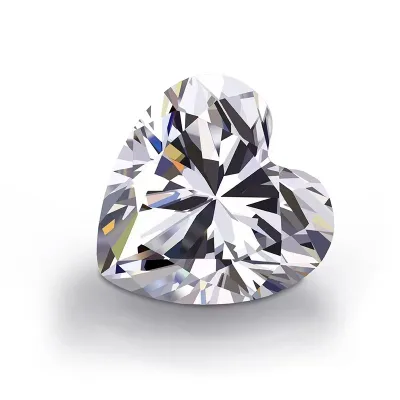
Comprehensive Sourcing Guide
Strategic Sourcing Guide for White Synthetic Moissanite
The global demand for high-performance synthetic gemstones has surged, with White Synthetic Moissanite emerging as a premier alternative to traditional diamonds in the B2B jewelry and decorative sectors. Sourcing this material requires a disciplined approach that distinguishes between marketing terminology and verifiable physical properties. Buyers must navigate a complex landscape of grades, cuts, and origins to ensure supply chain integrity. This guide provides a comprehensive framework for evaluating White Synthetic Moissanite, focusing on technical specifications, supplier verification, and quality assurance protocols based on observable market data and industry standards.
Technical Specifications and Material Properties
Understanding the precise technical attributes of White Synthetic Moissanite is the first step in any procurement strategy. The material is defined by its chemical composition, typically silicon carbide, which grants it exceptional physical characteristics. A critical observation in the current market is the variation in hardness ratings. While some product listings cite a hardness of 9.25, which aligns with the known properties of moissanite, buyers must verify this against independent laboratory reports, as this metric is a primary indicator of durability for jewelry settings.
The optical properties are equally significant. The "white" designation often refers to a specific color grade, such as G, which indicates a near-colorless appearance. However, market data reveals a spectrum of color descriptions ranging from "Clear White" to "Def" (potentially indicating a defect or a specific trade classification). Buyers should not assume uniformity in color grade across all suppliers. The cutting style further influences the final product's value and appearance. Common cuts observed in the supply chain include the Round VVS Brilliant Cut, Square Princess Cut, and Round Brilliant Cut. Each cut serves a different aesthetic purpose; for instance, the Round VVS Brilliant Cut is often preferred for its superior light return, while the Square Princess Cut offers a modern, geometric appeal.
Size specifications vary widely, with common dimensions including 3.5mm, 3.5x3.5mm, 6.5mm, 7.00mm, and 7x9mm. The shape is not limited to round forms; square and other shapes like word or custom designs are available. When sourcing, procurement teams must specify the exact size and shape tolerance required, as a deviation of even 0.1mm can impact the fit in pre-designed jewelry settings. The standard for quality is often denoted as "AAAAA" or "High," but these are subjective market terms. Buyers should correlate these labels with specific optical clarity metrics, such as VVS (Very, Very Slightly Included), to ensure the material meets the intended application's visual standards.
Compliance, Certification, and Origin Verification
In the B2B sector, the origin of the gemstone is a critical compliance factor. The majority of White Synthetic Moissanite currently available originates from Wuzhou, China, a hub known for its extensive production of synthetic stones. While this location is a legitimate manufacturing center, it necessitates rigorous due diligence regarding labor practices and environmental regulations. Buyers must verify that the supplier adheres to international labor standards and that the "Made in China" or "Cn" origin labels are accompanied by valid export documentation.
Certification is another area requiring careful scrutiny. Unlike natural diamonds, which are graded by established bodies like the GIA, synthetic moissanite grading can vary by manufacturer. Some listings reference a "prod_standard" of "1.00mm" or "7x9mm," which appears to be a confusion between size and standard. Buyers must demand that suppliers provide certificates of authenticity that clearly distinguish between the material type (Lab Created) and the specific grading criteria used. The term "Lab Created" is a factual description of the production method, but it does not inherently guarantee a specific quality level without supporting documentation.
Compliance also extends to the packaging and labeling standards. Product listings indicate packing methods ranging from "Individual Packing" to "Box Carton," with some suppliers offering "According Customer Request" options. For high-value shipments, the packaging must protect the stones from physical damage and contamination. Furthermore, any claims regarding the material being "Customized" or accepting "Custom Orders" must be backed by the supplier's ability to maintain consistency across batch productions. Buyers should require a sample of the actual packaging and labeling to ensure it meets their brand's compliance requirements before committing to a large order.
Cost Drivers and Pricing Dynamics
The pricing of White Synthetic Moissanite is influenced by a complex interplay of factors, including size, cut complexity, color grade, and order volume. The observed price range in the market spans from $0.99 to $650 USD, a vast disparity that reflects the difference between small, standard-cut stones and large, high-clarity, custom-faceted pieces. The Minimum Order Quantity (MOQ) is another significant cost driver, with observed ranges from 1 piece to 50 pieces.
For buyers seeking to minimize initial capital expenditure, suppliers offering an MOQ of 1 piece are advantageous for sampling and prototyping. However, for bulk production, negotiating a lower unit price based on a higher volume is essential. The "Brand Name" associated with the product, such as "Starsgem," can also influence pricing, as established brands often command a premium for perceived reliability and consistent quality. However, buyers should be cautious not to conflate brand reputation with objective quality metrics.
Other cost drivers include the cutting precision and the specific color grade. A "G" color grade or "Clear White" designation typically commands a higher price than stones described simply as "Def" or those with lower clarity ratings. The "AAAAA" quality standard, while marketing-heavy, often correlates with higher production costs due to the stricter selection criteria required to achieve such a rating. Buyers must analyze the price per carat or per piece relative to the specific attributes of the stone, rather than relying on the total price tag. Understanding these variables allows procurement teams to build accurate cost models and negotiate effectively with suppliers.
Typical Applications and Market Segmentation
White Synthetic Moissanite is versatile, finding applications across multiple sectors of the jewelry and decorative industries. The primary use case is "Jewelry Setting," where the stone's hardness and brilliance make it an ideal substitute for diamonds in engagement rings, earrings, and pendants. The "Simple" and "European and American" styles observed in the market suggest a broad appeal to both minimalist and traditional design aesthetics.
Beyond jewelry, the material is utilized for "Decoration and Collection," catering to hobbyists and interior designers who value the aesthetic appeal of high-quality gemstones. The "Anniversary, Gift, Wedding, Party" applications highlight the stone's role in the gifting economy, where emotional value and visual impact are paramount. The "Unisex" suitability of the product expands the potential market, allowing for designs that appeal to a wider demographic.
The "Moissanite Jewelry Making" application is particularly relevant for manufacturers who produce their own settings. These buyers require consistent sizing and color to ensure that their final products meet quality expectations. The availability of various shapes, including "Oval, Marquise, Emerald, Cushion," allows for diverse design possibilities. Buyers should align their procurement strategy with their specific application needs; for instance, a manufacturer of custom engagement rings will prioritize clarity and cut precision, while a decorator might focus more on size and color consistency.
Supplier Evaluation and Quality Control Protocols
Evaluating suppliers requires a multi-faceted approach that goes beyond checking basic product listings. Buyers should assess the supplier's capability for "Customization" and "Custom Orders," as this indicates flexibility and technical competence. A supplier that can accommodate specific requests for "prod_packing" or unique "prod_model" numbers demonstrates a higher level of operational maturity. The "Starsgem" brand and similar entities should be vetted for their track record in delivering consistent quality across different batches.
Quality control is paramount in the synthetic gemstone industry. Buyers must implement a rigorous inspection process that includes verifying the "Gemstone Type" as "Lab Created" and checking the "Hardness" claims. Visual inspection for inclusions, color uniformity, and cut symmetry is essential. The "Cutting" process, whether "Round VVS Brilliant Cut" or "Square Princess Cut," must be examined under magnification to ensure there are no visible flaws that detract from the stone's brilliance.
Suppliers should be required to provide detailed specifications for each batch, including the exact "Size," "Color Grade," and "Shape." The discrepancy between "Round" and "Square" shapes in some listings underscores the need for precise communication. Buyers should establish a clear quality acceptance criteria document that defines the acceptable range for color, clarity, and size. Regular audits of the supplier's production facility, if possible, can provide additional assurance of quality control measures.
Long-Term Procurement Considerations and Sustainability
Sourcing White Synthetic Moissanite is not just a transactional activity but a long-term strategic partnership. Buyers must consider the sustainability of the supply chain, including the environmental impact of the manufacturing process in Wuzhou, China. While synthetic stones are generally more environmentally friendly than mined diamonds, the energy consumption and waste management practices of the specific supplier are critical factors.
Long-term procurement also involves building a resilient supply chain. Relying on a single supplier for "Custom Orders" or specific "prod_model" numbers can create vulnerabilities. Diversifying the supplier base ensures continuity of supply in the event of disruptions. The ability of suppliers to offer "Individual Packing" or "Box Carton" options should be evaluated based on the buyer's logistics capabilities and storage requirements.
Furthermore, buyers should monitor market trends and technological advancements in synthetic gemstone production. As the industry evolves, new cutting techniques and color treatments may emerge, offering better value or performance. Maintaining open communication with suppliers regarding these developments can provide a competitive advantage. Finally, the "Brand Name" and "Style" preferences of the end consumer should be continuously analyzed to ensure that the sourced materials remain relevant in the marketplace. By focusing on these long-term factors, buyers can secure a stable and profitable supply of White Synthetic Moissanite for years to come.
Comparative Analysis of Product Attributes
To facilitate decision-making, the following table summarizes key attributes observed in the current market for White Synthetic Moissanite. This comparison highlights the variability in specifications and helps buyers identify the specific requirements for their projects.
| Attribute | Observed Value 1 | Observed Value 2 | Observed Value 3 | Observation Notes |
|---|---|---|---|---|
| Shape | Round | Square | Word | Shape varies by model; verify specific request. |
| Cutting | Round VVS Brilliant | Square Princess | Round Brilliant | Cut type affects light performance and price. |
| Size | 3.5mm | 6.5mm | 7.00mm | Sizes range widely; check tolerance requirements. |
| Color Grade | G | Clear White | Def | "Def" may indicate lower clarity; verify visual quality. |
| Quality | AAAAA | High | 1.00mm* | "1.00mm" appears to be a size error in some listings. |
| Origin | Wuzhou, China | China | Cn | Verify export compliance and labor standards. |
| MOQ | 1 PCS | 50 | Custom | Low MOQ available for sampling; bulk discounts likely. |
| Hardness | 9.25 | N/A | N/A | Verify hardness claims with lab reports. |
| Packing | Individual | Box Carton | Custom | Ensure packaging meets shipping and branding needs. |
*Note: The "1.00mm" entry under Quality is likely a data entry error in the source listing and should be treated as a size specification rather than a quality grade.
By adhering to these guidelines and maintaining a rigorous approach to verification, buyers can successfully navigate the complex market for White Synthetic Moissanite, ensuring they secure high-quality materials that meet their specific business needs.
FAQs
What is the hardness rating of White Synthetic Moissanite?
The hardness rating is 9.25, which ensures high durability for jewelry settings. This value aligns with industry standards for silicon carbide, making it suitable for daily wear engagement rings and other decorative items.
Which shapes are available for White Synthetic Moissanite stones?
Available shapes include round, square, and word styles with various cuts like VVS Brilliant and Princess. Buyers can also find options such as oval, marquise, and cushion cuts depending on the specific supplier and product model.
Can I order customized packaging for White Synthetic Moissanite?
Yes, customization is available with options ranging from individual packing to box cartons. Some suppliers also offer packaging according to specific customer requests to meet unique branding or shipping requirements.
What is the minimum order quantity for White Synthetic Moissanite?
The minimum order quantity can be as low as one piece for sampling purposes. However, some listings indicate an MOQ of up to 50 pieces, so buyers should verify specific requirements with the vendor before placing an order.
Where are White Synthetic Moissanite stones typically manufactured?
Most stones originate from Wuzhou, China, a major hub for synthetic gemstone production. This location is known for extensive manufacturing capabilities, though some listings may simply state China or Cn as the origin.
What quality grades are assigned to White Synthetic Moissanite?
Quality grades often include AAAAA or High, which correlate with specific clarity and optical properties. These subjective market terms should be verified against actual cut types like Round VVS Brilliant Cut to ensure visual standards are met.