Source Whitening Bamboo Charcoal Toothpaste for Home Hotel Use
Compare 30 listings of Whitening Bamboo Charcoal Toothpaste with varying models, ingredients, and packaging options. Buyers can evaluate supply abilities, MOQs, and customization features for home and hotel applications.
Key considerations
Products List
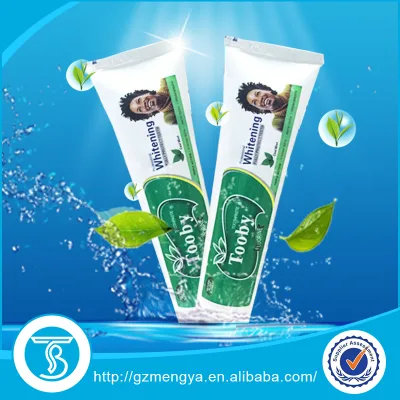

Natural Teeth Whitening Toothpaste Activated Bamboo Charcoal Toothpaste
$0.10 - $0.20
MOQ: 30000 Pieces


Wholesale Customized Logo Activated Bamboo Charcoal Teeth Whitening Home Toothpaste
$0.33 - $0.35
MOQ: 30000 Pieces

Top Selling 100% Natural Bamboo Charcoal Whitening Organic Tooth Paste Toothpaste
$0.33 - $0.35
MOQ: 30000 Pieces
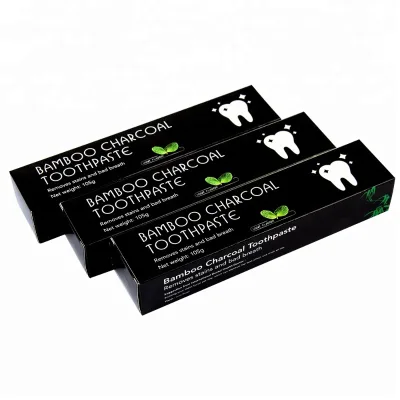
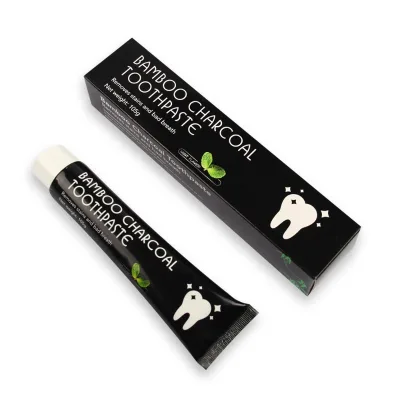
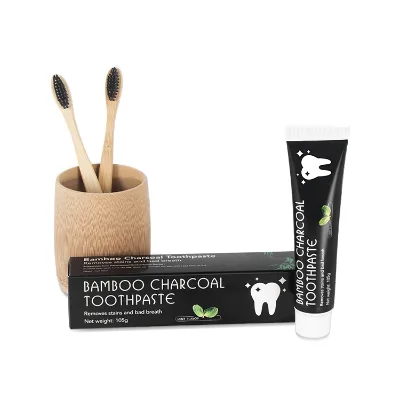

105g Activated Bamboo Charcoal Teeth Natural Coconut Whitening Toothpaste
$0.30 - $0.50
MOQ: 30000 Pieces


Comprehensive Sourcing Guide
Strategic Sourcing Guide for Whitening Bamboo Charcoal Toothpaste
Understanding Product Specifications and Variants
When sourcing Whitening Bamboo Charcoal Toothpaste, buyers must first navigate a complex landscape of product specifications that define the physical and chemical nature of the item. The core keyword implies a specific formulation centered on bamboo charcoal, yet the market presents a wide array of variations in model numbers, packaging, and ingredient profiles. Based on available market data, the product is frequently identified by specific model identifiers such as P25, c01, T19, P19, and TPC011. These codes often correlate with distinct batch configurations or regional market adaptations rather than fundamental changes in the core whitening mechanism.
The physical form of the toothpaste is a critical specification to verify. While the category generally encompasses paste forms, specific listings indicate a "Gel" shape for certain variants, which may influence the user experience and dispensing method. The color profile is another observable attribute; while "Green" is a documented color option for specific batches, "Customized Color" is also available, suggesting that branding requirements can dictate the final visual appearance of the product. Buyers should not assume a single standard color exists across all suppliers.
Packaging details vary significantly based on the unit size and the intended distribution channel. Common unit sizes observed include 50G, 60G, 105G, 145G, 150G, and 160G. The bulk packaging configuration is equally important for logistics planning. For instance, a 60G unit might be packed at 100 pieces per carton, whereas a 160G unit might be packed at 50 pieces per carton. Other configurations include 144 pieces per carton for smaller units and 72 pieces per carton for larger volumes. These variations directly impact shipping costs and warehouse storage requirements. The standard weight specifications often cited include 100 grams, 100 grams (100gr), 110 grams, and 6 ounces, requiring precise verification against the specific model number ordered to avoid discrepancies in inventory counts.
Ingredient Composition and Functional Claims
The efficacy of Whitening Bamboo Charcoal Toothpaste relies heavily on its ingredient composition. The primary active ingredient identified in the supply chain is Bamboo Charcoal, which is marketed for its adsorption properties and potential to aid in whitening. However, the formulation is rarely limited to a single component. Buyers must scrutinize the full ingredient list, as other components such as Herbal extracts, Mineral compounds, and Silicon Dioxide are also present in various formulations. The presence of Silicon Dioxide, for example, is often associated with abrasive cleaning agents that help remove surface stains, while Herbal ingredients may be included to support gum health or provide a specific flavor profile.
Functional claims are a major driver for this product category. The market consistently highlights features such as "Whitening," "Anti-Bacterial," "Anti-Cavity," and "Basic Cleaning." Additional benefits often promoted include "Oral Refreshing" and suitability for "Sensitive Teeth." It is crucial for buyers to distinguish between observed attributes and guaranteed clinical performance. While the product is described as having "Oral Cleaning" and "Whitening" functions, the specific mechanism by which bamboo charcoal achieves these results can vary between suppliers. Some listings emphasize "Herbal" ingredients, while others focus on "Mineral" bases. The flavor profile is another variable, with "Mint" being a common option, though customization is often available.
The target demographic for these products is diverse. While "Adult" is a primary age group, specific models are also designated for "Child" use. This distinction is vital for compliance and marketing, as formulations for children often require different safety thresholds and flavor intensities. The intended use is predominantly "Home," but "Hotel" and "Commercial" applications are also noted, suggesting that some suppliers offer bulk or travel-sized versions suitable for hospitality sectors. Understanding these functional and demographic nuances ensures that the sourced product aligns with the specific needs of the buyer's target market.
Compliance, Certification, and Quality Standards
Navigating the compliance landscape for oral care products requires a rigorous approach to verification. While the supply chain data references general standards such as ISO9001, ISO14001, and ISO 22716, these should be treated as potential benchmarks rather than guaranteed attributes of every listed product. ISO 22716, specifically, relates to Good Manufacturing Practices (GMP) for cosmetics, which is highly relevant for toothpaste. However, buyers must not assume that a supplier possesses these certifications without requesting valid, up-to-date documentation. Similarly, while CE certification is mentioned in background contexts, it is not a universal standard for all toothpaste variants, particularly those manufactured for the Chinese domestic market or other regions with different regulatory frameworks.
The place of origin for the majority of these products is Guangdong, China, with the port of dispatch typically being Guangzhou. This geographic concentration implies a mature supply chain but also necessitates careful due diligence regarding local manufacturing standards. Buyers should verify that the production facility adheres to the specific regulatory requirements of the destination country, which may include FDA registration for the US market or equivalent bodies in the EU and Asia. The "OEM" and "ODM" capabilities listed indicate that many suppliers are willing to customize formulations and packaging, which introduces additional complexity in maintaining compliance. Customized logos and colors are acceptable, but the underlying chemical formulation must still meet safety standards for the intended market.
Quality control protocols should be a central part of the supplier evaluation process. Buyers should request third-party test results that verify the presence of claimed ingredients like bamboo charcoal and the absence of harmful contaminants. The "Basic Cleaning" and "Anti-Bacterial" claims should be backed by laboratory data. Since the product is classified under "Other Household Chemicals" in some listings, it is essential to ensure that the product is regulated as a cosmetic or drug, depending on the jurisdiction, as this affects the required documentation and testing.
Cost Drivers and Procurement Economics
The economics of sourcing Whitening Bamboo Charcoal Toothpaste are influenced by several key factors, including order volume, packaging complexity, and customization requirements. The observed price range in the market is broad, spanning from $0.07 to $4.00 per unit. This significant variance is driven by the unit size, the quality of ingredients, and the level of customization. Smaller units, such as 50G or 60G travel sizes, generally command a lower unit price but may have higher per-gram costs compared to larger 160G family sizes.
Minimum Order Quantity (MOQ) is a critical cost driver. The market exhibits a wide MOQ range, from as low as 10 pieces to as high as 30,000 pieces. Some suppliers set specific MOQs, such as 720 pieces or 50,000 pieces, which can significantly impact the initial investment for new buyers. High MOQs often correlate with lower unit prices, making them suitable for established brands with consistent demand. Conversely, lower MOQs allow for market testing but may result in higher per-unit costs. Buyers must balance their inventory needs with cash flow constraints when negotiating these terms.
Payment terms and lead times also affect the total cost of ownership. Standard payment terms often include T/T (Telegraphic Transfer), and lead times can vary, with some suppliers citing delivery times of approximately 25 workdays. These timelines should be factored into the supply chain planning to avoid stockouts. Additionally, the supply ability of the manufacturer, which can reach 200,000 cartons per month for certain brands, indicates that large-scale orders can be fulfilled, but capacity constraints may arise during peak seasons. Buyers should confirm the supplier's current production capacity to ensure they can meet their demand without delays.
Supplier Evaluation and Selection Criteria
Selecting the right supplier for Whitening Bamboo Charcoal Toothpaste requires a multi-dimensional evaluation strategy. The first step is to verify the supplier's identity and location. With the primary origin being Guangdong, China, buyers should confirm the specific factory location and request business licenses to ensure legitimacy. The "OEM Welcomed" and "OEM, ODM" attributes suggest that many suppliers are flexible partners, but buyers must assess their technical capabilities to ensure they can meet specific formulation or packaging requirements.
Reputation and reliability are paramount. Buyers should look for evidence of consistent production capabilities, such as the stated supply ability of 200,000 cartons per month. This metric indicates a mature operation capable of handling large orders. However, buyers should also inquire about the supplier's track record with international clients and their ability to handle logistics from the port of dispatch in Guangzhou. The availability of customized logos and colors is a positive sign of flexibility, but it should not come at the expense of quality control.
Communication and responsiveness are also key indicators of a reliable supplier. The ability to provide detailed product specifications, including model numbers like P25 or TPC011, and clear packaging details is essential. Buyers should request samples to verify the physical attributes, such as the gel shape, green color, or mint flavor, before committing to a large order. The willingness to provide test results and compliance documentation is another critical factor. Suppliers that are transparent about their manufacturing processes and quality control measures are generally more trustworthy partners.
Quality Control and Long-Term Procurement Strategy
Implementing a robust quality control (QC) strategy is essential for maintaining product integrity in the Whitening Bamboo Charcoal Toothpaste category. Given the diverse range of ingredients, from herbal extracts to silicon dioxide, buyers must establish clear acceptance criteria for each batch. This includes verifying the correct model number, unit weight (e.g., 100g, 110g), and packaging configuration (e.g., 144PCS/Carton). Visual inspections should confirm the color consistency, whether it is the standard green or a customized shade, and the integrity of the packaging materials, such as paper boxes or cartons.
Long-term procurement considerations involve building a sustainable relationship with suppliers that can adapt to changing market demands. The flexibility of suppliers to offer customized solutions, such as specific flavors or packaging sizes, is a significant advantage. However, buyers should also consider the scalability of the supply chain. With a potential supply ability of 200,000 cartons per month, suppliers should be able to ramp up production if demand increases. Buyers should negotiate contracts that include clauses for quality assurance, delivery timelines, and contingency planning for supply disruptions.
Finally, buyers should maintain a proactive approach to compliance and market trends. As regulations evolve, particularly regarding cosmetic and oral care products, suppliers must be able to adapt their formulations and documentation accordingly. Regular audits and ongoing communication with suppliers will help ensure that the sourced products continue to meet the required standards and consumer expectations. By focusing on these strategic elements, buyers can secure a reliable supply of high-quality Whitening Bamboo Charcoal Toothpaste that aligns with their business goals.
Comparative Analysis of Product Attributes
To facilitate decision-making, the following table summarizes key product attributes observed in the market, highlighting the variations buyers may encounter.
| Attribute Category | Observed Variations | Key Considerations for Buyers |
|---|---|---|
| Model Number | P25, c01, T19, P19, TPC011, TP009 | Verify model against specific formulation and packaging requirements. |
| Unit Size | 50G, 60G, 105G, 145G, 150G, 160G | Larger units often have lower per-gram costs; check carton packing density. |
| Packaging | 144PCS/CTN, 100PCS/CTN, 72PCS/CTN, 50PCS/CTN | Calculate total carton volume for shipping and storage optimization. |
| Color | Green, Customized Color | Confirm color availability for branding consistency. |
| Shape | Gel, Paste | Verify physical form affects dispensing and user preference. |
| Ingredients | Bamboo Charcoal, Herbal, Mineral, Silicon Dioxide | Request full ingredient lists to ensure compliance with target market regulations. |
| Target Audience | Adult, Child | Ensure formulation and safety standards match the intended demographic. |
| MOQ | 10, 720, 50,000, 30,000 | Align order volume with cash flow and inventory capacity. |
| Origin | Guangdong, China | Verify port of dispatch (Guangzhou) and logistics capabilities. |
| Lead Time | ~25 Workdays | Factor into production planning and inventory replenishment cycles. |
This comparative analysis underscores the importance of detailed specification verification. Buyers should not rely on general category descriptions but must confirm the exact attributes of the specific model they intend to purchase. By doing so, they can mitigate risks associated with product mismatch and ensure a successful procurement outcome.
FAQs
What ingredients are used in Whitening Bamboo Charcoal Toothpaste?
The primary ingredient is bamboo charcoal, often combined with herbal extracts, mineral compounds, and silicon dioxide. Some formulations also include mint flavoring and are designed for basic cleaning and whitening functions.
Which packaging sizes are available for this toothpaste?
Available unit sizes include 50G, 60G, 105G, 145G, 150G, and 160G. Bulk packaging varies, with options like 144 pieces per carton for 50G units or 50 pieces per carton for 160G units.
Can I customize the color and logo of the toothpaste?
Yes, customized colors and logos are acceptable for many suppliers. While green is a documented color option, buyers can request specific shades to match their brand identity requirements.
What is the minimum order quantity for this product?
The minimum order quantity ranges from 10 pieces to 30,000 pieces depending on the supplier. Specific listings show MOQs such as 720 pieces or 50,000 pieces for certain models.
Where are these toothpaste products manufactured and shipped from?
Most products originate from Guangdong, China, with the port of dispatch typically being Guangzhou. This location supports a mature supply chain capable of handling large volume orders.
How long does delivery take for a standard order?
Standard delivery times are approximately 25 workdays. Buyers should confirm current capacity as supply ability can reach 200,000 cartons per month for specific brands.